


Flying Business Class Is Not a Dream
Flying business class is something that is a dream for a lot of travelers, given the added comfort, better service, and overall pleasurable experience associated with it. But the cost can feel out of reach. But with some strategy and smart tips, you can fly business class for less than you might think.

1.Book Early or Last Minute
It’s possible — booking your flight many months in advance can often net a better deal on business class tickets. Most airlines make available only a handful of discounted seats at first. On the flip side, last-minute deals can be gold. Airlines will occasionally discount prices on the few remaining business class seats close to departure. If you have flexibility with your travel dates, your chances of finding a bargain will be that much higher.
2.Travel by Using Your Frequent Flyer Miles and Points
Join the airline loyalty programs and utilize co-branded credit cards to rack up points when you spend on daily items. Many airlines offer substantial sign-up bonuses that can add up to a business class ticket fairly quickly. Also, if you have flexible reward points like Chase Ultimate Rewards or American Express Membership Rewards, find out whether transferring points to an airline partner would yield better value than redeeming them that way.
3.Discover Error Fares and Special Promotions
Sometimes airlines mess up when pricing tickets, and you end up with a steeply discounted business class fare. Specialist sites such as Secret Flying and Airfarewatchdog are set up for doing this kind of work on error fares. Also, look for special promotions and sales. Airlines frequently have sales, particularly during slower travel periods where the discounts on business class tickets can be significant.
4.Look for Alternate Airports and Routes
Sometimes, taking off or landing at alternative airports has cheaper business class prices. If you’re heading to Europe, for instance, you might fly into a major hub like London or Frankfurt and then hop on a budget airline to your final destination. Likewise, indirect flights with layovers tend to be cheaper than non-stop routes. It can take longer, but the savings can be significant.

5.Upgrade with Cash or Miles
If an outright business class ticket is just too expensive, look at buying an economy ticket and upgrading. You can offer to pay for an upgrade, or use miles to book a better seat on many airlines. Follow upgrade offers as your departure date draws closer. Airlines may reduce the cash or miles necessary to fill leftover business class seats.
6.Travel in Off-Peak Times
Business class seat demand also varies throughout the year. The off-peak travel seasons, like late in winter or early in fall, generally come with a lower price tag. Avoiding major holidays and school vacation periods is also a good way to find cheaper fares. In addition, flights in the mid-week, compared to the weekends, are much cheaper.
7.Book Through Travel Agencies and Consolidators
Travel agencies and ticket consolidators sometimes have access to discounted business class fares not available to the general public. These companies buy tickets in bulk and can save you a ton of money. Do your homework, though, and comparison shop — the myriad of agencies you can find online vary widely in terms of cost and quality.
8.Look for Budget Airlines
Certain airlines are notorious for having lower business class fares. Airlines like Turkish Airlines, Qatar Airways, and Etihad tend to offer superb value, for example. Inspire yourself and new destination ideas through your favourite airlines. Newer airlines or airlines that expand their route offerings may also provide introductory savings to reach new customers.

9.Be Flexible and Persistent
How do you get a cheap business class ticket? Monitor airline websites, create fare alerts and be prepared to book when you see a good price. If you’re flexible, to be patient and make it work, you’ll get rewarded down the line.
So there we have it, with frequent flyer miles, keeping an eye out for promotions, and being flexible with your travel plans, you can score business class seats without the business class price tag.

Unlock the Secrets of Tesla Dog Mode: A New Experience for People and Pets
With the rapid development of science and technology, the automobile industry has also ushered in unprecedented changes. Among them, Tesla's Dog Mode is a feature that has attracted attention, which provides a more comfortable and safe travel experience for pet owners.1.Background and significance of the Tesla Dog modelIn modern society, pets have become an indispensable member of many families. However, during the driving process, how to ensure the safety and comfort of pets is a problem that cannot be ignored. The emergence of the Tesla dog model is to solve this problem. With smart controls, Tesla Dog Mode is able to provide a safe and comfortable environment for pets while parked, ensuring they are well cared for even inside the vehicle.2.The functional characteristics of Tesla dog modeThe Tesla Dog Mode has a variety of functional features designed to meet the needs of different pet owners. First of all, the mode can automatically adjust the temperature in the car, ensuring that the pet does not feel too hot or too cold in the car. Second, Tesla Dog Mode can also display real-time temperature information in the car, allowing owners to keep abreast of the environmental conditions of their pets. In addition, Tesla also allows pets to enjoy comfortable facilities such as music and air conditioning in the car through the intelligent control system, further enhancing the travel experience of pets.3. Operation and use of Tesla Dog modeThe operation of Tesla Dog Mode is very simple and convenient. When owners need to leave the vehicle, they can simply choose to turn on dog mode through Tesla's center screen or mobile app. When this mode is turned on, the vehicle automatically adjusts the interior environment to ensure the comfort and safety of the pet. At the same time, the Tesla dog mode will also display the words "pet in the car, air conditioning is turned on" on the window, as well as real-time temperature information in the car to remind passers-by to pay attention to the pet's condition.
Top 10 Shoes for Seniors: Comfort, Safety, and Style
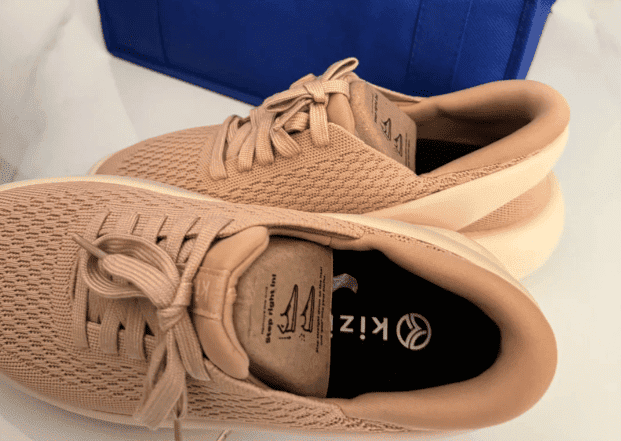
It is hard for families to select good shoes for seniors. In this article, we cover top ten of the best types of shoes made for seniors. It also gives caregivers the tools to make informed choices. Safe senior shoes features of an ideal safe shoe for seniors. What is a caregiver—I guide caregivers on how to navigate numerous possibilities to improve the lives of loved ones. Well, if we dive into these questions and find some suitable solutions. Next, let us follow my lead to explore and discover the top 10 comfortable, safe and nice shoes for senior people.Kizik — Hands Free Entry for the Ultimate ConvenienceThe revolutionary technology known as "Hands-Free" from Kizik allows seniors to step in and out without bending down or using their hands ever again. This specifically helps with back pain, hip problem and lack of mobility. The shoes come with a stretchy heel collar that keeps the foot locked in for extra security. Others include slip-resistant outsoles along with memory foam-infused insoles.Ideal for: Older folks, back pain sufferers and anyone wanting easy to put on, take off footwear.Brooks — For Knee-Shaped CharacteristicsBrooks shoes have the "GuideRails" support system to help keep your body in its natural motion. The model is particularly favored by older runners and walkers due to its soft cushioning and smooth transitions. The toe box is also quite generous in Brooks shoes, and almost all models have rugged outsoles with excellent traction.Ideal for: Seniors that walk or run regularly, seniors with knee and hip health concerns.Asics — Top Notch Cushioning for Hard to Please Older CustomersAsics is known for its Gel that acts as an aid to absorb shock and make the overall experience more comfortable. More specifically, the Gel-Kayano series provides stability for older adults who walk or exercise. The shoes have breathable mesh uppers that provide maximum consolation while at the same time minimizing foot fatigue with a direct heel counter. You can also find different widths to ensure that the shoes fit correctly.Ideal for: Active seniors who walk, jog, and participate in light sports & those needing good cushioning.Vionic: Stylishly Designed Orthotic SupportVionic shoes feature a biomechanical footbed designed to support the natural alignment of your feet, ankles and knees. This design utilizes stress-reducing materials that can assist in treating plantar fasciitis as well as flat feet. It also boasts slip-resistant outsoles and a pair of deep heel cups providing additional stability. With everything from casual sneakers to sandals, available in a multitude of styles and colors.Ideal For: Older adults needing corrective support, flat feet or overpronators and everyday use.Orthofeet – Medical-Grade Support for Pain ReliefThe Orthofeet shoes have been designed to combat age-related foot issues with the help of expert podiatrists. Their footwear has anatomical arch support, padded heel cups and multi-layer cushioning that helps relieve plantar fasciitis and any form of heel pain. Toes can spread naturally thanks to the roomy wide toe box, and a non-binding upper provides comfort even as you swell. You can also find 1699 Orthofeet, a unique lacing system which is designed to "Easy-On."Ideal for: Elderly people who have chronic pain due to a foot disease like neuropathy, arthritis or those with severe deformities.Skechers – Mega Light, and Easy to WearFor seniors, Skechers has always been a god send with their lightweight and soft cushioning. The vast majority are outfitted with memory foam insoles that mold to the structure of your foot, alleviating pressure points. The slip-on styles with elastic lacing also makes them a great brand for those who struggle to put on their shoes or have limited hand mobility, arthritis etc. These Skechers score high on cushioning, arch support and shock absorption so you can wear them each day for walks or even errands.Best for: Daily walking, light exercise and seniors who prefer easy on-off styling.New Balance – A Perfect Combination of Stability and Custom FitThe 990v5 by New Balance is another sneaker that has gained a reputation for its stability and durability. This gets reinforced with a solid heel counter and wide base to help provide balance. The brand has wide (and extra wide) widths to cover your foot swelling and bunions that can be common for older adults. Cushioning systems that absorb impact from accidents on joints, breathable mesh upper to keep feet cool.Ideal for: Seniors that require a little more stability, wider feet and long-distance walking.Propet — Intended for Older Foot WellnessPropet—Manufactures shoes for older people that come with removable, orthotic-friendly insoles, deep toe boxes to accommodate bunions & hammer toes and adjustable closures. Additionally, many Propet shoes have a wide fit for those with foot deformities like the hammertoes or bunions. The brand provides footwear that is non-skid from the bottom to protect against ankle rolling by means of heel stabilizers.Ideal For: Elderly people with foot ailments, diabetes-related foot problems or who need custom-made orthotics.Hush Puppies — Design and ComfortHush Puppies marries style with the technology of comfort. Each shoe comes equipped with lightweight EVA midsoles to absorb shock and removable cushioned insoles. These shoes use the brand's "Zero Shock" technology, which lessens impact on knees and hips making them perfect for seniors experiencing joint pain. Soft leather uppers start out on the stiff side, but as you wear them they mold themselves to your foot and crumple down with fairly little chance of blistering or other pressure points.Ideal for: Seniors who prefer a more polished look without compromising comfort, or have sensitive skin.Hoka One One — Maximum Cushioning, Sensitive JointsIts thick foam bottom diminishes joint and floor impact, his shoes are suitable for old people like Older with arthritis or chronic pain. Surprisingly lightweight, Hoka offers a "rocker-bottom" that helps support the motion of walking in an accessible way despite their chunky aesthetic.Ideal for: Older people, arthritis and joint sensitivity, or standing for long periods of time.Choosing Senior Footwear1.Fit and Width: Always measure both feet; therefore try shoes.2.Deep Rubber Outsoles: To avoid slipping during testing on wet or uneven flooring.3.Easy to Put on: Look for Velcro straps, elastic laces or slip-on design.4.Arch Support: The shoe needs an arch that boards to the foot for low power and joint pain.Opting for a pair of any of these well-known brands will ensure better comfort, safety and quality of life for seniors with good footwear.

Tips for Providing Complete Home Furnishing Advice to Users
When it comes to furnishing a home, it's not just about filling the space with furniture and decor pieces; it's abouTo provide users with comprehensive advice on home furnishing, it's essential to consider various aspects that go beyond just aesthetics. Here are some innovative tips to help you guide users in transforming their houses into dream homes:Understand User Needs: Before offering advice on home furnishing, take the time to understand the user's lifestyle, preferences, budget, and space constraints. Tailoring recommendations to their specific requirements will ensure a more personalized and impactful furnishing plan.Embrace Versatility: Suggest furniture and decor pieces that are versatile and multifunctional. Opt for items that can serve multiple purposes or be easily reconfigured to adapt to changing needs. This approach not only maximizes space but also promotes sustainability and practicality.Mix and Match: Encourage users to combine different styles, textures, and colors to create a visually interesting and dynamic space. Mixing old and new elements, blending contrasting patterns, and experimenting with bold accents can add depth and character to their home decor.

Studies Indicate Nearly Two-thirds of Baby Food Tested Fail to Meet Basic Health Standards
In recent years, there has been growing concern over the nutritional quality of baby foods available in supermarkets. A significant number of studies have revealed that nearly two-thirds of these products are unhealthy, raising serious questions about the health and well-being of infants and toddlers. This article delves into the reasons behind this alarming statistic and examines the ingredients that make these baby foods unhealthy.The Problem with Supermarket Baby FoodsThe primary issue with supermarket baby foods is their nutritional composition. Many of these products are high in sugar, salt, and unhealthy fats, while being low in essential nutrients such as vitamins, minerals, and fiber. This imbalance can have detrimental effects on a child's developing body and brain, potentially leading to long-term health issues.High Sugar ContentOne of the most concerning aspects of supermarket baby foods is their high sugar content. Many products contain added sugars, which are not only unnecessary for infants but can also contribute to obesity, dental decay, and other health problems. According to a study by the World Health Organization (WHO), infants should consume no more than 5% of their daily calories from free sugars, yet many baby foods exceed this limit. The sugar content in these products often comes from sources such as fruit concentrates, syrups, and even hidden sugars in flavored yogurts and cereals. While natural sugars from fruits are generally acceptable, the added sugars in these products can lead to a preference for sweet foods later in life, making it harder for children to develop healthy eating habits.Excessive SaltAnother major issue with supermarket baby foods is their high salt content. Infants have a much lower tolerance for salt than adults, and excessive salt intake can lead to high blood pressure, kidney damage, and other health problems. The American Academy of Pediatrics (AAP) recommends that infants consume no more than 1 gram of salt per day, but many baby foods contain significantly more. Salt is often added to baby foods to enhance flavor, but this practice can have serious consequences. In addition to the health risks associated with high salt intake, it can also mask the natural flavors of the ingredients, making it harder for children to develop a taste for healthy, whole foods.Unhealthy FatsMany supermarket baby foods also contain unhealthy fats, such as trans fats and saturated fats. These fats can increase the risk of heart disease, obesity, and other health problems. While some fat is essential for a child's growth and development, the type of fat is crucial. Healthy fats, such as those found in avocados, nuts, and olive oil, are important for brain development and overall health. Unfortunately, many baby foods contain unhealthy fats from sources such as palm oil, hydrogenated oils, and animal fats. These fats can contribute to inflammation, insulin resistance, and other metabolic issues, making it essential to choose baby foods that are low in unhealthy fats and high in healthy fats.Lack of Essential NutrientsIn addition to the high sugar, salt, and unhealthy fat content, many supermarket baby foods are also lacking in essential nutrients. These products often contain low levels of vitamins, minerals, and fiber, which are crucial for a child's growth and development. For example, many baby cereals are fortified with iron, but they may be low in other essential nutrients such as calcium, vitamin D, and omega-3 fatty acids. The lack of essential nutrients in these products can lead to deficiencies that may affect a child's physical and cognitive development. It is important for parents to choose baby foods that are rich in a variety of nutrients to ensure that their child is getting the necessary building blocks for a healthy life.
The Curious Case: The Illegality of Putting a 'For Sale' Sign in Your Vehicle
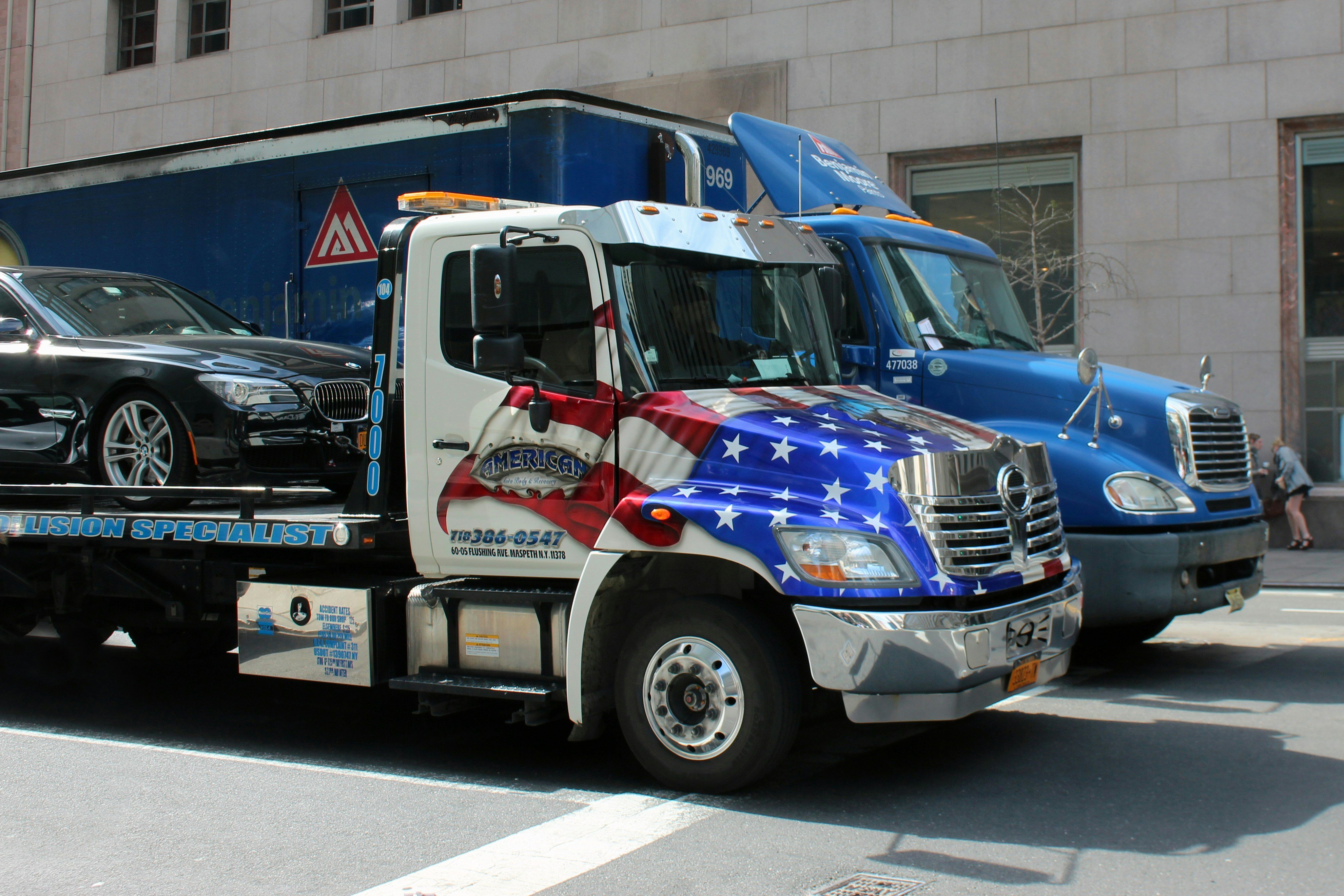
It turns out that in certain jurisdictions, it is considered illegal to display a 'For Sale' sign on your vehicle. In this article, we will delve into the reasons behind this.The Rationale Behind the Ban1. Traffic Safety Concerns: One of the primary arguments put forth by those supporting the ban is the concern for road safety. Supporters contend that 'For Sale' signs on moving vehicles can be distracting to other drivers, potentially leading to accidents or traffic congestion.2. Aesthetics and Community Standards: Some communities have implemented these regulations to maintain aesthetic standards. They argue that multiple vehicles with 'For Sale' signs can clutter the streets, giving a sense of disarray and negatively affecting property values.3. Commercial Zoning Regulations: In certain areas, placing 'For Sale' signs on vehicles is seen as a violation of commercial zoning regulations. These regulations aim to maintain a clear distinction between private and commercial activities, and proponents argue that allowing vehicle sales on public roads blurs this line.Implications and Concerns1. Restriction of Personal Property Rights: Critics argue that prohibiting individuals from advertising the sale of their personal property infringes upon their right to freely engage in private transactions. They contend that as long as the vehicle is legally owned and the sale adheres to relevant laws, individuals should have the right to advertise their intent to sell.2. Impact on Small Businesses and Independent Sellers: The ban can disproportionately affect small businesses and independent sellers who rely on their vehicles to advertise their products or services. For entrepreneurs without a brick-and-mortar location, the truck may serve as their primary means of marketing and attracting potential customers.3. Limiting Consumer Choice: The restriction on 'For Sale' signs can limit consumer choice and make it more difficult for buyers to locate vehicles for sale. Potential buyers may find it challenging to identify available options, resulting in a less efficient and transparent marketplace.