


A Guide to Choosing the Right Camping Gear
Camping is an exhilarating outdoor activity that allows individuals to reconnect with nature and escape the hustle and bustle of eve.
However, selecting the right camping gear is crucial to ensuring a comfortable and enjoyable experience in the great outdoors. In this guide, we will explore the essential factors to consider when choosing camping gear, providing valuable insights to help readers make informed decisions and gear up for their next adventure.
Functionality and Versatility: The Backbone of Camping Gear
When selecting camping gear, it is essential to prioritize functionality and versatility. Look for multi-purpose equipment that can serve various needs, such as a multi-tool with a knife, screwdriver, and can opener, or a versatile tent that can adapt to different weather conditions. Versatile gear not only saves space and weight but also enhances the overall camping experience by catering to diverse situations.
Durability and Quality: Invest in Long-lasting Gear
Investing in durable and high-quality camping gear is critical for a successful outdoor experience. Look for gear made from robust materials, reinforced seams, and sturdy construction to withstand the rigors of outdoor use. Quality gear not only ensures longevity but also provides peace of mind in challenging environments, allowing campers to focus on their adventures without worrying about gear malfunctions.
Comfort and Ergonomics: Prioritize Personal Well-being
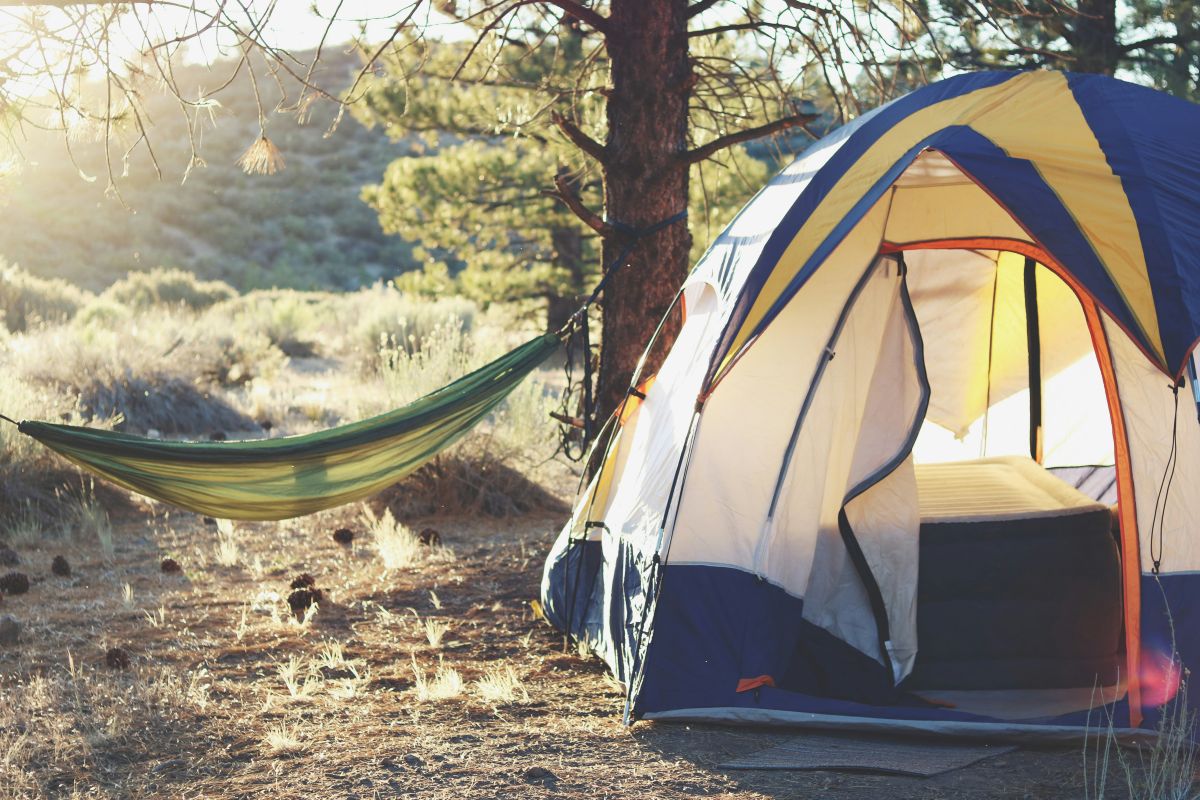
Comfort plays a crucial role in determining the overall camping experience. When choosing camping gear, prioritize items that prioritize personal well-being, such as a comfortable sleeping pad, ergonomic backpack, or supportive hiking boots. Additionally, consider factors like adjustable straps, breathable fabrics, and padded support to enhance comfort during extended outdoor excursions.
Portability and Weight: Pack Light, Pack Right
Efficiently packing and transporting camping gear is essential for maximizing mobility and convenience. Opt for lightweight and compact gear that minimizes bulk and weight without compromising functionality. Additionally, consider collapsible or foldable options, such as portable cookware and compact chairs, to optimize space and ease of transport.
Weather Resistance and Adaptability: Prepare for Nature's Challenges
Camping gear should be capable of withstanding diverse weather conditions and environmental challenges. Choose waterproof tents, moisture-wicking clothing, and insulated sleeping bags to stay dry and comfortable in inclement weather. Additionally, consider gear with sun protection, such as UV-resistant tents and clothing, to shield against harsh sunlight.
Sustainability and Eco-consciousness: Minimize Environmental Impact
In today's environmentally conscious world, considering the sustainability of camping gear is paramount. Opt for eco-friendly and ethically sourced products, such as biodegradable toiletries, solar-powered lanterns, and reusable kitchenware, to minimize environmental impact and promote responsible outdoor practices.
User Reviews and Recommendations: Learn from Fellow Campers
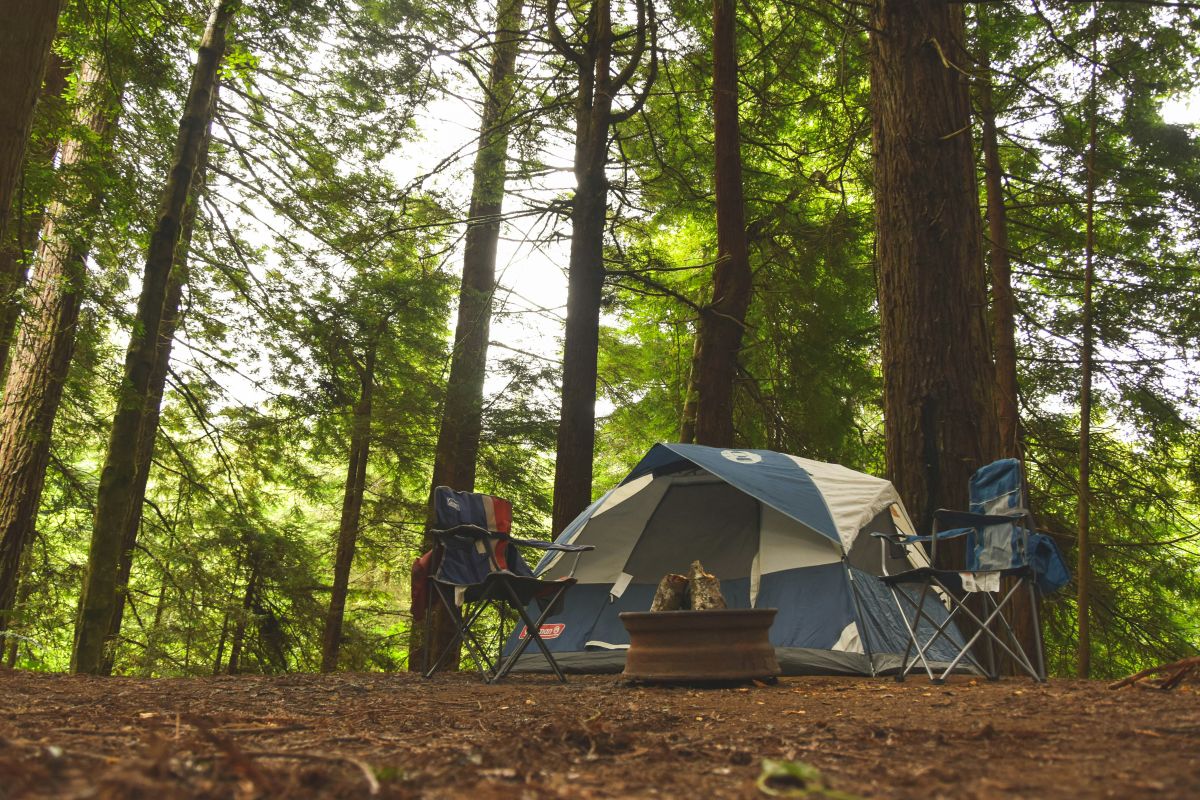
Before making a purchase, take the time to research user reviews and seek recommendations from fellow campers. Learning from others' experiences can provide valuable insights into the performance, durability, and practicality of specific camping gear, helping readers make informed decisions and select gear that aligns with their camping needs and preferences.
Choosing the right camping gear involves careful consideration of functionality, durability, comfort, portability, weather resistance, sustainability, and user feedback. By prioritizing these factors, readers can confidently select gear that not only enhances their outdoor experience but also aligns with their values and environmental responsibility. Remember, the right camping gear can make the difference between a cumbersome outing and a seamless adventure in the great outdoors.
Natural Treatments for Knee Osteoarthritis
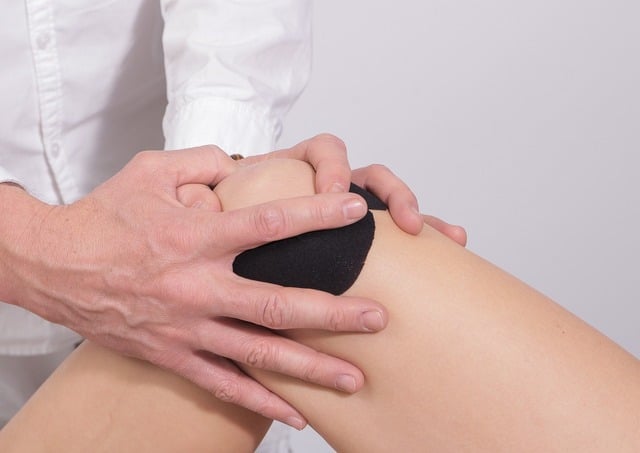
Degenerative joint disorders, such as knee osteoarthritis, are a frequent joint disease around the world and millions of people suffer from pain, stiffness, and disability in their joint. Although conservative treatments (i.e. painkillers, physiotherapy, or surgery) are frequently suggested, commonly patients turn to alternative methods to deal with the symptoms with less side effects. These techniques presents a comprehensive approach to treating knee osteoarthritis, aimed at providing relief of both the physical and psychological.1.AcupunctureOne of the most common alternative treatments for knee osteoarthritis is a traditional Chinese practice called acupuncture which small needles are inserted and manipulated at various points in the body. Studies show that acupuncture can trigger the release of endorphins, as well as increase blood flow to the affected joint. And it can be noticed that, with consistent treatments, a lot of clients will have less pain, more mobility. Individuals respond to acupuncture differently, it can be costly, and if you haven’t found any relief after four visits, chances are it’s not going to be helpful, but it is safe when provided by a licensed acupuncturist, and that may be particularly appealing for those who don’t want to take a medication.2.Glucosamine and Chondroitin SupplementsThese are the two most common oral supplements sold for joint pains. They’re said to promote healthy joints by decreasing inflammation and preserving cartilage. Long-term use might ease pain and improve mobility, according to some studies, although the outcomes will depend on severity of osteoarthritis. These supplements are not a panacea, but are considered as part of an overall anti-pain programme especially for those who prefer a more natural way of pain relief as opposed to taking prescription medication.3.MassageAnother alternative therapy is massage which can offer relief by easing muscle tension and increasing circulation in the area of the knee. Talented therapists perform deep tissue or myofascial-release massage, pinpointing tight muscles and connective tissue that might be causing joint discomfort. Routine sessions may help reduce stiffness and increase flexibility, providing a non-invasive method of relieving symptoms. Some patients use massage in combination with other treatments such as application of heat for extra comfort.4.Heat and Cold TherapyAlthough quite basic, heat and cold are still considered tried and true methods for alleviating osteoarthritis pain. Using heat by using warm compresses or heating pads help to relax stiff muscles, boost blood circulation, but if you use cold packs, it might numb the pain and reduce the swelling. Many people use both, switching them based on their symptoms applying heat in the morning to loosen the joint up followed by cold after activity to reduce inflammation. This low cost approach may be integrated into daily practice for maintenance of symptoms.5.Chiropractic AdjustmentIf we think of chiropractic adjustment more in the context of back pain, this study tells us that it can also provide relief to those suffering from knee osteoarthritis. Joint mobilization (chiropractic treatment) has the potential to restore normal alignment and lessen stress on surrounding tissues. They can help correcting these imbalances in your musculoskeletal system and return to proper movement patterns and reduce the stress on your knees. Although not an independent treatment, chiropractic can be a useful addition to a multidisciplinary pain management program.Although these treatment options may not fully substitute conventional medical treatments, they offer a good selection for people who may wish to seek an adjunct way for relieving knee osteoarthritis. Whether it’s acupuncture’s pain-dulling effects or the structural benefits from chiropractic manipulations, people have a variety of options to find comfort. Incorporating one or more of these interventions — with professional guidance — could make a huge difference to your quality of life, giving those with knee osteoarthritis back the freedom to move. Of course, speaking with your doctor anytime you're trying a new treatment will ensure it is safe and tailored to your joint health.

Muğla: A Neglected Pearl in the Mediterranean
Muğla, a place which nestles in southwest Turkey, is not popular as those famous resorts around the Mediterranean sea, such as Izmir, Antalya, and Fetesier. However, a myriad of glamours and unique style in this land are waiting for the travelers who are willing to come and explore.Incomparable LocationThe geographical location is a stunning point, which situates the intersection of Aegean sea and Mediterranean sea and a million miles coast line belongs to it. The natural landscape here is colorful but majestic: from blue sea to lofty mountains, from golden beach to green olive park, everything the light touches is the kingdom of Muğla, a masterpiece from the grand natural. There are various beautiful scenes in Muğla, but one that amazes me the most is the coast line. The sea is so clear that I can almost see the bottom of it; The sand is so soft that just feel like touching silk, and the hidden bay is so romantic that I want to rendezvous a lover there, all these magnificent views make Muğla a perfect paradise for travel.Brilliant HistoryHowever, the above introduction is just an iceberg of it, the historic and cultural power will also astonish your eyes. Although the city is not that large, it’s still full of energies and enthusiasms. The archaic wall, narrow street and the traditional Turkey constructions remind me of the period hundreds years ago. The nearby villages are worth traveling, too, like Kayaköy near Fetesier, a forlorn Greek county which has been an open-air museum telling the vicissitudes of history.Spectacular CultureAnother highlight is its ample cultural relics. This is a place used to be the intersection ofAncient Greece, Rome, and the Byzantine Empire, which is full of historic relics. For example, the renown Miletus which used to be the heart of union of Ionian but remains ruins today, however, you can still feel its past glory when you see in person. Besides, a plenty of well-protected ancient theaters, temples and bathing beaches are witnessing the long history of this place.Amazing Natural SceneryThe natural views are also glorious. Lots of national parks and natural reserves like Dalyan Delta National Park make here lively and active. An abundance of rare birds and animals regard here as their habitats, if you are a bird-lover, you must come here. What’s more, here is also a heaven for those who loves hiking and adventure, for example, Büyük Menderes Delta has a grand view, it is a pity if you can not see in your lifetime.

Filtered Coffee: A Brew for a Longer Life
Coffee is a drink that is loved by people all over the world, and has been the principal food in many countries for centuries. The strong flavor and the function of pick-you-up make it the first product touched by millions of people in the morning all around the world. However, not all coffee are the same, a recent study finds that filter coffee might be healthier and more helpful for us, even in expanding your life span.The Chemistry of CoffeeCoffee is filled with complex chemical compound, including caffeine, antioxidant and all kinds of acids. The way you make them can have distinctive influence on the density of these chemicals. Filtered coffee needs to make hot water go through the grid coffee beans, catch liquid and make coffee grounds stay in the meantime. Compared to other methods like espresso or French-pressed coffee, this process may lead to the relatively low level of some certain chemical compounds.The Compounds in Filtered Coffee Are HealthierOne of the most distinctive differences of filtered coffee is the diterpene content is low, especially coffee alcohol and coffee bean alcohol. These compounds are high in unfiltered coffee, such as French pressed coffee. According to the study, coffee alcohol and coffee bean alcohol will escalate the cholesterol level of LDL, which is likely to cause heart disease. By filtering these compounds, filtered coffee become the optimal choice for those who pay attention to heart health.Antioxidants and Disease PreventionFiltered coffee is also rich in antioxidants which is a compound that protects cells from being hurt by radicals. The radicals are unstable molecules and can causes chronic diseases such as oxidative stress, cancer and diabetes. The antioxidants in coffee, including prochlorogenic acid and polyphenols can help neutralize free radicals, thus reduces the risk of this disease.Caffeine and the Cognitive BenefitsThere is no need to introduce more about the caffeine, a most famous ingredients in coffee, is a kind of central nervous system stimulant and can enhance alertness and cognitive function. Moderately taking caffeine has positive relations with memory improvement, nimble reaction and problem-solving skills enhancement. Although every coffee contains caffeine, the difference of filtered coffee is that it can control the volume you take, thereby, you can easily make the coffe you like with suitable density.Relations with LongevityA number of studies have shown that coffee do have some relations with longevity. Drinking moderate coffee can reduce the rate of die of all kinds of diseases, including heart disease, nervous system disease and suicide. Although it needs more studies to confirm this relation, these findings are still inspirational for those who like drinking a cup of coffee everyday.

Cote d’ Azur in France: The Best Coastline
The Cote d’ Azur in France, a luminous and brilliant pearl of Mediterranean area, winds its way from Marseilles to the Italy boundary which is regarded and considered as one of the best coast lines in the world for its fascinating natural scenery, enriched cultural relic and fancy lifestyles. No matter the sun-kissed beached, old towns with long history, or the world-class arts and cultures, the Cote d’ Azur seduces and attracts visitors all over the world through its uniqueness and speciality.Natural SceneryTo begin with, the most outstanding glamour of Cote d’ Azur lies in the natural views with no doubt. One hundred and fifteen miles’ coastline, sandy but soft beach and azure but clear sea all belong to the one and only Cote d’ Azur. One famous beach is Promenade des Anglais which is the must-go resort among visitors. A seven-miles revenue near the sea and palm trees provides travelers a romantic chance to walk, enjoy the breeze and the scene. Besides, famous towns like Saint-Tropez and Cannes are also tourists attraction worth visiting. Therefore, Cote d’ Azur is an enjoyable wonderland for sunshine, beaches and sea.Cultural RelicsDespite natural scenes, Cote d’ Azur also shine in rich cultural relics. Vieux Nice offers us the chance to see constructions and buildings which were established three hundred years ago. You can learn from the old streets, colorful houses which witnessed a myriad of historic stories. As is known to all, Cannes is popular and famous with the film festival. Every May, movie stars and celebrities all over the world come here to celebrate the film’s biggest event. If you are lucky enough, you may see Oscar winners, Golden Globe winners, British Academy Film Awards winners, Screen Actors Guild Awards winners and more. Famous directors, producers, actors and actresses will greet with you face to face. Thereby, visiting Cote d’ Azur is not just for a trip, but also make you encounter the stars you like. In addition, Monaco is also a town can not be ignored because the famous Monte Carlo Casino is a place you can not miss.Arts and CultureNow let’s see how Cote d’ Azur attracts travelers in arts and culture. Picasso and Matisse are renown artists, one of the common points of them is that they both created works in Cote d’ Azur. Cote d’ Azur inspires hundreds of great men, a great quantity of art works are still reserved in the art gallery and museums in Nice. From ancient masterpieces to modern creations, you can see whatever you can imagine and can’t imagine. What’s more, numberless music and art festivals enrich the spirit of this town, for example, Nice carnival. Hope you can catch this great moment when you arrive there.ConclusionIn short, Cote d’ Azur in France is a place deserve your visit which can fulfill and reach your expectation and gratification. Don’t make heartbeat just beat all the time, move on, you can fly there just with a ticket.

Does Your Coffee Cup Affect the Taste of Your Coffee
Coffee is a necessity for many people every morning, and for coffee lovers, a good cup of coffee is not only about choosing the right beans and cooking methods, but also about using the right coffee utensils, such as coffee cups.This article will explore the potential impact of coffee cups.First of all, the material of the coffee cup is an important consideration. Common coffee mug materials include ceramic, glass and stainless steel. Ceramic cups are the most common choice because they are able to maintain the temperature of the coffee and do not have a noticeable effect on the taste of the coffee. Ceramic is very helpful for maintaining the heat and stability of the coffee, which allows the coffee to maintain the ideal temperature in the cup, making the taste more comfortable. On the other hand, the glass has good transparency, which allows people to appreciate the color and layering of the coffee. However, the glass is less able to retain heat and the coffee may cool more quickly. Stainless steel cups have excellent thermal insulation properties and can keep the temperature of coffee for a long time, but the material of stainless steel may have a certain impact on the taste of coffee.Secondly, the shape of the coffee cup may also have an effect on the taste of the coffee. The shape of the coffee cup can affect the smell, taste and caffeine content of the coffee. For example, a round cup can help the aroma of coffee concentrate better, making it easier to taste the aroma of coffee. For lighter coffee, such as Americano, you can choose a larger caliber cup to better experience the taste of coffee. In addition, the bottom shape of the cup may also have an impact on the taste of the coffee. A cup with a narrower bottom may make the coffee taste more intense, while a cup with a wider bottom may make the coffee taste more balanced.