


The Art of Caring for Solid Wood Furniture
Proper care and maintenance are crucial to preserve its beauty and ensure its longevity. In this article, we will explore the art of caring for solid wood furniture, offering unique tips and insights to help readers keep their cherished pieces in pristine condition.
Understanding the Nature of Wood
Before delving into specific care techniques, it's essential to understand the nature of wood itself. Wood is a natural material that responds to its environment. It can expand and contract with changes in temperature and humidity, and it can be susceptible to scratches, stains, and fading if not properly cared for. With this understanding, we can approach the care of solid wood furniture with the respect it deserves.
Dust Regularly with Care
One of the simplest yet most important care practices for solid wood furniture is regular dusting. Use a soft, lint-free cloth or a microfiber duster to gently remove dust from the surface. Dust can accumulate and scratch the wood over time, so consistent cleaning is crucial.
Protect from Sunlight and Heat
Direct sunlight can cause wood to fade and lose its luster over time. To preserve the natural color and beauty of solid wood furniture, it's important to shield it from direct sunlight. Utilize curtains or blinds to minimize exposure, and consider rearranging furniture to reduce prolonged sun exposure.
Use Coasters and Protective Pads
To prevent water rings, scratches, and heat damage, always use coasters or protective pads when placing glasses, hot items, or other objects on solid wood surfaces. This simple practice can go a long way in preserving the integrity of the wood.
Immediate Cleanup
Accidents happen, and spills are inevitable. It's essential to clean up any spills or stains immediately to prevent them from seeping into the wood and causing damage. Use a dry or slightly damp cloth to blot and clean up any spills promptly.
Maintain Optimal Humidity Levels
Wood is sensitive to changes in humidity, which can cause it to expand or contract. Maintaining optimal humidity levels in your home can help prevent these fluctuations. Consider using a humidifier in dry environments and avoiding placing solid wood furniture in areas with extreme temperature changes.
Periodic Waxing
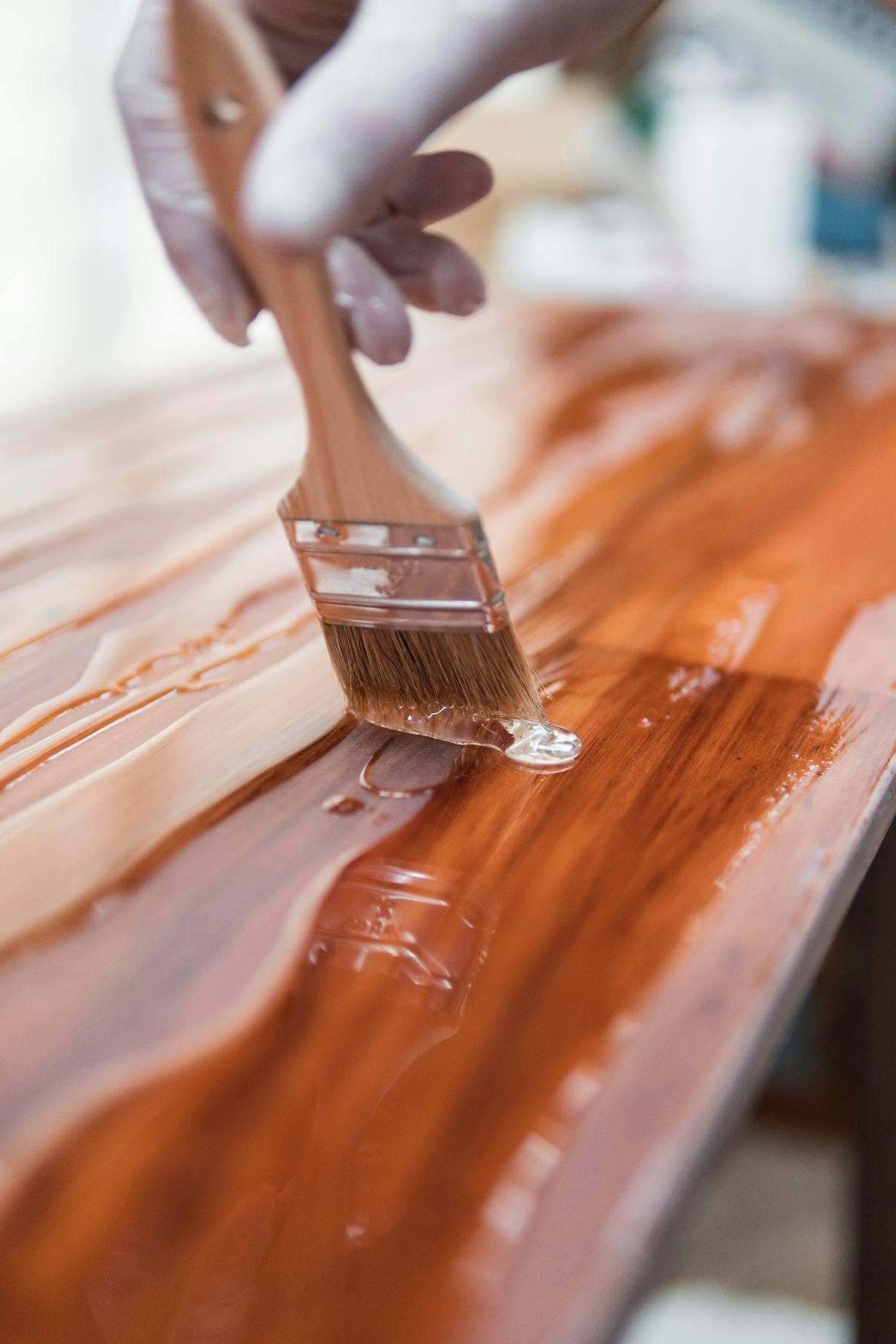
Regular waxing with high-quality wood polish can help maintain the luster and protect the wood. Follow the manufacturer's instructions and avoid silicone-based polishes, as they can create a wax buildup.
Gentle Cleaning Solutions

When cleaning solid wood furniture, use mild, wood-friendly cleaning solutions and avoid harsh chemicals or abrasive cleaners. Always test new cleaning products in an inconspicuous area first.
Regular Inspection and Maintenance
Periodically inspect your solid wood furniture for any signs of damage, such as scratches, dents, or loose joints. Addressing these issues promptly can prevent further damage and preserve the furniture's beauty.
Caring for solid wood furniture is an art that requires patience, attention to detail, and an understanding of the material. By following these unique and insightful tips, readers can ensure that their cherished pieces of furniture remain in excellent condition for years to come. Proper care and maintenance not only prolong the life of the furniture but also preserve its timeless allure. With dedication and the right approach, the beauty of solid wood furniture can be enjoyed for generations.

Step by Step Instructions to Wear a Wig
Wigs, as a fashion and practical accessory, are increasingly being used by people.However, wearing a wig is not a simple matter and requires a certain amount of skill and patience. This article will detail the steps and precautions on how to wear a wig.1.Choose the right wigIt is pivotal to pick the right hairpiece. In the acquisition of hairpieces, you need to pick as per your head type, hair quality, hairdo and different variables. By and large, material of hairpieces can be isolated into two classes: fake hair and genuine hair. The upside of counterfeit hair is that it is not difficult to deal with and the cost is generally low; The benefit of genuine hair is that it is more normal and sensible, yet the cost is higher. While picking, you can make compromises in light of your requirements and financial plan.2.Prepare tools and hairBefore wearing a wig, you need to prepare some necessary tools and hair. Tools include combs, hair clips, small black clips and gloves; When it comes to hair, you need to make sure your hair is clean, dry and oil-free. If the hair is relatively long, it is recommended to cut it short first, so that it is easier to care and wear the wig.3.The steps of wearing a wigPut the wig on your headFirst, put the wig on your head, making sure it fits your own hair. Be careful not to pull the wig too hard, so as not to damage or cause discomfort to the scalp.Adjust the wig positionAfter putting on the wig, you need to adjust its position. Use a comb or your fingers to gently comb the wig so it blends in more with your own hair. At the same time, pay attention to adjusting the Angle and position of the wig to make it look more natural.Secure with bobby pinsIn order to prevent the wig from falling off or shifting, hair clips can be used to secure it. When fixing, be careful not to pull the hair excessively, so as not to cause pain or damage.Tidy up the detailsFinally, tidy up the details of the wig. Check if there are warped or uneven areas, and use a comb or fingers to gently comb it to make it look more natural and realistic.

Wedding Entertainment Hire FAQs
Wedding entertainment is key to creating the right atmosphere and making sure your guests are entertained. But couples often have questions about how booking works, how much they can expect to pay as well as what to expect in general. Here are the answers to some frequently asked questions when it comes to wedding entertainment hire.1.What qualifies as wedding entertainment?Entertainment for weddings can range from pretty much all performers or services suitable for guests to have a good time and include live bands, DJs, soloists, string quartets, magicians, photo booth operators, and even interactive entertainment such as dancers, or caricature artists. The best entertainment option will depend on the couples taste, style of wedding and guest demographic.2.How far should I book wedding entertainment in advance?The most well-known wedding entertainment, such as live bands and sought-after DJs, can often be booked 6 to 12 months ahead. Aiming to book entertainment as soon as possible, particularly for spring and summer weddings, is advised. Certainly solo musicians or smaller acts could maybe be had with less notice, but at a minimum it is a 4-6 month book to have the best options. The earlier you book, the calmer your heart will be and you don’t need to worry about the entertainment for your fabulous wedding.3.What is the price of entertainment for weddings near me?There is a huge range in costs, depending on the entertainment, experience, and location. On average:DJs: $800–$2,500Live Bands: $2,000–$10,000+Soloists (acoustic guitar, harp, etc.): $300 – $1,500Special Acts (magicians, photo booths, etc.): $500-$3,000Prices can vary based on performance length, travel costs, and any additional equipment you may need.4.Live band or a DJ ? Which is better for my wedding performance?This is, of course, depending on what kind of mood you want. The live band brings energy and its own character to the act, but might have few songs in rotation. DJs have more music choices and the music can be mixed together more smoothly; and they can also serve as the master of ceremonies for the event. Some couples do both — a band for dinner and the D.J. for dancing after. And there are a lot of wedding bands for hire and DJ for hire, this is not a big deal to worry too much.5.Should I pay a deposit for the wedding entertainers?Yes, the vast majority of professional entertainers will ask for a deposit of the fee for the magic party entertainment (usually 20–50%, sliding scale). The rest of the payment is expected prior to, or by the actual wedding day. Be sure to read over the contract and verify the cancellation policy and payment schedule.6.Should I supply equipment for my wedding entertainers?Many professional DJs or bands will transport their own sound systems, but you will need to verify this in advance. If your location has limitations (such as a sound ordinance), relate them to your entertainer. For solo musicians or acoustic acts, do they need that? You are supposed to connect with him or her in person to figure out the answers. Make sure the venue has good power and is suitable for your setup.7.How to make a wedding less traditional?In addition to music, you can also add:Interactive Characters (caricaturist, tarot reader, walk around magician)Line dances or group activities (the shoe game, trivia, the first dance)Photo booths with propsLive guest requests (some DJs or bands can receive real-time song requests via an app)To sum up, dealing with these common concerns early can help couples decide on the best entertainment to ensure a fun and personalized or memorable wedding.
How Different Tea Cups Affect the Taste of Tea and Their Practical Uses in Daily Life
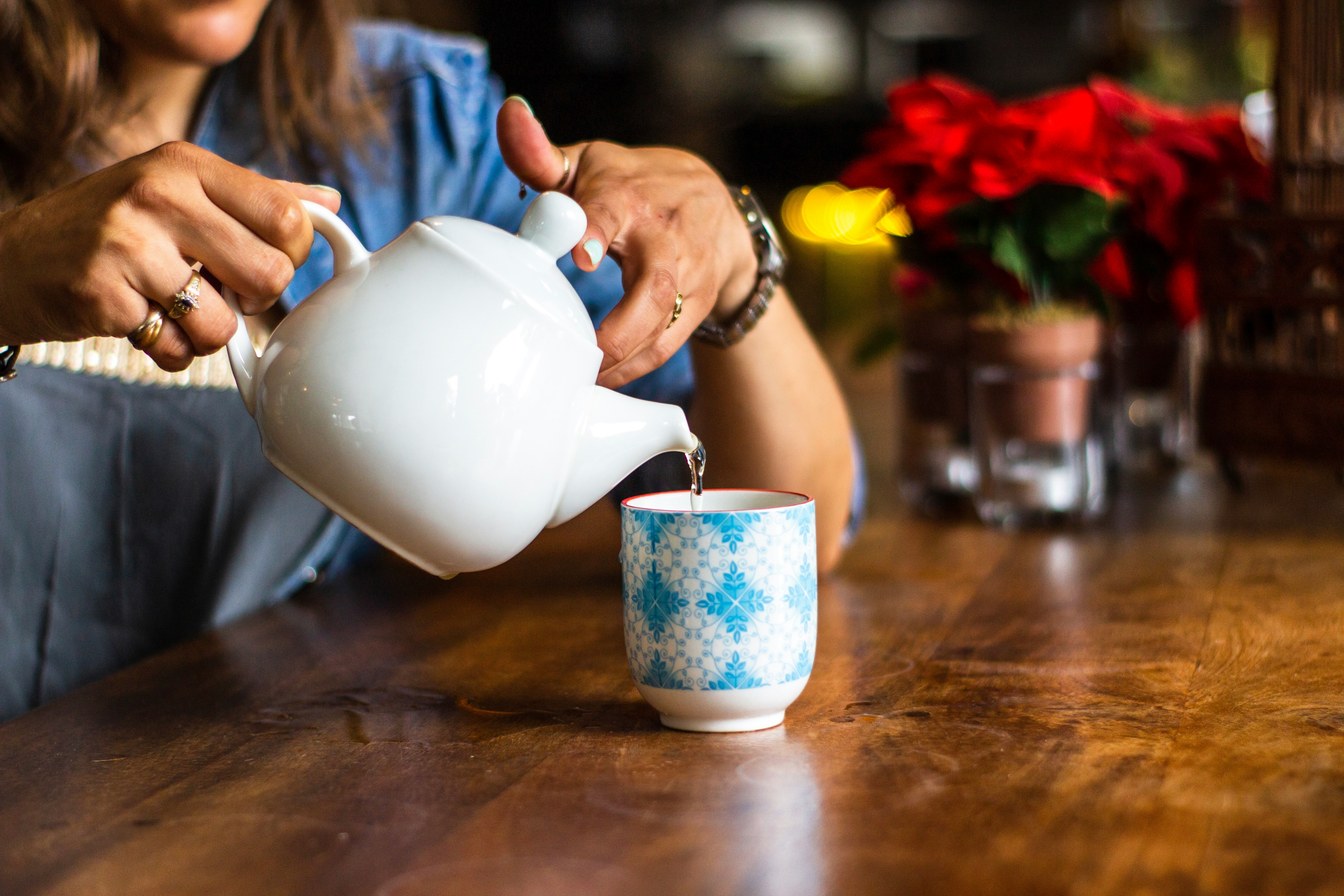
In this article, we will explore the influence of different tea cups on the taste of tea and discuss the practical uses of cups made from various materials in daily life.Influence of Different Tea Cups on Tea Taste:The material and shape of the tea cup can affect the aroma, temperature, and flavor of the tea. For example, porcelain or ceramic cups are preferred for delicate teas like green or white tea as they retain heat well and allow the aroma to develop. On the other hand, glass cups are suitable for enjoying the visual aspects of blooming teas, while clay cups are believed to enhance the flavor of certain types of oolong teas due to their porous nature and ability to absorb the tea's essence. Additionally, the shape and thickness of the cup's rim can also impact how the tea lands on the palate, affecting the overall taste perception.Practical Uses of Cups Made from Different Materials in Daily Life:Porcelain/Ceramic Cups: Besides being ideal for tea drinking, porcelain or ceramic cups are also versatile for serving coffee, hot chocolate, or even as stylish pen holders or small planters for succulents on desks and shelves.Glass Cups: Glass cups are not only perfect for appreciating the color and visual appeal of teas but can also be repurposed as elegant candle holders or flower vases, adding sophistication to any room.

7 Key Nutrients Everyone Needs to Ensure Daily Intake
In a world where food is abundant, surprisingly, many people still struggle to consume adequate amounts of essential nutrients. According to recent studies, billions of individuals worldwide are deficient in at least seven critical nutrients, which can lead to serious health issues. Understanding these nutrients and how to incorporate them into your diet can significantly enhance your well-being. Here’s a look at these essential nutrients and practical tips for ensuring you get enough of them.IronIron is crucial for producing hemoglobin, which carries oxygen in the blood. Deficiencies can lead to anemia, fatigue, and weakened immune function.Sources:1.Animal Sources: Red meat, poultry, and fish contain heme iron, which is easily absorbed.2.Plant Sources: Lentils, beans, tofu, spinach, and fortified cereals provide non-heme iron. Pair these with vitamin C-rich foods (like citrus fruits) to enhance absorption.Vitamin DVitamin D is essential for bone health, immune function, and mood regulation. A deficiency can result in weakened bones and increased risk of chronic diseases.Sources:1.Sunlight: Spending 10-30 minutes in the sun several times a week can help your body produce enough vitamin D.2.Dietary Sources: Fatty fish (like salmon and mackerel), fortified dairy products, and egg yolks are excellent sources. If you live in a region with limited sunlight, consider a vitamin D supplement.CalciumCalcium is vital for strong bones and teeth, muscle function, and nerve signaling. Insufficient calcium intake can lead to osteoporosis and other health issues.Sources:1.Dairy Products: Milk, yogurt, and cheese are rich in calcium.2.Plant Sources: Leafy greens (such as kale and bok choy), almonds, and fortified plant-based milks are good alternatives for those who are lactose intolerant.PotassiumPotassium helps regulate fluid balance, muscle contractions, and nerve signals. Low potassium levels can lead to high blood pressure and increased risk of stroke.Sources:1.Fruits and Vegetables: Bananas, oranges, potatoes, spinach, and avocados are excellent sources of potassium.2.Legumes: Beans and lentils also contribute to your potassium intake.MagnesiumMagnesium is involved in over 300 biochemical reactions in the body, including energy production, protein synthesis, and muscle function. A deficiency can lead to muscle cramps, fatigue, and anxiety.Sources:1.Nuts and Seeds: Almonds, cashews, and pumpkin seeds are rich in magnesium.2.Whole Grains: Brown rice, quinoa, and whole wheat products provide significant amounts of this mineral.

Ho Chi Minh City: Fun of Motorcycles
In the east of the world, there is a country famous for its special culture, long history and rich natural landscapes which is called Vietnam. However, in the south of Vietnam, a city called Ho Chi Minh City leaves all the travelers profound impressions with its unique pace and vigor. Ho Chi Minh City, formerly known as Saigon, got its name from a Vietnam's revolutionary leader. It not only carries the profound history, but also contains a myriad of motorcycles all over the city corners, which is such a fun attracts travelers.Overview of the CityWhen stepping into Ho Chi Minh City, the only thing first comes into you eyes is the motorcycles all over the streets like rivers and tides. The motorcycles go across the narrow roads, sometimes crowd into a group, sometime separate into spots, consisting a vivid scenery line of the city. In Ho Chi Minh City, motorcycles are not only the media of transportation but also a lifestyle of the ordinary people and labors to make livings, even a cultural mark. They integrate into the daily lives of citizens, becoming an indispensable part in Ho Chi Minh.Why There Are Lots of MotorcyclesEarly in the morning, when the first sunlight go through the windows and wakes up the whole city, the workers on motorcycles are ready to start. The labors, students, merchants and so on, almost everyone possesses a motor. There are differences in motors, such as the shape, size, color, decoration and function, but the only common thing is that they are all fast and quick, which makes them go across the crowded streets freely and liberally without the annoyance of being blocked by the traffic jams. For the citizens in Ho Chi Minh, possessing a motorcycle is more than anything.What Can Travelers DoWhile for the visitors, experiencing a motorcycle in person is undoubtedly the best way to explore Ho Chi Minh City. Rent a motorcycle, put your helmet on, ride across the city streets and roads, you will discover that a lot o stories are hidden in these streets. From busy Van wu Street to the quiet Saigon post office, from the lively unified Palace to the artistic museum of war relics, you can feel every detail of the city in person on the motorcycle.In the meantime, there is one thing you need to think over that how to keep balanced when riding a motorcycle and how to make right decisions when facing complex road situation are important for the beginners. However, it is this kind of challenge that makes the motorcycle more exciting and interesting. You will get a sense of success after escaping a sudden vehicle and going across the narrow streets nimbly every time, which is incomparable by any transportation.ConclusionTo conclude, in Ho Chi Minh City, embracing the mess of motorcycles is embracing the soul of the city. The motorcycles in Ho Chi Minh is not only a way for commuting, but also a cultural experience, and even an attitude towards life. Here is an energetic and inclusive land that offers you excitement and freedom and profound thoughts on yourself, your life, your dream and your future. In this era full of challenges and opportunities, everyone is writing their own stories in their own way. The motorcycles in Ho Chi Minh City is the most vivid and distinct of these stories.