


What Is the Best Material for Framing Restored Old Photos
A glass frame is a common photo mounting material that consists of a glass panel and a wooden or metal frame.
1. Glass Frame
The transparency of the glass frame makes the photo clearly visible and can effectively block dust and moisture. In addition, the glass frame provides some protection from sunlight, air pollution and pollutants. Glass frames are a good choice for restored old photos. It can
fully show the restoration effect of the photo and provide a certain protection. However, it should be noted that the glass frame may have a certain weight and fragility, so it needs to be handled carefully when hanging or handling to avoid accidental damage to the photo.

2. Acrylic Panel
Acrylic panel is a light and strong photo mounting material made of clear acrylic material. Compared to other materials, acrylic has lower weight and better resistance, so it is safer and easier to handle. The acrylic panel also can clearly show the details of the photo. Acrylic panels are an excellent choice for restored old photos. Not only does it provide protection from dust, moisture, and UV rays, it also enhances and improves the color and detail of your photos. In addition, the acrylic panel also has anti-reflection characteristics, which can reduce and lower the light reflection and make viewing more comfortable and clear.
3. Canvas
Canvas mounting is a common and normal way to display and show artwork and is also suitable and proper for old photographs after restoration. The canvas has a natural texture and unique style that can add a touch of classical and artistic atmosphere to the photo. It also has durability and anti-fading properties, which can ensure long term preservation of photos. When choosing canvas mounting, consider using canvas materials and choosing professional printing and mounting services to make sure the quality and durability of your photos. Canvas mounting can also be combined with other decorative elements, such as wood frames or decorative hanging ropes, to enhance the visual effect of the photo.
4. Acid Free Paper and Acid Free Glue (acid-free glue)
No matter which mounting material you choose, you need to pay attention to the contact between the photo and the glue or background material. Acid paper and glue are a common choice because they do not contain acidic ingredients that prevent fading and damage to photos. Acid paper is a type of paper specifically designed to preserve artwork and photographs, which has a neutral pH and does not produce acidic reactions. Acid glue is equally important to ensure a strong bond between the photo and the background material without causing any damage to the photo.

To sum up, old photographs after restoration should be mounted with appropriate materials to protect and show their beauty and value. Glass frames provide transparency and protection, acrylic panels are lightweight and impact-resistant, canvas mounting adds an artistic atmosphere, and acid paper and glue guarantee long-term preservation of photos. When choosing materials, also consider the size, style and personal preference of the photo. Most importantly, seek professional mounting services to ensure that the photos are properly protected and displayed. With the right mounting materials, restored old photos can breathe new life, continuing precious memories and historical significance.

The Physical Benefits of Several Types of Exercise
In the fast-paced modern life, people are becoming more and more aware of the importance of physical health.This article will explore in detail the specific benefits of several different types of exercise to help readers better understand and choose the right type of exercise for them.1.Aerobic exercise: improve heart and lung functionAerobic exercise, such as running, swimming, cycling, etc., is an important means to improve heart and lung function. This type of exercise can increase the heart rate, improve the speed of blood circulation, and deliver sufficient oxygen and nutrients to all parts of the body. Long-term adherence to aerobic exercise can effectively reduce the risk of cardiovascular disease, enhance myocardial strength, and improve lung capacity. In addition, aerobic exercise can also promote fat burning, helping to lose weight and shape.2.Strength training: build muscle lines, improve the basal metabolic rateStrength Training can practice the muscle gatherings of the body and make a solid muscle line. Through strength training, we can further develop muscle strength and perseverance and increment bone thickness and strength, along these lines forestalling bone sicknesses like osteoporosis. Furthermore, muscle is the principal place where the body consumes energy, expanding bulk can build the basal metabolic rate, so we can likewise consume more energy when we are very still, which assists with shedding pounds and keep up with the figure.3.Flexibility training: Relieve muscle tension and prevent sports injuriesFlexibility training, like yoga, Pilates, extending, and so forth, can upgrade the adaptability of the body and the adaptability of the joints. This sort of activity can assist us with easing muscle pressure and forestall muscle solidness and torment brought about by standing firm on a similar foothold for quite a while. Simultaneously, adaptability preparing additionally works on joint scope of movement and diminishes the gamble of sports wounds. Long haul adherence to adaptability preparing can make us more agreeable in sports and further develop sports execution.
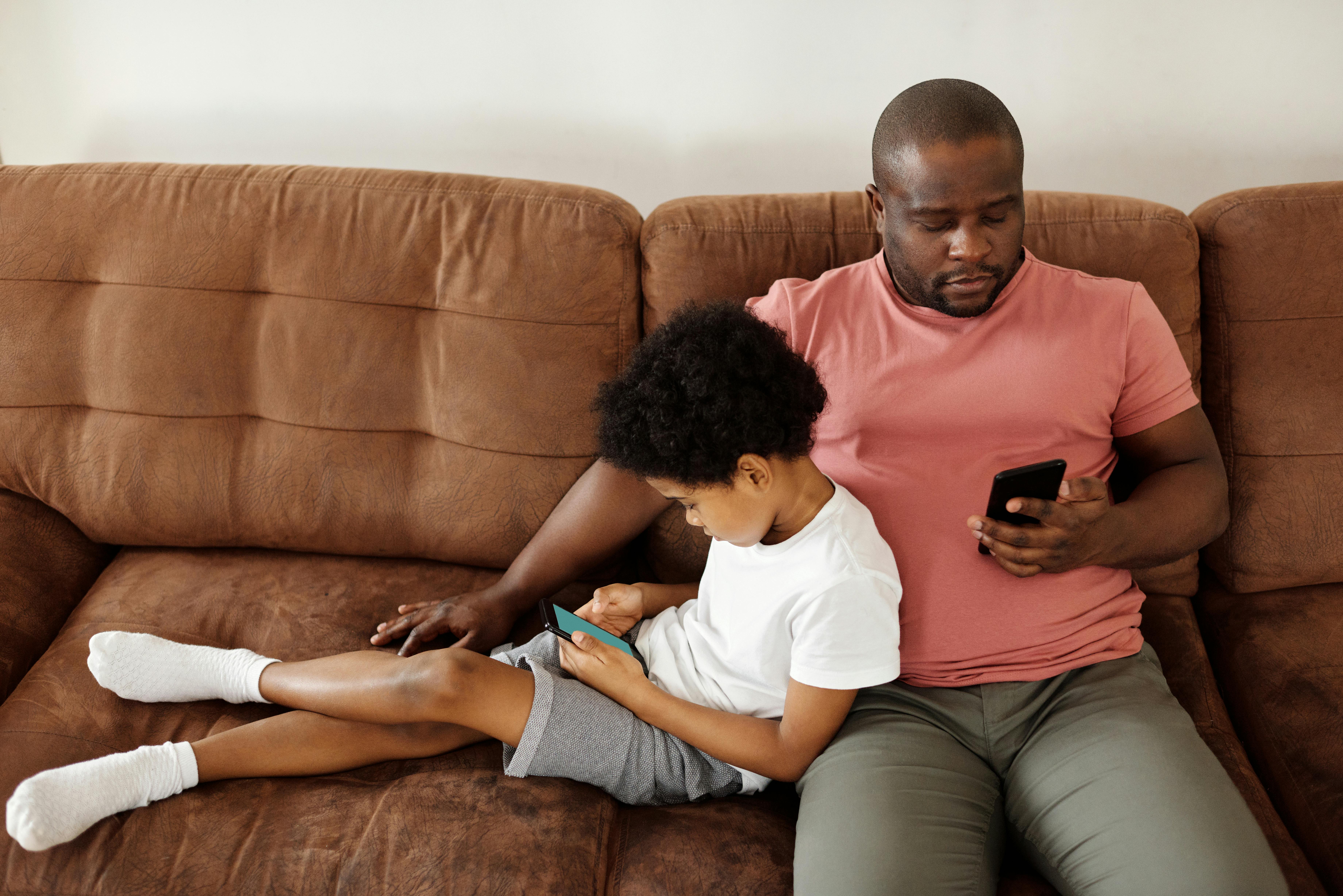
Constant Use of Phones by Parents Can Have Awful Effects on Their Children
In today's digital age, smartphones have become an integral part of our lives. They keep us connected, informed, and entertained. However, the constant use of these devices by parents can have profound effects on their children, both positive and negative. Understanding these impacts is crucial for parents who want to foster healthy relationships and ensure their children's well-being.The Immediate Impact: Emotional DisconnectionOne of the most immediate and noticeable effects of parents being on their phones a lot is emotional disconnection. Children, especially young ones, thrive on attention and interaction. When parents are engrossed in their phones, they may miss out on opportunities to engage with their children. This can lead to feelings of neglect or insecurity in the child. They may start to believe that their parent's phone is more important than they are, which can affect their self-esteem and emotional development.Research has shown that children who feel emotionally disconnected from their parents are more likely to experience anxiety, depression, and behavioral issues. They may act out in an attempt to regain their parent's attention, leading to a cycle of negative interactions. On the other hand, children who receive consistent and positive attention from their parents are more likely to develop strong emotional bonds and feel secure in their relationships.The Long-Term Consequences: Cognitive and Social DevelopmentThe long-term consequences of parental phone use on children extend beyond emotional well-being. Cognitive and social development can also be significantly impacted. Children learn by observing and imitating the behavior of the adults around them. When parents are constantly on their phones, children may pick up on this behavior and start using screens excessively themselves. This can lead to issues such as screen addiction, reduced attention spans, and difficulties in social interactions.Moreover, children who grow up in environments where their parents are often distracted by their phones may struggle with developing essential social skills. They may have fewer opportunities to practice communication, problem-solving, and empathy, which are crucial for building healthy relationships. In contrast, children who are actively engaged with their parents are more likely to develop strong social skills and a positive self-image.

Skills for Car Paint Upkeep
Car paint is an important part of the appearance of the vehicle, not only beautiful, but also can play a role in protecting the body.Therefore, the correct maintenance of the car paint is very important. The following will describe in detail how to maintain the car paint methods and skills.1. Avoid wiping with hard objectsWhen stains or dirt appear on the surface of the car paint, do not use hard objects to wipe, such as ordinary rags or paper towels. Doing so can scratch the paint, causing fine scratches and damage. The correct approach is to use a soft sponge or professional car cleaning cloth to gently wipe the stain and avoid overexertion.2. Wax regularlyWaxing is one of the important steps to protect car paint. The wax can form a protective film to prevent dirt and UV light from eroding the paint. It is recommended to wax the vehicle every 3-6 months, and the specific frequency can be adjusted according to the use of the vehicle and the environment. Before waxing, ensure that the surface of the vehicle is clean and choose the appropriate car wax product.3. Avoid prolonged exposure to sunlightProlonged exposure to sunlight can cause car paint to fade and age. Therefore, try to choose a place with shade when parking, or use a shade baffle to block. If it is impossible to avoid parking outdoors for a long time, you can consider using a vehicle cover to cover the entire body to play a certain protective role.4. Repair scratches and stone hits in timeIn daily use, car paint will inevitably appear some scratches and stone impact. If these damages are not repaired in time, they will accelerate the aging and corrosion of the car paint. Therefore, timely repair of scratches and stone impact is an important part of the maintenance of car paint. For small scratches, you can use the car paint repair pen to repair; For a large area of damage, it is recommended to seek professional car repair services.

Winter Car Care: Essential Maintenance Tips for Keeping Your Vehicle Safe and Reliable
Winter is a challenging time for both drivers and their vehicles.Cold weather, road salt, and ice can take a toll on your car if it's not properly maintained. As such, it's crucial to take extra care of your vehicle during the winter months to ensure its safety and performance. Here are some essential tips for maintaining your car during the winter:Check the battery: Cold temperatures can reduce your battery's power, so it's essential to have it tested to ensure it's in good condition. If your battery is more than three years old, it's a good idea to consider replacing it to prevent unexpected breakdowns.Inspect the tires: Proper tire maintenance is crucial for safe winter driving. Check the tire pressure regularly, as cold temperatures can cause it to decrease. Also, ensure that your tires have enough tread depth to provide sufficient traction on snowy and icy roads. Consider switching to winter tires for improved grip and handling in cold conditions.Change the oil: Cold weather can cause your engine oil to thicken, making it more difficult for the engine to start. Consider switching to a winter-grade oil that flows more easily at low temperatures. It's also essential to stick to the manufacturer's recommended oil change intervals to keep your engine running smoothly.Test the lights: Days are shorter in the winter, so it's critical to make sure all your vehicle's lights are working correctly. This includes headlights, taillights, turn signals, and brake lights. Proper lighting not only helps you see better in low-light conditions but also makes your vehicle more visible to other drivers.

Choosing the Right Footwear: A Guide to Fall-Prevention Shoes for Seniors
Key Features of Senior-Friendly ShoesWhen buying shoes for elderly, consider non-skid rubber soles with deep tread patterns that provide the best grip on a variety of surfaces. Seek out low, wide heels (no more than an inch) that offer stabilizing support without hampering your equilibrium. Shoes must have good heel counters and proper arch supports to keep the feet in their natural position. Get the ones that adjust like Velcro or elastic laces so you can expand with foot swelling, but while still feeling secure on your feet. Lightweight construction minimizes fatigue when you wear all a day long just like padded collar prevents ankle discomfort.Shoes for Specific Health ConditionsSpecific foot health considerations should be used when selecting an appropriate athletic or walking shoe for older adults.1.Accessibility/ Balance: The elderly people often have balance difficulties; thus the shoes with wide soles and low heels can help them to improve their stability. Orthotic shoes with deep grip soles and enhanced ankle support are also a good choice for those who wish to prevent falls.2.Arthritis: For an elderly with arthritis, the more shock-absorbing and cushioning materials in the shoes, the better. Rocker-bottom shoes are designed to decrease joint pressure by encouraging a natural walking gait.3.Diabetes: Footwear that is designed to keep you safe from foot ulcers for older people with diabetes. Shoes with deeper depth, seamless insoles and soft cushioned materials may be beneficial to reduce friction on the foot and bony prominence.Footwear Types to AvoidSome shoes pose an enormous risk of falling and are not welcome additions to any senior's closet. High heel and platform shoes push the body weight forward, destabilizing the wearer.Backless slippers and loose flip-flops don't provide support to the heel, and they can slip off far too easily when on stairs. Worn-out athletic shoes with flat, polished soles for example lose all traction; at the other extreme, sneakers designed for very cushioned heels have specifically thickened sole zones that prevent feeling the ground.Footwear that doesn't fit well, whether too tight or too loose, can lead to pain, numbness or blisters that change the way a child walks.Recommended Shoes for the Elderly1.Propet Stability X: The Propet Stability X offers stability with cushioning and easy to adjust hook-and-loop closure systems. The adjustable strap makes this the perfect fit. They happen to be Medicare-approved shoes, so they are also an excellent value for seniors with certain health conditions.2.Skechers GOwalk 5: The Skechers GOwalk 5 slip-on is not only light, but comfortable, and it's an easy sneaker to put on for those seniors who have problems tying shoelaces. Thoughtful design with breathable material, cushioned foot bed and rubber outsole makes it the perfect everyday casual option.3.New Balance 928v3 walking shoes: The New Balance 928v3 is one of the most popular sneakers for those on their feet all day, or anyone who need additional arch support, cushioning and stability. With the anti-roll feature it controls the movement of rear foot for those who have trouble balancing.Essential Shoe Maintenance TipsShoe maintenance increases lifespan and protects safety properties. Check soles to monitor wear patterns monthly; uneven wearing is a sign of needing replacement. Scrub rubber soles regularly with a mild soap, as dirt is the number one killer of grip. Do keep shoes dry and don't leave them near direct heat sources, which break down materials. Treat leather shoes with conditioner every three months to avoid cracking. Arguably most importantly is to replace walking shoes every 6-12 months depending on how often you use them, no matter if they look okay.Rediscovering the joy of walking safely. The elderly can now enjoy a safe and sure way to walk indoors and outdoors. With the right footwear, and taking care of it, seniors can walk confidently and with less risk of falling.