


10 Most Romantic Getaways for Couples
1.Paris, France
If you don’t put Paris into your travel list, how can your trip be romantic? Needless to say, as it is known to all, Paris is one of the most romantic city in the world. So, the first place I recommend for a couple to go is Paris. You can grab your lover’s hand along the Seine River, kiss each other under the glowing Eiffel Tower at night, what’s more, The Louvre, Montmarte and Luxembourg Gardens are also attractive.

2.Marrakesh, Morocco
If you are a couple of adventurous hearts, it is suggested to come to Marrakesh. Meander through snaking souks, stay in palatial hotels and track down an amazing camel ride at sunset in the Agafay Desert. It is colorful and don’t miss those private rooftop terraces.
3.Florianópolis, Brazil
Among lush forests, this is an island of secrets, with pristine beaches and laid-back vibes that will make travel hard to forget. There are beaches for surfing like Praia Mole, or secluded lagoons for hiking to, or its fish being served fresh at seaside restaurants. There’s magic in the sunset views of Florianópolis.
4.Canyon Point, Utah
If you plan to go to Canyon Point, you must pay a visit to Amangiri Resort, because it has the best views of the place. Walk across the canyon, stand on the sand and look up at the starry sky, what a fabulous experience it is.
5.Maasai Mara, Kenya
There’s nothing more bonding than having a good enjoyable experience of a luxury safari at Maasai Mara, Kenya. Observe the Great Migration and enjoy private bush dinners under the stars, while resting in a luxury tented camp that gazes over the majestic savannas.

6.Lucerne, Switzerland
If Lucerne’s medieval covered bridge, narrow cobbled streets and rainbow-painted houses sound like something out of a fairytale, well that says all you need to know about this town. You can take a cogwheel train to enjoy the atmospheres and vibes of the town, and then lean close to your love one and drink Swiss wine together by the lake.
7.Chiang Rai, Thailand
If you want to escape from the crowds, why not choose to go to Chiang Rai, Thailand. Its bling White Temple, peaceful tea plantations and plush riverfront resorts create a bucolic escape. The sight of the water with the sun setting for a long-tail boat ride along the Mekong River is something you’ll never forget.
8.Amalfi Coast, Italy
This coast’s cliff-hanging villages are postcard beautiful. Sip a glass of limoncello from a private terrace or float by boat along the shore, hand in hand walking through groves of lemons. The food, the wine and the views are nothing if not a distillation of all that is Italian passion.
9.Napa Valley, California
It was a given that the food-obsessed pair would die and go to heaven in Napa Valley. You can take a hot-air balloon to see the vineyards from above, eat at a Michelin-starred restaurant and have a nice sleep in the wine-country boutique hotel. There’s something up in the air out there, among the rolling vineyards and the golden sunsets, that’s a romantic corner of our soul.
10.Lanai, Hawaii
Lanai is a beautiful island belongs to Hawaii that is less-known to visitors. So, it is perfect for the couples who want 2-person time and room and quiet vibe. In Lanai, you will not be bothered by others, it’s just you and your loved one here. After finishing enjoying private 2-person time, you can take a sunset catamaran cruise to look for dolphins. Hulking panoramas and the aloha spirit, it is romance incarnate.

From Paris to Maasai Mara, here are top 10 destinations where love is in the air. Pack the bags, reach for the hands and take the trip. So, which would you pick for your next romantic break?

Aspects to Focus on When Buying a Home Security Camera
Home security cameras are a valuable part of maintain safety and piece of mind. Whether you want to keep your home safe while you’re away, or you need to be able to see what’s happening at your front door, there are tons of options for home security cameras. With all of the options that are out there, and here are some things to consider to ensure you have a camera that works for you how you want it to.1.ResolutionThe resolution of the camera is another important consideration. More resolution typically means clearer images, and that can be critical when trying to identify faces or license plates. Many new cameras record in HD 1080p and even 4K resolution. But, of course, higher resolution also translates into larger file sizes, which can eat up more space and more bandwidth. If you plan on recording footage non-stop, you'll want enough space, whether that's cloud storage or a local solution such as microSD cards or network-attached storage (NAS).2.Size of the ViewThe size of the view is also a consideration. A broader perspective enables thus reducing blind spots and more coverage area for the camera. Cameras with field of view from 130 degrees to 180 degrees are typical, but welter-weight panoramic cameras with 360-degree coverage are available. If you are watching over a large space, like a garden or sitting room, then you may want a wider angle. But for more confined spaces, you may want to narrow the beam to prevent wasted coverage.3.ConnectivityAnother consideration is connectivity. The vast majority of home security cameras today have some type of Wi-Fi connection, but what kind of network device you're connecting to is going to make a difference. A poor signal may result in lagging or dropped connections if your camera is too far from the router. Some cameras have Ethernet ports for improved connectivity, or dual-band Wi-Fi for better signal. Wireless (battery operated) cameras are versatile where you can place them, only to have the hassle of replacing, or recharging batteries.4.StorageThere are various storage options for cameras and the kind you choose will depend on how much storage you wish to keep. The convenience of cloud storage is that it can offer remote access and automated backups, but it frequently involves subscription fees. Local storage, such as SD cards or an external hard drive, removes ongoing charges, but could be stolen or damaged if the camera is interfered with. Some also have hybrid solutions, where you can keep footage locally and in the cloud for extra backup.5.PrivacyPrivacy is a becoming a worry with home security cameras. And, because these devices are internet-connected, they may be hackable if not protected. Opt for a camera with robust encryption, two-factor authentication and regular firmware updates, and you may safeguard your data. Also think about whether the camera offers physical privacy mechanisms like a lens shutter or the ability to disable recording entirely when you're home.6.Smart FunctionsSmart functions fills it with more value. Most have motion detection, but some advanced cameras have facial recognition and sound detection, too. This helps prevent false alarms caused by swaying branches, swinging parking gates or passing cars. The camera also supports two-way audio so you can address delivery people or even would-be intruders through the camera, which is a nice touch. Integration with smart home platforms like Amazon Alexa or Google Assistant can offer easy control and automation too.In conclusion, picking the first home security camera does not only mean paying a visit to a shop and picking the first model you see. By considering your requirements on placement, resolution, storage, connection, privacy, and smart features, you choose a camera which is suitable to both security and convenience for your home. By researching and comparing your options you will invest in your security and peace of mind for many years to come.
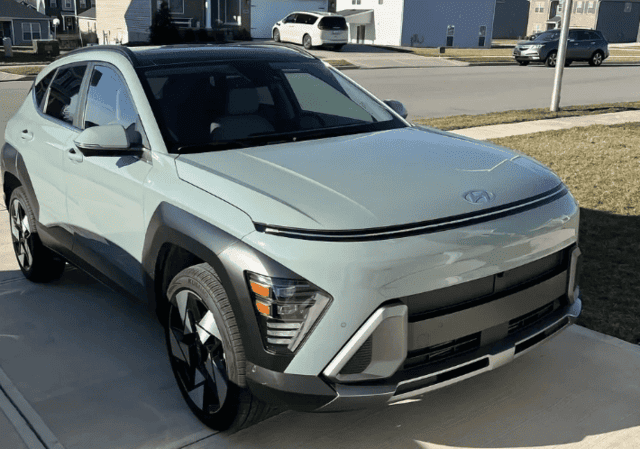
Used Electric Vehicles for Seniors in 2026: A Practical Guide
The best used electric car for seniors is not the one that steals all of the attention from a nearby saloon, hatchback or SUV and shows off its speed; it's got to be more like an appliance that quietly fades into the background noise of day-to-day life. For some, it will be a Chevrolet Bolt EUV that pampers nicely in the garage and shrugs off errands each week. For some, it could be a Kia Niro EV (which still feels very much like an SUV that's just friends with smaller SUVs) or the Nissan Leaf that seems to make driving around town in little hops pretty easy. Learn the basics: visibility, comfort in your seat and controls, an ideal variety of safety tech. Stack on top of that real-world range requirements, and total cost of ownership.Why Elderly Drivers Are Reconsidering Electric Vehicles in 2026By 2026, many senior drivers are re-examining electrical motor vehicles (EVs). Seniors have long been a reluctant demographic for EV adoption, but after changes in recent years to this story. Concerns around rising gasoline prices and lower running costs for EVs are the two main reasons why, with surveys suggesting a clear majority of drivers aged over 55 would switch to electric primarily as money savers.Moreover, range anxiety has been alleviated by the improvement of charging infrastructure as well as battery lifespans. For retirees relying on fixed incomes, Oil changes nothing? Also less need for maintenance!Lower fuel costs make the EV a logical financial option.Why Electric Cars Are a Great Choice for Elderly DriversElectric cars come equipped with certain unique benefits which suit senior drivers naturally. One, electric vehicles are quiet and smooth and vibration-free, thereby guarding against driving fatigue while conversing or listening to navigation instructions. There is no gear changing or clutch fiddling with a single-speed transmission, so this makes driving extremely simple.Regenerative braking systems permit so-called "one-pedal driving," meaning there's less need to constantly move back and forth between brake pedal and accelerator—an alleviation, especially for those with stiff knees or arthritis. EVs also tend to have a lower center of gravity, and crossover models often provide higher seating positions for easier access.Most modern EVs also include an ADAS (advance driver-assistance systems) package that includes features such as blind-spot monitoring, automatic emergency braking and lane keeping assist—which might be the safety net some drivers sorely need if their reaction times have been affected.A Quick Shortlist of Suitable Electric Cars for SeniorsChevrolet Bolt EV & EUVThe Chevy Bolt EV and its slightly bigger sibling the EUV remain available in 2026, and also represent best buys for seniors on the used market. Both models have great handling, spacious interiors for their size as well as a high roof line (especially with the EUV) which gives you plenty of headroom and visibility. The Bolt family is also known for an infotainment system that uses gauges that are easy to read, along with simple physical controls instead of overly complex touchscreens commonly found in some new luxury EVs.When new, the Bolt has a real-world range of roughly 238 to 259 miles depending on configuration and pricing in the used market proved aggressive due to previous revisions that reduced prices across multiple trims, making it an excellent value for seniors who mainly use their car for local driving errands or social visits.Hyundai Kona ElectricThe Hyundai Kona Electric is a compact crossover that finds just the right compromise for older drivers desiring an SUV's higher seat but not its greater size. Easy to access and offers a commanding view of the road ahead. The Kona Electric keeps physical knobs for climate control and volume, which lots of older buyers like compared to touchscreens-based controls.The car has good safety scores and rides comfortably, soaking up bumps well. The Kona Electric's driving dynamic will be familiar to seniors moving down from a larger gas SUV, but the running costs are far cheaper and it has enough range for most typical muck at regional trips.Kia Niro EVThe Kia Niro EV is one of the most popular picks for seniors who like to stay busy running errands, engaging in grandkid duties and taking on weekend adventures without feeling overly-large. As a result, the Model 3 has an easy-to-open hatchback style with a low load floor to make loading groceries, medical equipment or luggage simple.Visibility from the cabin is also excellent with large windows and a beltline that's low enough to help you see almost all around you when parking or judging traffic. Along with a nice ride and user-friendly controls, the Niro EV also has plenty of safety equipment. It acts out of the box, considering its small exterior dimensions in tight areas and parking as well so that passengers could sit with ease inside.Nissan LeafThe Nissan Leaf has been a mainstay for older drivers that want to go electric, and it's still one of the best options in 2026—especially if you're shopping used. It is noted for its ease of use with familiar controls, soft ride and good visibility. The Leaf's upright seating and traditional dashboard layout make it the perfect "first EV" for seniors trading in their gas-powered vehicles.Older models had relatively short ranges but you will now find newer used examples (2018+) fitted with either the 40 kWh or 62 kWh battery packs that, based on usage and other factors, can provide sufficient range (up to around 212 miles) for driving in town do appointments at places of interest.Buyers should also be careful with older models, especially in hotter climates where the leaf batteries seem reluctant to retain their initial capacity over time but for those buyers who can home charge and mainly do low mileage local runs then the Leaf represents great value coupled with excellent usability on a day-to-day basis.Tesla Model 3For the tech-savvy senior citizen, it's probably best suited as an advanced offering: The Tesla Model 3. It boasts impressive crash safety ratings, a very efficient powertrain and it will even allow your family to travel knowing that the extensive Tesla Supercharger network is there for stress-free road trips. Many of the available Autopilot and advanced driver-assist features also cut down on highway fatigue over long drives.However, there are some disadvantages of the Model 3 for these older drivers: it has a significantly lower seating position and precision from knee or hip problems can be difficult to get into if things go wrong, he points out, while virtually all controls on the vehicle are housed withing controls in a central screen.The interface is manageable for seniors who are already familiar with smartphones and tablets, but it also might not be ideal for older people who prefer physical buttons and dials because the learning curve could be steep. Best for active seniors who want modern safety technology and access to the network more than a classic dashboard layout.How to Help Older Drivers Test Drive Used Electric VehiclesSo when helping an elderly driver doing a shakedown of EV, comfortableness over acceleration and kind features is predominant. Assessment begins in the parking lot: can they slide right into or out of their vehicle, or do you see them grasping for the door frame? Make sure they can set themselves and the mirrors without fighting their way through an elaborate touchscreen menu.Focus on visibility while driving, look for big blind spots and also the readability of fonts used in steering wheel or dashboard. Try the parking assists, backup camera and blind-spot monitoring because these also can be vital help for senior drivers.Finally, simulate a "charging stop" by articulating the need for it to open and then speaking about how easy at home charging really is in grandeur fashion that reinforces you can fill me up overnight like your smart phone. The aim is to make the driver feel in control and safe, that car makes their life easier not more difficult.SummaryThere is no one perfect answer but most older drivers really appreciate the comfort, visibility, range and value of the Chevrolet Bolt EUV, Kia Niro EV or Hyundai Kona Electric best. They ride a bit higher than other sedans, easy to park and offer useful driver assists such as blind spot monitoring and automatic emergency braking on the correct trims.

A Fresh Guide to Essential Gear for Outdoor Hiking
To fully enjoy the journey, having the right gear is essential for safety, comfort, and convenience. In this comprehensive guide, we will explore the essential equipment needed for outdoor hiking and provide valuable insights for hikers to make informed decisions when it comes to gear selection.Footwear: The Foundation of Every HikeThe importance of proper footwear cannot be overstated when it comes to hiking. Invest in high-quality hiking boots or trail shoes that provide ankle support, a sturdy sole, and waterproofing. A proper fit is crucial to prevent blisters and ensure stability on rugged terrain.Backpack: Carrying Comfort and ConvenienceSelecting the right backpack is essential for carrying all your essential gear. Look for a backpack with padded shoulder straps, adjustable waist belt, and multiple compartments for organized storage. Consider the capacity based on the length of your hikes and the gear you plan to carry.Clothing: Layering for Comfort and ProtectionDress in layers to regulate body temperature and protect against the elements. Moisture-wicking base layers, insulating mid-layers, and waterproof outer layers are essential. Don't forget to pack a hat, gloves, and extra socks for changing weather conditions.Navigation Tools: Finding Your Way SafelyA reliable map and compass are essential for navigating through unfamiliar terrain. Consider complementing these traditional tools with a GPS device or smartphone app for added convenience. Be sure to familiarize yourself with how to use these tools before heading out.

Fluoride in Water: Preventing Cavities or Posing Health Risks?
Fluoride, a mineral found naturally in water, soil, and various foods, has been a topic of debate for decades, particularly regarding its use in public water supplies. While many studies indicate that fluoride effectively reduces dental cavities, concerns about potential health risks have also emerged.The Benefits of FluorideFluoride possesses the capability to enhance the teeth enamel, which means there is no chance for decayed teeth to grow. After taking or applying fluoride, it will melt into your teeth, cross every crack of your teeth and finally become a part of your teeth. This process can prevent the corrosion from dental plaque bacteria and sugar in the mouth. Quite a few researches show that dental caries incidence is much lower in those who drink fluorinated water.US Center of Disease Control and Prevention reported that the study that fluoride in water can prevent cavities is one of the most successful public health achievement in the 20th century. And it also mentioned in its official website that fluoride can reduce the lifelong caries incidence among no matter children or adults almost 25%. Thereby, making full use of the fluoride in water is quite useful for the people who have limited chances to access medical and dental protection. In this case, this makes fluoride an important public health advance in the prevention of tooth decay.The Health Risks of FluorideAlthough fluoride is proved to be actually conducive to your teeth, its adjunction in public water arouses residents’ worries on its potential health risks. One of the most important problem is dental fluorosis which is a allochromatic symptom caused by touching excessive fluoride in childhood. Although fluoride teeth just affect your appearance and do no harm, severe fluoride teeth will make us painful and bitter.Except for dental fluorosis, more studies show the fluoride do have some potential relations with other health problems. High concentrations of fluorine brings adverse impacts to bone health and even make the opportunities of fracture rise. Besides, there are also some worries on thyroid function, for extra fluoride interferes synthesis of the thyroid hormone which plays a crucial role in the metabolism.Balancing Benefits and RisksHowever, these undisputed benefits of fluoride for cavity prevention must still be carefully weighed against legitimate risks when debating fluoride levels in drinking water. The yardstick of around 0.7 parts per million (ppm) has been speared for us by public health authorities such as the Centres for Disease Control and the American Dental Association, who said that this is a safe and effective treatment for the teeth.The emergence of fears about the dangers of fluoride has led to communities examining their positions on the chemical's presence. A few locations in the United States right now are debating whether or not to continue adding fluoride to their water supplies, echoing wider concerns in the public. More often than not, this move is because they are increasingly seeking a more natural water supply and have worries about mass medication of the population without individual consent.

Strategies to Effectively Manage and Win the Battle with Kids Over Phone Use
In today's digital age, navigating children's phone use has become a significant challenge for parents. With the allure of games, social media, and endless entertainment at their fingertips, kids often find it hard to disconnect. This can lead to conflicts and concerns about screen time, mental health, and social skills. However, parents can effectively manage and win this battle by implementing thoughtful strategies that promote balance and understanding. Here's how to approach the issue of phone use with your kids.Establish Clear GuidelinesThe first step in managing phone use is to set clear, reasonable guidelines. Sit down with your children and discuss the importance of limits. Create a family phone-use contract that outlines allowed times for phone use, such as during homework or family meals. This collaborative approach gives kids a sense of ownership and encourages them to adhere to the agreed-upon rules. Ensure that the guidelines are age-appropriate and flexible enough to adapt as they grow.Lead by ExampleChildren often mimic their parents' behavior, so it's crucial to model healthy phone use yourself. If you expect your kids to limit screen time, show them how you manage your own device habits. Set aside time during family activities where everyone puts their phones away—this not only strengthens family bonds but also reinforces the idea that meaningful connections occur without screens. Your actions will speak louder than words, encouraging them to follow suit.Promote Alternative ActivitiesCombat the allure of screens by promoting engaging alternatives. Encourage your kids to participate in outdoor activities, sports, arts and crafts, or reading. Find hobbies that interest them and provide opportunities for social interaction. When children have fulfilling activities to occupy their time, they are less likely to rely on their phones for entertainment. Make it a family affair by joining them in these activities, which can enhance your relationship and create lasting memories.Educate About Digital LiteracyTeaching children about digital literacy can empower them to make informed choices regarding their phone use. Discuss the potential risks associated with excessive screen time, such as its impact on mental health, sleep, and social skills. Use real-life examples to illustrate the importance of moderation. By understanding the implications of their digital interactions, children are more likely to take responsibility for their habits.Use Technology to Your AdvantageIronically, technology can be a valuable ally in managing phone use. Utilize apps and built-in features on devices that track and limit screen time. Many smartphones offer parental controls that allow you to set limits on app usage or establish “downtime” periods when devices are inaccessible. This can serve as a helpful tool in reinforcing the guidelines you've set, making it easier for your kids to comply with established rules.Foster Open CommunicationCreating a culture of open communication is essential. Encourage your children to share their thoughts and feelings about phone use. Ask questions about what they enjoy doing on their devices and why they feel the need to use them so often. By understanding their perspective, you can address their motivations and concerns more effectively. This dialogue can lead to compromises and solutions that work for both parties.