


A House in Delhi, Reveals Indian History
In a corner of the Indian Delhi, a normal house hides, however, the house has been witnessing Indian history for hundreds of years. It is not only a building, but also a history observer, an inheritor of culture, an epitome of a era.
Location of the house
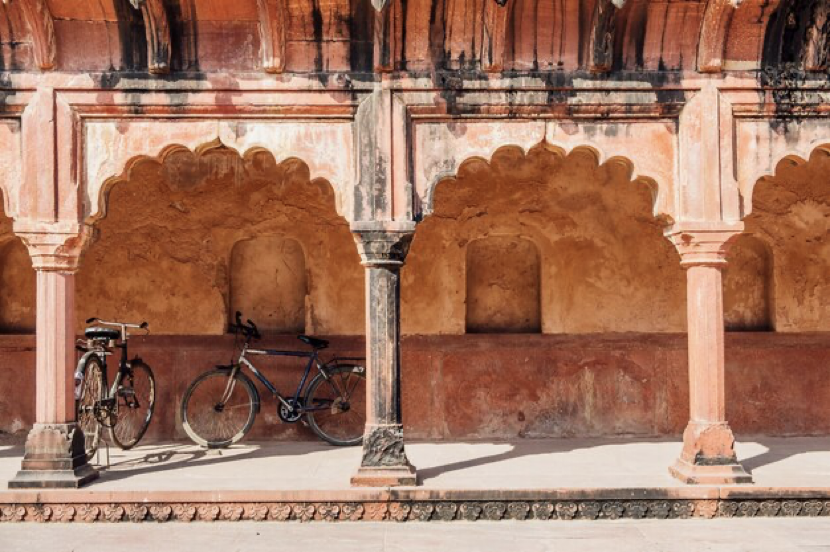
The house locates in the core area of Delhi’s old town, surrounded by ancient walls and narrow streets. Its exterior is not so attractive, the gray stonewall, wooden doors and windows and dappled walls seem to be talking about the vicissitudes of time. However, when you step into this house, you will feel just like going back to the time of hundreds of years ago. The interior decoration reveals the traditional Indian style. The high suspending exquisite chandelier in the ceiling, the ancient artworks and sculptures on the wall, the hand knitting blanket under your feet and every corner of this house is a display of the history and story.
Uncanny history
The house can be dated back to Mughal Dynasty when all the royal members live here. From the reign of Akbar the Great to the expansion of Aurangzeb, from the glory of empire to its decline, the house records every history moment silently. You can see the royal life at that time by the wall paintings, you can learn the ritual through the sculpture patterns and you can know the art style from the decoration on the furniture. As time went by, the house went through a collection of repair and refinement, but these did not change its key appearance. In 19th century, India was colonized by British men, which resulted this house to be the residency of British officials. Although the style changed a little, the historic and cultural marks still shows its a house of India. In the meantime, you can see the combined elements between India and Great Britain. After the independence of India in 20th century, the house became a part of cultural relic and was protected and repaired. At present, it is not more a history relic, but a cultural center which attracts travelers and learners all over the globe. Because this house provide them with the history of India and the diversity and richness of different culture. Furthermore, the house is not just a witness of the history but also an inheritor of culture. It carries the hundred years’ changes of India and records every print of era.
Cultural relic
You can enjoy the colorful and diverse Indian culture here, no matter ritual, festival, daily life or art creation. The glamour of travelling lies in that you can not only see the beautiful scenery, but also find the history and culture of a city. A great deal of items can represent and show the history of a city, the construction or a house is just one part, when stepping into this house, you may see the shadow that who stepped into this house before and the atmosphere who leaved.
Conclusion
To conclude, the house, which locates in the Delhi’s old town, is not just a construction, but also a witness of history, an inheritor of culture and an epitome of era. Undoubtedly, it’s a window to unlock the Indian culture and history and also a bridge connects past and present.

Navigating College Life: Some Mental Health Tips for Students
As the leaves turn golden and summer draws to a close, a new chapter begins for many young adults across the country. College is a time of excitement, growth, and self-discovery, but it can also be a period of stress and uncertainty. For parents with children heading off to college, ensuring their mental well-being is paramount. Here are five essential tips to help students manage their mental health during this transformative time.Establish a RoutineThe transition from high school to college often comes with a newfound sense of freedom. While this freedom is exhilarating, it can also lead to irregular sleep patterns, poor diet, and skipped classes if not managed properly. Establishing a routine that includes regular sleep, healthy meals, and dedicated study times can provide a foundation for emotional stability and academic success.Encourage Open CommunicationMaintaining open lines of communication is crucial for students' mental health. Parents should encourage their children to share their feelings, concerns, and experiences without judgment. This can help students process their emotions and feel supported. Regular check-ins, whether through phone calls, video chats, or text messages, can provide a lifeline for students navigating new challenges.Promote Self-CareSelf-care is essential for mental health, yet it's often overlooked in the hustle of college life. Encourage your student to engage in activities they enjoy and that help them relax. This can include exercise, meditation, hobbies, or simply taking time to unwind with a favorite book or movie. Remind them that it's okay to take breaks and prioritize their well-being.Seek Professional Help When NeededCollege campuses often offer counseling services that provide mental health support to students. If your child is struggling with stress, anxiety, or depression, encourage them to seek help from these professionals. Early intervention can be key to managing mental health issues and can provide students with coping strategies for the challenges they face.Foster a Support NetworkEncourage your student to build a support network at college. This can include friends, roommates, mentors, and professors. A strong support network can provide emotional support, practical advice, and a sense of belonging. Joining clubs, participating in campus activities, or studying in groups can help students connect with others who share their interests.
The Silent Echoes of a Planet Without People
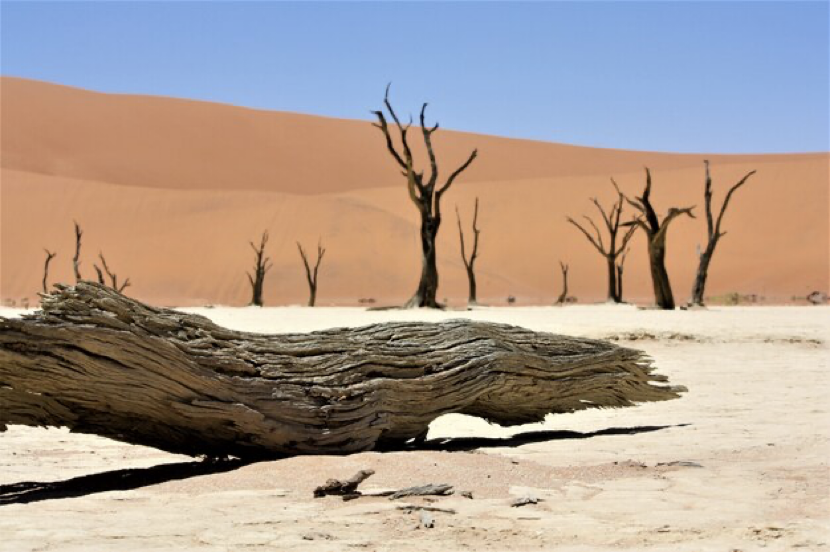
A time where the human population has disappeared, and we see nature begin to take back what once belonged to her. This is not simply a visionary idea, it has already begun to take shape in some places on our world, where human impact weakens and we are left with the ghostly aftermath of previous times. From the ghost town of Kolmanskop in Namibia, an abandoned cinema house in Brussels and a rotten Tuscan villa to disused railway track overgrowing with grasses somewhere on post-Soviet land, all these are microcosms of this larger story.KolmanskopKolmanskop, which was a hub for diamond mining activity in the mesmerizing Namib Desert, is an abandoned result of human mettle today. The lavish buildings where European nobility once came to seek their fortune now degrade in the harsh sun and wind. The one glittering avenues lay hidden beneath tonnes of ever moving sand and now all that you could hear were the mumbled whispers on desert gusts too calling a far away claim to it wildlife.An Old Cinema in BrusselsAn old forgotten cinema in Brussels, with its marquee faded permanently locked doors. Faded posters of bygone eras hint at the glory days when colossal audiences packed in to see the latest screen spectacles. Now, stale air meets only cobwebs and dust as the building fades to ruin with all its memories entombed in lost minds that once wandered those halls.Rustic Tuscan EstateOnce grand, now desolate and empty; a "rustic Tuscan estate" atop a hill of vineyards stands as sudden testament to prosperity gone bye. Its stained walls and destroyed murals narrate about once& glorious riches, family legacies now forgotten in time. Farmhouse becomes the wooded shell of a mansion as creepers trail through shattered windows, moist night draught yawn in and rustle leaf litters across wooden floors; it is half pitfall for skunk or opossum making its travel to bed among broken columns mantled with ivy's clasp, the full haven now for life that lives within grasses off porch side amid ancient stalks.Disused Railway TrackDead Landscapes is the name of this one, from Ukraine, stretching fields on an abandoned narrow gauge railway line with its rusty tracks trying to surpass the horizon. Originally an important route linking towns and villages, supporting trade in goods as well telecommunication. But now, a solitary way that speaks of forsaken travels and deserted stops. Tall grasses line the tracks, with wildlife continuing to walk in between them completely indifferent toward whatever was left of human invention.ConclusionThey are not just ancient sites that have taken on the mantle of ruins; they lie beneath us, and in their decay, tell a story about what it means to be human. They show us that our accomplishments, no matter how great, are but passing blinks in the cosmic eye. Even as we mold the world to our fitting, let's perhaps halt and think about what legacy do we create in passing on these echoes that sound long after us. Here, in the quiet forgotten places of man nature tells us over and over again a story about survival and how aging is an inexorable march that keeps coming for each of us as it serves up hard lessons on time.

Impact of Snow Shortage on Gulmarg's Ski Resort Village
Bounded by the scenic vistas of the Himalayan Ranges, Gulmarg in Kashmir is a name that instantly brings to mind images of beautiful landscaped gardens and imposing snow-clad mountains. But what has been almost unfathomable in recent years is that the popular ski village, at 2,600 meters, one of the highest cities and the scene for many a slalom World Cup -— started running out of snow. Imported as a tourist who has seen Gulmarg at both its picture-perfect and struggling, I cannot escape to write about the varied consequences of this snow shortage on the village and people there.Situation in Gulmarg’s Ski Resort VillageWhen we reached Gulmarg, the first thing I realized was that everyone around me had been let down. Instead of the gleaming white canvases that drew skiers and boarders from across this country, parts appeared painted in brown earth under thin layers of manmade snow. There was talk everywhere, among locals and travelers alike of the matter; a tale being spun out across every conversation.One of the more immediate consequences was how quickly tourists stopped coming. The allure of newly opened, snowy slopes lures many visitors and that is a big portion missing without skiing. As a result, potential travelers were left let down and decided to head elsewhere on vacation in search of that perfect snowy ski slope. The place felt less like the busy winter village it is supposed to be with fewer skiers in lodges, restaurants and shops reporting a decline in sales.Impacts on BusinessThis decrease would fall particularly hard on local businesses which are most dependent for their livelihoods from the winter tourist season. Hotels and resorts were left with stagnant rooms that usually are full to capacity in peak winter months. With a slack in footfall, restaurant owners who churn out traditional Kashmiri food for tourists were negatively impacted. Its economic ripple effect was stark, affecting everyone from ski rental shops to souvenir stands. Hundreds of small businesses, fighting to stay alive, had no choice but to lay off employees or reduce services-adding more economic woes for the community.More ImpactsAnd not to be ruled out is the psychological trauma among villagers, Skiing has been Gulmarg's hallmark for generations. The lack of snow has not only put their livelihoods at risk, but it has also taken away a sense of pride and continues to pull them apart. The elders described a feeling of nostalgia and mourning as they remembered skiing the slopes in their youth. Fewer chances arose for younger generations, looking to follow in their footsteps as ski instructors or tour guides when the industry was shrinking.A crisis that has seen a remarkable response in terms of local administration and community adapting to find an answer. They have tried to step up snow making and cover the hills with man-made white stuff it has forged from machines instead of God. This comes at a considerable financial and energy cost, but is the only way to keep some kind of skiing season going. On top of that, the village has added to its off-season tourism potential by organizing summer tours including hiking and paragliding along with other cultural visits.ConclusionIn sum, the snow drought has ravaged Gulmarg's ski resort village and hit hard on their economy, culture & eventually the lives of its people. But it has also unleashed a time of reflection and reinvention, propelling fresh ideas for survival and expansion.

Effective Ways to Relieve Joint Pain Naturally
Joint pain is an ubiquitous condition that can afflict humans of all ages, but is more common as we age or after an injury. Whether the result of arthritis, overuse or other conditions, recurrent joint pain can interfere greatly with daily life. Here are some helpful tips that can help reduce joint pain and get you moving.1.Low-impact and Regular ExerciseExercise may help keep your body active and agile, increasing the flow of blood thus decreasing the pain. Swimming, walking, yoga and riding are ideal exercises. In the meantime, you need to stay away from vigorous exercises.2.Maintain a Healthy WeightAnother important factor when it comes to managing aches and pains in your joints is keeping your weight healthy. Excess pounds put extra pressure on your knees and ankles, which can make them painful. Hence, the weight reduction can ease the joint pain. Seafood and vegetables can deliver, while processed food, added sugar and refined carbohydrates should be avoided. For some, seasonings like turmeric and ginger — both known as having anti-inflammatory properties — can save your life.3.Heat and Cold TherapyHeat and cold therapy are an efficient and instant way to momentary relief for the pain of rigid joints. Applying a warm compress, soaking in a warm bath, or using a heating pad are all helpful ways to relax stiff joints and increase blood circulation, which can make it easier to move. This works particularly well for chronic stiffness, such as that associated with arthritis morning pain. Cold therapy (ice packs wrapped in a towel) helps numb sharp pain and reduce swelling, particularly after physical activity or injuries. For some types of joint pain, switching between heat and cold can be helpful.4.Proper PostureA proper posture, coupled with reasonable ergonomic adjustments, matters a lot in easing and preventing joint strain. Sitting hunched over a computer, standing for hours at a time or lifting heavy objects can place significant strain on various joints in the back, neck, knees and wrists. Sitting in supportive chairs, positioning screens at eye level and wearing cushioned shoes can help disperse weight more evenly. And for anyone with pain in their hands or wrists, ergonomic keyboards or braces may alleviate torment during repetitive movements.5.Natural SupplementsCertain natural supplements, such give glucosamine, chondroitin, and omega-3 fatty acids, have so much promise in speedy joint fitness for a few humans. While research findings vary, many people experience less pain and greater mobility following regular use. Be sure to talk to a health care provider before starting any new supplements, especially if you are taking other medications.6.HydrationHydration, a neglected factor yet critical for joint function. Cartilage, which protects joints, is made up of a high percentage of water. This increases friction, and can cause discomfort if dehydrated. Staying hydrated throughout the day, which helps maintaining lubrication and may relieve stiffness.7.MassageMassage therapy is useful, too. No matter you massage yourself or you get massaged by others, both work well. It can relive the intense muscle, improve the circulation of blood. You can use a ball to apply gentle pressure to tight spots.Although these techniques can assist with mild to moderate joint discomfort, a healthcare provider should evaluate persistent or severe pain. Some conditions may require physical therapy, acupuncture or medical treatments. But many people can prevent real pain and joint function improvement when these natural strategies are applied to their daily routine, resulting in better quality of life and health. Joint pain doesn't have to rule your life, as long as you stay active, eat right, and make simple lifestyle changes. Little adjustments over time can lead to big shifts in how well you stay flexible and comfortable for as long as possible.

A Comprehensive Guide to Snowboarding Gear for Beginners
Snowboarding is an exhilarating sport that combines the thrill of speed, the beauty of snow-covered landscapes, and the joy of gliding.For beginners looking to embark on this exciting journey, having the right gear is crucial for their success and enjoyment on the snow. In this guide, we will explore the essential equipment and tools that snowboarding beginners need.Snowboard and BindingsThe most essential piece of gear for a snowboarder is, of course, the snowboard itself. For beginners, it is recommended to choose a shorter, more flexible snowboard as they are easier to control. Look for boards designed specifically for beginners, focusing on stability and forgiveness. Ensure that the bindings can be properly secured to your snowboard boots, providing the necessary support and safety while snowboarding.Snowboard BootsSnowboard boots are a crucial component of your gear, directly impacting your comfort and control on the slopes. Choose boots that fit snugly but not too tight, providing the necessary support and responsiveness for your snowboarding. Consider renting or investing in high-quality snowboard boots that match your skill level and foot shape.Snowboard GogglesProper eye protection is essential while snowboarding to shield against the glare of the snow and wind. Invest in snowboard goggles with UV protection, anti-fog features, and a wide field of view to enhance your vision and protect your eyes from snow, wind, and sunlight.HelmetSafety should always be a top priority in any winter sport, and snowboarding is no exception. A properly fitted, high-quality helmet is crucial for protecting your head from injury in the event of a fall or collision. Look for a helmet with adjustable ventilation to control temperature and consider modern designs with integrated technology for increased safety and comfort.