


A Guide to Choosing the Right Camping Gear
Camping is an exhilarating outdoor activity that allows individuals to reconnect with nature and escape the hustle and bustle of eve.
However, selecting the right camping gear is crucial to ensuring a comfortable and enjoyable experience in the great outdoors. In this guide, we will explore the essential factors to consider when choosing camping gear, providing valuable insights to help readers make informed decisions and gear up for their next adventure.
Functionality and Versatility: The Backbone of Camping Gear
When selecting camping gear, it is essential to prioritize functionality and versatility. Look for multi-purpose equipment that can serve various needs, such as a multi-tool with a knife, screwdriver, and can opener, or a versatile tent that can adapt to different weather conditions. Versatile gear not only saves space and weight but also enhances the overall camping experience by catering to diverse situations.
Durability and Quality: Invest in Long-lasting Gear
Investing in durable and high-quality camping gear is critical for a successful outdoor experience. Look for gear made from robust materials, reinforced seams, and sturdy construction to withstand the rigors of outdoor use. Quality gear not only ensures longevity but also provides peace of mind in challenging environments, allowing campers to focus on their adventures without worrying about gear malfunctions.

Comfort and Ergonomics: Prioritize Personal Well-being
Comfort plays a crucial role in determining the overall camping experience. When choosing camping gear, prioritize items that prioritize personal well-being, such as a comfortable sleeping pad, ergonomic backpack, or supportive hiking boots. Additionally, consider factors like adjustable straps, breathable fabrics, and padded support to enhance comfort during extended outdoor excursions.
Portability and Weight: Pack Light, Pack Right
Efficiently packing and transporting camping gear is essential for maximizing mobility and convenience. Opt for lightweight and compact gear that minimizes bulk and weight without compromising functionality. Additionally, consider collapsible or foldable options, such as portable cookware and compact chairs, to optimize space and ease of transport.
Weather Resistance and Adaptability: Prepare for Nature's Challenges
Camping gear should be capable of withstanding diverse weather conditions and environmental challenges. Choose waterproof tents, moisture-wicking clothing, and insulated sleeping bags to stay dry and comfortable in inclement weather. Additionally, consider gear with sun protection, such as UV-resistant tents and clothing, to shield against harsh sunlight.
Sustainability and Eco-consciousness: Minimize Environmental Impact
In today's environmentally conscious world, considering the sustainability of camping gear is paramount. Opt for eco-friendly and ethically sourced products, such as biodegradable toiletries, solar-powered lanterns, and reusable kitchenware, to minimize environmental impact and promote responsible outdoor practices.

User Reviews and Recommendations: Learn from Fellow Campers
Before making a purchase, take the time to research user reviews and seek recommendations from fellow campers. Learning from others' experiences can provide valuable insights into the performance, durability, and practicality of specific camping gear, helping readers make informed decisions and select gear that aligns with their camping needs and preferences.
Choosing the right camping gear involves careful consideration of functionality, durability, comfort, portability, weather resistance, sustainability, and user feedback. By prioritizing these factors, readers can confidently select gear that not only enhances their outdoor experience but also aligns with their values and environmental responsibility. Remember, the right camping gear can make the difference between a cumbersome outing and a seamless adventure in the great outdoors.

Constant Use of Phones by Parents Can Have Awful Effects on Their Children
In today's digital age, smartphones have become an integral part of our lives. They keep us connected, informed, and entertained. However, the constant use of these devices by parents can have profound effects on their children, both positive and negative. Understanding these impacts is crucial for parents who want to foster healthy relationships and ensure their children's well-being.The Immediate Impact: Emotional DisconnectionOne of the most immediate and noticeable effects of parents being on their phones a lot is emotional disconnection. Children, especially young ones, thrive on attention and interaction. When parents are engrossed in their phones, they may miss out on opportunities to engage with their children. This can lead to feelings of neglect or insecurity in the child. They may start to believe that their parent's phone is more important than they are, which can affect their self-esteem and emotional development.Research has shown that children who feel emotionally disconnected from their parents are more likely to experience anxiety, depression, and behavioral issues. They may act out in an attempt to regain their parent's attention, leading to a cycle of negative interactions. On the other hand, children who receive consistent and positive attention from their parents are more likely to develop strong emotional bonds and feel secure in their relationships.The Long-Term Consequences: Cognitive and Social DevelopmentThe long-term consequences of parental phone use on children extend beyond emotional well-being. Cognitive and social development can also be significantly impacted. Children learn by observing and imitating the behavior of the adults around them. When parents are constantly on their phones, children may pick up on this behavior and start using screens excessively themselves. This can lead to issues such as screen addiction, reduced attention spans, and difficulties in social interactions.Moreover, children who grow up in environments where their parents are often distracted by their phones may struggle with developing essential social skills. They may have fewer opportunities to practice communication, problem-solving, and empathy, which are crucial for building healthy relationships. In contrast, children who are actively engaged with their parents are more likely to develop strong social skills and a positive self-image.

Vegetable Oil May Lower Risk of Dementia
With the severer aging problem in the whole world, dementia has been a more and more serious problem in public health. According to the statistics from World Health Organization, there are more then 50 million people who are suffering from dementia, in which this number will skyrocket twice as it’s now in the few decades. Study finds that diet plays a significant role in preventing dementia and it is reported that a daily dose of one vegetable oil may lower risk of dying from dementia.The nutrition of vegetable oilsVegetable oil is famous for its monounsaturated and polyunsaturated fatty acids, especially olive oil, flinseed oil, canola oil and so on. These healthy fat can improve the circulation of blood, lower the risk of inflammatory response and has positive impact on brain health. It is believed by the scientists that the healthy fat can protect our brains by a variety of mechanics, for example, it can help the neurons in growing and repairing themselves.Overview of the studyResearchers have found in a long run research mainly focuses on the old people that those participants with a regular intake of vegetable oil had a significantly lower incidence of dementia than those who did not consume vegetable oils or consume more animal fat. The research studied the eating habits and health conditions of certain hundreds of old people, and they drew the conclusion that the intake of vegetable oil has positive correlation with cognitive function.AntioxidantAntioxidant components in vegetable oils, such as vitamin E and polyphenolic substances, play important roles in preventing cognitive decline. The antioxidants can defend the free radicals from doing harm to cells in order to reduce the speed of aging. The polyphenolic substances in vegetable oil, especially those are already widely use in Mediterranean diet have been proved to be effective in lowering the risk of Alzheimer.Comprehensive lifestyleAlthough the study agrees that the vegetable oil can be a protection, other aspects in your life can not be ignored as well. A balanced diet, moderate exercise, enough sleep and social activities are also vital and essential for lowering dementia. Hence, we should also pay attention to the comprehensive lifestyle while putting vegetable oil into your daily diet.Moderate intakeIt is worth noting that we ought to follow the moderate intake of vegetable oil in our daily lives. Of course the vegetable oil is comparatively healthier than animal fat, but excessive intake may lead to weight increase and other unexpected health problems. It is suggested one or two spoons are adequate every day, which not only ensures our intake, but also prevents extra risks.
Tips for Providing Complete Home Furnishing Advice to Users
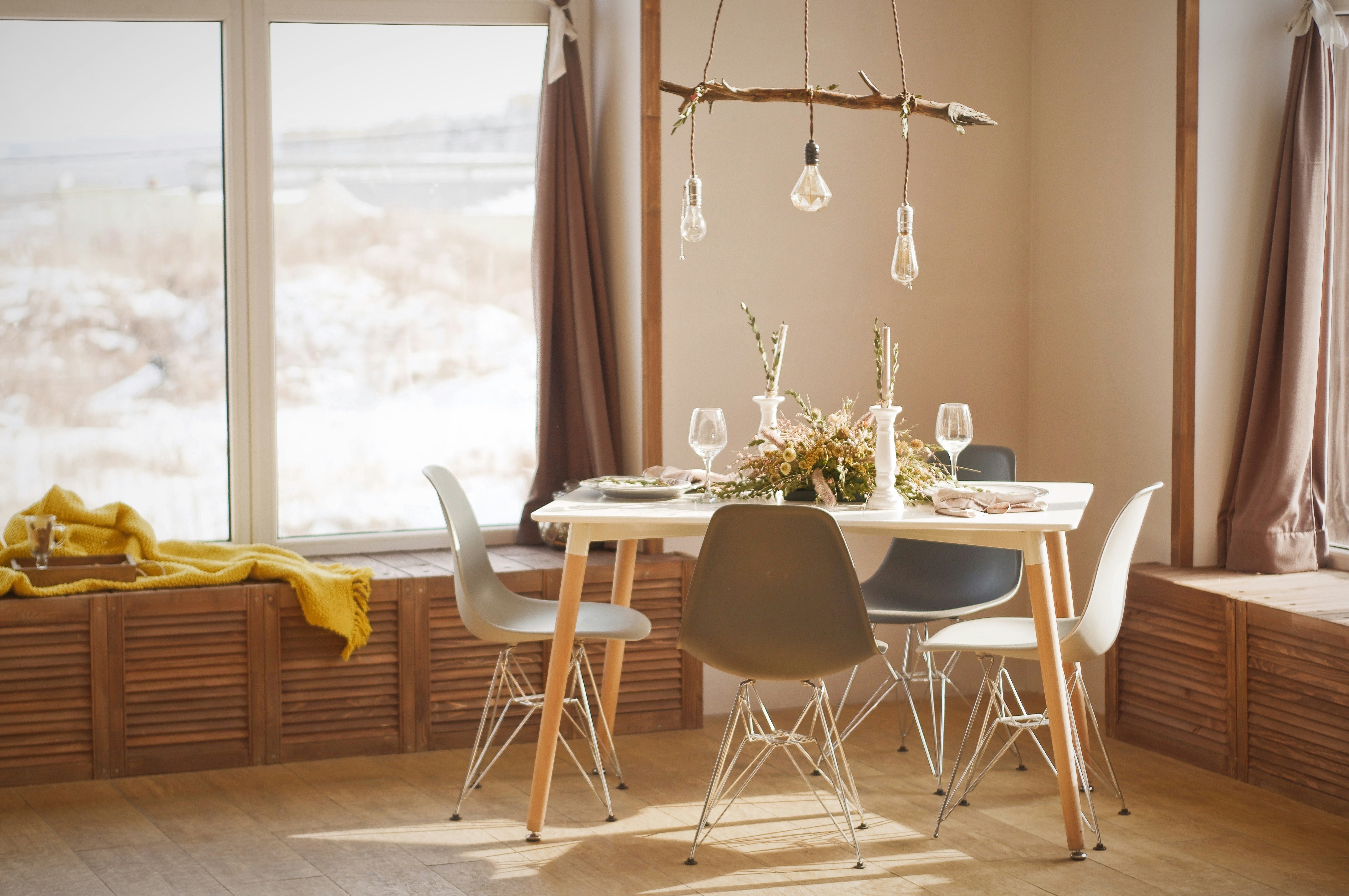
When it comes to furnishing a home, it's not just about filling the space with furniture and decor pieces; it's abouTo provide users with comprehensive advice on home furnishing, it's essential to consider various aspects that go beyond just aesthetics. Here are some innovative tips to help you guide users in transforming their houses into dream homes:Understand User Needs: Before offering advice on home furnishing, take the time to understand the user's lifestyle, preferences, budget, and space constraints. Tailoring recommendations to their specific requirements will ensure a more personalized and impactful furnishing plan.Embrace Versatility: Suggest furniture and decor pieces that are versatile and multifunctional. Opt for items that can serve multiple purposes or be easily reconfigured to adapt to changing needs. This approach not only maximizes space but also promotes sustainability and practicality.Mix and Match: Encourage users to combine different styles, textures, and colors to create a visually interesting and dynamic space. Mixing old and new elements, blending contrasting patterns, and experimenting with bold accents can add depth and character to their home decor.

Effective Ways to Relieve Joint Pain
Joint pain, which affects millions of people worldwide, is commonly linked with arthritis, injury, overuse and other causes. While persistent or severe pain should always be evaluated by a health care provider, there are many helpful steps you can take to prevent effectively and relieve pain around you joints.1.Regular Exercise and Physical ActivityRegular physical activity is one of the best weapons against joint pain. Though that may seem counterintuitive — who wants to move painful joints? — movement is what builds strength in the muscles surrounding the joints, giving stability and reducing the strain. Low-impact exercise to producing flexibility and stimulating circulation, like swimming, cycling and walking, is particularly effective, in that it doesn’t put strain on the joints. Yoga and stretching routines might also help improve range of motion and reduce stiffness. For people who have chronic joint pain, seeing a physical therapist is strongly recommended so that an individualized exercise plan can be developed. That regular, moderate abstraction of activity will make a difference in keeping joint serious pain from dog titling over time.2.Maintain a Healthy WeightCarrying excess weight also puts significant stress on the weight-bearing joints in the body, including the knees, hips and ankles. At even modest levels, weight loss can substantially relieve joint pain and slow the progression of diseases like osteoarthritis. A healthful, antiinflammatory-rich diet bolstered by leafy greens, berries, nuts and fatty fish can assist with weight management and help suppress inflammation. Limiting processed foods, sugars, and alcohol is just as crucial. You can be free from joint pain and improve overall health and reduce the risk of other chronic conditions by maintaining a healthy weight.3.Heat and Cold TherapyThis therapy with heat and cold joints, as well as helpful, simple, affordable and efficient. Using a warm compress, heating pad, or warm bath can help relax muscles, increase blood flow and ease stiffness, which research has shown is best for chronic pain or morning stiffness. Cold therapy, like an ice pack or cold gel wrap, is numb the area, reduce swelling and can relieve acute pain or inflammation from overuse or injury. For others, alternating between heat and cold works particularly well. When applying heat or cold directly, always apply a barrier, such as a towel, to protect your skin.4.Mind-Body TechniquesChronic joint pain can be a serious drain on one’s mental health, and stress, in turn, can make physical pain worse. Mind-body techniques such as meditation, deep breathing exercises, and tai chi can benefit stress reduction, emotional well-being, and even pain control. These practices promote relaxation, mindfulness and a greater sense of mind-body control — all things that can empower those suffering from chronic pain. Tai chi also integrates gentle motion with mindfulness, which can help increase joint flexibility and minimize pain.5.Good Posture and Use of JointsBad posture and repetitive use may intensify joint pains with the time. Even awareness of your posture — sitting, standing or walking — can help share your weight more evenly, relieving stress on your joints. Ergonomic tweaks, like supportive chairs or cushioned mats, can also help a lot. Assistive devices (e.g, braces, splints, or canes) can also help people with arthritis or other ongoing chronic conditions by providing extra support and alleviating pressure on affected joints.In conclusion, joint pain can be a very difficult condition to cope with, as much mentally as it is physically— so you should not let the symptoms run your life. Manage and relieve your pain with you regular exercise, maintain a healthy weight, use heat and cold therapy, try mind-body techniques and protect your joints. Again, please keep in mind you must check in with a healthcare professional to tweak these approaches to fit your particular situation. But with the proper technique, you can effect preventative measures toward a more active, pain-free you.

Senior Housing Choices: Finding CCRCs, Villages and Cohousing
The perfect home for seniors has never been more important as people the world over live longer than ever before. Older adults today want living options that provide not just comfort and safety, but also community, independence and the ability to access care when it's needed. Knowledge of these options can allow seniors and their families the opportunity to make informed decisions for the future.1.Continuing Care Retirement CommunitiesA CCRC is a facility with many levels of care that are housed within the same campus. Residents generally begin in independent living, with private apartments or cottages, social activities and amenities like fitness centers and dining halls. And, as their health care needs shift, they can move easily to assisted living or more intensive skilled nursing care without being forced to pack. This philosophy of “continuum of care” provides comfort in the knowledge that medical and personal assistance is there when needed. Entry fees and monthly fees are typically used to finance them, making CCRCs a substantial investment. But for those who value long-term security and ease of living, this choice brings stability and great care across the various phases of aging.2.VillageIn comparison, the Village movement is all about assisting the elderly in aging in place in their own homes and communities. Villages are nonprofit, member-driven organizations that provide older adults with access to services, volunteers and social activities. With an annual membership fee, members are entitled to resources such as transportation, home-related repairs and social events, promoting a close community while remaining independent. Unlike CCRCs, Villages themselves don't offer medical care, but they're known to partner with local health organizations who can offer assistance. This model is perfect for the seniors who are very attached to their homes and their neighborhoods but require more help and social engagement as they get older. The Village movement is ballooning, especially in urban and suburban areas, where it allows seniors to continue living in the same communities without upending their lives.3.CohousingAnother emerging alternative and trend is Cohousing, a customized living arrangement in which seniors can share common areas and still live independently. Cohousing is unique from typical retirement communities in that it's specifically designed to facilitate interaction, with shared kitchens, gardens, and common spaces. There's strong community involvement, and residents take part in decision-making and often meet for communal meals and activities. This model holds particular appeal for those who value sustainability, social connection and belonging. Although cohousing generally does not offer professional care services, some facilities offer a wellness program, or contract with home healthcare agencies. It can provide an ideal mix of independence and community for seniors who want an active, interdependent lifestyle but don't want the retirement home feel of an institutional setting.The best senior housing option depends on specific needs, whether it is guaranteed care focused on your parents or neighborhood support or a senior community with close integration or a shared living experience. For those who expect to one day require medical help, a CCRCs offer a comprehensive, “nothing left out” lifestyle pattern. Villages are places where you can age in place, with social and practical support; cohousing creates deep links among people who are like-minded. In an ever changing society, these models show that retirement living no longer has to equate with loneliness or loss of autonomy.In the end, it is a personal choice when one considers factors such as monetary considerations and the kind of life they would prefer to have. Through CCRCs, Villages, Cohousing and other options, older adults can also discover a living arrangement that is in line with the way they wish to livee, one that provides comfort, community, and the appropriate level of care as they begin their journey into the next chapter of their lives.