


Skills for Car Paint Upkeep
Car paint is an important part of the appearance of the vehicle, not only beautiful, but also can play a role in protecting the body.
Therefore, the correct maintenance of the car paint is very important. The following will describe in detail how to maintain the car paint methods and skills.
1. Avoid wiping with hard objects
When stains or dirt appear on the surface of the car paint, do not use hard objects to wipe, such as ordinary rags or paper towels. Doing so can scratch the paint, causing fine scratches and damage. The correct approach is to use a soft sponge or professional car cleaning cloth to gently wipe the stain and avoid overexertion.
2. Wax regularly
Waxing is one of the important steps to protect car paint. The wax can form a protective film to prevent dirt and UV light from eroding the paint. It is recommended to wax the vehicle every 3-6 months, and the specific frequency can be adjusted according to the use of the vehicle and the environment. Before waxing, ensure that the surface of the vehicle is clean and choose the appropriate car wax product.

3. Avoid prolonged exposure to sunlight
Prolonged exposure to sunlight can cause car paint to fade and age. Therefore, try to choose a place with shade when parking, or use a shade baffle to block. If it is impossible to avoid parking outdoors for a long time, you can consider using a vehicle cover to cover the entire body to play a certain protective role.
4. Repair scratches and stone hits in time
In daily use, car paint will inevitably appear some scratches and stone impact. If these damages are not repaired in time, they will accelerate the aging and corrosion of the car paint. Therefore, timely repair of scratches and stone impact is an important part of the maintenance of car paint. For small scratches, you can use the car paint repair pen to repair; For a large area of damage, it is recommended to seek professional car repair services.
5. Polish regularly
After a period of use, car paint may appear subtle oxidation and loss of luster. Regular polishing can restore the brightness and gloss of the car paint. Polishing can remove small scratches and stains on the surface, making the car paint look smoother and more fresh. It is recommended to polish the car paint every 6-12 months, either by using a car polish and polisher, or by seeking a professional car polishing service.
6. Keep the paint dry at all times
Wet conditions will accelerate the corrosion and aging of car paint. Therefore, as far as possible to keep the car paint dry is an important part of the maintenance of car paint. In rainy days or after car washing, it is necessary to dry the water traces on the surface of the body in time to avoid water droplets drying on the car paint and leaving water stains.

7. Check the paint condition regularly
Regular inspection of the condition of the car paint can find problems in time and take appropriate maintenance measures. Pay attention to observe whether the paint appears fading, oxidation, foaming or peeling phenomenon. If you find an anomaly, you can seek professional car repair and painting services to fix it.
To sum up, the maintenance of car paint requires regular cleaning, waxing, avoiding scratches and collisions, and paying attention to avoiding sun exposure and the use of acid and alkaline cleaners. In addition, timely repair of damage, regular polishing and keep the car paint dry is also very important. Through the correct maintenance methods and skills, you can maintain the gloss and life of the car paint, so that the vehicle always maintains a bright appearance.

How to Skillfully Arrange Soft Furniture in a Limited Space
In modern life, especially in cities, space is often a precious resource.For many families, how to skillfully arrange soft furniture in a limited space is an important challenge. This article will discuss how to maximize the use of space through reasonable design and layout.First of all, the proper planning and layout of the room is crucial. Before placing soft furniture, it is necessary to clarify the function and needs of the room. For example, if the room is mainly used for rest and relaxation, it may need some comfortable sofas, chairs and beds; If the room is mainly used for work and study, it may need some practical desks, chairs and bookshelves.2.Choose the right sizeIn a limited space, choosing the right furniture size is key. Oversized furniture can take up too much space and make people feel depressed; And too small furniture will appear incongruous, affecting the overall beauty. Therefore, it is necessary to choose the right furniture size according to the size and shape of the room. At the same time, you can also choose some multi-functional, adjustable furniture, such as foldable, movable sofas and beds, as well as detachable, assemblable wardrobes and shelves.3.The use of space heightWhen placing soft furniture, you can use the height of the space to maximize the use of space. For example, the bed frame can be designed with a storage function, and the bed can be used to store clothes, books and other items; Or design the height of the sofa slightly higher than the general level, and set up lockers or drawers under the sofa to store items such as clutter or books.4. Keep the space transparentWhen placing soft furniture, it is necessary to maintain the permeability of the space and avoid the feeling of repression and cramped. Therefore, the placement and direction of the furniture need to be reasonably planned to avoid blocking the passage and Windows, and to maintain the smooth and open sense of the space. At the same time, you can also enhance the sense of space by choosing transparent or light-colored furniture.

Enhancing Wardrobe Storage Space with Hanging Rods for Improved Quality of Life
Struggling to find a solution for your overflowing wardrobe?It's time to think outside the box and maximize your wardrobe storage space effectively. One practical and efficient method is to incorporate hanging rods into your closet organization.To make the most out of your wardrobe space, consider the following detailed suggestions and specific dimension recommendations for creating an efficient and organized closet:Assess your wardrobe: Before implementing any changes, take the time to assess your wardrobe and its contents. Determine the types of clothing you own, their respective sizes, and the frequency of use. This will help you plan the layout and dimensions of your hanging rods accordingly.Multi-level hanging: Utilize multi-level hanging rods to optimize vertical space. For shirts, blouses, and lighter garments, a hanging rod height of 38-42 inches (96-107 cm) from the floor is ideal, while longer hanging garments such as dresses and coats should have a higher rod at around 66-69 inches (168-175 cm) from the floor. This allows for efficient use of space and easy access to different types of clothing.
How to Design a Warm and Inviting Modern Garden
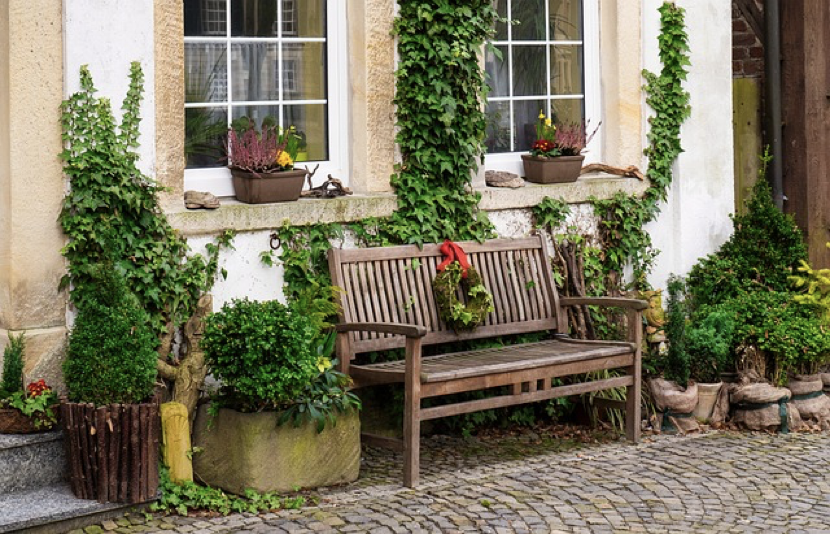
To design a modern garden with a warm and inviting atmosphere, you need to focus on the combination of beauty, utilities, and feelings. Give solace from your daily life in a well-designed garden. So, below I talk you through five major points to help you forge a modern garden you want to spend time in.1.Incorporate Natural Materials and TexturesUse natural materials such as wood, stone, and rattan to create a warm environment. The use of wood, terrazzo or concrete for examples brings texture and a sense of organic warmth to the space. “(Wooden decking or stone pathways would help ground the design, whereas rattan furniture or woven planters would infuse softness and charm.) Balance a modern minimalistic look with the coziness of natural tones by pairing these materials with plants and greenery rich in colors. If you want a rustic vibe that feels sustainable and welcoming, consider using reclaimed wood for benches or tables. Features such as a small rock garden or a pebble mosaic of one kind or another, for example, will not only provide texture and diversity of shapes but also provide a stratum that may encourage touching and interaction.2.Concentrate on Cozy Seating AreasA warm garden is a place that encourages people to sit, to relax and to linger. Incorporate lounging areas with soft cushions, weatherproof fabrics, and handpicked ergonomic furniture; Think about creating different zones, for example a cozy bench under a tree, a dining area for al fresco meals or a lounge area with a fire pit. Throws or outdoor rugs can add an extra layer of comfort and help make the garden feel like an extension of your home. Design with a curved seating orientation ideal for small gatherings. Furnishing with hammocks or swing chairs can bring an element of playfulness and relaxation as well.3.Incorporate Soft LightingMany ordinary lights can make a garden more attractive, including ambient lights like lanterns, string lights, or even lamps. As the sun goes down, use soft warm light for a welcoming atmosphere. String lights, lanterns and the new solar-powered path lights can create a magical glow. To add depth and interest, subtly spotlight elements of your space, such as trees, water features of sculptures. A beautifully illuminated garden can feel inviting but also safe. Try LED candles or fairy lights in glass jars for something quirky. For added drama, set up uplighting to illuminate the architectural shapes of plants or trees.4.Include Personal Touches and Sensory DetailsA warm garden should be your personality and stir the senses. Incorporate things like wind chimes, aromatic flowers, or even a wee water feature for a therapeutic auditory and olfactory experience. Personal touches like handmade pottery, family heirlooms or a collection of potted plants can give the space a distinctive feel. These details spark feelings and memories, turning the garden into a space of belonging and happiness. Use herbs that release perfume when brushed against, such as lavender, rosemary and mint. In the same way, including a bird feeder or birdbath is another way to not only attract wildlife, but to add more life and movement to the garden.5.Year-around DesignAnd for your garden to feel warm and welcoming all year long, plan for seasonal interest. Select a combination of evergreen plants, flowering shrubs and seasonal blooms to ensure that color and life can be had all year round. Add features such as a pergola or awning to block the sun during summer and a fire pit or heated-seating for cooler seasons. Watching the seasons change brings a sense of comfort and joy, and by designing a garden to work all year round, you have a garden that brings delight and happiness to your life, all year round. Plant deciduous trees or shrubs with vibrant autumn coloration like maple or dogwood for warmth on those crisp fall days.Overall, these spaces will both differ, but if and when we can return to large gatherings on the other side of this, hot meals will be served here and fellowships welcomed, what really is needed, in peace. Modern garden constructed from that foundation becomes much more than outside space, it becomes an enjoyable piece of your home and life.

Senior Housing Choices: Finding CCRCs, Villages and Cohousing
The perfect home for seniors has never been more important as people the world over live longer than ever before. Older adults today want living options that provide not just comfort and safety, but also community, independence and the ability to access care when it's needed. Knowledge of these options can allow seniors and their families the opportunity to make informed decisions for the future.1.Continuing Care Retirement CommunitiesA CCRC is a facility with many levels of care that are housed within the same campus. Residents generally begin in independent living, with private apartments or cottages, social activities and amenities like fitness centers and dining halls. And, as their health care needs shift, they can move easily to assisted living or more intensive skilled nursing care without being forced to pack. This philosophy of “continuum of care” provides comfort in the knowledge that medical and personal assistance is there when needed. Entry fees and monthly fees are typically used to finance them, making CCRCs a substantial investment. But for those who value long-term security and ease of living, this choice brings stability and great care across the various phases of aging.2.VillageIn comparison, the Village movement is all about assisting the elderly in aging in place in their own homes and communities. Villages are nonprofit, member-driven organizations that provide older adults with access to services, volunteers and social activities. With an annual membership fee, members are entitled to resources such as transportation, home-related repairs and social events, promoting a close community while remaining independent. Unlike CCRCs, Villages themselves don't offer medical care, but they're known to partner with local health organizations who can offer assistance. This model is perfect for the seniors who are very attached to their homes and their neighborhoods but require more help and social engagement as they get older. The Village movement is ballooning, especially in urban and suburban areas, where it allows seniors to continue living in the same communities without upending their lives.3.CohousingAnother emerging alternative and trend is Cohousing, a customized living arrangement in which seniors can share common areas and still live independently. Cohousing is unique from typical retirement communities in that it's specifically designed to facilitate interaction, with shared kitchens, gardens, and common spaces. There's strong community involvement, and residents take part in decision-making and often meet for communal meals and activities. This model holds particular appeal for those who value sustainability, social connection and belonging. Although cohousing generally does not offer professional care services, some facilities offer a wellness program, or contract with home healthcare agencies. It can provide an ideal mix of independence and community for seniors who want an active, interdependent lifestyle but don't want the retirement home feel of an institutional setting.The best senior housing option depends on specific needs, whether it is guaranteed care focused on your parents or neighborhood support or a senior community with close integration or a shared living experience. For those who expect to one day require medical help, a CCRCs offer a comprehensive, “nothing left out” lifestyle pattern. Villages are places where you can age in place, with social and practical support; cohousing creates deep links among people who are like-minded. In an ever changing society, these models show that retirement living no longer has to equate with loneliness or loss of autonomy.In the end, it is a personal choice when one considers factors such as monetary considerations and the kind of life they would prefer to have. Through CCRCs, Villages, Cohousing and other options, older adults can also discover a living arrangement that is in line with the way they wish to livee, one that provides comfort, community, and the appropriate level of care as they begin their journey into the next chapter of their lives.

A Fresh Guide to Essential Gear for Outdoor Hiking
To fully enjoy the journey, having the right gear is essential for safety, comfort, and convenience. In this comprehensive guide, we will explore the essential equipment needed for outdoor hiking and provide valuable insights for hikers to make informed decisions when it comes to gear selection.Footwear: The Foundation of Every HikeThe importance of proper footwear cannot be overstated when it comes to hiking. Invest in high-quality hiking boots or trail shoes that provide ankle support, a sturdy sole, and waterproofing. A proper fit is crucial to prevent blisters and ensure stability on rugged terrain.Backpack: Carrying Comfort and ConvenienceSelecting the right backpack is essential for carrying all your essential gear. Look for a backpack with padded shoulder straps, adjustable waist belt, and multiple compartments for organized storage. Consider the capacity based on the length of your hikes and the gear you plan to carry.Clothing: Layering for Comfort and ProtectionDress in layers to regulate body temperature and protect against the elements. Moisture-wicking base layers, insulating mid-layers, and waterproof outer layers are essential. Don't forget to pack a hat, gloves, and extra socks for changing weather conditions.Navigation Tools: Finding Your Way SafelyA reliable map and compass are essential for navigating through unfamiliar terrain. Consider complementing these traditional tools with a GPS device or smartphone app for added convenience. Be sure to familiarize yourself with how to use these tools before heading out.