


Aspects to Focus on When Buying a Home Security Camera
Home security cameras are a valuable part of maintain safety and piece of mind. Whether you want to keep your home safe while you’re away, or you need to be able to see what’s happening at your front door, there are tons of options for home security cameras. With all of the options that are out there, and here are some things to consider to ensure you have a camera that works for you how you want it to.
1.Resolution
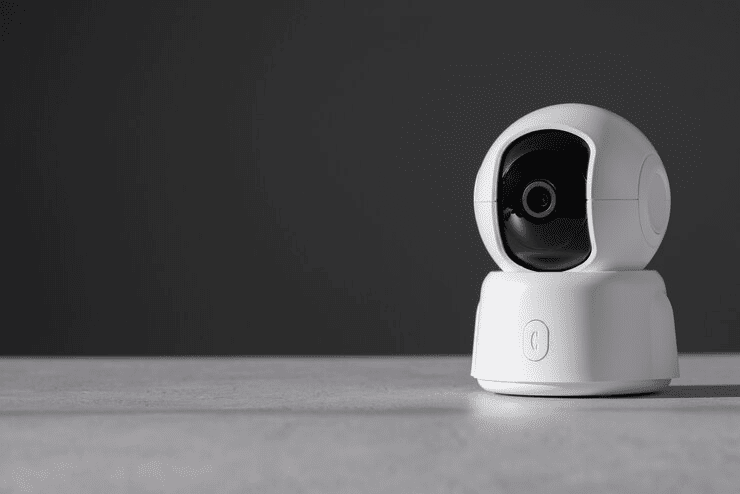
The resolution of the camera is another important consideration. More resolution typically means clearer images, and that can be critical when trying to identify faces or license plates. Many new cameras record in HD 1080p and even 4K resolution. But, of course, higher resolution also translates into larger file sizes, which can eat up more space and more bandwidth. If you plan on recording footage non-stop, you'll want enough space, whether that's cloud storage or a local solution such as microSD cards or network-attached storage (NAS).
2.Size of the View
The size of the view is also a consideration. A broader perspective enables thus reducing blind spots and more coverage area for the camera. Cameras with field of view from 130 degrees to 180 degrees are typical, but welter-weight panoramic cameras with 360-degree coverage are available. If you are watching over a large space, like a garden or sitting room, then you may want a wider angle. But for more confined spaces, you may want to narrow the beam to prevent wasted coverage.
3.Connectivity
Another consideration is connectivity. The vast majority of home security cameras today have some type of Wi-Fi connection, but what kind of network device you're connecting to is going to make a difference. A poor signal may result in lagging or dropped connections if your camera is too far from the router. Some cameras have Ethernet ports for improved connectivity, or dual-band Wi-Fi for better signal. Wireless (battery operated) cameras are versatile where you can place them, only to have the hassle of replacing, or recharging batteries.
4.Storage
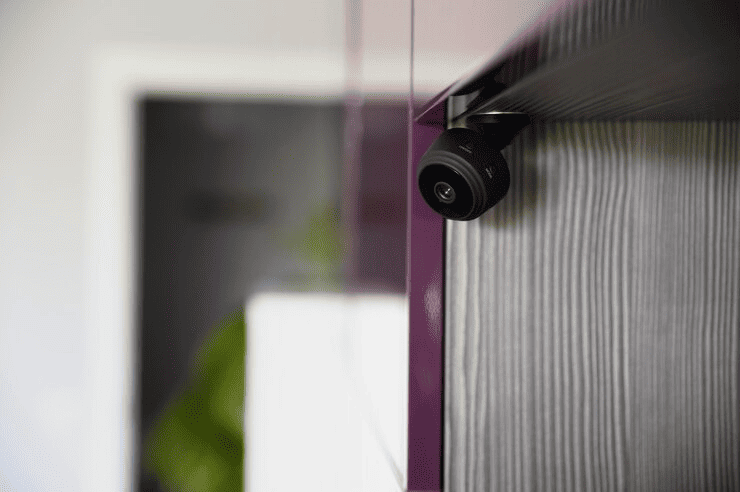
There are various storage options for cameras and the kind you choose will depend on how much storage you wish to keep. The convenience of cloud storage is that it can offer remote access and automated backups, but it frequently involves subscription fees. Local storage, such as SD cards or an external hard drive, removes ongoing charges, but could be stolen or damaged if the camera is interfered with. Some also have hybrid solutions, where you can keep footage locally and in the cloud for extra backup.
5.Privacy
Privacy is a becoming a worry with home security cameras. And, because these devices are internet-connected, they may be hackable if not protected. Opt for a camera with robust encryption, two-factor authentication and regular firmware updates, and you may safeguard your data. Also think about whether the camera offers physical privacy mechanisms like a lens shutter or the ability to disable recording entirely when you're home.
6.Smart Functions
Smart functions fills it with more value. Most have motion detection, but some advanced cameras have facial recognition and sound detection, too. This helps prevent false alarms caused by swaying branches, swinging parking gates or passing cars. The camera also supports two-way audio so you can address delivery people or even would-be intruders through the camera, which is a nice touch. Integration with smart home platforms like Amazon Alexa or Google Assistant can offer easy control and automation too.
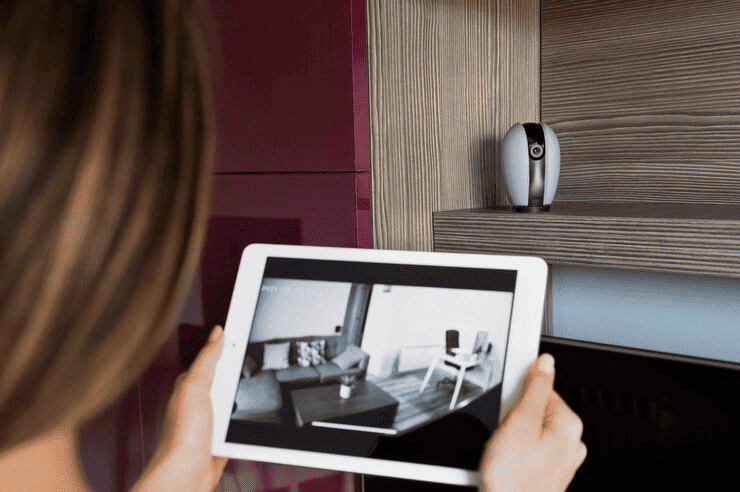
In conclusion, picking the first home security camera does not only mean paying a visit to a shop and picking the first model you see. By considering your requirements on placement, resolution, storage, connection, privacy, and smart features, you choose a camera which is suitable to both security and convenience for your home. By researching and comparing your options you will invest in your security and peace of mind for many years to come.

Chronic Insomnia: Exploring Solutions for a Restful Sleep
Characterized as a constant trouble nodding off or staying unconscious, chronic insomnia can significantly affect one's personal satisfaction, influencing actual well being, mental prosperity, and generally speaking efficiency.In this article, we will dig into the details of chronic insomnia.Understanding Chronic InsomniaChronic insomnia is a complex condition with various underlying causes:1. Mental Elements: Stress, tension, wretchedness, and other mental issues can upset rest designs and add to persistent sleep deprivation. Dashing contemplations, stress, and a failure to unwind can make it challenging to nod off or keep up with rest over the course of the evening.2. Way of life Elements: Unfortunate rest cleanliness, sporadic rest plans, unreasonable caffeine or liquor utilization, and absence of active work can all add to persistent sleep deprivation. Unfortunate things to do and an imbalanced way of life can disturb the body's regular rest wake cycle.3. Ailments: Persistent agony, respiratory problems, hormonal irregular characteristics, and neurological circumstances like a propensity to fidget can fundamentally influence rest quality and add to ongoing sleep deprivation.The Consequences of Chronic InsomniaChronic insomnia can have wide-ranging consequences for an individual's physical and mental well-being:1. Daytime Weariness and Disabled Mental Capability: Lacking rest prompts daytime weakness, diminished readiness, and hindered mental capability. Focus, memory, critical thinking skills, and generally speaking efficiency might be unfavorably impacted.2. Mind-set Problems: Ongoing sleep deprivation is firmly connected to the improvement of temperament issues like gloom and nervousness. Lack of sleep upsets the guideline of synapses in the cerebrum, adding to close to home precariousness and worsening existing psychological wellness conditions.3. Expanded Hazard of Ongoing Ailments: Delayed lack of sleep is related with an expanded gamble of creating persistent ailments, including cardiovascular illness, corpulence, diabetes, and compromised insusceptible capability.4. Impeded Personal satisfaction: The steady battle to get satisfactory rest can prompt a diminished personal satisfaction. People with ongoing sleep deprivation might encounter decreased pleasure in everyday exercises, stressed connections, and a lessened feeling of by and large prosperity.

Flying Business Class Is Not a Dream
Flying business class is something that is a dream for a lot of travelers, given the added comfort, better service, and overall pleasurable experience associated with it. But the cost can feel out of reach. But with some strategy and smart tips, you can fly business class for less than you might think.1.Book Early or Last MinuteIt’s possible — booking your flight many months in advance can often net a better deal on business class tickets. Most airlines make available only a handful of discounted seats at first. On the flip side, last-minute deals can be gold. Airlines will occasionally discount prices on the few remaining business class seats close to departure. If you have flexibility with your travel dates, your chances of finding a bargain will be that much higher.2.Travel by Using Your Frequent Flyer Miles and PointsJoin the airline loyalty programs and utilize co-branded credit cards to rack up points when you spend on daily items. Many airlines offer substantial sign-up bonuses that can add up to a business class ticket fairly quickly. Also, if you have flexible reward points like Chase Ultimate Rewards or American Express Membership Rewards, find out whether transferring points to an airline partner would yield better value than redeeming them that way.3.Discover Error Fares and Special PromotionsSometimes airlines mess up when pricing tickets, and you end up with a steeply discounted business class fare. Specialist sites such as Secret Flying and Airfarewatchdog are set up for doing this kind of work on error fares. Also, look for special promotions and sales. Airlines frequently have sales, particularly during slower travel periods where the discounts on business class tickets can be significant.4.Look for Alternate Airports and RoutesSometimes, taking off or landing at alternative airports has cheaper business class prices. If you’re heading to Europe, for instance, you might fly into a major hub like London or Frankfurt and then hop on a budget airline to your final destination. Likewise, indirect flights with layovers tend to be cheaper than non-stop routes. It can take longer, but the savings can be significant.5.Upgrade with Cash or MilesIf an outright business class ticket is just too expensive, look at buying an economy ticket and upgrading. You can offer to pay for an upgrade, or use miles to book a better seat on many airlines. Follow upgrade offers as your departure date draws closer. Airlines may reduce the cash or miles necessary to fill leftover business class seats.6.Travel in Off-Peak TimesBusiness class seat demand also varies throughout the year. The off-peak travel seasons, like late in winter or early in fall, generally come with a lower price tag. Avoiding major holidays and school vacation periods is also a good way to find cheaper fares. In addition, flights in the mid-week, compared to the weekends, are much cheaper.7.Book Through Travel Agencies and ConsolidatorsTravel agencies and ticket consolidators sometimes have access to discounted business class fares not available to the general public. These companies buy tickets in bulk and can save you a ton of money. Do your homework, though, and comparison shop — the myriad of agencies you can find online vary widely in terms of cost and quality.8.Look for Budget AirlinesCertain airlines are notorious for having lower business class fares. Airlines like Turkish Airlines, Qatar Airways, and Etihad tend to offer superb value, for example. Inspire yourself and new destination ideas through your favourite airlines. Newer airlines or airlines that expand their route offerings may also provide introductory savings to reach new customers.9.Be Flexible and PersistentHow do you get a cheap business class ticket? Monitor airline websites, create fare alerts and be prepared to book when you see a good price. If you’re flexible, to be patient and make it work, you’ll get rewarded down the line.So there we have it, with frequent flyer miles, keeping an eye out for promotions, and being flexible with your travel plans, you can score business class seats without the business class price tag.

Wig Basics
This article will introduce the basic knowledge of wigs, including the types of wigs, materials, selection and care.The type of wig1. Full Wig: A full wig is a wig product that covers the entire head, similar to a hat, and can completely change the hairstyle and hair color. Full wigs are usually made of synthetic or human hair and come with an adjustable cap to accommodate different head sizes.2. Hair Piece: A hair piece is a small piece of wig, usually used to increase the volume of hair or cover certain areas of baldness. Hair pieces can be fixed to natural hair to make the hairstyle more full and natural.3. Hair Extensions: A wig is a long, thin piece of hair that is usually used to extend the length of natural hair. They can be attached to natural hair by means of clips, adhesives, or braiding.4. Hair Toppers: Hair toppers are a type of wig product similar to hair pieces, but larger and thicker, usually used to cover bald or sparse areas on the top of the head.Choose the right wig1. Color and style: Choosing the right wig color and style is very important to ensure that it matches natural hair and meets personal preferences. You can choose a color that is similar to your natural hair, or try new hair colors to add variety.2. Head circumference and size: The wig needs to match the head circumference size to ensure comfort and stability. You can choose the right wig size based on your head circumference, or choose a wig with an adjustable cap.3. Material and quality: Choose the right wig material according to your personal needs and budget. Synthetic wigs are suitable for short-term use and low cost needs, while human hair wigs are suitable for long-term use and higher quality requirements.
Decorating the Bathroom: Things to Consider
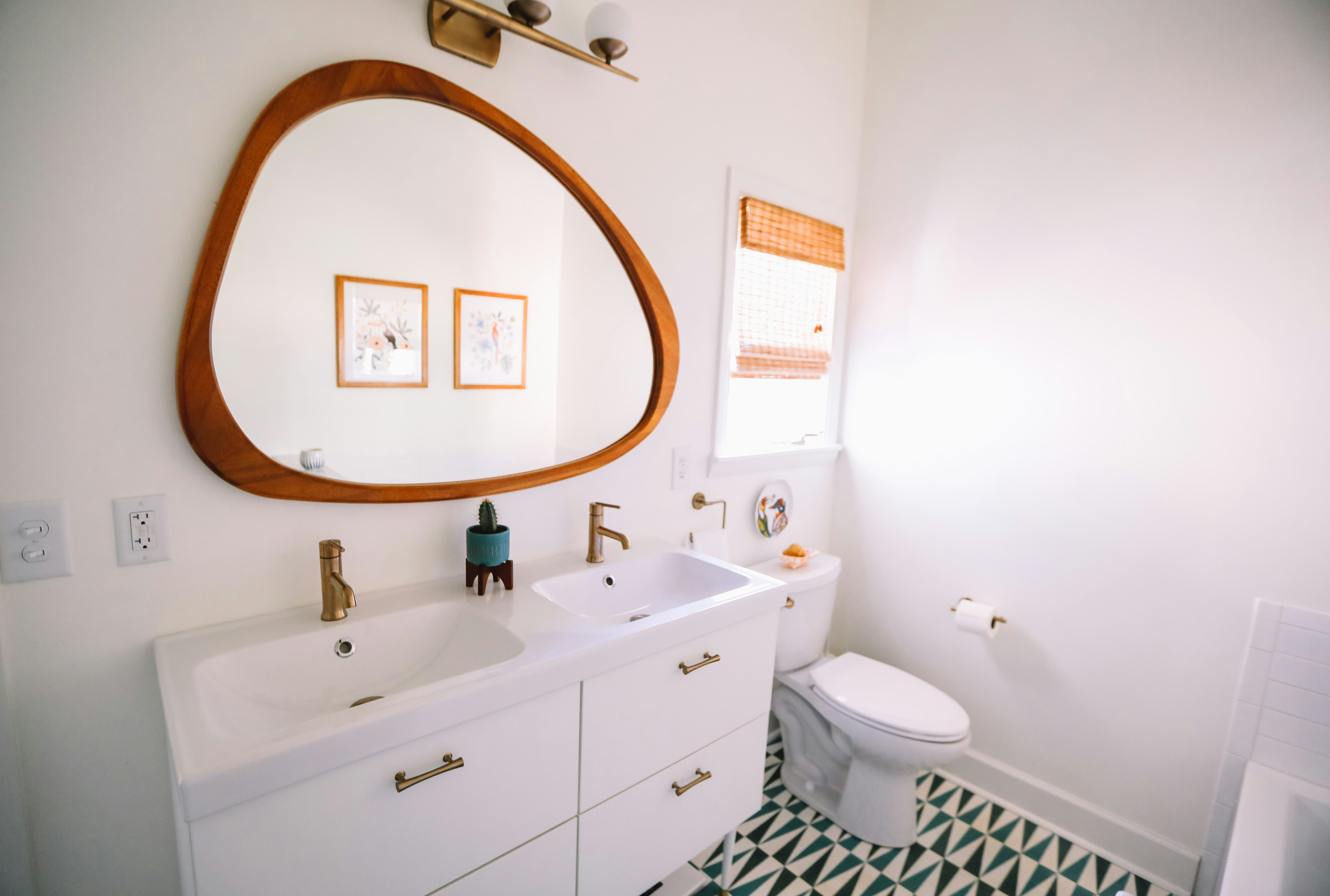
When it comes to decorating your home, the bathroom is often the most overlooked yet vital space. When it comes to decorating your home, the bathroom is often the most overlooked yet vital space. Therefore, when decorating the bathroom, we must pay attention to some key details to ensure that the bathroom is both beautiful and practical.1.Waterproof and non-slipAs a frequent contact with water space, waterproof and non-slip is the bathroom’s primary consideration. When selecting ground materials, priority should be given to tiles or stoneswith good waterproof performance, and ensure that the ground is laid smoothly to avoid water accumulation. In addition, the walls of the bathroom should also choose materials with good waterproof performance, such as ceramic tiles or waterproof paint, to protect the walls from moisture. In terms of anti-slip, anti-slip MATS can be placed in the shower area to reduce the risk of falling due to wet ground. At the same time, the floor design of the bathroom should also avoid excessive steps and gradients to ensure safe walking.2.Lighting and ventilationLighting and ventilation are important details in the bathroom. Proper lighting can make the bathroom brighter and more spacious, while also helping to lift the mood of the occupants. When choosing lamps, you can consider installing soft LED strips or downlights to provide even, comfortable lighting for the bathroom. In terms of ventilation, the bathroom should be equipped with exhaust fans or fresh air systems to ensure air circulation and reduce moisture and odor. In addition, regular window ventilation is also an effective way of ventilation, helping to keep the bathroom dry and fresh.3.Storage and placementThere are many items in the bathroom, including toiletries, cleaning supplies, etc. Therefore, reasonable storage and placementspace is an indispensable part of the bathroom design. When choosing a bathroom cabinet, consider installing cabinets with multiple layers of storage space to make the most of the space. At the same time, you can also install hooks and shelves on the wall to facilitate the placement of towels, bath towels and other items.

Evening Exercise Breaks Unlock Restful Sleep
In the quest for better sleep, many people turn to relaxation techniques, sleep aids, or even stringent bedtime routines. However, a growing body of research suggests that one of the most effective strategies for promoting restful sleep lies in an unexpected source: evening exercise breaks. While conventional wisdom often advises against exercising too close to bedtime, recent findings indicate that moderate physical activity in the evening can actually enhance sleep quality. Here’s a closer look at how evening exercise breaks can unlock restful sleep and practical tips for incorporating them into your routine.The Science Behind Evening ExerciseTraditionally, it was believed that vigorous exercise before bed could lead to increased alertness, making it harder to fall asleep. However, studies are now showing that moderate exercise in the evening can have several sleep-enhancing benefits.1. Enhanced Sleep QualityResearch indicates that individuals who engage in regular evening exercise report improved sleep quality. Moderate physical activity can help regulate the body’s internal clock, promoting deeper stages of sleep and reducing the time it takes to fall asleep. Exercise increases the body’s core temperature, and as it gradually drops post-exercise, it signals to the body that it’s time to rest.2. Stress and Anxiety ReductionEvening exercise serves as an effective stress reliever. Physical activity releases endorphins, the body’s natural mood lifters, which can help alleviate anxiety and stress accumulated throughout the day. By engaging in exercise, individuals can create a buffer against the daily stresses that might otherwise interfere with their ability to fall asleep.3. Improved Sleep DurationModerate evening exercise can help extend the duration of sleep. Studies have shown that people who exercise regularly sleep longer than those who do not. The combination of reduced stress, enhanced mood, and physical fatigue from exercise can contribute to longer, more restful sleep.Types of Evening ExercisesNot all exercises are created equal when it comes to promoting restful sleep. Here are some effective options that can be easily incorporated into your evening routine:1. Walking or JoggingA brisk walk or light jog in the evening can be a great way to unwind. This low-impact activity allows you to enjoy the fresh air while promoting relaxation. Aim for 20 to 30 minutes of walking to reap the benefits without overstimulating your body.2. Yoga and StretchingYoga is particularly effective for promoting relaxation and stress relief. Gentle yoga poses and deep breathing exercises can help calm the mind and prepare the body for sleep. Consider a short evening yoga routine focused on restorative poses that emphasize relaxation.