


Evening Exercise Breaks Unlock Restful Sleep
In the quest for better sleep, many people turn to relaxation techniques, sleep aids, or even stringent bedtime routines. However, a growing body of research suggests that one of the most effective strategies for promoting restful sleep lies in an unexpected source: evening exercise breaks. While conventional wisdom often advises against exercising too close to bedtime, recent findings indicate that moderate physical activity in the evening can actually enhance sleep quality. Here’s a closer look at how evening exercise breaks can unlock restful sleep and practical tips for incorporating them into your routine.
The Science Behind Evening Exercise
Traditionally, it was believed that vigorous exercise before bed could lead to increased alertness, making it harder to fall asleep. However, studies are now showing that moderate exercise in the evening can have several sleep-enhancing benefits.
1. Enhanced Sleep Quality
Research indicates that individuals who engage in regular evening exercise report improved sleep quality. Moderate physical activity can help regulate the body’s internal clock, promoting deeper stages of sleep and reducing the time it takes to fall asleep. Exercise increases the body’s core temperature, and as it gradually drops post-exercise, it signals to the body that it’s time to rest.
2. Stress and Anxiety Reduction
Evening exercise serves as an effective stress reliever. Physical activity releases endorphins, the body’s natural mood lifters, which can help alleviate anxiety and stress accumulated throughout the day. By engaging in exercise, individuals can create a buffer against the daily stresses that might otherwise interfere with their ability to fall asleep.
3. Improved Sleep Duration
Moderate evening exercise can help extend the duration of sleep. Studies have shown that people who exercise regularly sleep longer than those who do not. The combination of reduced stress, enhanced mood, and physical fatigue from exercise can contribute to longer, more restful sleep.

Types of Evening Exercises
Not all exercises are created equal when it comes to promoting restful sleep. Here are some effective options that can be easily incorporated into your evening routine:
1. Walking or Jogging
A brisk walk or light jog in the evening can be a great way to unwind. This low-impact activity allows you to enjoy the fresh air while promoting relaxation. Aim for 20 to 30 minutes of walking to reap the benefits without overstimulating your body.
2. Yoga and Stretching
Yoga is particularly effective for promoting relaxation and stress relief. Gentle yoga poses and deep breathing exercises can help calm the mind and prepare the body for sleep. Consider a short evening yoga routine focused on restorative poses that emphasize relaxation.
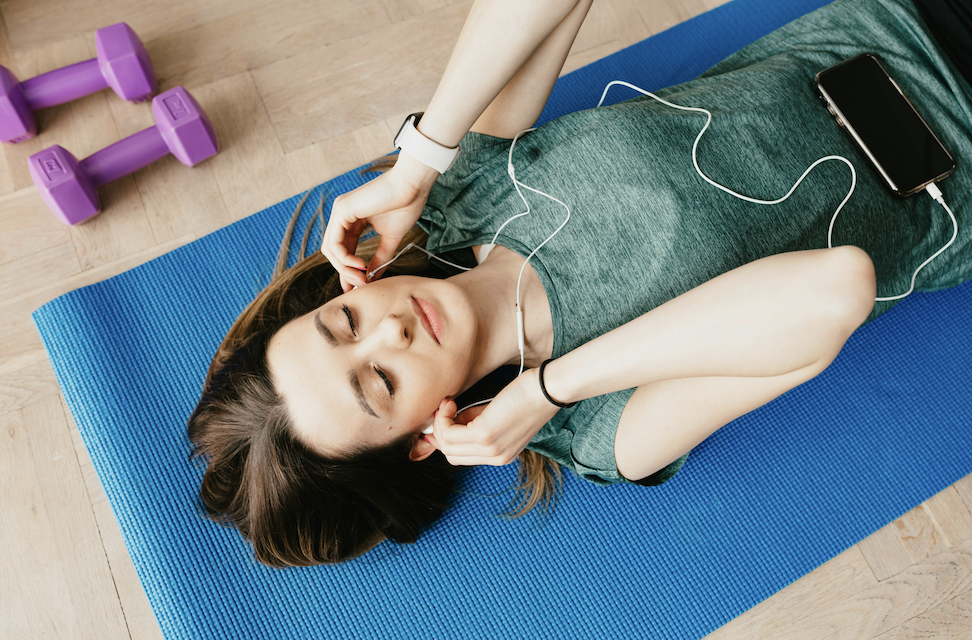
3. Bodyweight Exercises
Engaging in bodyweight exercises, such as squats, lunges, or push-ups, can provide an effective workout without requiring extensive equipment. Keep the intensity moderate and focus on form rather than pushing yourself to the limit.
4. Dancing
If you enjoy music, consider dancing as a fun way to get your evening exercise. Whether it’s a solo dance session at home or a class in your community, dancing can boost your mood and provide a light workout.
Tips for Incorporating Evening Exercise
To make the most of evening exercise breaks, consider these practical tips:
1. Set a Schedule
Incorporate exercise into your evening routine by setting a specific time for your workouts. Consistency can help your body adapt and signal that it’s time to wind down afterward.
2. Listen to Your Body
Pay attention to how your body responds to evening exercise. If you find that certain activities make you feel too energized, consider opting for gentler forms of movement, like yoga or stretching.
3. Create a Relaxing Environment
Make your exercise space inviting and calming. Dim the lights, play soothing music, and eliminate distractions to create a peaceful atmosphere that promotes relaxation.
4. Mind Your Timing
While evening exercise can be beneficial, be mindful of how close to bedtime you schedule your workouts. Aim to finish exercising at least an hour before you plan to sleep to allow your body time to cool down.

Conclusion
Incorporating evening exercise breaks into your routine can be a game-changer for achieving restful sleep. By enhancing sleep quality, reducing stress, and extending sleep duration, moderate evening workouts can help unlock the restorative sleep many people seek. Embrace the power of movement and find the right activities that resonate with you, creating a healthier, more restful approach to your evenings. With the right balance, you can transform your nights into a sanctuary of sleep, leading to a more energized and fulfilling day ahead.

Tips for Providing Complete Home Furnishing Advice to Users
When it comes to furnishing a home, it's not just about filling the space with furniture and decor pieces; it's abouTo provide users with comprehensive advice on home furnishing, it's essential to consider various aspects that go beyond just aesthetics. Here are some innovative tips to help you guide users in transforming their houses into dream homes:Understand User Needs: Before offering advice on home furnishing, take the time to understand the user's lifestyle, preferences, budget, and space constraints. Tailoring recommendations to their specific requirements will ensure a more personalized and impactful furnishing plan.Embrace Versatility: Suggest furniture and decor pieces that are versatile and multifunctional. Opt for items that can serve multiple purposes or be easily reconfigured to adapt to changing needs. This approach not only maximizes space but also promotes sustainability and practicality.Mix and Match: Encourage users to combine different styles, textures, and colors to create a visually interesting and dynamic space. Mixing old and new elements, blending contrasting patterns, and experimenting with bold accents can add depth and character to their home decor.

Evening Exercise Breaks Unlock Restful Sleep
In the quest for better sleep, many people turn to relaxation techniques, sleep aids, or even stringent bedtime routines. However, a growing body of research suggests that one of the most effective strategies for promoting restful sleep lies in an unexpected source: evening exercise breaks. While conventional wisdom often advises against exercising too close to bedtime, recent findings indicate that moderate physical activity in the evening can actually enhance sleep quality. Here’s a closer look at how evening exercise breaks can unlock restful sleep and practical tips for incorporating them into your routine.The Science Behind Evening ExerciseTraditionally, it was believed that vigorous exercise before bed could lead to increased alertness, making it harder to fall asleep. However, studies are now showing that moderate exercise in the evening can have several sleep-enhancing benefits.1. Enhanced Sleep QualityResearch indicates that individuals who engage in regular evening exercise report improved sleep quality. Moderate physical activity can help regulate the body’s internal clock, promoting deeper stages of sleep and reducing the time it takes to fall asleep. Exercise increases the body’s core temperature, and as it gradually drops post-exercise, it signals to the body that it’s time to rest.2. Stress and Anxiety ReductionEvening exercise serves as an effective stress reliever. Physical activity releases endorphins, the body’s natural mood lifters, which can help alleviate anxiety and stress accumulated throughout the day. By engaging in exercise, individuals can create a buffer against the daily stresses that might otherwise interfere with their ability to fall asleep.3. Improved Sleep DurationModerate evening exercise can help extend the duration of sleep. Studies have shown that people who exercise regularly sleep longer than those who do not. The combination of reduced stress, enhanced mood, and physical fatigue from exercise can contribute to longer, more restful sleep.Types of Evening ExercisesNot all exercises are created equal when it comes to promoting restful sleep. Here are some effective options that can be easily incorporated into your evening routine:1. Walking or JoggingA brisk walk or light jog in the evening can be a great way to unwind. This low-impact activity allows you to enjoy the fresh air while promoting relaxation. Aim for 20 to 30 minutes of walking to reap the benefits without overstimulating your body.2. Yoga and StretchingYoga is particularly effective for promoting relaxation and stress relief. Gentle yoga poses and deep breathing exercises can help calm the mind and prepare the body for sleep. Consider a short evening yoga routine focused on restorative poses that emphasize relaxation.

An Impressive Valentine’s Day: Choose Right Gifts and Date Ideas
Valentine’s Day is a festival and chance to celebrate love and the special relationships with your lover. No matter you’re just fallen into a relationship or have been with him or her for a long time, choosing suitable gifts or planing an unforgettable date can make this day beautiful and romantic.Date Ideas 1.Romantic DinnerThe most classic but still a surefire winner, a romantic dinner isn’t ever not in fashion. Cooking a gourmet dinner at home together, or booking a table at their favorite restaurant, the point is to make it special. Create an atmosphere with candles, soft music and their favorite foods.2.Outdoor AdventureFor the sporty couple rotate around an outdoor date. A beautiful hike, a picnic in the park or a bike ride can be enjoyable and romantic. If the weather is nice, wrap up the day with a warm blanket and stargazing.3.Creative FunYou are reaching your creative sides through a play activity. Take a painting or pottery class, see if you can make chocolates, or even sign up for a mixology workshop to create cocktails side by side. These activities not only serve as entertainment but also as bonding opportunities.4.Cozy Movie NightFor a cozy movie night, turn your living room into a home theater. Pick a few of their top movies, make popcorn and other snacks, and snuggle under a blanket. Add a little extra flair with a themed movie night based on their favorite genre or era.5.Weekend GetawayGive your partner the gift of a mini vacation at a nearby destination. From a quaint bed and breakfast to a beach retreat, or a cabin in the woods, a change of scenery can rekindle the romance. Organize activities you’ll both enjoy, such as visiting local attractions or doing nothing together.6.Recreate Your First DateRecreate your first date, take a trip down memory lane. Revisiting that moment can be so nostalgic and romantic, from coffee shop to fancy dinner. It’s such a lovely way to think about how far you’ve come as a couple.Gift Ideas1.Personalized KeepsakesNothing tells them “I love you” quite like a gift that’s tailor-made for them. Think of personalized jewelry, like a necklace with her initials or a bracelet engraved with a special date. Photo books that you customize yourself, engraved picture frames or even a star map of the night you met are also thoughtful presents that show some thought went into making it.2.Tech GadgetsFor your type who knows his tech, give something that is both useful and considerate. Wireless earbuds, a smartwatch, or even a portable photo printer to capture memories are practical yet meaningful gifts. If they are a music lover, a high-quality speaker or noise-canceling headphones could be a great idea.3.Handwritten Love LettersOften, the simplest of gifts are the most significant. A sincere, handwritten letter about the way they make you feel and your best shared memories will have more of an impact than any material gift. Add a small gesture, such as a single rose or a framed photo, for an extra touch of romance.4.Experience-Based GiftsTreat someone to four days of hard-to-forget. Concert tickets, a cooking class or a weekend getaway can create lasting memories. If they’ve always wanted to try something new, like, say, sky diving or making pottery, now is the ideal time to make it happen.In conclusion, Valentine’s Day is about celebrating love the way your relationship wants. Whether it’s a thoughtful gift for a friend, an elaborate date for a spouse, or keeping it simple and heartfelt, the most important part is letting their partner know how much you care about them. These ideas ensure your Valentine’s Day is as unique and special as your love story.

The Physical Benefits of Several Types of Exercise
In the fast-paced modern life, people are becoming more and more aware of the importance of physical health.This article will explore in detail the specific benefits of several different types of exercise to help readers better understand and choose the right type of exercise for them.1.Aerobic exercise: improve heart and lung functionAerobic exercise, such as running, swimming, cycling, etc., is an important means to improve heart and lung function. This type of exercise can increase the heart rate, improve the speed of blood circulation, and deliver sufficient oxygen and nutrients to all parts of the body. Long-term adherence to aerobic exercise can effectively reduce the risk of cardiovascular disease, enhance myocardial strength, and improve lung capacity. In addition, aerobic exercise can also promote fat burning, helping to lose weight and shape.2.Strength training: build muscle lines, improve the basal metabolic rateStrength Training can practice the muscle gatherings of the body and make a solid muscle line. Through strength training, we can further develop muscle strength and perseverance and increment bone thickness and strength, along these lines forestalling bone sicknesses like osteoporosis. Furthermore, muscle is the principal place where the body consumes energy, expanding bulk can build the basal metabolic rate, so we can likewise consume more energy when we are very still, which assists with shedding pounds and keep up with the figure.3.Flexibility training: Relieve muscle tension and prevent sports injuriesFlexibility training, like yoga, Pilates, extending, and so forth, can upgrade the adaptability of the body and the adaptability of the joints. This sort of activity can assist us with easing muscle pressure and forestall muscle solidness and torment brought about by standing firm on a similar foothold for quite a while. Simultaneously, adaptability preparing additionally works on joint scope of movement and diminishes the gamble of sports wounds. Long haul adherence to adaptability preparing can make us more agreeable in sports and further develop sports execution.

Turmeric May Cure Your Indigestion
Indigestion, a common gastrointestinal disease, affects millions of people all around the world whose features are abdomdistension, heartburn, nausea and abdominal pain. Although there are lots of nonprescription drugs to deal with these problems, many patients still turn to natural therapy in order to find a safer and more efficient surrenal. So here comes turmeric, one of the most attention-paid therapy among us recent years. It is a normal bright yellow spices widely used in India. More and more studies show that turmeric, especially its active compound curcumin, can curtail and lower the symptoms of indigestion of patients.The Science Behind Turmeric and IndigestionTurmeric was extracted from the roots of zedoary plants and has been used to cure all kinds of diseases in traditional therapy for centuries, particularly in ayurveda and traditional Chiniese medicine. The active compound which is named curcumin is famous for its powerful function and efficiency in anti-inflammatory, antioxidant and antibacterial agents. These characteristics make turmeric become an ideal and optimal drug for treating diseases about indigestion.One of the core mechanics that turmeric has something good in curtailing indigestion is its anti-inflammatory function. Chronic inflammations of the gastrointestinal tract are the common potential factors which include a series of digestion diseases, not only indigestion. Curcumin has an effect in inhibiting the production of pro-inflammatory molecules (like cytokines and prostaglandins), which are involved in the inflammatory response. By decreasing inflammation, turmeric can help relieve the uncomfortable feelings brought by indigestion.Practical Tips for Using Turmeric for Indigestion1. Choose high-quality supplements: When choosing turmeric or curcumin supplements, you ought to look for the products containing a standardized extract with a high curcumin content. Combine the turmeric with one compound which is named piperine in black pepper, you can enhance the bioavailability of turmeric, then the purpose of escalating the turmeric intake inside your body is achieved.2. Add turmeric into your diet: A most easy but direct way which can maximum exert the beneficial features in turmeric is to add it into your diet or add it into curry soup or smoothies. Besides, you can also grind turmeric into powders and take in them with meals usually. In this way, you can possess a healthy body.3. Consult a doctor: Before you start to eat turmeric supplements to cure indigestion or other purposes, please do remember to talk to your doctor and listen to his or her suggestions, especially if you have some health problems or are in the period of taking prescribed drugs. What’s more, they can provide you with individualized information to help you find the best solution to deal with relevant health issues.4. Consistency: According to scientific testimonies, turmeric and its major compounds are helpful for indigestion relief.