


Drinking Black Tea Lowers Risk of Death
Recently, more and more studies have found that eating and drinking habits play profound effects in humans’ health and longevity, among which the black tea, as a common drink, draws great public attention because of its potential benefits. One latest research shows drinking two or more cups of black teas a day may have a positive benefits on longevity, which offers a new angle about the habit of drinking tea for us.
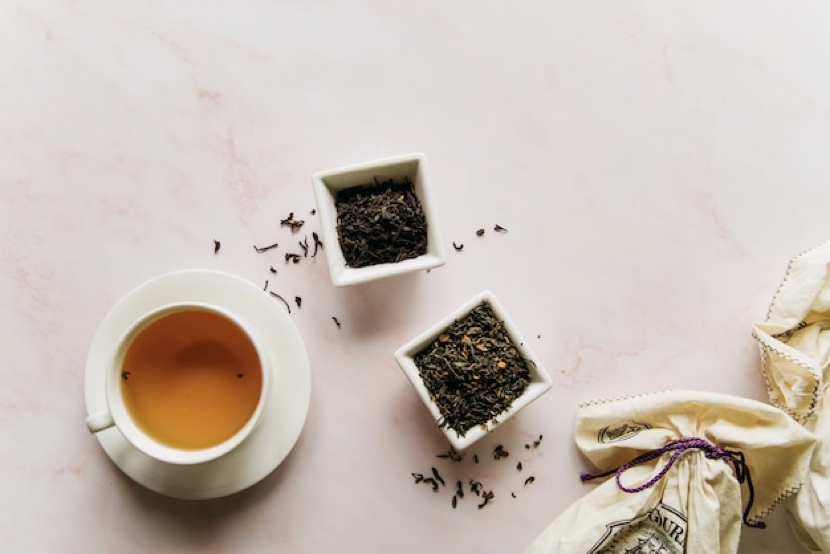
Health Ingredients of Black Tea
The black tea is full of multiple bioactive ingredients, especially polyphenolic compounds. These ingredients not only equip black tea with unique flavour, but also makes it antioxidative, anti-inflammatory, and cardiovascular-protected. Research shows that polyphenolic substances can reduce the amount of radicals in human bodies in order to lower the risk of chronic disease. Besides, the fluoride and theanine in the black tea is considered to be helpful and beneficial for improving heart health and immunity.
Introduction of Study Results
One long time research focuses on thousands of adults finds that those who drink two or more black tea a day have the less chance to get cardiovascular disease and certain cancers. By analyzing the participants’ drinking habits, life styles and health conditions, the study group found those who drink black tea ever day have less rate to die, reduced about 20%. This result aroused much public debate, a lot of people start to take black tea seriously and put it in an important position on daily diet.
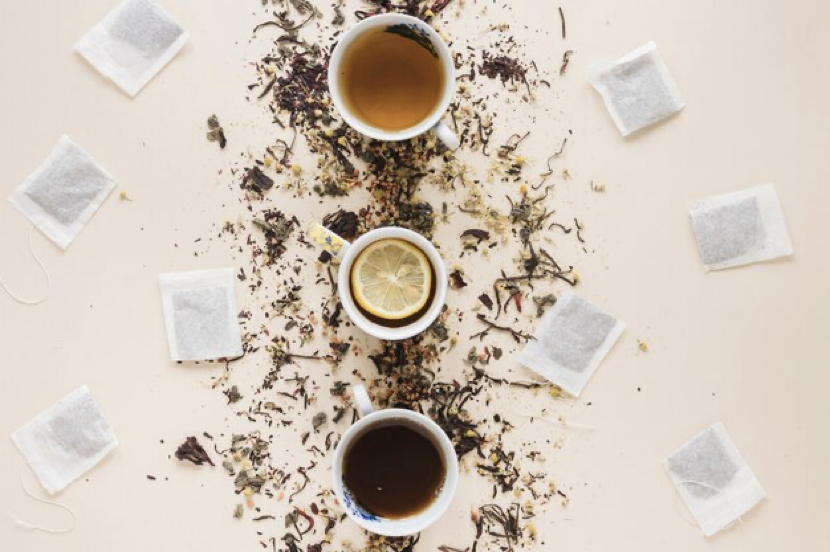
Drinking Habit of Black Tea
Drinking black tea is a living habit for may people, no matter one cup in the morning or after lunch, the flavour and warmth of black tea always make them enjoyable. However, the study did not tell us not to drink much, which is pretty important because the moderation is the key. Generally speaking, drinking one to three cups of black tea a day is both safe and beneficial, excessive drink might lead to several side effects, such as caffeine overdose, indigestion and so on.

Other Factors Affect Longevity
Although the study shows that black tea has potentially positive effect on longevity, we have to notice that the longevity also relates to a variety of factors, including heredity, circumstances, diet and life styles. Healthy modes of life are all the significant factors to expand your life, such as balanced diet, moderate exercise, nice sleep and psychological health management. Therefore, the black tea is helpful for enhancing health level, though, it can not be the only one routine for longevity.
Conclusion
In conclusion, study reveals drinking one or more black tea is good for increasing life span, especially in improving cardiovascular health and the risk of certain diseases, however, the healthy life styles and eating habits can not be ignored as well. The black tea can be a part of our daily lives, bringing us benefits, but most importantly, only having overall health perception can we reach the goal of genuine health and longevity. Hope this study can draw more people’s attention on black tea, and let’s enjoy both the black tea and our luminous lives!

Easy Yoga Routine Helps Reduce Your Fatigue
Fatigue is a common issue that many of us face on a daily basis, whether it's due to work, stress, or simply the demands of everyday life. While getting enough sleep and maintaining a healthy diet are essential for combating fatigue, there are also other effective methods that can help, such as incorporating yoga into your daily routine. Yoga is a form of exercise that combines physical postures, breathing techniques, and meditation to promote relaxation, increase flexibility, and reduce stress. Here's an easy yoga routine that you can do at home to help reduce fatigue and rejuvenate your body and mind.Start with a Warm-UpBefore beginning your yoga routine, it's important to warm up your muscles to prevent injury. Start by standing tall with your feet hip-width apart and take a few deep breaths, focusing on filling your lungs completely with air. Then, move into a gentle sun salutation sequence, which consists of a series of poses that flow smoothly from one to the next. This sequence helps to warm up your entire body and prepare you for the more challenging poses that follow.Mountain Pose (Tadasana)Begin your yoga routine with Mountain Pose, a foundational pose that promotes good posture and helps to ground and center you. Stand tall with your feet hip-width apart, toes pointing forward, and knees slightly bent. Engage your core muscles and lift your chest, feeling tall and strong. Take a few deep breaths, focusing on your breath and allowing yourself to relax into the pose.Warrior II (Virabhadrasana II)From Mountain Pose, step your right foot forward about 3-4 feet, turning your right foot out 90 degrees and your left foot in slightly. Bend your right knee, keeping your knee aligned with your ankle, and raise your arms out to the sides, parallel to the floor and shoulder-height. Look over your right hand, keeping your gaze steady. Hold for several breaths, then repeat on the other side. Warrior II helps to strengthen your legs and open your hips and chest, promoting a sense of strength and stability.Tree Pose (Vrksasana)Stand tall with your feet hip-width apart and shift your weight onto your left foot. Slowly lift your right foot and place the sole of your right foot against the inside of your left leg, either on your calf or thigh. Raise your arms above your head, palms facing each other, and focus on keeping your balance. Hold for several breaths, then repeat on the other side. Tree Pose helps to improve balance, focus, and concentration, as well as promoting calmness and relaxation.Child's Pose (Balasana)Kneel on the floor with your knees hip-width apart and your toes touching. Sit back onto your heels, then lower your torso forward, resting your forehead on the floor or a block. Extend your arms forward, palms facing down, and relax your shoulders and neck. Hold for several breaths, allowing yourself to fully relax and release any tension in your body. Child's Pose is a deeply restorative pose that helps to calm the mind and soothe tired muscles.Corpse Pose (Savasana)Lie down on your back with your legs straight and your arms at your sides, palms facing up. Close your eyes and take several deep breaths, focusing on your breath and allowing yourself to fully relax. Stay in Corpse Pose for several minutes, allowing your body and mind to unwind and rejuvenate. Corpse Pose is the perfect way to end your yoga routine, as it promotes relaxation and helps to reduce stress and fatigue.

Cancun: From A Fishing Village to A Party Destination
Located on the white-sand beaches of Mexico's Yucatán Peninsula, hailed as one of our planet's most breathtaking party spots, Cancun is a transformation from small fishing village to worldwide tourist hub. It used to be a sleepy, unknown spot in the Mexican corner of nothingness but Cancun is now one helluva bait, enticing millions every year with its sun-soaked beaches, pulsating nightlife and enough things to do.Former HistoryCancún's evolution adventure first started in the 1960s with a courageous move the Mexican government made. The government started what would become the "Cancun Project" in 1969, to take advantage of its natural beauty and potential unexploited sites, construction officially begun on 1970. What was designed to be a lavish plan, for the most part showed projections of an ideal modern city home that featured luxury hotels and resorts some with golf courses include in their portfolio along side international airports, well integrated residential areas associated all living within natural environs on many forward looking slides.Cancun has finally arrived on the world tourism map after decades of often creative master planning and more than relentless development. Nowadays the city offers pristine sandy beaches, luxurious hotels and resorts aplenty, a buzzing nightlife scene, and virtually every form of entertainment imaginable. Thousands of tourists from around the world come to Cancun every year, lured by its myriad beaches and all-night fun.Historic LandscapesAs well as their beautiful natural landscape and established tourist economy, Cancun offers a rich history which provides culture for its visitors. Guests are invited to explore the ancient Mayan ruins close by and venture into a mysterious world filled with magnificence. For instance, a short drive away from Cancun is the Mayan archaeological site of Chichén Itzá which shows off beautiful architecture and sculptures that speak to the greatness of this civilization.Diverse and electric, Cancun is as much about its nightlife as it is. Besides the usual bars and clubs, it is also home to more quirky nights out like Lucha Libre, Mexican wrestling. With this mesmerizing display of color as wrestlers wear beautiful masks and fight, tourists will walk away with an idea of what the culture is about from the other end.Natural LandscapesThere are also pristine natural environments, just like these surrounding Cancun. The city has some of the best beaches with powdery white sand and clear waters just down the coast, you will find dense tropical rainforest full of life alongside brilliant coral reefs and underwater cave systems perfect for discovery. These magical gifts of nature provide plenty to explore and see as well as enrich the local ecosystem, and biodiversity.Why It’s a SuccessCancun is not only that successful by mere happenstance. It came together by mountaintop threads of the Mexican vision and investment, woven with work that we have come to see in Tenango culture as so integral. The government has established aggressive tourism guidelines and master plans which have provided a solid platform for Cancun's evolution. At the same time, locals have played a significant part in the tourism industry and guests receive thorough care and vivid impressions.ConclusionIn short, the transformation of Cancun from a small fishing village to an international tourism mecca is indicative of both governmental protection and local ZIP. Initially, Cancun really only ever existed as an idea but it is a city rich with culture that has now become known throughout the world. Cancun will definitely face new obstacles and chances as the global tourism industry keeps on changing.

An Overall Summary of Machine Learning's Roles
Whether it's tailored content on streaming sites or self-driving cars that can melt into, say, Tehran traffic, machine learning's implications are vast and, in some cases, still not fully understood. To understand the impact fully, one must look more closely at the role machine learning is playing in our world, at its benefits, challenges, and what it may hold in future.Machine learning is, essentially, a sub-type of artificial intelligence that teaches computer systems to learn from data, recognize patterns and make decisions, all with little human intervention. However, unlike typical programs that you hand to the PC to follow, ML models learn by being given lots and lots of data. This adaptability and versatility is what makes machine learning so useful in applications where there's a large amount of data, but manual analysis would be neither feasible nor comprehensively reproducible.Consumer tech is one of the most obvious use-cases for machine learning. Companies such as Netflix, Amazon, and Spotify use ML algorithms to understand user behaviour and to provide recommended content. These solutions not only improve the user experience, but they also increase engagement and money. Likewise, virtual assistants like Siri, Alexa, and Google Assistant use a form of machine learning called natural language processing (NLP) to understand and answer human questions. The ease of use of such technologies is a testament to ML's impact on making tasks easier and more accessible.Outside of the consumer space, machine learning is transforming the world of healthcare, finance and manufacturing. ML algorithms are also employed in healthcare to diagnose diseases, forecast patient sickness, and even help discover new drugs. For example, image recognition models are able to closely and effectively analyze medical scans, helping radiologists diagnose conditions such as cancer more rapidly. In finance, machine learning ensures the industry can keep its fraud detection systems, algorithmic trading and credit scoring running optimally while diminish risks and streamline business operations. On the manufacturing front, predictive maintenance with ML prevents downtime by predicting ahead of time when equipment failure might strike.Despite its benefits, machine learning is not free of challenges. One of the main concerns is ethical consideration of discrimination in algorithms. Because ML models are trained on historical data, they can pick up biases and unfairly biased outcomes can then occur in hiring, lending, law enforcement and other areas. This problem can only be tackled by ensuring fairness in the training data, and by creating fair-aware algorithms. Moreover, the “black box” problem for some ML models, especially deep learning algorithms, has the potential to compromise transparency. When decisions are rendered by complex algorithms that the designers themselves cannot fully understand, the issue of accountability looms large.Another issue is the carbon and computational cost of training huge ML models. State-of-the-art algorithms like those that power generative AI take an unfathomable amount of data and machine power to run, meaning a huge amount of energy consumption. As interest continues to grow in more complex models, sustainable options will be essential to reduce the environmental impact of machine learning.In the future, breakthroughs in domains such as reinforcement learning and quantum computing could produce entirely new capabilities that allow machines to solve problems they currently can't. Additionally, when ML becomes combined with other disruptive technologies, including the Internet of Things (IoT), blockchain will result in new and disruptive solutions across domains. As an example, smart cities might leverage ML for optimizing traffic flow, reducing energy consumption, and enhancing public safety.In summary, machine learning is the bedrock of contemporary technological advancement with its impact being felt in all fields of life. Its potential is undeniable, but there are ethical, transparency and sustainability issues to be worked out in order to develop it in a responsible way. As we grapple with the power and prospects of ML, it is becoming increasingly apparent that the future of ML is the future of society and that society's relationship to ML will only become more inextricable. The story of machine learning is by no means finished, and the next chapters are likely to be as fantastic as any of the others.

The Multifaceted Benefits of Various Types of Exercise for Your Body
Normal exercise is a fundamental part of a sound way of life. In this article, we will investigate the special benefits of a few sorts of exercises, including oxygen consuming activity, strength training, flexibility exercise, and mind-body practice.Aerobic Exercise1. Worked on Cardiovascular Wellbeing: Normal high-impact practice fortifies the heart and works on cardiovascular perseverance. It lessens the gamble of coronary illness, brings down pulse, and upgrades the productivity of the circulatory framework.2. Expanded Endurance and Perseverance: Taking part in exercises like running, swimming, cycling, or lively strolling further develops endurance and perseverance. Ordinary vigorous activity permits the body to convey oxygen and supplements effectively to the muscles, postponing weariness during proactive tasks.3. Weight The board: High-impact practices are powerful in consuming calories and advancing weight reduction. They assist with making a calorie shortage, adding to a sound body weight and lessening the gamble of heftiness related conditions.4. Temperament Improvement: Oxygen consuming activities discharge endorphins, which are normal mind-set promoters. Standard cooperation in high-impact exercises can decrease side effects of uneasiness and discouragement, work on mental prosperity, and advance better rest designs.Strength Training1. Expanded Muscle Strength: Strength preparing works out, for example, weightlifting or utilizing opposition groups, advance muscle development and improve generally strength. Solid muscles support joint security, further develop act, and decrease the gamble of wounds.2. Bone Well being: Strength preparing assists increment with boning thickness, lessening the gamble of osteoporosis and cracks. It animates the creation of new bone tissue, making bones more grounded and stronger.3. Metabolic Lift: Developing bulk through fortitude preparation builds the body's metabolic rate. Indeed, even very still, muscles consume a larger number of calories than fat, which can support weight the executives and weight reduction objectives.4. Worked on Useful Wellness: Strength preparing improves the capacity to perform day to day exercises easily. It further develops equilibrium, coordination, and useful developments, making errands like lifting weighty articles or climbing steps more sensible.

Drinking Black Tea Lowers Risk of Death
Recently, more and more studies have found that eating and drinking habits play profound effects in humans’ health and longevity, among which the black tea, as a common drink, draws great public attention because of its potential benefits. One latest research shows drinking two or more cups of black teas a day may have a positive benefits on longevity, which offers a new angle about the habit of drinking tea for us.Health Ingredients of Black TeaThe black tea is full of multiple bioactive ingredients, especially polyphenolic compounds. These ingredients not only equip black tea with unique flavour, but also makes it antioxidative, anti-inflammatory, and cardiovascular-protected. Research shows that polyphenolic substances can reduce the amount of radicals in human bodies in order to lower the risk of chronic disease. Besides, the fluoride and theanine in the black tea is considered to be helpful and beneficial for improving heart health and immunity.Introduction of Study ResultsOne long time research focuses on thousands of adults finds that those who drink two or more black tea a day have the less chance to get cardiovascular disease and certain cancers. By analyzing the participants’ drinking habits, life styles and health conditions, the study group found those who drink black tea ever day have less rate to die, reduced about 20%. This result aroused much public debate, a lot of people start to take black tea seriously and put it in an important position on daily diet.Drinking Habit of Black TeaDrinking black tea is a living habit for may people, no matter one cup in the morning or after lunch, the flavour and warmth of black tea always make them enjoyable. However, the study did not tell us not to drink much, which is pretty important because the moderation is the key. Generally speaking, drinking one to three cups of black tea a day is both safe and beneficial, excessive drink might lead to several side effects, such as caffeine overdose, indigestion and so on.Other Factors Affect LongevityAlthough the study shows that black tea has potentially positive effect on longevity, we have to notice that the longevity also relates to a variety of factors, including heredity, circumstances, diet and life styles. Healthy modes of life are all the significant factors to expand your life, such as balanced diet, moderate exercise, nice sleep and psychological health management. Therefore, the black tea is helpful for enhancing health level, though, it can not be the only one routine for longevity.