


Embracing Flexibility: The Health Benefits and Pathways to Increased Flexibility
Flexibility is a fundamental component of physical fitness that often takes a back seat to cardiovascular endurance and strength training. However, the importance of flexibility should not be underestimated. Flexibility refers to the range of motion in a joint or group of joints and the ability of muscles and tendons to stretch effectively. Embracing flexibility not only enhances physical performance but also offers a myriad of health benefits that contribute to overall well-being. In this article, we delve into the significance of flexibility, its health advantages, and practical ways to improve and maintain flexibility in daily life.
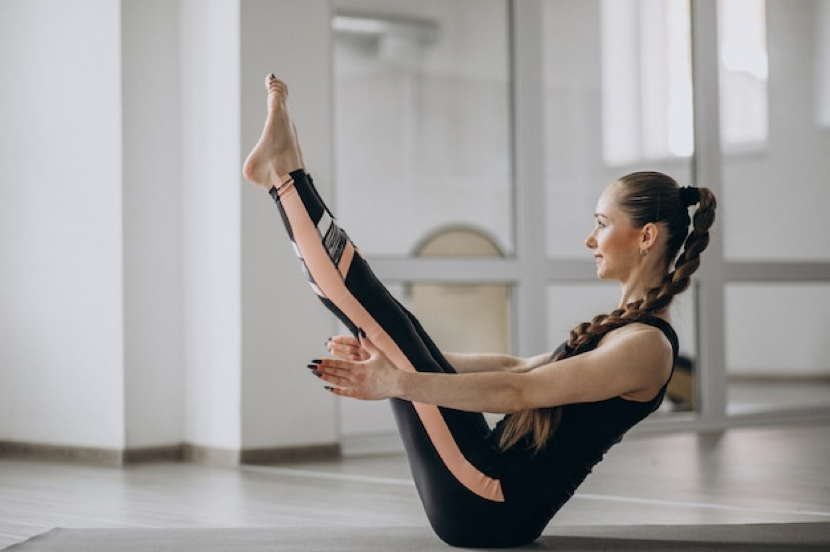
The Health Benefits of Flexibility
1. Injury Prevention
One of the primary benefits of flexibility is its role in injury prevention. When muscles and tendons are flexible, they are better equipped to handle stress and strain during physical activities. Improved flexibility reduces the risk of muscle strains, ligament sprains, and other common injuries, especially during activities that require sudden or extreme movements.
2. Improved Posture
Flexibility plays a crucial role in maintaining proper posture. Tight muscles can pull the body out of alignment, leading to poor posture and a host of associated issues such as back pain, neck pain, and headaches. By enhancing flexibility in key muscle groups, individuals can improve their posture and reduce the likelihood of developing chronic postural problems.
3. Enhanced Range of Motion
Increased flexibility translates to an expanded range of motion in joints, allowing for more fluid and efficient movement. This is particularly beneficial for athletes, dancers, and individuals engaged in physical activities that require a wide range of motion. A greater range of motion not only improves performance but also enhances overall mobility and agility.
4. Stress Relief
Flexibility exercises, such as yoga and stretching, promote relaxation and stress relief. Stretching helps release tension in muscles, alleviate tightness, and promote circulation, leading to a sense of physical and mental relaxation. Incorporating flexibility exercises into a daily routine can contribute to stress reduction and improved mental well-being.
5. Joint Health
Maintaining flexibility is essential for joint health and function. Flexible muscles and tendons help support the joints, reducing the risk of joint pain, stiffness, and degenerative conditions such as osteoarthritis. By preserving joint mobility through flexibility exercises, individuals can enhance joint health and longevity.
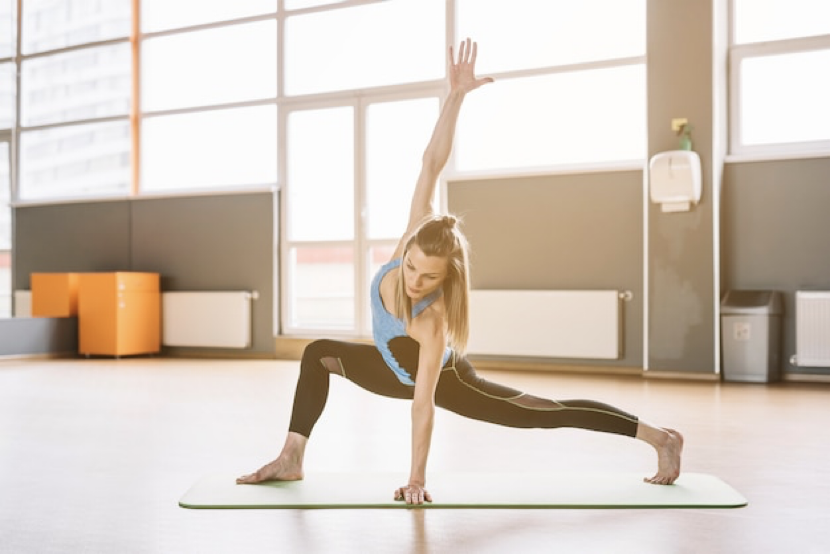
How to Improve Flexibility
1. Stretching Exercises
Incorporate regular stretching exercises into your fitness routine to improve flexibility. Dynamic stretches before exercise help warm up the muscles, while static stretches after exercise help lengthen and relax the muscles. Focus on stretching major muscle groups such as the hamstrings, quadriceps, calves, shoulders, and back.
2. Yoga and Pilates
Participating in yoga or Pilates classes can significantly enhance flexibility, strength, and balance. These mind-body practices combine stretching exercises with strengthening movements to improve overall flexibility and body awareness. Attending regular classes led by experienced instructors can help individuals progress in their flexibility journey.
3. Foam Rolling
Foam rolling is a self-myofascial release technique that helps release muscle tightness and improve flexibility. By using a foam roller to apply pressure to specific muscle groups, individuals can reduce muscle tension, increase blood flow, and enhance flexibility. Incorporate foam rolling into your post-workout routine to aid in muscle recovery and flexibility maintenance.
4. Stay Hydrated
Proper hydration is essential for maintaining muscle elasticity and joint lubrication, both of which are vital for flexibility. Drinking an adequate amount of water throughout the day helps keep muscles hydrated and supple, supporting flexibility and reducing the risk of muscle cramps and stiffness.
5. Consistency is Key
Improving flexibility is a gradual process that requires consistency and dedication. Set aside time each day for stretching and flexibility exercises, and gradually increase the intensity and duration of your stretches as your flexibility improves. Be patient with yourself and celebrate small milestones along the way.
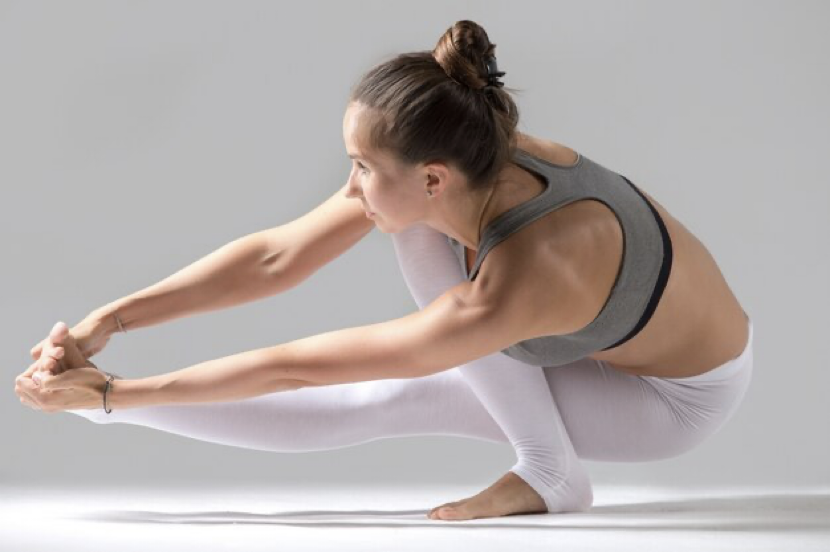
Conclusion
In conclusion, flexibility is a cornerstone of physical health and well-being, offering a host of benefits that extend beyond mere physical performance. By prioritizing flexibility through regular stretching, yoga, Pilates, and other flexibility-enhancing practices, individuals can improve their posture, prevent injuries, enhance range of motion, alleviate stress, and promote joint health. Embrace flexibility as an integral component of your fitness routine and enjoy the numerous advantages it brings to your overall health and quality of life.

Ho Chi Minh City: Fun of Motorcycles
In the east of the world, there is a country famous for its special culture, long history and rich natural landscapes which is called Vietnam. However, in the south of Vietnam, a city called Ho Chi Minh City leaves all the travelers profound impressions with its unique pace and vigor. Ho Chi Minh City, formerly known as Saigon, got its name from a Vietnam's revolutionary leader. It not only carries the profound history, but also contains a myriad of motorcycles all over the city corners, which is such a fun attracts travelers.Overview of the CityWhen stepping into Ho Chi Minh City, the only thing first comes into you eyes is the motorcycles all over the streets like rivers and tides. The motorcycles go across the narrow roads, sometimes crowd into a group, sometime separate into spots, consisting a vivid scenery line of the city. In Ho Chi Minh City, motorcycles are not only the media of transportation but also a lifestyle of the ordinary people and labors to make livings, even a cultural mark. They integrate into the daily lives of citizens, becoming an indispensable part in Ho Chi Minh.Why There Are Lots of MotorcyclesEarly in the morning, when the first sunlight go through the windows and wakes up the whole city, the workers on motorcycles are ready to start. The labors, students, merchants and so on, almost everyone possesses a motor. There are differences in motors, such as the shape, size, color, decoration and function, but the only common thing is that they are all fast and quick, which makes them go across the crowded streets freely and liberally without the annoyance of being blocked by the traffic jams. For the citizens in Ho Chi Minh, possessing a motorcycle is more than anything.What Can Travelers DoWhile for the visitors, experiencing a motorcycle in person is undoubtedly the best way to explore Ho Chi Minh City. Rent a motorcycle, put your helmet on, ride across the city streets and roads, you will discover that a lot o stories are hidden in these streets. From busy Van wu Street to the quiet Saigon post office, from the lively unified Palace to the artistic museum of war relics, you can feel every detail of the city in person on the motorcycle.In the meantime, there is one thing you need to think over that how to keep balanced when riding a motorcycle and how to make right decisions when facing complex road situation are important for the beginners. However, it is this kind of challenge that makes the motorcycle more exciting and interesting. You will get a sense of success after escaping a sudden vehicle and going across the narrow streets nimbly every time, which is incomparable by any transportation.ConclusionTo conclude, in Ho Chi Minh City, embracing the mess of motorcycles is embracing the soul of the city. The motorcycles in Ho Chi Minh is not only a way for commuting, but also a cultural experience, and even an attitude towards life. Here is an energetic and inclusive land that offers you excitement and freedom and profound thoughts on yourself, your life, your dream and your future. In this era full of challenges and opportunities, everyone is writing their own stories in their own way. The motorcycles in Ho Chi Minh City is the most vivid and distinct of these stories.

Step by Step Instructions to Wear a Wig
Wigs, as a fashion and practical accessory, are increasingly being used by people.However, wearing a wig is not a simple matter and requires a certain amount of skill and patience. This article will detail the steps and precautions on how to wear a wig.1.Choose the right wigIt is pivotal to pick the right hairpiece. In the acquisition of hairpieces, you need to pick as per your head type, hair quality, hairdo and different variables. By and large, material of hairpieces can be isolated into two classes: fake hair and genuine hair. The upside of counterfeit hair is that it is not difficult to deal with and the cost is generally low; The benefit of genuine hair is that it is more normal and sensible, yet the cost is higher. While picking, you can make compromises in light of your requirements and financial plan.2.Prepare tools and hairBefore wearing a wig, you need to prepare some necessary tools and hair. Tools include combs, hair clips, small black clips and gloves; When it comes to hair, you need to make sure your hair is clean, dry and oil-free. If the hair is relatively long, it is recommended to cut it short first, so that it is easier to care and wear the wig.3.The steps of wearing a wigPut the wig on your headFirst, put the wig on your head, making sure it fits your own hair. Be careful not to pull the wig too hard, so as not to damage or cause discomfort to the scalp.Adjust the wig positionAfter putting on the wig, you need to adjust its position. Use a comb or your fingers to gently comb the wig so it blends in more with your own hair. At the same time, pay attention to adjusting the Angle and position of the wig to make it look more natural.Secure with bobby pinsIn order to prevent the wig from falling off or shifting, hair clips can be used to secure it. When fixing, be careful not to pull the hair excessively, so as not to cause pain or damage.Tidy up the detailsFinally, tidy up the details of the wig. Check if there are warped or uneven areas, and use a comb or fingers to gently comb it to make it look more natural and realistic.

Unlock the Secrets of Tesla Dog Mode: A New Experience for People and Pets
With the rapid development of science and technology, the automobile industry has also ushered in unprecedented changes. Among them, Tesla's Dog Mode is a feature that has attracted attention, which provides a more comfortable and safe travel experience for pet owners.1.Background and significance of the Tesla Dog modelIn modern society, pets have become an indispensable member of many families. However, during the driving process, how to ensure the safety and comfort of pets is a problem that cannot be ignored. The emergence of the Tesla dog model is to solve this problem. With smart controls, Tesla Dog Mode is able to provide a safe and comfortable environment for pets while parked, ensuring they are well cared for even inside the vehicle.2.The functional characteristics of Tesla dog modeThe Tesla Dog Mode has a variety of functional features designed to meet the needs of different pet owners. First of all, the mode can automatically adjust the temperature in the car, ensuring that the pet does not feel too hot or too cold in the car. Second, Tesla Dog Mode can also display real-time temperature information in the car, allowing owners to keep abreast of the environmental conditions of their pets. In addition, Tesla also allows pets to enjoy comfortable facilities such as music and air conditioning in the car through the intelligent control system, further enhancing the travel experience of pets.3. Operation and use of Tesla Dog modeThe operation of Tesla Dog Mode is very simple and convenient. When owners need to leave the vehicle, they can simply choose to turn on dog mode through Tesla's center screen or mobile app. When this mode is turned on, the vehicle automatically adjusts the interior environment to ensure the comfort and safety of the pet. At the same time, the Tesla dog mode will also display the words "pet in the car, air conditioning is turned on" on the window, as well as real-time temperature information in the car to remind passers-by to pay attention to the pet's condition.

How to Skillfully Use Textile Wall Hangings to Elevate Home Design?
Textile wall hangings have long been prized for their ability to infuse spaces with warmth, texture, and character.In modern home decor, these versatile pieces have found new ways to shine, adding a unique touch to various areas within the home. In this article, we will delve into the intricate details of how textile wall hangings can be creatively used to enhance different spaces in home design.Living Room:In the living room, a large, intricately woven textile wall hanging can serve as a captivating focal point, drawing the eye and adding depth to the space. Whether it's a handcrafted tapestry with a nature-inspired motif or a bohemian macramé wall art, the tactile and visual appeal of the piece can set the tone for the entire room. Additionally, smaller textile wall hangings can be layered with other forms of art to create a dynamic, multi-dimensional gallery wall.Bedroom:In the bedroom, a textile wall hanging can introduce a sense of serenity and style. A carefully chosen piece suspended above the bed can create a cozy, cocoon-like atmosphere, offering an alternative to a traditional headboard. Alternatively, a collection of smaller fabric wall hangings can be arranged in a cluster to inject a touch of color and personality into the room.Dining Area:When used in the dining area, a textile wall hanging can contribute to a warm and inviting ambiance. A hand-dyed fabric wall hanging or a woven tapestry can add an artisanal touch to the space, complementing the dining table and chairs. It can also serve as a unique conversation starter, offering a glimpse into the homeowner's individual style.

Tesla Dog Mode: A Safe and Comfortable Canine Mobility Solution
Tesla, the renowned electric vehicle manufacturer, is known for its innovative features that revolutionize the driving experience.In this article, we will explore Tesla Dog Mode, its benefits, how to activate it, and why it has become a popular choice for pet owners.Understanding Tesla Dog ModeTesla Dog Mode is a specialized feature that allows Tesla owners to create a safe and comfortable environment for their dogs while they are parked in the car. It ensures that the cabin temperature remains at a suitable level, while also displaying a message on the vehicle's touchscreen to inform passersby that the dogs are safe and being monitored.Benefits of Tesla Dog ModeTesla Dog Mode offers several benefits for both pet owners and their furry friends:1. Temperature Regulation: One of the primary concerns when leaving dogs in a parked car is the risk of overheating or becoming too cold. Tesla Dog Mode addresses this issue by automatically maintaining a comfortable temperature inside the vehicle, regardless of external weather conditions.2. Safety and Security: The message displayed on the touchscreen informs passersby that the dogs are safe and the temperature is being monitored. This helps alleviate concerns about the dogs' well-being and reduces the likelihood of any unnecessary intervention or breaking into the vehicle.3. Peace of Mind: Knowing that their dogs are safe and comfortable allows pet owners to run errands or make quick stops without worrying about their pets. This feature provides peace of mind and enhances the overall travel experience for both humans and dogs.Activating Tesla Dog ModeActivating Tesla Dog Mode is a simple process:1. Ensure that your Tesla vehicle has the latest software update.2. Park the vehicle in a safe location and engage the parking brake.3. From the vehicle's touchscreen, navigate to the Climate menu.4. Select the Dog Mode option.5. Set the desired temperature for the cabin, ensuring it is comfortable for your dog.6. Exit the vehicle, making sure to leave the doors locked.