


How to Skillfully Use Textile Wall Hangings to Elevate Home Design?
Textile wall hangings have long been prized for their ability to infuse spaces with warmth, texture, and character.
In modern home decor, these versatile pieces have found new ways to shine, adding a unique touch to various areas within the home. In this article, we will delve into the intricate details of how textile wall hangings can be creatively used to enhance different spaces in home design.
Living Room:
In the living room, a large, intricately woven textile wall hanging can serve as a captivating focal point, drawing the eye and adding depth to the space. Whether it's a handcrafted tapestry with a nature-inspired motif or a bohemian macramé wall art, the tactile and visual appeal of the piece can set the tone for the entire room. Additionally, smaller textile wall hangings can be layered with other forms of art to create a dynamic, multi-dimensional gallery wall.
Bedroom:
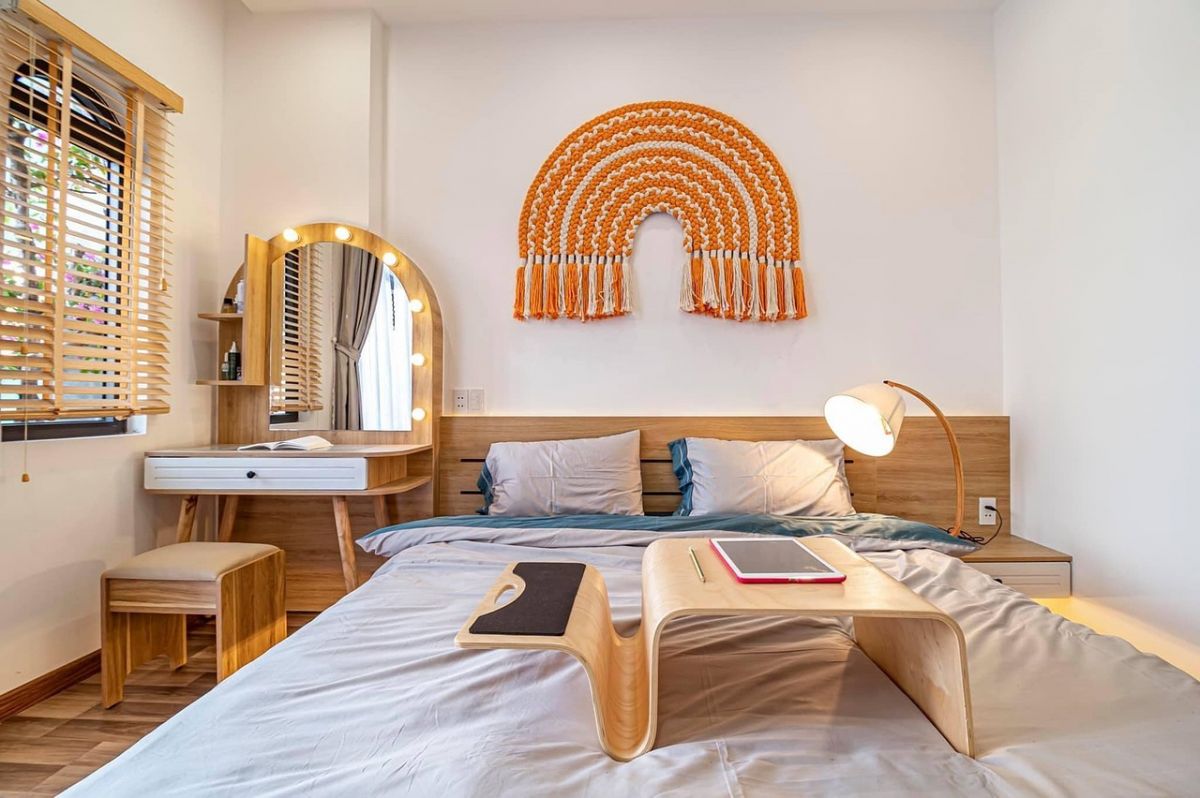
In the bedroom, a textile wall hanging can introduce a sense of serenity and style. A carefully chosen piece suspended above the bed can create a cozy, cocoon-like atmosphere, offering an alternative to a traditional headboard. Alternatively, a collection of smaller fabric wall hangings can be arranged in a cluster to inject a touch of color and personality into the room.
Dining Area:
When used in the dining area, a textile wall hanging can contribute to a warm and inviting ambiance. A hand-dyed fabric wall hanging or a woven tapestry can add an artisanal touch to the space, complementing the dining table and chairs. It can also serve as a unique conversation starter, offering a glimpse into the homeowner's individual style.
Home Office:
In a home office or workspace, a textile wall hanging can serve as a source of inspiration and creativity. Whether it features motivational quotes, intricate patterns, or calming colors, the piece can help create a harmonious and stimulating environment. Additionally, the texture and visual interest of the wall hanging can provide a welcome break from the rigidity of a traditional office setting.
Entryway:
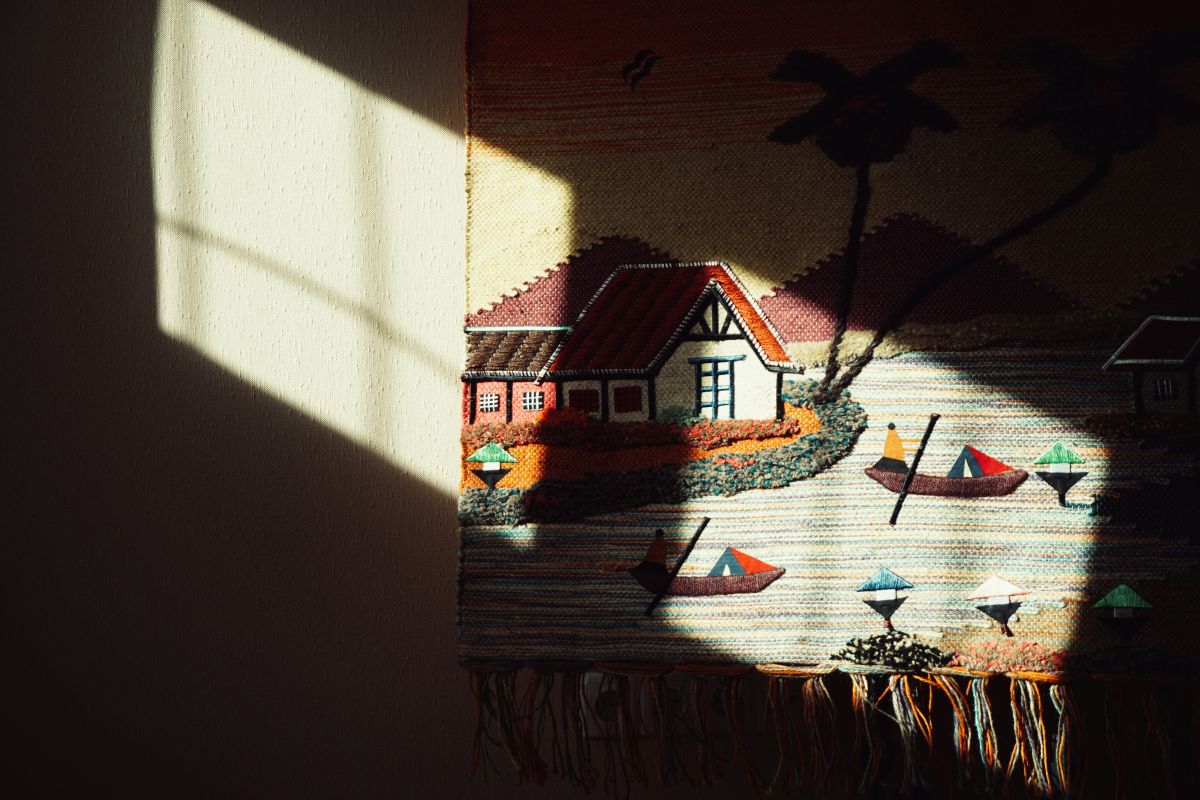
A textile wall hanging in the entryway can make a bold and inviting statement, setting the tone for the rest of the home. Whether it's a woven wall hanging, a fabric tapestry, or a macramé creation, it can add a touch of artistry and warmth, turning a functional space into a welcoming and visually captivating area.
Textile wall hangings possess an unparalleled ability to inject personality and charm into home decor. Their versatility allows them to be incorporated into various spaces, from the living room to the bedroom, dining area, home office, and entryway. With their intricate details, vibrant colors, and rich textures, these pieces contribute to a layered and visually captivating home environment, showcasing the homeowner's individuality and artistic sensibility.

A Comprehensive Guide to Choosing Athletic Apparel
Choosing the right athletic apparel is crucial for both comfort and performance during physical activities.With the plethora of options available in the market, it can be overwhelming to select the perfect outfit. In this comprehensive guide, we will explore the key factors to consider when choosing athletic apparel and provide valuable insights to help readers make informed decisions.Fabric Selection: Performance and ComfortThe choice of fabric plays a significant role in athletic apparel. Look for moisture-wicking and breathable materials such as polyester blends or merino wool for activities that induce sweat. For cold weather, opt for insulating fabrics like fleece or thermal compression wear. Always prioritize comfort and flexibility without compromising on performance.Fit and Functionality: Finding the Perfect BalanceThe fit of athletic apparel should provide freedom of movement while maintaining a snug and supportive feel. Consider the specific requirements of the activity – for example, loose-fitting clothing may be preferred for yoga, while compression wear is beneficial for high-intensity workouts. Additionally, check for features such as reflective elements for night runs, and pockets for storage during long hikes or runs.Layering is essential for adapting to changing weather conditions and regulating body temperature during physical activities. Start with a moisture-wicking base layer, add insulating layers for warmth, and finish with a waterproof and breathable outer shell for protection against the elements. This strategy allows for easy adjustment as the body heats up or the weather shifts.

Fish Oil Supplements: Potential Risk of Stroke
For quite a long time, fish oil supplements are popular among peoples because its rich omega-three fatty acids and considered to be beneficial for heart health, brain function and overall health. However, one paper published recently shows that fish oil supplements may increase the risk of stroke and heart issues.Overview of the StudyThe study guided by the researchers from Harvard University and Brigham and Women's Hospital, analyzed over 25,000 participants who have not gotten angiocardiopathy before the study began. The researchers followed their health conditions almost 12 years and recorded the fish oil supplements data they used. To our surprise, study found compared to the people not eat fish oil supplements, they showed extra 18% risks of getting stroke, and extra 8% risks of heart issues. These results are clear comparison with its benefits we think before.Why Fish Oil Supplements Cause This ProblemSo, why fish oil supplements have this uncontemplated side effects? The researchers proposed several possible explanations.Uncertain qualities of fish oil supplements: There are a variety of fish oil supplements in the market with different kinds of qualities. Some products of inferior quality may be filled with pollutants, such as heavy metals and polychlorinated biphenyl, which will be harmful to our health.Dose and type of omega-3 fatty acids: Not all omega-3 fatty acids are the same.Omega-3 fatty acids have two main ingredients, EPA and DHA, they have different effects in health. Besides, extra omega-3 fatty acids may result in hemodilution and increase the risk of hemorrhagic stroke.Individual difference: Everybody shows different reactions to omega-3 fatty acids. Some may be more sensitive to omega-3 fatty acids and more likely to have untoward effects.Suggestions We Should KnowThe study results reminds us that we should be cautious and careful before eating fish oil supplements, here are some suggestions:Consult a doctor: Before taking any supplements, please consult your doctor, especially when you have some potential health problems.Choose those with superior qualities: Purchase third party certified fish oil supplements to ensure their quality and purity.Care for the dose: Strictly follow the dose recommended on the tag, don’t take extra dose, moderation is the key.Consider other sources: If you worry about the risk of fish oil supplements, you can switch your methods, a lot of food is full of omega-3 fatty acids, such as Fat-rich fish, flaxseed, and chia seeds.

Vegetable Oil May Lower Risk of Dementia
With the severer aging problem in the whole world, dementia has been a more and more serious problem in public health. According to the statistics from World Health Organization, there are more then 50 million people who are suffering from dementia, in which this number will skyrocket twice as it’s now in the few decades. Study finds that diet plays a significant role in preventing dementia and it is reported that a daily dose of one vegetable oil may lower risk of dying from dementia.The nutrition of vegetable oilsVegetable oil is famous for its monounsaturated and polyunsaturated fatty acids, especially olive oil, flinseed oil, canola oil and so on. These healthy fat can improve the circulation of blood, lower the risk of inflammatory response and has positive impact on brain health. It is believed by the scientists that the healthy fat can protect our brains by a variety of mechanics, for example, it can help the neurons in growing and repairing themselves.Overview of the studyResearchers have found in a long run research mainly focuses on the old people that those participants with a regular intake of vegetable oil had a significantly lower incidence of dementia than those who did not consume vegetable oils or consume more animal fat. The research studied the eating habits and health conditions of certain hundreds of old people, and they drew the conclusion that the intake of vegetable oil has positive correlation with cognitive function.AntioxidantAntioxidant components in vegetable oils, such as vitamin E and polyphenolic substances, play important roles in preventing cognitive decline. The antioxidants can defend the free radicals from doing harm to cells in order to reduce the speed of aging. The polyphenolic substances in vegetable oil, especially those are already widely use in Mediterranean diet have been proved to be effective in lowering the risk of Alzheimer.Comprehensive lifestyleAlthough the study agrees that the vegetable oil can be a protection, other aspects in your life can not be ignored as well. A balanced diet, moderate exercise, enough sleep and social activities are also vital and essential for lowering dementia. Hence, we should also pay attention to the comprehensive lifestyle while putting vegetable oil into your daily diet.Moderate intakeIt is worth noting that we ought to follow the moderate intake of vegetable oil in our daily lives. Of course the vegetable oil is comparatively healthier than animal fat, but excessive intake may lead to weight increase and other unexpected health problems. It is suggested one or two spoons are adequate every day, which not only ensures our intake, but also prevents extra risks.

What Is the Best Material for Framing Restored Old Photos
A glass frame is a common photo mounting material that consists of a glass panel and a wooden or metal frame.1. Glass FrameThe transparency of the glass frame makes the photo clearly visible and can effectively block dust and moisture. In addition, the glass frame provides some protection from sunlight, air pollution and pollutants. Glass frames are a good choice for restored old photos. It canfully show the restoration effect of the photo and provide a certain protection. However, it should be noted that the glass frame may have a certain weight and fragility, so it needs to be handled carefully when hanging or handling to avoid accidental damage to the photo.2. Acrylic PanelAcrylic panel is a light and strong photo mounting material made of clear acrylic material. Compared to other materials, acrylic has lower weight and better resistance, so it is safer and easier to handle. The acrylic panel also can clearly show the details of the photo. Acrylic panels are an excellent choice for restored old photos. Not only does it provide protection from dust, moisture, and UV rays, it also enhances and improves the color and detail of your photos. In addition, the acrylic panel also has anti-reflection characteristics, which can reduce and lower the light reflection and make viewing more comfortable and clear.
Practical Tips for Indoor Wall Decoration: A Guide for Clients
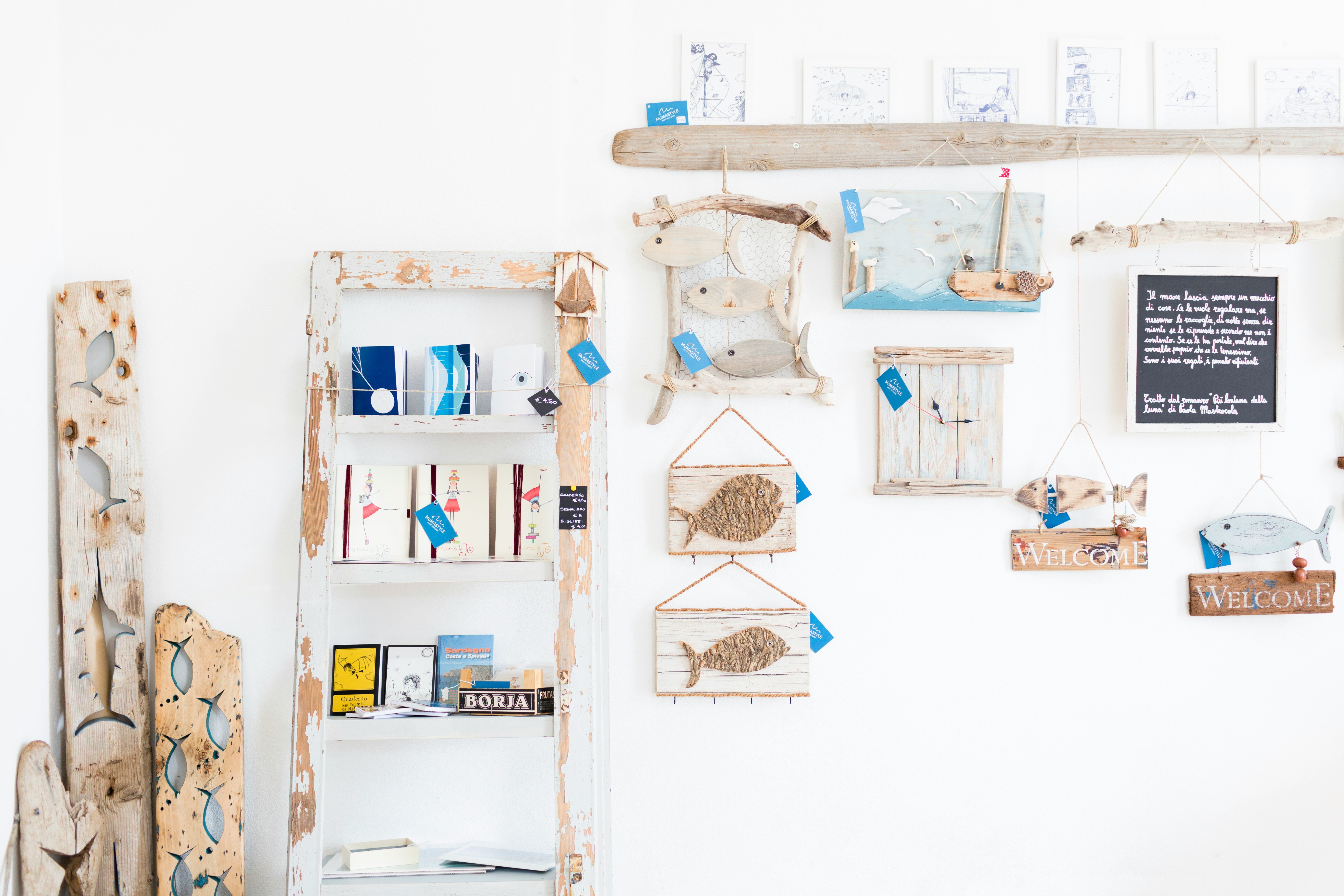
When it comes to interior design, one of the most impactful elements is wall decoration.Walls provide the canvas for your creativity and set the tone for the entire space. Whether you're looking to create a cozy atmosphere, make a bold statement, or simply add a touch of elegance, the way you decorate your walls can make a huge difference. To help you navigate the world of indoor wall decoration, here are some practical tips and suggestions to consider when selecting the perfect wall decor for your home.Choose the Right Color Scheme: The color of your walls can greatly influence the overall mood and ambiance of a room. Opt for colors that complement the existing furniture and decor in the space. Neutral tones like white, beige, and gray create a clean, versatile backdrop, while bold colors like navy blue, emerald green, or mustard yellow can make a statement and add depth to the room.Incorporate Texture and Dimension: Play with different textures and materials to add depth and interest to your walls. Consider using wallpaper with a unique pattern, textured paint, or adding wall panels for a modern touch. Mix and match different textures to create a visually appealing and dynamic space.Artwork and Wall Decor: Artwork is a great way to showcase your personality and style on your walls. Choose pieces that resonate with you and complement the overall design aesthetic of the room. Mix and match different sizes and types of artwork to create a gallery wall or focal point that serves as a conversation starter.