


Vegetable Oil May Lower Risk of Dementia
With the severer aging problem in the whole world, dementia has been a more and more serious problem in public health. According to the statistics from World Health Organization, there are more then 50 million people who are suffering from dementia, in which this number will skyrocket twice as it’s now in the few decades. Study finds that diet plays a significant role in preventing dementia and it is reported that a daily dose of one vegetable oil may lower risk of dying from dementia.

The nutrition of vegetable oils
Vegetable oil is famous for its monounsaturated and polyunsaturated fatty acids, especially olive oil, flinseed oil, canola oil and so on. These healthy fat can improve the circulation of blood, lower the risk of inflammatory response and has positive impact on brain health. It is believed by the scientists that the healthy fat can protect our brains by a variety of mechanics, for example, it can help the neurons in growing and repairing themselves.
Overview of the study
Researchers have found in a long run research mainly focuses on the old people that those participants with a regular intake of vegetable oil had a significantly lower incidence of dementia than those who did not consume vegetable oils or consume more animal fat. The research studied the eating habits and health conditions of certain hundreds of old people, and they drew the conclusion that the intake of vegetable oil has positive correlation with cognitive function.
Antioxidant
Antioxidant components in vegetable oils, such as vitamin E and polyphenolic substances, play important roles in preventing cognitive decline. The antioxidants can defend the free radicals from doing harm to cells in order to reduce the speed of aging. The polyphenolic substances in vegetable oil, especially those are already widely use in Mediterranean diet have been proved to be effective in lowering the risk of Alzheimer.

Comprehensive lifestyle
Although the study agrees that the vegetable oil can be a protection, other aspects in your life can not be ignored as well. A balanced diet, moderate exercise, enough sleep and social activities are also vital and essential for lowering dementia. Hence, we should also pay attention to the comprehensive lifestyle while putting vegetable oil into your daily diet.
Moderate intake
It is worth noting that we ought to follow the moderate intake of vegetable oil in our daily lives. Of course the vegetable oil is comparatively healthier than animal fat, but excessive intake may lead to weight increase and other unexpected health problems. It is suggested one or two spoons are adequate every day, which not only ensures our intake, but also prevents extra risks.

Conclusion
In conclusion, a daily dose of one vegetable oil may be an effectual way for lowering the risk of dying from dementia. In the future, may there be more studies to unlock the mysteries of vegetable oil in brain health and provide scientific accordance to dementia prevention. During the process of pursuing healthy life, combining the moderate intake of vegetable oil with other healthy lifestyles might offer a feasible method to help us defend dementia’s attack.

Step by Step Instructions to Wear a Wig
Wigs, as a fashion and practical accessory, are increasingly being used by people.However, wearing a wig is not a simple matter and requires a certain amount of skill and patience. This article will detail the steps and precautions on how to wear a wig.1.Choose the right wigIt is pivotal to pick the right hairpiece. In the acquisition of hairpieces, you need to pick as per your head type, hair quality, hairdo and different variables. By and large, material of hairpieces can be isolated into two classes: fake hair and genuine hair. The upside of counterfeit hair is that it is not difficult to deal with and the cost is generally low; The benefit of genuine hair is that it is more normal and sensible, yet the cost is higher. While picking, you can make compromises in light of your requirements and financial plan.2.Prepare tools and hairBefore wearing a wig, you need to prepare some necessary tools and hair. Tools include combs, hair clips, small black clips and gloves; When it comes to hair, you need to make sure your hair is clean, dry and oil-free. If the hair is relatively long, it is recommended to cut it short first, so that it is easier to care and wear the wig.3.The steps of wearing a wigPut the wig on your headFirst, put the wig on your head, making sure it fits your own hair. Be careful not to pull the wig too hard, so as not to damage or cause discomfort to the scalp.Adjust the wig positionAfter putting on the wig, you need to adjust its position. Use a comb or your fingers to gently comb the wig so it blends in more with your own hair. At the same time, pay attention to adjusting the Angle and position of the wig to make it look more natural.Secure with bobby pinsIn order to prevent the wig from falling off or shifting, hair clips can be used to secure it. When fixing, be careful not to pull the hair excessively, so as not to cause pain or damage.Tidy up the detailsFinally, tidy up the details of the wig. Check if there are warped or uneven areas, and use a comb or fingers to gently comb it to make it look more natural and realistic.

5 of the Most Long-lasting Latex Paint Colors
In the decoration process, choosing the right latex paint color can add lasting beauty to the home.However, many people in the choice of latex paint color often only focus on the current trend, but ignore the durability of the color. This article will introduce you to the 5 most long-lasting latex paint colors.1.Neutral color systemNeutral color system is the most classic and durable color in home decoration, mainly including white, beige, gray and so on. These colors not only have high durability, but also can be easily matched with other colors to create a simple, warm atmosphere for the home. When choosing neutral color latex paint, it is recommended to choose soft tones, such as light beige, light gray, etc., which can better integrate with natural light and artificial lighting to make the home space more comfortable.2.Light blueLight blue latex paint is a fresh, natural color that can bring peace and relaxation to the home. At the same time, light blue is also a very durable color that will not fade easily even if used for a long time. When choosing a light blue latex paint, it is recommended to choose a moderate saturation tone to avoid the color is too harsh or too dim. In addition, the light blue latex paint can also be matched with neutral colors such as white and beige to create a more harmonious home atmosphere.3.Light greenLight green latex paint is a vigorous color that can bring a natural and fresh feeling to the home. At the same time, light green is also a very durable color that will not fade easily even if used for a long time. When choosing light green latex paint, it is recommended to choose a light, bright green color to avoid the color is too harsh or too dim. In addition, the light green latex paint can also be matched with neutral colors such as white and beige to create a more comfortable home atmosphere.

What Is an All-Inclusive Vacation? A Complete Guide
An all-inclusive holiday, in general, is a holiday in which a tour operator assembles a full package deal for you that includes a flight or a train along with accommodations, transportation with meals, and other add-on facilities in a single bundle at the time of booking. This is a concept created to give you a relaxing vacation, where you can have a holiday without having to think about to extra costs. Favored in beach resorts, on cruise ships and at family-oriented attractions, the all-inclusive vacation package appeals to those who would rather not grab their wallet every 10 minutes along the way. But what, exactly, do they comprise? Are they worth the money? And are they safe? So, let’s dig deeper into these.1.What Does an All Inclusive Get You?The specifics of what is covered differ from resort to resort (most include accommodations, unlimited food and drink — at many properties, alcohol is part of the package, and some even offer wine and champagne — and access to on-site amenities, like pools, gyms and non-motorized water sports). And at least at some higher-tier properties, luxury perks — such as dining, spa credits — or even off-site excursions are included. Family-friendly destinations may have kids’ clubs and nonstop activities; adults-only resorts may feature rowdy nightlife and romance — or relaxation and peace and quiet — all alone.But keep in mind that’s not always what you will see. At a few resorts, the use of top-shelf liquor, specialty restaurants, spa services, motorized water sports or private excursions incurs an extra charge. You’ll need to know ahead of time what’s included and what’s not, so you’re not caught off-guard.2.Are You Suitable for All-inclusive Vacations?Whether an all-inclusive vacation is worth it, depends on individual interests and travel habits. If you like to eat, drink and ski/play at the resort without worrying about costs, then these packages can definitely save a bit money. Families, especially, appreciate the predictability of all-inclusive pricing since meals and kids’ activities are frequently included.But budget-focused travelers who would rather discover local restaurants themselves or do not drink that much alcohol might not experience the same benefit. Furthermore, if cultural immersion or adventure are their priorities, they may find being stuck in a resort holding them back. Costs can be low by comparing the prices of all-inclusive at that same destination to see which is more of a value.3.Are All-Inclusive Vacations Safe?Assuming is always concerned, particularly for those who are first timers. Distinguished all-inclusive resorts take guest security into consideration. Most are in relatively safe visiting areas (tourist sites are well-patrolled so are generally not dangerous).The truth is, you can have incidents anywhere; but it’s a good idea to research the destination, read recent reviews and to pick a brand name resort which has a good reputation you can trust. Standard precautions will also help travelers including keeping valuables safe and watching your alcohol intake.4.Is Every All-Inclusive the Same?Not at all. All-inclusive vacation quality and offerings can range on par with other non-all-inclusive hotels in the same location, to over-the-top luxury. At one end of the spectrum, budget resorts may have simple buffets and few drink options, while at the other end, luxury resorts serve gourmet meals alongside top-shelf liquor and personalized service. Some are set for the family with kids, whereas others are for lovers or colleagues.And the location can make a difference: A Caribbean resort is likely to focus on beach access, and mountain or safari lodges may plan guided trips. A similar consideration should also be given to reviews of the packages helping the tourists to select the best that suits their desires.5.Is All-Inclusive Right for You?I guess it depends on what sort of traveler you are and what you value most. If you’re seeking an easy, no-questions-asked vacation where everything you want to do is included in the cost of your stay — even meals and drinks — and everything’s taken care of for you, you may need to consider an all-inclusive resort. That makes it especially attractive to honeymooners, families and groups that crave something convenient.But if you enjoy doing your own thing and experiencing different cultures, and eating locally, then you may be a regular vacation kind of a traveler. And vacationers on a tight budget who don’t take advantage of all that a resort offers might be better off with a pay-as-you-go option.Sure, an all-inclusive vacation means sleeping accommodations, meals, and travel activities are often included at a bulk discount in one easy price tag with no surprise fees, but they’re not for everyone. And so, by knowing what’s included and by looking at your own travel style and by doing some homework on any number of options that are out there, you can figure out if this is the kind of vacation experience that resonates with you.
Five Must-Have Gym Apparatuses for Beginners at Home
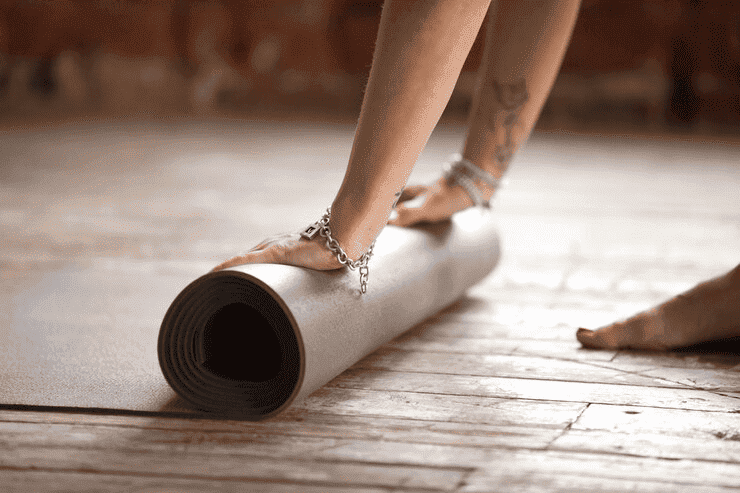
Embarking on a fitness journey from home can be invigorating and daunting, particularly for newbies. This might be one of the most overwhelming options regarding how to exercise. But a basic yet efficient home gym doesn't have to be expensive or take up a lot of room. Here's five must-have bits of kit that every newcomer should consider bringing to the table in order to maximize a home workout set-up.1.Yoga MatsOne of the most basic but essential items for your home gym is a yoga mat. Whether you are performing body weight exercises, stretching, yoga or Pilates, a high quality mat cushions your joints and helps prevent slippage between you and the floor. It creates a workout spot and keeps floor exercises such as planks, pushups and core work comfortable. Many novices tend to disregard the value of a mat until they have to do sit-ups on a hard floor, rest assured that sitting on one while at rest feels a whole lot better. Look for a non-slip, medium-thickness mat that strikes a balance between support and portability.2.Resistance BandsResistance bands are some of the most underrated but effective tools for beginners. These budget-friendly, lightweight bands come in different resistance levels, so you can work your way up in intensity as you get stronger. They're great for strength training, mobility work and even stretching. Resistance bands are compact and fit in a drawer as opposed to your standard clunky metal weights, so are also perfect for those with a tight amount of space to work out in. You can do squats, glute bridges, arm curls and even assisted pull-ups with them. Resistance bands are so versatile that they are an essential addition to the muscle building programme of anyone wishing to keep in shape without investing in bulky equipment.3.Adjustable DumbbellsAdjustable dumbbells are also an important piece of equipment. Although body weight exercises are excellent and are considered strength training exercises, using some light to moderate resistance can help speed up your strength gains. Adjustable dumbbells save space, and you don't have to waste time changing your weight plates. Beginners can begin with lower weights and progress to exercises such as bicep curls, shoulder presses and lunges, increasing the weight as their strength does. You only have to worry if you buy or prefer to work off weights that have big end that allow you to grow a big neck and that's with your table or floor, so dumbbells are also great for improving balance and coordination, which makes them a smart choice in a home that shouldn't run out of value anytime soon.4.Jump RopesA jump rope is an essential part of any home gym. Commonly perceived as a child's pastime, jumping rope is in fact a kickass full-body cardio exercise that burns calories, enhances coordination, and increases endurance. It's a great replacement for going for a run, especially if you don't have much outdoor space to move in. Newcomers can begin with basic hops and add advanced techniques, double-unders or crisscrosses, as they improve. You just need a lightweight and adjustable jump rope to rev up your heart in a matter of minutes.5.Stability BallsAt last, a stability ball (or Swiss ball) is an excellent device for core stability, balance training, and flexibility. Try sitting on a stability ball at work instead of a chair to work your core while at rest, or perform ball crunches, hamstring curls or back extensions to mix-it up during your workouts. Stability balls are available in various sizes, and by choosing one according to your height, you will be able to adopt correct technique and experience optimal results. They are also ideal for stretching post-workout to increase mobility.It doesn't have to be complicated or break your bank to start a home gym. Here, the five things first-time exercisers should invest in for a total beginner's workout space that covers all the bases of strength, cardio, and flexibility training, a yoga mat, a set of resistance bands, adjustable dumbbells, a jump rope, and a stability ball. These tools grow with you, too, providing endless opportunity for challenge as you get fit.

Choosing the Right Footwear: A Guide to Fall-Prevention Shoes for Seniors
Key Features of Senior-Friendly ShoesWhen buying shoes for elderly, consider non-skid rubber soles with deep tread patterns that provide the best grip on a variety of surfaces. Seek out low, wide heels (no more than an inch) that offer stabilizing support without hampering your equilibrium. Shoes must have good heel counters and proper arch supports to keep the feet in their natural position. Get the ones that adjust like Velcro or elastic laces so you can expand with foot swelling, but while still feeling secure on your feet. Lightweight construction minimizes fatigue when you wear all a day long just like padded collar prevents ankle discomfort.Shoes for Specific Health ConditionsSpecific foot health considerations should be used when selecting an appropriate athletic or walking shoe for older adults.1.Accessibility/ Balance: The elderly people often have balance difficulties; thus the shoes with wide soles and low heels can help them to improve their stability. Orthotic shoes with deep grip soles and enhanced ankle support are also a good choice for those who wish to prevent falls.2.Arthritis: For an elderly with arthritis, the more shock-absorbing and cushioning materials in the shoes, the better. Rocker-bottom shoes are designed to decrease joint pressure by encouraging a natural walking gait.3.Diabetes: Footwear that is designed to keep you safe from foot ulcers for older people with diabetes. Shoes with deeper depth, seamless insoles and soft cushioned materials may be beneficial to reduce friction on the foot and bony prominence.Footwear Types to AvoidSome shoes pose an enormous risk of falling and are not welcome additions to any senior's closet. High heel and platform shoes push the body weight forward, destabilizing the wearer.Backless slippers and loose flip-flops don't provide support to the heel, and they can slip off far too easily when on stairs. Worn-out athletic shoes with flat, polished soles for example lose all traction; at the other extreme, sneakers designed for very cushioned heels have specifically thickened sole zones that prevent feeling the ground.Footwear that doesn't fit well, whether too tight or too loose, can lead to pain, numbness or blisters that change the way a child walks.Recommended Shoes for the Elderly1.Propet Stability X: The Propet Stability X offers stability with cushioning and easy to adjust hook-and-loop closure systems. The adjustable strap makes this the perfect fit. They happen to be Medicare-approved shoes, so they are also an excellent value for seniors with certain health conditions.2.Skechers GOwalk 5: The Skechers GOwalk 5 slip-on is not only light, but comfortable, and it's an easy sneaker to put on for those seniors who have problems tying shoelaces. Thoughtful design with breathable material, cushioned foot bed and rubber outsole makes it the perfect everyday casual option.3.New Balance 928v3 walking shoes: The New Balance 928v3 is one of the most popular sneakers for those on their feet all day, or anyone who need additional arch support, cushioning and stability. With the anti-roll feature it controls the movement of rear foot for those who have trouble balancing.Essential Shoe Maintenance TipsShoe maintenance increases lifespan and protects safety properties. Check soles to monitor wear patterns monthly; uneven wearing is a sign of needing replacement. Scrub rubber soles regularly with a mild soap, as dirt is the number one killer of grip. Do keep shoes dry and don't leave them near direct heat sources, which break down materials. Treat leather shoes with conditioner every three months to avoid cracking. Arguably most importantly is to replace walking shoes every 6-12 months depending on how often you use them, no matter if they look okay.Rediscovering the joy of walking safely. The elderly can now enjoy a safe and sure way to walk indoors and outdoors. With the right footwear, and taking care of it, seniors can walk confidently and with less risk of falling.