


What Is an All-Inclusive Vacation? A Complete Guide
An all-inclusive holiday, in general, is a holiday in which a tour operator assembles a full package deal for you that includes a flight or a train along with accommodations, transportation with meals, and other add-on facilities in a single bundle at the time of booking. This is a concept created to give you a relaxing vacation, where you can have a holiday without having to think about to extra costs. Favored in beach resorts, on cruise ships and at family-oriented attractions, the all-inclusive vacation package appeals to those who would rather not grab their wallet every 10 minutes along the way. But what, exactly, do they comprise? Are they worth the money? And are they safe? So, let’s dig deeper into these.
1.What Does an All Inclusive Get You?
The specifics of what is covered differ from resort to resort (most include accommodations, unlimited food and drink — at many properties, alcohol is part of the package, and some even offer wine and champagne — and access to on-site amenities, like pools, gyms and non-motorized water sports). And at least at some higher-tier properties, luxury perks — such as dining, spa credits — or even off-site excursions are included. Family-friendly destinations may have kids’ clubs and nonstop activities; adults-only resorts may feature rowdy nightlife and romance — or relaxation and peace and quiet — all alone.
But keep in mind that’s not always what you will see. At a few resorts, the use of top-shelf liquor, specialty restaurants, spa services, motorized water sports or private excursions incurs an extra charge. You’ll need to know ahead of time what’s included and what’s not, so you’re not caught off-guard.

2.Are You Suitable for All-inclusive Vacations?
Whether an all-inclusive vacation is worth it, depends on individual interests and travel habits. If you like to eat, drink and ski/play at the resort without worrying about costs, then these packages can definitely save a bit money. Families, especially, appreciate the predictability of all-inclusive pricing since meals and kids’ activities are frequently included.
But budget-focused travelers who would rather discover local restaurants themselves or do not drink that much alcohol might not experience the same benefit. Furthermore, if cultural immersion or adventure are their priorities, they may find being stuck in a resort holding them back. Costs can be low by comparing the prices of all-inclusive at that same destination to see which is more of a value.
3.Are All-Inclusive Vacations Safe?
Assuming is always concerned, particularly for those who are first timers. Distinguished all-inclusive resorts take guest security into consideration. Most are in relatively safe visiting areas (tourist sites are well-patrolled so are generally not dangerous).
The truth is, you can have incidents anywhere; but it’s a good idea to research the destination, read recent reviews and to pick a brand name resort which has a good reputation you can trust. Standard precautions will also help travelers including keeping valuables safe and watching your alcohol intake.

4.Is Every All-Inclusive the Same?
Not at all. All-inclusive vacation quality and offerings can range on par with other non-all-inclusive hotels in the same location, to over-the-top luxury. At one end of the spectrum, budget resorts may have simple buffets and few drink options, while at the other end, luxury resorts serve gourmet meals alongside top-shelf liquor and personalized service. Some are set for the family with kids, whereas others are for lovers or colleagues.
And the location can make a difference: A Caribbean resort is likely to focus on beach access, and mountain or safari lodges may plan guided trips. A similar consideration should also be given to reviews of the packages helping the tourists to select the best that suits their desires.
5.Is All-Inclusive Right for You?
I guess it depends on what sort of traveler you are and what you value most. If you’re seeking an easy, no-questions-asked vacation where everything you want to do is included in the cost of your stay — even meals and drinks — and everything’s taken care of for you, you may need to consider an all-inclusive resort. That makes it especially attractive to honeymooners, families and groups that crave something convenient.
But if you enjoy doing your own thing and experiencing different cultures, and eating locally, then you may be a regular vacation kind of a traveler. And vacationers on a tight budget who don’t take advantage of all that a resort offers might be better off with a pay-as-you-go option.

Sure, an all-inclusive vacation means sleeping accommodations, meals, and travel activities are often included at a bulk discount in one easy price tag with no surprise fees, but they’re not for everyone. And so, by knowing what’s included and by looking at your own travel style and by doing some homework on any number of options that are out there, you can figure out if this is the kind of vacation experience that resonates with you.

Tokyo Lion Cafe: Away From Hustle and Bustle
The Lion Cafe which locates in Tokyo has a long history almost for one hundred years and admired and praised by numerous customers with a huge prestige of unique atmosphere and operation philosophy. Different from the modern cafe that encourages social relations, information sharing and interaction, the lion cafe takes the totally opposite strategy: advocating a more peaceful and comfortable environment, especially forbids electronic devices use like cell phones, ear phones, computers and so on.DecorationIt is a nostalgia style in the lion cafe’s interior ornaments, the old pictures and art works on the wall seems to be telling the history of this cafe. Wooden chairs and tables, and soft lights make the whole space warm and gentle. It offers a unique sense of immersion for customers, like the frozen time, away from noise of the outside world.Operation PhilosophyLion cafe has a clear and definite management idea, which is discouraging socializing and forbidding mobile phones to enjoy the atmosphere of interacting with others nearby. It is thought by the cafe keeper that we are more and more reliable on electronic apparatuses in the modern and fast-paced life, as a result, we ignore and neglect the significance of talking with others face to face. In lion cafe, customers are encouraged to savour the delicacy of coffee with heart and soul, enjoy the beauty of the surroundings instead of being buried and tied in the phones.What You Can Do HereThe menu may be a little simple, though, every drink is selected carefully. Classic coffee, strong chocolate drink, and even the hand made desserts are all for making customers concentrate on the present experience when enjoying the drink. It is usually seen in the lion cafe: Reading a book silently or having a deep conversation with intimates with a cup of coffee in hand.In order to keep the peaceful and quite atmosphere, lion cafe made strict requirements for customers: No mobile phones, no loud voice! Although this kind of strict requests may be uncomfortable for those who are used to noisy environments, here is still a paradise for those go after for relaxation and peace.Apart from attracting myriads of customers who love peaceful and quite atmosphere, the lion cafe also became the rallying place for creators and artists. The lion cafe is a store that inspires and encourages a number of ordinary people to make uncountable beauteous works. What’s more, there are random art displays held here, which not only exhibits the art works, but also upgrades the atmosphere.Time certainly flies, but the lion cafe is still clinging to its faith, which became a unique scenery in Tokyo. In the era when pace is faster than ever and messages are much more than they used to be, finding a quite corner is beyond your capability.ConclusionIn conclusion, the lion cafe in Tokyo helps citizens establish an eden away from hustle and bustle, no mobile phones or other electronic devices exists in this divine place, all you can find is joy, happiness, relaxation, leisure, desserts, smiles and most importantly, the genuine you.
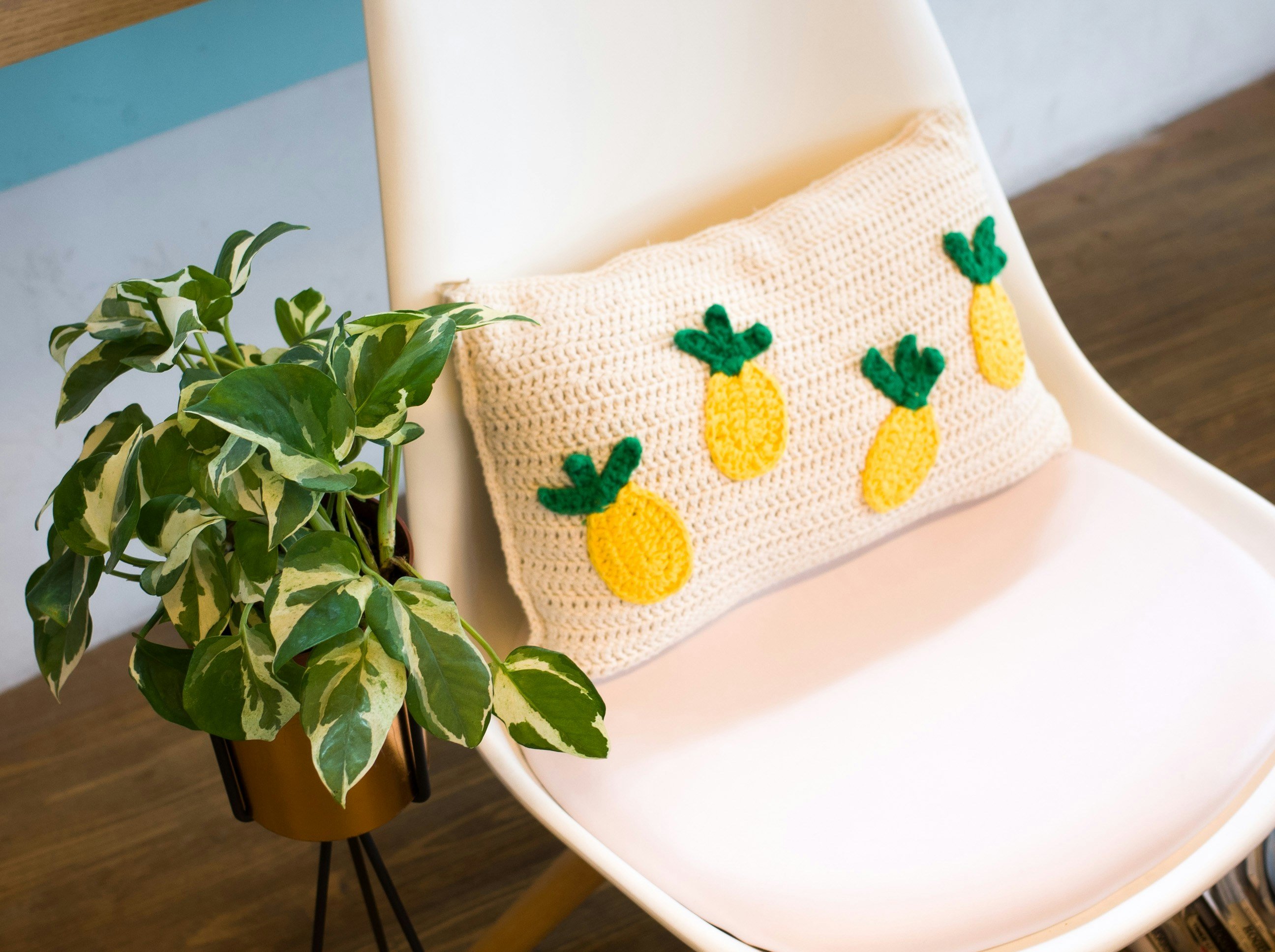
Why 90% of Households Choose the Wrong Pillow
A staggering 90% of households unknowingly choose the wrong pillow, leading to disrupted sleep, discomfort, and potential long-term health issues.In this article, we will explore the reasons behind this phenomenon, the consequences of using the wrong pillow, and how to select.Lack of Pillow AwarenessOne of the primary reasons why so many households choose the wrong pillow is simply a lack of awareness. Many people underestimate the importance of a well-suited pillow and prioritize other aspects of their sleep environment instead. As a result, they end up selecting pillows based on arbitrary factors like price or aesthetics, rather than considering their individual sleep needs.Choosing the Wrong Pillow: Consequences and Health IssuesUsing the wrong pillow can have several negative consequences on our sleep quality and overall health:1. Unfortunate Rest Quality: An evil-fitting cushion can prompt thrashing around, and unfortunate rest quality. It might cause neck, shoulder, and back torment, making it trying to track down an open to dozing position.2. Misalignment of the Spine: A cushion that doesn't offer sufficient help can prompt misalignment of the spine, which can add to constant agony and inconvenience. Inappropriate spinal arrangement can likewise influence the nature of rest and leave people feeling exhausted and unrested.3. Sensitivities and Respiratory Issues: Cushions that are not hypoallergenic or appropriately kept up with can gather dust parasites, allergens, and microbes over the long run. This can set off sensitivities, asthma, and other respiratory issues, compromising the general soundness of people.4. Rest Problems: Some unacceptable padscan compound rest issues like rest apnea or wheezing. It might deter aviation routes or advance unfortunate breathing examples during rest, prompting aggravations in rest examples and potential well-beingchances.

Decorating the Bathroom: Things to Consider
When it comes to decorating your home, the bathroom is often the most overlooked yet vital space. When it comes to decorating your home, the bathroom is often the most overlooked yet vital space. Therefore, when decorating the bathroom, we must pay attention to some key details to ensure that the bathroom is both beautiful and practical.1.Waterproof and non-slipAs a frequent contact with water space, waterproof and non-slip is the bathroom’s primary consideration. When selecting ground materials, priority should be given to tiles or stoneswith good waterproof performance, and ensure that the ground is laid smoothly to avoid water accumulation. In addition, the walls of the bathroom should also choose materials with good waterproof performance, such as ceramic tiles or waterproof paint, to protect the walls from moisture. In terms of anti-slip, anti-slip MATS can be placed in the shower area to reduce the risk of falling due to wet ground. At the same time, the floor design of the bathroom should also avoid excessive steps and gradients to ensure safe walking.2.Lighting and ventilationLighting and ventilation are important details in the bathroom. Proper lighting can make the bathroom brighter and more spacious, while also helping to lift the mood of the occupants. When choosing lamps, you can consider installing soft LED strips or downlights to provide even, comfortable lighting for the bathroom. In terms of ventilation, the bathroom should be equipped with exhaust fans or fresh air systems to ensure air circulation and reduce moisture and odor. In addition, regular window ventilation is also an effective way of ventilation, helping to keep the bathroom dry and fresh.3.Storage and placementThere are many items in the bathroom, including toiletries, cleaning supplies, etc. Therefore, reasonable storage and placementspace is an indispensable part of the bathroom design. When choosing a bathroom cabinet, consider installing cabinets with multiple layers of storage space to make the most of the space. At the same time, you can also install hooks and shelves on the wall to facilitate the placement of towels, bath towels and other items.

A Comprehensive Guide to Snowboarding Gear for Beginners
Snowboarding is an exhilarating sport that combines the thrill of speed, the beauty of snow-covered landscapes, and the joy of gliding.For beginners looking to embark on this exciting journey, having the right gear is crucial for their success and enjoyment on the snow. In this guide, we will explore the essential equipment and tools that snowboarding beginners need.Snowboard and BindingsThe most essential piece of gear for a snowboarder is, of course, the snowboard itself. For beginners, it is recommended to choose a shorter, more flexible snowboard as they are easier to control. Look for boards designed specifically for beginners, focusing on stability and forgiveness. Ensure that the bindings can be properly secured to your snowboard boots, providing the necessary support and safety while snowboarding.Snowboard BootsSnowboard boots are a crucial component of your gear, directly impacting your comfort and control on the slopes. Choose boots that fit snugly but not too tight, providing the necessary support and responsiveness for your snowboarding. Consider renting or investing in high-quality snowboard boots that match your skill level and foot shape.Snowboard GogglesProper eye protection is essential while snowboarding to shield against the glare of the snow and wind. Invest in snowboard goggles with UV protection, anti-fog features, and a wide field of view to enhance your vision and protect your eyes from snow, wind, and sunlight.HelmetSafety should always be a top priority in any winter sport, and snowboarding is no exception. A properly fitted, high-quality helmet is crucial for protecting your head from injury in the event of a fall or collision. Look for a helmet with adjustable ventilation to control temperature and consider modern designs with integrated technology for increased safety and comfort.
Five Must-Have Gym Apparatuses for Beginners at Home
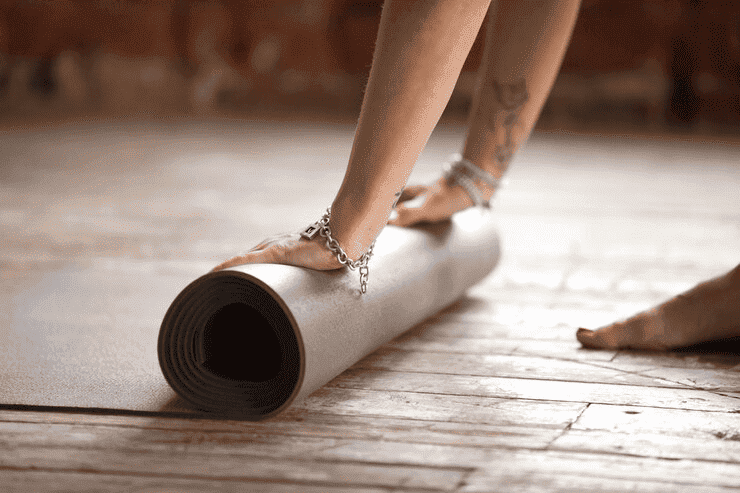
Embarking on a fitness journey from home can be invigorating and daunting, particularly for newbies. This might be one of the most overwhelming options regarding how to exercise. But a basic yet efficient home gym doesn't have to be expensive or take up a lot of room. Here's five must-have bits of kit that every newcomer should consider bringing to the table in order to maximize a home workout set-up.1.Yoga MatsOne of the most basic but essential items for your home gym is a yoga mat. Whether you are performing body weight exercises, stretching, yoga or Pilates, a high quality mat cushions your joints and helps prevent slippage between you and the floor. It creates a workout spot and keeps floor exercises such as planks, pushups and core work comfortable. Many novices tend to disregard the value of a mat until they have to do sit-ups on a hard floor, rest assured that sitting on one while at rest feels a whole lot better. Look for a non-slip, medium-thickness mat that strikes a balance between support and portability.2.Resistance BandsResistance bands are some of the most underrated but effective tools for beginners. These budget-friendly, lightweight bands come in different resistance levels, so you can work your way up in intensity as you get stronger. They're great for strength training, mobility work and even stretching. Resistance bands are compact and fit in a drawer as opposed to your standard clunky metal weights, so are also perfect for those with a tight amount of space to work out in. You can do squats, glute bridges, arm curls and even assisted pull-ups with them. Resistance bands are so versatile that they are an essential addition to the muscle building programme of anyone wishing to keep in shape without investing in bulky equipment.3.Adjustable DumbbellsAdjustable dumbbells are also an important piece of equipment. Although body weight exercises are excellent and are considered strength training exercises, using some light to moderate resistance can help speed up your strength gains. Adjustable dumbbells save space, and you don't have to waste time changing your weight plates. Beginners can begin with lower weights and progress to exercises such as bicep curls, shoulder presses and lunges, increasing the weight as their strength does. You only have to worry if you buy or prefer to work off weights that have big end that allow you to grow a big neck and that's with your table or floor, so dumbbells are also great for improving balance and coordination, which makes them a smart choice in a home that shouldn't run out of value anytime soon.4.Jump RopesA jump rope is an essential part of any home gym. Commonly perceived as a child's pastime, jumping rope is in fact a kickass full-body cardio exercise that burns calories, enhances coordination, and increases endurance. It's a great replacement for going for a run, especially if you don't have much outdoor space to move in. Newcomers can begin with basic hops and add advanced techniques, double-unders or crisscrosses, as they improve. You just need a lightweight and adjustable jump rope to rev up your heart in a matter of minutes.5.Stability BallsAt last, a stability ball (or Swiss ball) is an excellent device for core stability, balance training, and flexibility. Try sitting on a stability ball at work instead of a chair to work your core while at rest, or perform ball crunches, hamstring curls or back extensions to mix-it up during your workouts. Stability balls are available in various sizes, and by choosing one according to your height, you will be able to adopt correct technique and experience optimal results. They are also ideal for stretching post-workout to increase mobility.It doesn't have to be complicated or break your bank to start a home gym. Here, the five things first-time exercisers should invest in for a total beginner's workout space that covers all the bases of strength, cardio, and flexibility training, a yoga mat, a set of resistance bands, adjustable dumbbells, a jump rope, and a stability ball. These tools grow with you, too, providing endless opportunity for challenge as you get fit.