


Best SUVs Under $30,000: Top Picks for 2025
With plenty of automakers producing lots of competent crossovers that fill all kinds of needs, finding a stylish, loaded full of features and capable SUV for under $30,000 is not a tall order anymore. Here’s a comprehensive overview of some of the best SUVs under $30,000 that perfectly blend low-cost, performance, and modern technology.
1.2025 Mazda CX-5
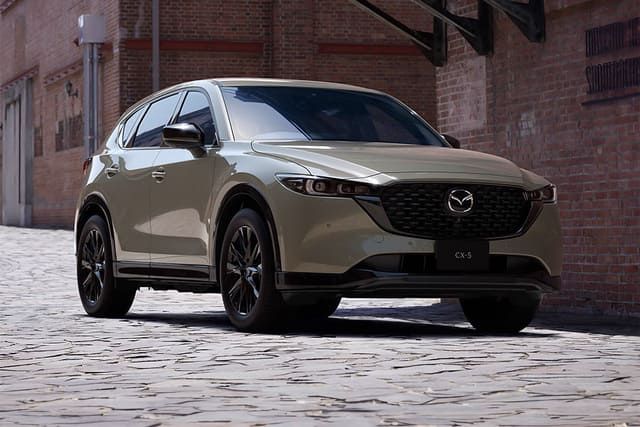
Reference Price: $28,570
Score: 9.3/10
The new 2025 Mazda CX-5 is going to be something special since this is one of those vehicles that have always been a hot favorite amidst folks who love the compact SUV class. With its upscale, graceful looks and sporty driving dynamics, the CX-5 feels more expensive than it is. There are high quality materials and user-friendly entertainment system in this model. It is also equipped with standard safety functions which means it offers you a sense of security. Crossover SUV is one of the hottest vehicles now, and 2025 Mazda CX-5 is one of them.
2.2025 Kia Sportage Hybrid

Reference Price: $28,590
Score: 9.2/10
The model is sportier and longer on the 2025 edition, with more high-tech features such as a large touchscreen and wireless capabilities in its roomy interior. The hybrid powertrain provides great mileage and are great for long commutes or road trips. The Sportage Hybrid provides a lot of bang for your buck with its generous warranty and extensive list of standard equipment.
3.2025 Nissan Kicks

Reference Price: $21,830
Score: 9.0/10
The Nissan Kicks is an entry-level SUV that is a bang-for-buck horror, but when it comes to wallets and fuel consumption. The 2025 model has an updated design, an easy-to-use infotainment system, and a surprisingly spacious interior for its size. Not the strongest engine, but such fuel economy that it would do well in the city with a low starting price and low cost of ownership, the Kicks is ideal for cost-conscious buyers.
4.2024 Volkswagen Taos

Reference Price: $23,995
Score: 8.9/10
The right combination of German engineering and compact practical design. The 2025 model features a comfortable ride, a well-appointed interior, and a turbocharged engine that excels at finding a balance between power and mileage. Also drawing buyers to its fold are standard features (a digital cockpit and advanced driver-assistance systems, for example). If you want an SUV with a European flair but don't have oodles of loot to burn, the Taos is the Volksy to get.
5.2025 Hyundai Kona
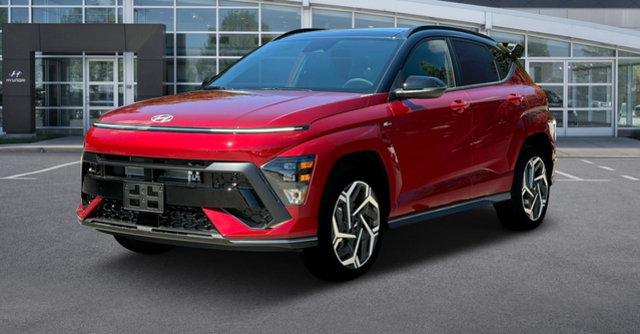
Reference Price: $24,350
Score: 8.9/10
Hyundai's Kona is all new for 2025, and it's better than ever. The Kona’s bold, futuristic design and tech-forward cabin set it apart from the crowd in the crowded subcompact SUV space. The Honda Accord was praised for its good ride comfort, intuitive infotainment and numerous advanced safety features available. This makes the Kona a very smart choice for city dwellers looking for a small, smart, fuel-efficient SUV that is also easy to maneuver.
6.2025 Ford Bronco Sport

Reference Price: $29,995
Score: 8.9/10
For the trailblazers, Ford Bronco Sport is a bold, capable, go-anywhere SUV that has no boundaries when it comes to comfort. The 2025 comes with off-road-ready hardware, such as optional all-wheel drive and terrain management systems. The Bronco Sport may look like the tough, outdoor type on the outside with rugged body lines and masculine styling details, but this little SUV is a comfortable, tech-laden ride that makes it a good option for weekend warriors and commuters alike.
7.2025 Toyota RAV4
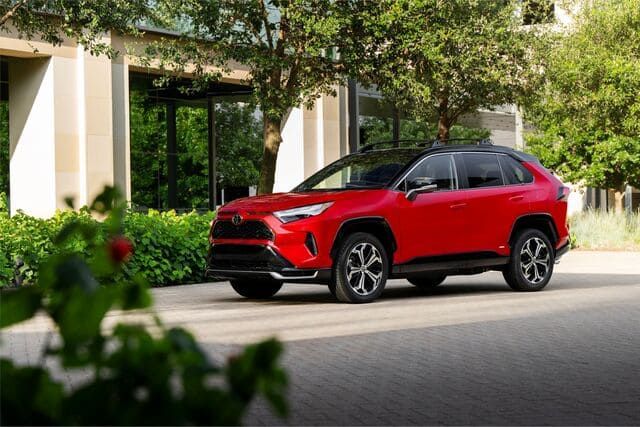
Reference Price: $28,675
Score: 8.8/10
One of the most popular SUVs in the world, the Toyota RAV4 arrives for the 2025 model year with a handful of changes. And of course its reliability, roomy interior and hybrid version means it will be great for families and people alike. Its advanced safety features and excellent resale value make it a good long-term investment.
8.2025 Subaru Crosstrek

Reference Price: $25,810
Score: 8.8/10
The Subaru Crosstrek has long been a favorite for people who like to spend time outdoors, thanks to standard all-wheel-drive availability and strong safety ratings. German automaker's 2025 model provides plenty of comfort on long hauls, a roomy cabin and a decent range of tech upgrades. From urban city streets to off-road paths, the Crosstrek can be counted on to get you there.
9.2025 Chevrolet Trax

Reference Price: $20,400
Score: 8.7/10
The Chevrolet Trax is a solid entry SUV that provides a lot of bang for the buck. A generous interior, with modern tech and a budget-friendly price tag, makes the 2025 model a compelling choice. It may not be the strongest engine out there, but the fuel economy it returns are bound to make it more desirable, as such it is already quite a good option for the first SUV owner or someone on a budget.
10.2025 Honda HR-V

Reference Price: $25,400
Score: 8.6/10
The 2025 Honda HR-V is a great bet for a reliable subcompact SUV for a little family or for standing out in commute. The 2025 model promises a smooth ride, a flexible interior layout thanks to Honda’s signature Magic Seat, and an array of driver assistance features. Thanks to its reputation for reliability and minimal cost of ownership, the HR-V has always been a safe option for anyone who is looking for an unfussy, dependable SUV
Overall, the 2025 SUVs for under $30,000 represent a wide array of options — fuel-sipping hybrids to rugged off-roaders. There’s an SUV on this list to suit your needs, whether they’re for style, technology or versatility. And with so many good options on the market, finding the best SUV is easier than ever — and more affordable.

Effective Ways to Relieve Joint Pain
Joint pain, which affects millions of people worldwide, is commonly linked with arthritis, injury, overuse and other causes. While persistent or severe pain should always be evaluated by a health care provider, there are many helpful steps you can take to prevent effectively and relieve pain around you joints.1.Regular Exercise and Physical ActivityRegular physical activity is one of the best weapons against joint pain. Though that may seem counterintuitive — who wants to move painful joints? — movement is what builds strength in the muscles surrounding the joints, giving stability and reducing the strain. Low-impact exercise to producing flexibility and stimulating circulation, like swimming, cycling and walking, is particularly effective, in that it doesn’t put strain on the joints. Yoga and stretching routines might also help improve range of motion and reduce stiffness. For people who have chronic joint pain, seeing a physical therapist is strongly recommended so that an individualized exercise plan can be developed. That regular, moderate abstraction of activity will make a difference in keeping joint serious pain from dog titling over time.2.Maintain a Healthy WeightCarrying excess weight also puts significant stress on the weight-bearing joints in the body, including the knees, hips and ankles. At even modest levels, weight loss can substantially relieve joint pain and slow the progression of diseases like osteoarthritis. A healthful, antiinflammatory-rich diet bolstered by leafy greens, berries, nuts and fatty fish can assist with weight management and help suppress inflammation. Limiting processed foods, sugars, and alcohol is just as crucial. You can be free from joint pain and improve overall health and reduce the risk of other chronic conditions by maintaining a healthy weight.3.Heat and Cold TherapyThis therapy with heat and cold joints, as well as helpful, simple, affordable and efficient. Using a warm compress, heating pad, or warm bath can help relax muscles, increase blood flow and ease stiffness, which research has shown is best for chronic pain or morning stiffness. Cold therapy, like an ice pack or cold gel wrap, is numb the area, reduce swelling and can relieve acute pain or inflammation from overuse or injury. For others, alternating between heat and cold works particularly well. When applying heat or cold directly, always apply a barrier, such as a towel, to protect your skin.4.Mind-Body TechniquesChronic joint pain can be a serious drain on one’s mental health, and stress, in turn, can make physical pain worse. Mind-body techniques such as meditation, deep breathing exercises, and tai chi can benefit stress reduction, emotional well-being, and even pain control. These practices promote relaxation, mindfulness and a greater sense of mind-body control — all things that can empower those suffering from chronic pain. Tai chi also integrates gentle motion with mindfulness, which can help increase joint flexibility and minimize pain.5.Good Posture and Use of JointsBad posture and repetitive use may intensify joint pains with the time. Even awareness of your posture — sitting, standing or walking — can help share your weight more evenly, relieving stress on your joints. Ergonomic tweaks, like supportive chairs or cushioned mats, can also help a lot. Assistive devices (e.g, braces, splints, or canes) can also help people with arthritis or other ongoing chronic conditions by providing extra support and alleviating pressure on affected joints.In conclusion, joint pain can be a very difficult condition to cope with, as much mentally as it is physically— so you should not let the symptoms run your life. Manage and relieve your pain with you regular exercise, maintain a healthy weight, use heat and cold therapy, try mind-body techniques and protect your joints. Again, please keep in mind you must check in with a healthcare professional to tweak these approaches to fit your particular situation. But with the proper technique, you can effect preventative measures toward a more active, pain-free you.
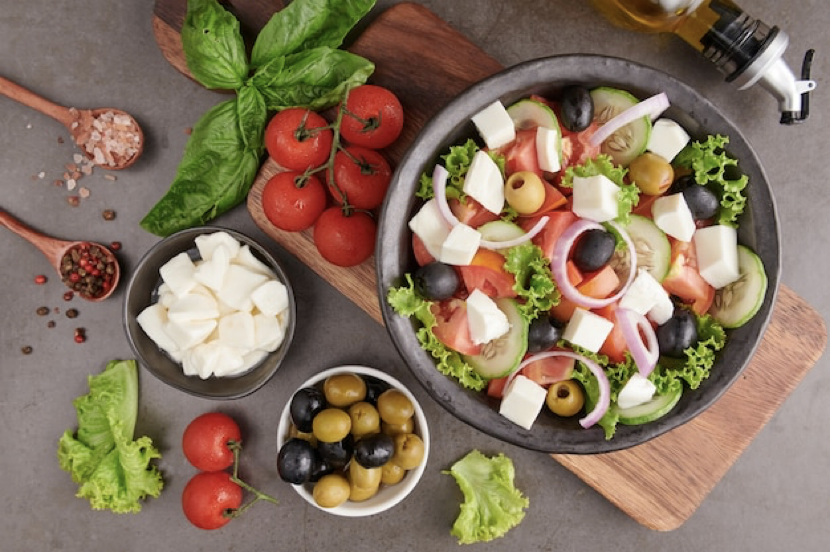
Mediterranean Diet Could Safeguard Kids’ Heart Health
Mediterranean diet is famous for its adequacy in nutrition and health benefits, not only can it promote the heart health of adults, but also benefits the kids’ heart growth. Therefore, let’s dive into this article to figure out how parents can individualize a healthy Mediterranean diet for their kids.The glamour of Mediterranean dietThe Mediterranean diet originates from the countries locate around the Mediterranean Sea, whose basis is lots of plat food, including fresh vegetables and fruits, whole grains, legumes, nuts and seeds. In the meantime, it also contains a plenty of fish, poultry and olive oil and limits the red meat and fine processed food. This diet pattern not only offers plentiful vitamins, minerals and fibers, but also reduces the risk of blood fat, blood pressure and heart disease.Benefits of Mediterranean diet to kidsPromoting heart health: The unsaturated fatty acid can help lower the level of low density lipoprotein cholesterol, escalate the level of high density lipoprotein cholesterol in order to protect kids heart.Controlling weight: High fiber plant food can increase your sense of full, reduce extra eating, as a result, control your weight and prevent obesity.Increasing immunity: Ample vitamins and minerals can increase kids’ immunity, decrease the possibility of being infected. 4.Escalating the nurture of brains: The famous omega-3 fatty acids in fish is extremely significant to brains’ growth. Eating Mediterranean diet can promote children’s capability to study and memorize.Ways to individualize Mediterranean Diet 1.More vegetables: Make sure your children eat enough vegetables and fruits of different colors, because those food can offer all sorts of vitamins, mineral and antioxidant substances. 2.Whole grain: Whole grain food such as whole wheat bread, brown rice, oats and son on, which are filled with dietary fiber and can help intestinal peristalsis and prevent constipation. 3.Beans often: Beans are the resources of superior protein and dietary fiber, which can displace meat.Moderate nuts and seeds: There are plentiful unsaturated fatty acids and vitamin E in nuts and seeds, but one thing should not be ignored is that the moderation is key, don’t be greedy.Choose healthy oil: Olive oil is the main origin of the fat of Mediterranean diet which is full of unsaturated fatty acid and do good to health.Fish twice a week: There is no need to talk too much about the advantages of fish, omega-3 fatty acids, and more other nutrition are all beneficial for brains and hearts.Limit red meat and processed food: There are high level saturated fat and sodium in these food, which requires us to eat less.Cultivate good eating habits: Start to cultivate your children to eat a balanced diet when they are little, such as when to eat, how to eat, and what to eat. These are all bedrocks for their further health when growing up.

Furniture Trends of 2025: Design Meets Intelligence
Furniture is no longer simply an object of functionality or en aesthetics, it has become an intelligent, adaptive, and sustainable extension of our living space. The directions influencing the furniture design of this year indicate a combination of pioneering technology, environmental responsibility, and a continued personalized approach. When self-adjusting ergonomic chairs and modular pieces that change as families do, 2025’s furniture is built to merge with our ever-evolving lifestyles.1.Smart, AI-poweredHere, the most striking change is towards smart, AI-powered furniture. Consider a sofa that changes its firmness to match the shape of your body, or a dining table that is also a wireless charging station and an interactive display. Several companies, including Ikea and Herman Miller, have already released AI-infused pieces that memorize human taste over time, fine-tuning both comfort and energy efficiency. Beds these days have sleep-tracking sensors, ones that regulate temperature and firmness during the night, while desks gently remind users to stand or stretch after too much time seated. The line between furniture and tech is beginning to know no bounds as furniture is not just lived in, but responsive to human life.2.SustainabilitySustainability is still at the heart of design, but in 2025 it extends beyond use of recycled materials. Now, circular design is the norm; brands emphasize furniture that can be broken down for recycling, repair or upcycling. Biodegradable options such as mycelium (mushroom-based foam) and algae-based plastics for example replacing the synthetic and giving the same durability without the guilt of damaging the environment. Even high-end designers are getting on board with “zero-waste” production, in which offcuts find new life as entirely new products. Consumers are more and more attracted to furniture with a clear lifecycle, knowing where the materials came from, how they were made and how they can be responsibly disposed of.3.Modular and MultifunctionalOther trends appeal to urban dwellers and small-space living, such as modular and multifunctional furniture. As the cost of real estate surges, these designs are compact, but flexible. There are guest beds that double as couches, coffee tables that hinge up toward a working height and storage units that mount to the wall and adjust to your needs. Companies such as Resource Furniture and Ori (a robotics and design company) are leading the way in minimizing space while maximizing style. The premise is the simple one on which we all fantasize but seldom deliver, that furniture should be as agile as life at its most inconstant, whether that is while working from home on a whim or hosting a surprise house guest for the night.4.MinimalismThe aesthetic in 2025 runs to warm minimalism and biophilic design. Neutral earthy palettes — think soft terracottas, warm beiges and deep greens — prevail, resulting in tranquil, nature-inspired interiors. Furniture silhouettes are more flowing, with rounded corners and natural textures that play on the idea of comfort and calm. Indoor-outdoor living is also on the rise, and weather-resistant materials are keeping pieces as comfortable on a sunlit patio as in a cozy living room.5.CustomizedThe customized experience up a notch. And the rise of 3D printing and on-demand manufacturing means the customer today can design his or her own furniture, picking everything from a fabric pattern to the style of legs. Brands provide digital configurators that enable people to see their creations in augmented reality before buying. This change not only limits overproduction, but allows each piece to narrate a personal story.We can’t predict the future, but in 2025, furniture will no longer be static — it’s intelligent, and a living part of our daily routine. From AI integration to sustainable innovation to adaptive design, the industry is rewriting the rule book for what it is to furnish a home. The future of furniture isn’t only about filling up space; it’s about improving the way we live, one smart, sustainable and beautifully designed object at a time.

How to Choose Sunglasses for Travel
Sunglasses are not only a fashion accessory, but also an essential item for protecting your eyes from harmful UV rays when travelingChoosing the right sunglasses for your travels involves considering various factors to ensure they provide adequate protection and suit your style. Here are some tips for choosing sunglasses for travel:UV Protection: Look for sunglasses that provide 100% UV protection. This is crucial for shielding your eyes from the sun's harmful radiation. When purchasing sunglasses, check for labels or stickers indicating UV 400 or 100% UV protection.Lens Quality: Consider the quality of the lenses. Opt for sunglasses with polarized lenses to reduce glare and improve visibility, especially during outdoor activities. Also, ensure the lenses are impact-resistant and provide a clear, distortion-free view.Frame Fit: Choose sunglasses that fit your face shape and size. The frames should snugly sit on your nose and ears without causing discomfort or slipping. Different face shapes suit different frame styles, so consider what best complements your features.Lens Color: The color of the lenses affects your contrast and color perception. Gray lenses provide minimal color distortion, while brown/amber lenses enhance contrast. Consider the activities you'll engage in while wearing the sunglasses to determine the most suitable lens color.

How Do We Cope Chronic Insomnia
This article will delve into the causes of chronic insomnia, its effects, and what we can do about it.1.The causes of chronic insomniaChronic sleeping disorder generally alludes to over one month, no less than three evenings seven days experience issues nodding off, light rest, simple to awaken or get up early rest issues. Its causes are complicated and shifted, including however not restricted to:Mental elements: like uneasiness, wretchedness, over the top tension and other mental issues, frequently lead to individuals in the night bunch of considerations, hard to rest.Ecological variables, for example, clamor, light, temperature and other natural elements can influence the nature of rest.Way of life: sporadic work and rest, over the top energy prior to hitting the sack, ill-advised diet, and so on, can prompt a sleeping disorder.Infection factors: A few persistent sicknesses, like torment, breathing hardships, coronary illness, and so forth, can set off a sleeping disorder.2.The impact of chronic insomniaChronic sleeping disorder influences people in numerous ways:Medical issues: Ongoing sleep deprivation can prompt a debilitated resistant framework and an expanded gamble of sicknesses, for example, hypertension, diabetes, and coronary illness.Mental trouble: a sleeping disorder patients are frequently joined by tension, despondency and other mental issues, further influencing the personal satisfaction.Diminished efficiency: Absence of rest can prompt unfortunate focus and memory, which can influence work efficiency.Family pressure: a sleeping disorder might prompt individual emotional episodes and influence family congruity.