


Furniture Trends of 2025: Design Meets Intelligence
Furniture is no longer simply an object of functionality or en aesthetics, it has become an intelligent, adaptive, and sustainable extension of our living space. The directions influencing the furniture design of this year indicate a combination of pioneering technology, environmental responsibility, and a continued personalized approach. When self-adjusting ergonomic chairs and modular pieces that change as families do, 2025’s furniture is built to merge with our ever-evolving lifestyles.

1.Smart, AI-powered
Here, the most striking change is towards smart, AI-powered furniture. Consider a sofa that changes its firmness to match the shape of your body, or a dining table that is also a wireless charging station and an interactive display. Several companies, including Ikea and Herman Miller, have already released AI-infused pieces that memorize human taste over time, fine-tuning both comfort and energy efficiency. Beds these days have sleep-tracking sensors, ones that regulate temperature and firmness during the night, while desks gently remind users to stand or stretch after too much time seated. The line between furniture and tech is beginning to know no bounds as furniture is not just lived in, but responsive to human life.
2.Sustainability
Sustainability is still at the heart of design, but in 2025 it extends beyond use of recycled materials. Now, circular design is the norm; brands emphasize furniture that can be broken down for recycling, repair or upcycling. Biodegradable options such as mycelium (mushroom-based foam) and algae-based plastics for example replacing the synthetic and giving the same durability without the guilt of damaging the environment. Even high-end designers are getting on board with “zero-waste” production, in which offcuts find new life as entirely new products. Consumers are more and more attracted to furniture with a clear lifecycle, knowing where the materials came from, how they were made and how they can be responsibly disposed of.
3.Modular and Multifunctional
Other trends appeal to urban dwellers and small-space living, such as modular and multifunctional furniture. As the cost of real estate surges, these designs are compact, but flexible. There are guest beds that double as couches, coffee tables that hinge up toward a working height and storage units that mount to the wall and adjust to your needs. Companies such as Resource Furniture and Ori (a robotics and design company) are leading the way in minimizing space while maximizing style. The premise is the simple one on which we all fantasize but seldom deliver, that furniture should be as agile as life at its most inconstant, whether that is while working from home on a whim or hosting a surprise house guest for the night.

4.Minimalism
The aesthetic in 2025 runs to warm minimalism and biophilic design. Neutral earthy palettes — think soft terracottas, warm beiges and deep greens — prevail, resulting in tranquil, nature-inspired interiors. Furniture silhouettes are more flowing, with rounded corners and natural textures that play on the idea of comfort and calm. Indoor-outdoor living is also on the rise, and weather-resistant materials are keeping pieces as comfortable on a sunlit patio as in a cozy living room.
5.Customized
The customized experience up a notch. And the rise of 3D printing and on-demand manufacturing means the customer today can design his or her own furniture, picking everything from a fabric pattern to the style of legs. Brands provide digital configurators that enable people to see their creations in augmented reality before buying. This change not only limits overproduction, but allows each piece to narrate a personal story.

We can’t predict the future, but in 2025, furniture will no longer be static — it’s intelligent, and a living part of our daily routine. From AI integration to sustainable innovation to adaptive design, the industry is rewriting the rule book for what it is to furnish a home. The future of furniture isn’t only about filling up space; it’s about improving the way we live, one smart, sustainable and beautifully designed object at a time.

Coffee Could Have More Health Benefits
Coffee, the beloved morning beverage of millions around the world, has long been associated with its ability to perk us up and get us through the day. However, recent research suggests that coffee may have far more benefits than simply providing a quick energy boost. From improving cognitive function to reducing the risk of certain diseases, coffee is emerging as a powerful health ally.Enhances Cognitive FunctionOne of the most significant findings regarding coffee's health benefits is its potential to enhance cognitive function. A study conducted by researchers at the University of Barcelona found that drinking coffee with sugar can significantly improve attention span and working memory. The researchers tested 40 volunteers who consumed different combinations of coffee, sugar, and water, and found that those who drank coffee with sugar performed better on cognitive tasks than those who consumed the other combinations. This suggests that coffee, when combined with sugar, may be an effective way to prepare the brain for a busy day ahead.Reduces Risk of Certain DiseasesBeyond its cognitive benefits, coffee has also been linked to a reduced risk of certain diseases. For example, studies have shown that drinking three cups of coffee a day can significantly reduce the risk of Alzheimer's disease. This is likely due to the fact that coffee contains antioxidants, which help to protect the brain from damage caused by oxidative stress. Additionally, coffee has been shown to reduce the risk of Parkinson's disease, a neurodegenerative disorder that affects movement and coordination.Positive Impact on Cardiovascular HealthCoffee's health benefits don't stop there. Research has also suggested that coffee may have a positive impact on cardiovascular health. While previous studies have linked coffee consumption to an increased risk of heart disease, more recent research has found that the quality of the coffee and the way it is brewed are key factors in determining its effect on health. For example, a study by a Harvard research group found no link between coffee and heart problems, suggesting that moderate coffee consumption may be safe for most people.Improves Mood and Emotional Well-beingFurthermore, coffee has been shown to have a positive effect on mood and emotional well-being. Caffeine, the active ingredient in coffee, is a stimulant that can help to improve alertness and reduce feelings of fatigue. This can be particularly beneficial for those who are feeling stressed or overwhelmed, as a cup of coffee can help to clear the mind and improve focus. Additionally, the social aspect of drinking coffee with friends or colleagues can also have a positive impact on relationships and emotional well-being.NotesIt's important to note, however, that coffee should be consumed in moderation. While moderate coffee consumption appears to be safe for most people, excessive consumption can lead to side effects such as insomnia, anxiety, and stomach problems. Additionally, it's important to consider the quality of the coffee and the way it is brewed, as these factors can impact its health benefits.
How to Design a Warm and Inviting Modern Garden
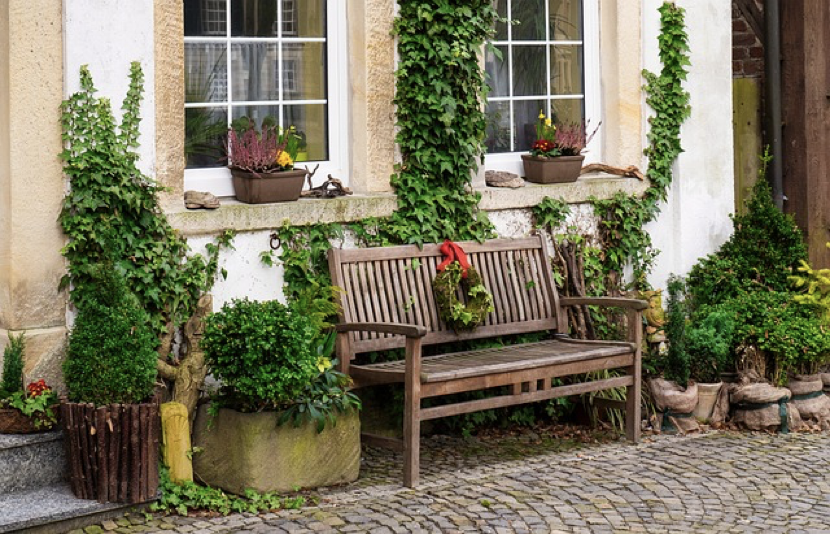
To design a modern garden with a warm and inviting atmosphere, you need to focus on the combination of beauty, utilities, and feelings. Give solace from your daily life in a well-designed garden. So, below I talk you through five major points to help you forge a modern garden you want to spend time in.1.Incorporate Natural Materials and TexturesUse natural materials such as wood, stone, and rattan to create a warm environment. The use of wood, terrazzo or concrete for examples brings texture and a sense of organic warmth to the space. “(Wooden decking or stone pathways would help ground the design, whereas rattan furniture or woven planters would infuse softness and charm.) Balance a modern minimalistic look with the coziness of natural tones by pairing these materials with plants and greenery rich in colors. If you want a rustic vibe that feels sustainable and welcoming, consider using reclaimed wood for benches or tables. Features such as a small rock garden or a pebble mosaic of one kind or another, for example, will not only provide texture and diversity of shapes but also provide a stratum that may encourage touching and interaction.2.Concentrate on Cozy Seating AreasA warm garden is a place that encourages people to sit, to relax and to linger. Incorporate lounging areas with soft cushions, weatherproof fabrics, and handpicked ergonomic furniture; Think about creating different zones, for example a cozy bench under a tree, a dining area for al fresco meals or a lounge area with a fire pit. Throws or outdoor rugs can add an extra layer of comfort and help make the garden feel like an extension of your home. Design with a curved seating orientation ideal for small gatherings. Furnishing with hammocks or swing chairs can bring an element of playfulness and relaxation as well.3.Incorporate Soft LightingMany ordinary lights can make a garden more attractive, including ambient lights like lanterns, string lights, or even lamps. As the sun goes down, use soft warm light for a welcoming atmosphere. String lights, lanterns and the new solar-powered path lights can create a magical glow. To add depth and interest, subtly spotlight elements of your space, such as trees, water features of sculptures. A beautifully illuminated garden can feel inviting but also safe. Try LED candles or fairy lights in glass jars for something quirky. For added drama, set up uplighting to illuminate the architectural shapes of plants or trees.4.Include Personal Touches and Sensory DetailsA warm garden should be your personality and stir the senses. Incorporate things like wind chimes, aromatic flowers, or even a wee water feature for a therapeutic auditory and olfactory experience. Personal touches like handmade pottery, family heirlooms or a collection of potted plants can give the space a distinctive feel. These details spark feelings and memories, turning the garden into a space of belonging and happiness. Use herbs that release perfume when brushed against, such as lavender, rosemary and mint. In the same way, including a bird feeder or birdbath is another way to not only attract wildlife, but to add more life and movement to the garden.5.Year-around DesignAnd for your garden to feel warm and welcoming all year long, plan for seasonal interest. Select a combination of evergreen plants, flowering shrubs and seasonal blooms to ensure that color and life can be had all year round. Add features such as a pergola or awning to block the sun during summer and a fire pit or heated-seating for cooler seasons. Watching the seasons change brings a sense of comfort and joy, and by designing a garden to work all year round, you have a garden that brings delight and happiness to your life, all year round. Plant deciduous trees or shrubs with vibrant autumn coloration like maple or dogwood for warmth on those crisp fall days.Overall, these spaces will both differ, but if and when we can return to large gatherings on the other side of this, hot meals will be served here and fellowships welcomed, what really is needed, in peace. Modern garden constructed from that foundation becomes much more than outside space, it becomes an enjoyable piece of your home and life.
How Can Tea Help You Cope With Crisis
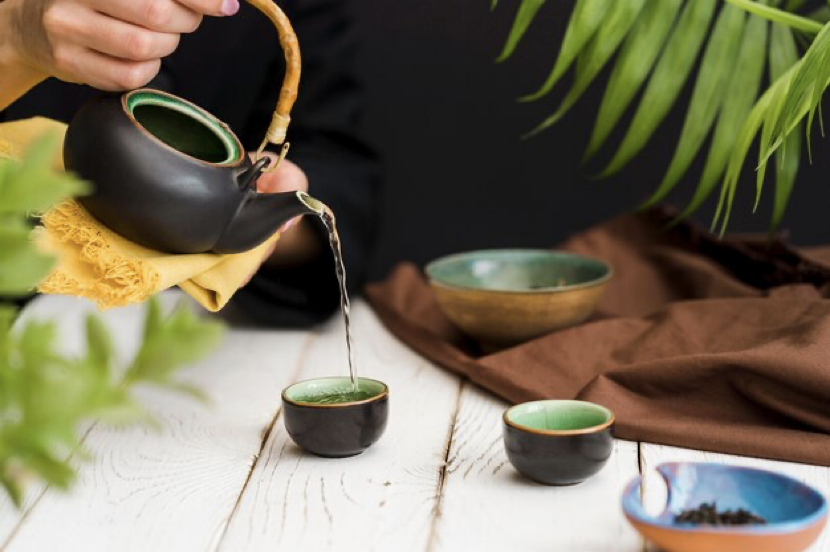
In the fast-paced life, we often face and confront with all kinds of pressure and challenges, what’s worse, the crisis comes all of a sudden, making us have no idea to deal with. At this time, if you can drink a warm tea, you may be peaceful, powerful and calm beyond your imagination and perception. And so, how can drinking tea help us cope with the crisis on earth?Relieves mood and anxietyThe tea is rich in ingredients, such as tea polyphenols, caffeine and son on, which can excite brain nerves in order to make you sober and fresh. In the meantime, L-theanine in the tea can escalate the production of GABA in our brains which is a kind of neurotransmitter good for tranquilizing and allaying excitement. Therefore, when we feel uneasy or nervous, why not try drinking a cup of tea, it may help us relax our anxiety and reduce the tension.Improves concentration and enhances decision-making abilityThe theine in the tea can help us escalate our attention and alertness, consider problems more clearly and limpidly. Besides, catechuic acid in the tea can improve the blood circulation in the brains, promote oxygen supply to your brains in order to strengthen our memory and cognitive abilities. When facing crisis, keep high degree of concentration and clear thinking can be helpful for us to make decision more wisely.Promotes social relations and gains supportDrinking tea is not just a personal enjoyment, instead, it’s a social activities. Savoring and enjoying the tea with our intimate relatives and friends can help us establish and build deeper and further relationships and gain more social supports. When we face difficulties, we can be moved and motivated by others’ care and encouragements.Escalates physical health and enhances the ability to resist pressureThere are an abundance of vitamins, minerals, and antioxidants in tea leaves, which can enhance our immunity and improve our capability of ant-diseases. A healthy and fit body plays a fundamental and basic role in facing all kinds of challenges. Besides, tea polyphenols in tea is antioxidative, which can remove the radicals in your body and delay senescence in order to protect our cardiovascular health.

Five Must-Have Gym Apparatuses for Beginners at Home
Embarking on a fitness journey from home can be invigorating and daunting, particularly for newbies. This might be one of the most overwhelming options regarding how to exercise. But a basic yet efficient home gym doesn't have to be expensive or take up a lot of room. Here's five must-have bits of kit that every newcomer should consider bringing to the table in order to maximize a home workout set-up.1.Yoga MatsOne of the most basic but essential items for your home gym is a yoga mat. Whether you are performing body weight exercises, stretching, yoga or Pilates, a high quality mat cushions your joints and helps prevent slippage between you and the floor. It creates a workout spot and keeps floor exercises such as planks, pushups and core work comfortable. Many novices tend to disregard the value of a mat until they have to do sit-ups on a hard floor, rest assured that sitting on one while at rest feels a whole lot better. Look for a non-slip, medium-thickness mat that strikes a balance between support and portability.2.Resistance BandsResistance bands are some of the most underrated but effective tools for beginners. These budget-friendly, lightweight bands come in different resistance levels, so you can work your way up in intensity as you get stronger. They're great for strength training, mobility work and even stretching. Resistance bands are compact and fit in a drawer as opposed to your standard clunky metal weights, so are also perfect for those with a tight amount of space to work out in. You can do squats, glute bridges, arm curls and even assisted pull-ups with them. Resistance bands are so versatile that they are an essential addition to the muscle building programme of anyone wishing to keep in shape without investing in bulky equipment.3.Adjustable DumbbellsAdjustable dumbbells are also an important piece of equipment. Although body weight exercises are excellent and are considered strength training exercises, using some light to moderate resistance can help speed up your strength gains. Adjustable dumbbells save space, and you don't have to waste time changing your weight plates. Beginners can begin with lower weights and progress to exercises such as bicep curls, shoulder presses and lunges, increasing the weight as their strength does. You only have to worry if you buy or prefer to work off weights that have big end that allow you to grow a big neck and that's with your table or floor, so dumbbells are also great for improving balance and coordination, which makes them a smart choice in a home that shouldn't run out of value anytime soon.4.Jump RopesA jump rope is an essential part of any home gym. Commonly perceived as a child's pastime, jumping rope is in fact a kickass full-body cardio exercise that burns calories, enhances coordination, and increases endurance. It's a great replacement for going for a run, especially if you don't have much outdoor space to move in. Newcomers can begin with basic hops and add advanced techniques, double-unders or crisscrosses, as they improve. You just need a lightweight and adjustable jump rope to rev up your heart in a matter of minutes.5.Stability BallsAt last, a stability ball (or Swiss ball) is an excellent device for core stability, balance training, and flexibility. Try sitting on a stability ball at work instead of a chair to work your core while at rest, or perform ball crunches, hamstring curls or back extensions to mix-it up during your workouts. Stability balls are available in various sizes, and by choosing one according to your height, you will be able to adopt correct technique and experience optimal results. They are also ideal for stretching post-workout to increase mobility.It doesn't have to be complicated or break your bank to start a home gym. Here, the five things first-time exercisers should invest in for a total beginner's workout space that covers all the bases of strength, cardio, and flexibility training, a yoga mat, a set of resistance bands, adjustable dumbbells, a jump rope, and a stability ball. These tools grow with you, too, providing endless opportunity for challenge as you get fit.

Best SUVs Under $30,000: Top Picks for 2025
With plenty of automakers producing lots of competent crossovers that fill all kinds of needs, finding a stylish, loaded full of features and capable SUV for under $30,000 is not a tall order anymore. Here’s a comprehensive overview of some of the best SUVs under $30,000 that perfectly blend low-cost, performance, and modern technology.1.2025 Mazda CX-5Reference Price: $28,570Score: 9.3/10The new 2025 Mazda CX-5 is going to be something special since this is one of those vehicles that have always been a hot favorite amidst folks who love the compact SUV class. With its upscale, graceful looks and sporty driving dynamics, the CX-5 feels more expensive than it is. There are high quality materials and user-friendly entertainment system in this model. It is also equipped with standard safety functions which means it offers you a sense of security. Crossover SUV is one of the hottest vehicles now, and 2025 Mazda CX-5 is one of them.2.2025 Kia Sportage HybridReference Price: $28,590Score: 9.2/10The model is sportier and longer on the 2025 edition, with more high-tech features such as a large touchscreen and wireless capabilities in its roomy interior. The hybrid powertrain provides great mileage and are great for long commutes or road trips. The Sportage Hybrid provides a lot of bang for your buck with its generous warranty and extensive list of standard equipment.3.2025 Nissan KicksReference Price: $21,830Score: 9.0/10The Nissan Kicks is an entry-level SUV that is a bang-for-buck horror, but when it comes to wallets and fuel consumption. The 2025 model has an updated design, an easy-to-use infotainment system, and a surprisingly spacious interior for its size. Not the strongest engine, but such fuel economy that it would do well in the city with a low starting price and low cost of ownership, the Kicks is ideal for cost-conscious buyers.4.2024 Volkswagen TaosReference Price: $23,995Score: 8.9/10The right combination of German engineering and compact practical design. The 2025 model features a comfortable ride, a well-appointed interior, and a turbocharged engine that excels at finding a balance between power and mileage. Also drawing buyers to its fold are standard features (a digital cockpit and advanced driver-assistance systems, for example). If you want an SUV with a European flair but don't have oodles of loot to burn, the Taos is the Volksy to get.5.2025 Hyundai KonaReference Price: $24,350Score: 8.9/10Hyundai's Kona is all new for 2025, and it's better than ever. The Kona’s bold, futuristic design and tech-forward cabin set it apart from the crowd in the crowded subcompact SUV space. The Honda Accord was praised for its good ride comfort, intuitive infotainment and numerous advanced safety features available. This makes the Kona a very smart choice for city dwellers looking for a small, smart, fuel-efficient SUV that is also easy to maneuver.6.2025 Ford Bronco SportReference Price: $29,995Score: 8.9/10For the trailblazers, Ford Bronco Sport is a bold, capable, go-anywhere SUV that has no boundaries when it comes to comfort. The 2025 comes with off-road-ready hardware, such as optional all-wheel drive and terrain management systems. The Bronco Sport may look like the tough, outdoor type on the outside with rugged body lines and masculine styling details, but this little SUV is a comfortable, tech-laden ride that makes it a good option for weekend warriors and commuters alike.7.2025 Toyota RAV4Reference Price: $28,675Score: 8.8/10One of the most popular SUVs in the world, the Toyota RAV4 arrives for the 2025 model year with a handful of changes. And of course its reliability, roomy interior and hybrid version means it will be great for families and people alike. Its advanced safety features and excellent resale value make it a good long-term investment.8.2025 Subaru CrosstrekReference Price: $25,810Score: 8.8/10The Subaru Crosstrek has long been a favorite for people who like to spend time outdoors, thanks to standard all-wheel-drive availability and strong safety ratings. German automaker's 2025 model provides plenty of comfort on long hauls, a roomy cabin and a decent range of tech upgrades. From urban city streets to off-road paths, the Crosstrek can be counted on to get you there.9.2025 Chevrolet TraxReference Price: $20,400Score: 8.7/10The Chevrolet Trax is a solid entry SUV that provides a lot of bang for the buck. A generous interior, with modern tech and a budget-friendly price tag, makes the 2025 model a compelling choice. It may not be the strongest engine out there, but the fuel economy it returns are bound to make it more desirable, as such it is already quite a good option for the first SUV owner or someone on a budget.10.2025 Honda HR-VReference Price: $25,400Score: 8.6/10The 2025 Honda HR-V is a great bet for a reliable subcompact SUV for a little family or for standing out in commute. The 2025 model promises a smooth ride, a flexible interior layout thanks to Honda’s signature Magic Seat, and an array of driver assistance features. Thanks to its reputation for reliability and minimal cost of ownership, the HR-V has always been a safe option for anyone who is looking for an unfussy, dependable SUVOverall, the 2025 SUVs for under $30,000 represent a wide array of options — fuel-sipping hybrids to rugged off-roaders. There’s an SUV on this list to suit your needs, whether they’re for style, technology or versatility. And with so many good options on the market, finding the best SUV is easier than ever — and more affordable.