


MIND Diet is a Promising Approach to Mitigate Cognitive Decline
As the global population ages, concerns about cognitive decline and dementia are becoming increasingly pressing. Recent research has spotlighted the MIND diet—a hybrid of the Mediterranean and DASH diets—as a promising approach to mitigate cognitive decline. This article mainly introduces a study has found that adherence to the MIND diet is particularly beneficial for women and Black individuals, highlighting both the diet’s potential and the need for tailored health recommendations.
Understanding the MIND Diet
The MIND diet, which stands for Mediterranean-DASH Intervention for Neurodegenerative Delay, is designed to enhance brain health. It emphasizes the consumption of whole foods while minimizing processed foods. Key components include:
1. Leafy Greens: Spinach, kale, and other greens are rich in nutrients that support brain health.
2. Berries: Blueberries and strawberries are particularly noted for their antioxidant properties.
3. Nuts: A healthy source of fats and proteins, nuts contribute to cognitive function.
4. Whole Grains: Foods like oatmeal and brown rice provide essential fiber and nutrients.
5. Fish: Fatty fish rich in omega-3 fatty acids are known for their protective effects on the brain.
The MIND diet also advises limiting red meats, sweets, and fried foods, which are linked to cognitive decline.

Key Findings of the Study
The recent study, published in a leading journal, analyzed data from a diverse cohort, focusing on dietary patterns and cognitive health. Researchers found that adherence to the MIND diet was associated with a slower rate of cognitive decline, particularly among women and Black people.
Women
The study revealed that women who followed the MIND diet showed significantly better cognitive performance as they aged. This finding is particularly relevant given that women typically have a higher risk of developing Alzheimer's disease and other forms of dementia. Researchers suggest that the protective effects of the MIND diet may stem from its emphasis on nutrient-rich foods that combat inflammation and oxidative stress—key factors in cognitive decline.

Black People
The benefits of the MIND diet were also pronounced among Black participants. Historically, this demographic has faced higher rates of cognitive decline and dementia compared to other racial groups. The study highlighted that the MIND diet might offer a culturally relevant, practical approach to improving brain health. By focusing on affordable and accessible foods, the MIND diet could serve as a vital tool in addressing health disparities.
Mechanisms Behind the Benefits
Several mechanisms may explain how the MIND diet contributes to cognitive health. The diet’s emphasis on antioxidants and anti-inflammatory foods helps combat oxidative stress, which is linked to neuronal damage. Additionally, the MIND diet encourages heart-healthy fats, like those found in fish and nuts, which have been shown to support brain function.
Moreover, the social aspect of eating—often overlooked—can also play a role. Sharing meals rich in these nutritious foods with family and friends can foster community and emotional well-being, both important factors for maintaining cognitive health.
Practical Implications
These findings underscore the importance of dietary choices in maintaining cognitive function, particularly for vulnerable populations. Healthcare providers and public health officials should consider promoting the MIND diet as part of routine health recommendations, especially for women and Black individuals.
Tailored Health Strategies
To maximize the MIND diet’s benefits, community-based programs can focus on educating families about its principles. Cooking classes, nutrition workshops, and collaborative meal planning can empower individuals to make healthier choices. Additionally, local policy initiatives that improve access to fresh produce and whole foods can support these efforts, addressing food deserts that disproportionately affect Black communities.

Conclusion
The MIND diet represents a promising strategy for reducing cognitive decline, particularly for women and Black individuals. As research continues to unveil the connections between diet and brain health, it becomes clear that promoting nutritious eating patterns can play a critical role in enhancing quality of life. By prioritizing the MIND diet in public health discussions and community initiatives, we can work toward a future where cognitive decline is less prevalent, benefiting individuals and society as a whole.

Chair Yoga: Why It’s a Beneficial Routine for the Desk-bound
In today’s fast-paced world, where many of us spend hours hunched over desks, the search for effective ways to stay active and relieve stress has never been more crucial. Enter chair yoga—a practice that is not just for older adults but a beneficial routine for people of all ages, particularly those who find themselves desk-bound for extended periods. This article explores the numerous advantages of chair yoga and why it’s an accessible and effective solution for everyone.What Is Chair Yoga?Chair yoga is a modified form of yoga that allows individuals to perform poses while seated in a chair or using a chair for support. This makes it an excellent option for those with limited mobility, chronic pain, or anyone who may feel intimidated by traditional yoga classes. The beauty of chair yoga lies in its adaptability; poses can be tailored to suit individual needs and levels of experience.Benefits for the Desk-Bound1. Alleviating Physical DiscomfortMany desk-bound workers experience discomfort due to prolonged sitting, leading to issues such as back pain, neck strain, and poor posture. Chair yoga offers gentle stretches that can help alleviate tension in these areas. Simple movements can relieve tightness in the hips, shoulders, and lower back, leading to improved comfort and physical well-being.2. Encouraging Movement Throughout the DayIncorporating chair yoga into your workday encourages regular movement, countering the adverse effects of sitting for long periods. Even short sessions of chair yoga—just five to ten minutes—can invigorate the body and mind. These breaks can lead to increased energy levels, better concentration, and enhanced productivity, making it easier to tackle tasks with renewed focus.3. Reducing Stress and AnxietyThe practice of yoga, including chair yoga, emphasizes mindful breathing and relaxation techniques. For those who are desk-bound, stress can accumulate throughout the day, negatively impacting mental health. Chair yoga promotes relaxation and mindfulness, helping to reduce stress and anxiety levels. Simple breathing exercises and meditative practices can help clear the mind, allowing for greater emotional balance and resilience.

Ho Chi Minh City: Fun of Motorcycles
In the east of the world, there is a country famous for its special culture, long history and rich natural landscapes which is called Vietnam. However, in the south of Vietnam, a city called Ho Chi Minh City leaves all the travelers profound impressions with its unique pace and vigor. Ho Chi Minh City, formerly known as Saigon, got its name from a Vietnam's revolutionary leader. It not only carries the profound history, but also contains a myriad of motorcycles all over the city corners, which is such a fun attracts travelers.Overview of the CityWhen stepping into Ho Chi Minh City, the only thing first comes into you eyes is the motorcycles all over the streets like rivers and tides. The motorcycles go across the narrow roads, sometimes crowd into a group, sometime separate into spots, consisting a vivid scenery line of the city. In Ho Chi Minh City, motorcycles are not only the media of transportation but also a lifestyle of the ordinary people and labors to make livings, even a cultural mark. They integrate into the daily lives of citizens, becoming an indispensable part in Ho Chi Minh.Why There Are Lots of MotorcyclesEarly in the morning, when the first sunlight go through the windows and wakes up the whole city, the workers on motorcycles are ready to start. The labors, students, merchants and so on, almost everyone possesses a motor. There are differences in motors, such as the shape, size, color, decoration and function, but the only common thing is that they are all fast and quick, which makes them go across the crowded streets freely and liberally without the annoyance of being blocked by the traffic jams. For the citizens in Ho Chi Minh, possessing a motorcycle is more than anything.What Can Travelers DoWhile for the visitors, experiencing a motorcycle in person is undoubtedly the best way to explore Ho Chi Minh City. Rent a motorcycle, put your helmet on, ride across the city streets and roads, you will discover that a lot o stories are hidden in these streets. From busy Van wu Street to the quiet Saigon post office, from the lively unified Palace to the artistic museum of war relics, you can feel every detail of the city in person on the motorcycle.In the meantime, there is one thing you need to think over that how to keep balanced when riding a motorcycle and how to make right decisions when facing complex road situation are important for the beginners. However, it is this kind of challenge that makes the motorcycle more exciting and interesting. You will get a sense of success after escaping a sudden vehicle and going across the narrow streets nimbly every time, which is incomparable by any transportation.ConclusionTo conclude, in Ho Chi Minh City, embracing the mess of motorcycles is embracing the soul of the city. The motorcycles in Ho Chi Minh is not only a way for commuting, but also a cultural experience, and even an attitude towards life. Here is an energetic and inclusive land that offers you excitement and freedom and profound thoughts on yourself, your life, your dream and your future. In this era full of challenges and opportunities, everyone is writing their own stories in their own way. The motorcycles in Ho Chi Minh City is the most vivid and distinct of these stories.

Wig Basics
This article will introduce the basic knowledge of wigs, including the types of wigs, materials, selection and care.The type of wig1. Full Wig: A full wig is a wig product that covers the entire head, similar to a hat, and can completely change the hairstyle and hair color. Full wigs are usually made of synthetic or human hair and come with an adjustable cap to accommodate different head sizes.2. Hair Piece: A hair piece is a small piece of wig, usually used to increase the volume of hair or cover certain areas of baldness. Hair pieces can be fixed to natural hair to make the hairstyle more full and natural.3. Hair Extensions: A wig is a long, thin piece of hair that is usually used to extend the length of natural hair. They can be attached to natural hair by means of clips, adhesives, or braiding.4. Hair Toppers: Hair toppers are a type of wig product similar to hair pieces, but larger and thicker, usually used to cover bald or sparse areas on the top of the head.Choose the right wig1. Color and style: Choosing the right wig color and style is very important to ensure that it matches natural hair and meets personal preferences. You can choose a color that is similar to your natural hair, or try new hair colors to add variety.2. Head circumference and size: The wig needs to match the head circumference size to ensure comfort and stability. You can choose the right wig size based on your head circumference, or choose a wig with an adjustable cap.3. Material and quality: Choose the right wig material according to your personal needs and budget. Synthetic wigs are suitable for short-term use and low cost needs, while human hair wigs are suitable for long-term use and higher quality requirements.

Why Strength Training Is Essential for Maintaining a Healthy Lifestyle
In recent years, the fitness landscape has evolved, with strength training gaining recognition as a crucial component of overall health and well-being. While many individuals prioritize cardiovascular exercises like running and cycling, strength training offers unique benefits that can significantly impact long-term health. Here’s why incorporating strength training into your routine is essential for maintaining a healthy lifestyle.Improved Muscle Mass and MetabolismAs we age, we naturally lose muscle mass—a condition known as sarcopenia. This gradual decline can start as early as our 30s and continues throughout our lives. Strength training is one of the most effective ways to combat this loss. By engaging in resistance exercises, you stimulate muscle growth, which not only preserves existing muscle but also builds new muscle tissue. Increased muscle mass leads to a higher resting metabolic rate, meaning your body burns more calories at rest. This can be particularly beneficial for weight management, as it allows for greater flexibility in diet while still maintaining a healthy weight.Enhanced Bone DensityBone density naturally decreases with age, raising the risk of fractures and osteoporosis, particularly in women after menopause. Strength training plays a pivotal role in increasing bone density. When you lift weights, the stress placed on bones stimulates the production of bone-forming cells, enhancing bone strength and reducing the likelihood of osteoporosis. Incorporating strength training exercises, especially weight-bearing activities, can lead to healthier bones and a lower risk of injury as you age.Better Joint HealthStrength training not only strengthens muscles but also helps stabilize joints. Strong muscles support and protect joints, reducing the risk of injuries and chronic pain conditions such as arthritis. By improving joint strength and stability, regular strength training enables individuals to maintain mobility and perform daily activities with ease. Moreover, resistance training can help alleviate symptoms of existing joint pain, making it an excellent choice for those looking to manage conditions like osteoarthritis.Enhanced Functional FitnessFunctional fitness refers to the ability to perform daily activities with ease and efficiency. Strength training enhances functional fitness by improving balance, coordination, and endurance. This is particularly important as we age, as falls are a leading cause of injury among older adults. By focusing on exercises that mimic everyday movements—such as squats, lunges, and push-ups—you can improve your overall performance in daily tasks, from lifting groceries to climbing stairs. This functional strength contributes to a better quality of life and greater independence as you age.Mental Health BenefitsThe mental health benefits of strength training are often overlooked, but they are significant. Regular strength training has been linked to reduced symptoms of anxiety and depression. The endorphins released during exercise can elevate mood and promote a sense of well-being. Moreover, achieving strength training goals—whether it’s lifting a heavier weight or completing more repetitions—can boost self-esteem and confidence. This positive feedback loop encourages a more active lifestyle and fosters a sense of accomplishment.Chronic Disease ManagementStrength training plays a vital role in managing chronic conditions such as diabetes, heart disease, and obesity. Regular resistance training can improve insulin sensitivity, lower blood pressure, and enhance cardiovascular health. For individuals with diabetes, strength training can help regulate blood sugar levels, making it a valuable addition to their exercise regimen. By addressing these health concerns, strength training can reduce reliance on medications and improve overall quality of life.
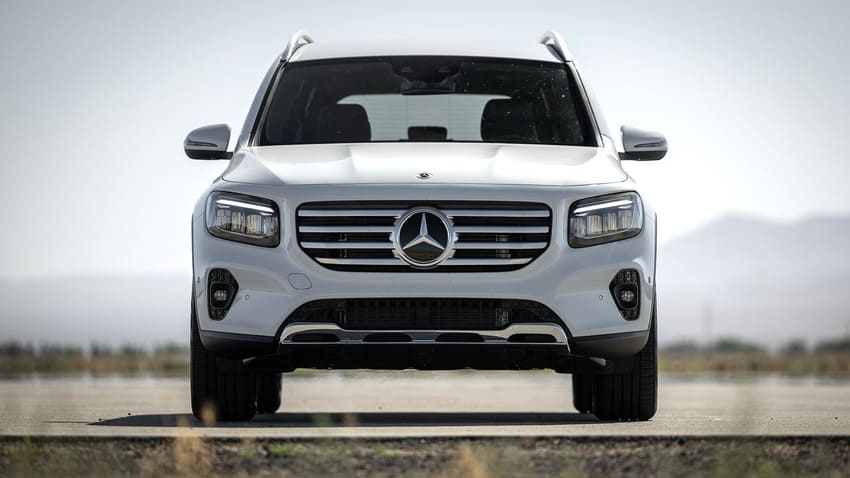
Top Luxury Subcompact SUVs in 2025
The luxury subcompact SUV segment is one of the rising stars of the automotive industry, bringing together stylish looks, ample performance, and everyday usability to make it easily one of the best automobiles for weekend warriors and urban explorers. And as we face forward to 2025, auto manufacturers are continuing to push the innovation envelope with new nameplates and upgrades to existing vehicles incorporating the latest technology, high-end materials and impressive performance. Here’s a rundown of some top luxury subcompact SUVs to look out for in the future.1. 2025 BMW X1Price: $42,125The 2025 BMW X1 continues to shine in the luxury subcompact SUV segment, offering up BMW’s signature driving dynamics in a roomy and tech-forward interior. The new version has a different look, with a more aggressive front grille and slick LED lighting. The X1 also features a turbocharged 2.0-liter four-cylinder under the hood that makes 241 horsepower and provides rousing performance. The cabin gets treated to high-end materials, a curved dual-screen display and the latest iDrive infotainment system. So there you have it, one of the best out there in 2025, due to its excellent mix of luxury and sportiness.2. 2025 Audi Q3Price: $38,695The 2025 model takes Audi’s Q3 a step further for something that’s long been popular among luxury subcompact SUV buyers. The exterior design comes more refined threads than the previous, sharper lines and a striking Singleframe grille. The Q3 uses a turbocharged 2.0-liter engine with an 8-speed automatic transmission to produce 228 horsepower with good fuel economy. Inside, the tech-lover’s dream — Audi’s Virtual Cockpit, a large touchscreen infotainment system and high-end leather upholstery. With a blend of style, technology and performance the 2025 Q3 is a serious player.3. 2025 Volvo XC40Price: $41,945If buyers are eco-conscious, the 2025 Volvo XC40 works. This all-electric luxury subcompact SUV boasts a range of up to 260 miles on a full charge and provides instant torque and smooth acceleration. The XC40 showcases Volvo’s Scandinavian minimalist design language, with a well-equipped, spacious cabin with sustainable materials. It uses Google's Android Automotive OS to power the infotainment system, which delivers tight Google apps and services integration. The XC40 has strong eco-credentials matched with a feeling of luxury that makes it our favourite 2025 choice.4. 2025 Mercedes-Benz GLB-ClassPrice: $46,950As unusual as it is impressive, the 2025 Mercedes-Benz GLB-Class remains a compact luxury SUV with high versatility. The GLB is a good pick for small families because it offers an optional third row of seats, unlike a lot of its subcompact SUV competitors. Bold, muscular exterior, and a luxury interior with high-end materials and features such as the MBUX infotainment system. A turbocharged 2.0-liter powers the GLB with 221 horsepower, while an AMG-tuned version offers more performance for those interested. Practical with a premium take on the compact SUV, the GLB is a standout for 2025.5. 2025 Cadillac XT4Price: $41,990The Cadillac XT4 in its upcoming '25 model year debut promises to be a breakthrough hit with its tonsilful appearance and haute features. For a turbocharged and responsive driving experience, there's a turbocharged 2.0-liter engine that delivers 235 horsepower. Its interior is spacious and luxurious, featuring premium materials, advanced tech features, and an easy-to-use infotainment system. Cadillac's Super Cruise system for (mostly) hands-free driving on compatible highways is also a hallmark of the XT4. The 2025 XT4 is a formidable competitor in the segment with its zesty combination of luxury, technology, and performance.The luxury compact SUV segment is more competitive than ever, and automakers have a level of choice suitable to their tastes and lifestyle. These cars serve as both the height of luxury and the forefront of innovation — making these the best buys for those best buyers here through 2024. In conclusion, as the segment continues to grow and evolve, one fact rings true, luxury subcompact SUVs are not going anywhere, and for good reason.