


Why Strength Training Is Essential for Maintaining a Healthy Lifestyle
In recent years, the fitness landscape has evolved, with strength training gaining recognition as a crucial component of overall health and well-being. While many individuals prioritize cardiovascular exercises like running and cycling, strength training offers unique benefits that can significantly impact long-term health. Here’s why incorporating strength training into your routine is essential for maintaining a healthy lifestyle.

Improved Muscle Mass and Metabolism
As we age, we naturally lose muscle mass—a condition known as sarcopenia. This gradual decline can start as early as our 30s and continues throughout our lives. Strength training is one of the most effective ways to combat this loss. By engaging in resistance exercises, you stimulate muscle growth, which not only preserves existing muscle but also builds new muscle tissue. Increased muscle mass leads to a higher resting metabolic rate, meaning your body burns more calories at rest. This can be particularly beneficial for weight management, as it allows for greater flexibility in diet while still maintaining a healthy weight.
Enhanced Bone Density
Bone density naturally decreases with age, raising the risk of fractures and osteoporosis, particularly in women after menopause. Strength training plays a pivotal role in increasing bone density. When you lift weights, the stress placed on bones stimulates the production of bone-forming cells, enhancing bone strength and reducing the likelihood of osteoporosis. Incorporating strength training exercises, especially weight-bearing activities, can lead to healthier bones and a lower risk of injury as you age.

Better Joint Health
Strength training not only strengthens muscles but also helps stabilize joints. Strong muscles support and protect joints, reducing the risk of injuries and chronic pain conditions such as arthritis. By improving joint strength and stability, regular strength training enables individuals to maintain mobility and perform daily activities with ease. Moreover, resistance training can help alleviate symptoms of existing joint pain, making it an excellent choice for those looking to manage conditions like osteoarthritis.
Enhanced Functional Fitness
Functional fitness refers to the ability to perform daily activities with ease and efficiency. Strength training enhances functional fitness by improving balance, coordination, and endurance. This is particularly important as we age, as falls are a leading cause of injury among older adults. By focusing on exercises that mimic everyday movements—such as squats, lunges, and push-ups—you can improve your overall performance in daily tasks, from lifting groceries to climbing stairs. This functional strength contributes to a better quality of life and greater independence as you age.
Mental Health Benefits
The mental health benefits of strength training are often overlooked, but they are significant. Regular strength training has been linked to reduced symptoms of anxiety and depression. The endorphins released during exercise can elevate mood and promote a sense of well-being. Moreover, achieving strength training goals—whether it’s lifting a heavier weight or completing more repetitions—can boost self-esteem and confidence. This positive feedback loop encourages a more active lifestyle and fosters a sense of accomplishment.
Chronic Disease Management
Strength training plays a vital role in managing chronic conditions such as diabetes, heart disease, and obesity. Regular resistance training can improve insulin sensitivity, lower blood pressure, and enhance cardiovascular health. For individuals with diabetes, strength training can help regulate blood sugar levels, making it a valuable addition to their exercise regimen. By addressing these health concerns, strength training can reduce reliance on medications and improve overall quality of life.

Conclusion
Incorporating strength training into your fitness routine is essential for long-term health. From preserving muscle mass and bone density to enhancing joint health and mental well-being, the benefits are extensive and varied. Regardless of your age or fitness level, it’s never too late to start. Aim for at least two days of strength training each week, focusing on major muscle groups. Your body will thank you for it—both now and in the years to come.

Is It Illegal to Post a "For Sale" Sign in a Car?
First, we need to understand the background to this regulation. With the increasingly strict urban traffic management and the standardization of vehicle management, some places begin to pay attention to the cleanliness and unity of vehicle appearance. In this context, placing private signs or advertisements on Windows or car bodies is considered a disturbance to public order and is therefore included in the category of violations.So, how exactly is this rule enforced? According to the relevant regulations, any unauthorized postingor painting of advertisements or signs on vehicles will be considered illegal. This means that neither individuals nor businesses can post "for sale" signs in prominent locations such as car windows and car bodies. The implementation of this regulation covers private cars, taxis, trucks and other types of vehicles.The response to this regulation varies among different groups of people. Some owners and used car dealers say they sell their vehicles quickly by posting "for sale" signs, which is a proven practice. Now this regulation has left them feeling confused about how to legally promote their vehicles. While other citizens expressed support for the regulation, they believe that the cleanliness and unity of the appearance of vehicles is an important part of the image of the city and should be maintained.

Does Your Coffee Cup Affect the Taste of Your Coffee
Coffee is a necessity for many people every morning, and for coffee lovers, a good cup of coffee is not only about choosing the right beans and cooking methods, but also about using the right coffee utensils, such as coffee cups.This article will explore the potential impact of coffee cups.First of all, the material of the coffee cup is an important consideration. Common coffee mug materials include ceramic, glass and stainless steel. Ceramic cups are the most common choice because they are able to maintain the temperature of the coffee and do not have a noticeable effect on the taste of the coffee. Ceramic is very helpful for maintaining the heat and stability of the coffee, which allows the coffee to maintain the ideal temperature in the cup, making the taste more comfortable. On the other hand, the glass has good transparency, which allows people to appreciate the color and layering of the coffee. However, the glass is less able to retain heat and the coffee may cool more quickly. Stainless steel cups have excellent thermal insulation properties and can keep the temperature of coffee for a long time, but the material of stainless steel may have a certain impact on the taste of coffee.Secondly, the shape of the coffee cup may also have an effect on the taste of the coffee. The shape of the coffee cup can affect the smell, taste and caffeine content of the coffee. For example, a round cup can help the aroma of coffee concentrate better, making it easier to taste the aroma of coffee. For lighter coffee, such as Americano, you can choose a larger caliber cup to better experience the taste of coffee. In addition, the bottom shape of the cup may also have an impact on the taste of the coffee. A cup with a narrower bottom may make the coffee taste more intense, while a cup with a wider bottom may make the coffee taste more balanced.

Navigating the USA 55+ Active Adult Rental Boom
This is more than just a niche – the demand for such communities is huge, with what can be described as 'aspirational' occupancy rates of 93% across these properties. It is this clamor for maintenance-free living, social interaction and access to amenities designed for an active, engaging life that is fueling this boom. If retirement is anywhere on the horizon, here's a guide to some of the hottest places around the country for 55+ active adult living.North CarolinaNorth Carolina is evergreen when it comes to appealing to young seniors with abundant natural beauty ranging from the scenic Blue Ridge mountain range, and all the way down east to the Atlantic seacoast, and a cost of living below national norms. Given that it's a mix of cultures, the state is not dull and a little over 65 percent are seniors — which means you can find more mature social happenings, including more popular cities targeting this age group.Charlotte Area's Hot 55+ Rental Communities1.Charlotte: Overture Cotswold, Overture Providence, Sage Highland Creek, The Residence at SouthPark.2.Dallas: River Rock at Dallas.3.Matthews: Album Matthews, Fountains Matthews, Inspire Royal Park.4.Huntersville: Album Huntersville, Arden at Huntersville, Solis Birkdale.5.Cornelius: River Rock at Alexander Farms.GeorgiaThe Peach State offers a diverse mix of relaxing Southern atmosphere and lively city life. Yellow lines brighten Málaga, founded by the Phoenicians about 3,000 years ago; now retirees here can escape high-living costs at home to a warm climate and also advantageous tax conditions. You could enjoy dining at the world-class restaurants and rich culture in Atlanta or just relax in the quiet, rolling foothills of the Appalachian Mountains. Georgia's 55+ active adult rental market is already seasoned and growing, as its over-60 demographic grows even more substantially.Atlanta Area's Hot 55+ Rental Communities1.Atlanta: Overture Buckhead South, Overture Powers Ferry.2.Buford: Outlook Gwinnett.3.Dallas: Hardy Springs.4.Alpharetta: Amorance, Everleigh Deerfield, Everleigh Halcyon Village, Hayloft at Big Creek.5.Marietta: Evoq East Cobb.6.Kennesaw: Overture Barrett.7.Gainesville: The Everly.8.Duluth: Annabelle on Main, Everleigh Duluth.ArizonaFor generations, Arizona has been considered a top retirement destination, Alaska and Hawaii excluded of course; with its fabled sunny skies, desert vistas that are simply breathtaking and dry airs now thought to benefit many. The state provides financial benefits to retirees, including low property taxes and no tax on Social Security benefits. Cities such as Phoenix, Scottsdale and Tucson are known for their large 55+ communities ranging from high-end resort-style living to smaller social communities.Phoenix Area's Hot 55+ Rental Communities1.Surprise: Mera City Center.2.Scottsdale: Overture Arcadia, Overture North Scottsdale.3.Queen Creek: Amberlin Queen Creek.4.Mesa: Mera Greenfield, Sage Mesa.5.Goodyear: Mera Goodyear.6.Glendale: Amberlin Arrowhead, Mera Westgate.7.Gilbert: Album Cooley Station.8.Chandler: Mera Chandler.FloridaRetiring to Florida is a well-deserved cliche. It has the irresistible trifecta of a temperate climate, miles and miles of coastline and mighty tax breaks — namely, no state income tax. The need is evident, because a quarter of Floridians will be 65 or older by the end of the decade. New, amenity-packed developments continue to spring up. A case in point: Catalina Palms at Sundance in Port St. Lucie, a new 55+ community slated to open in 2026 with a huge 42,000-square-foot clubhouse and resort pools, fitness centers, pickleball courts and a broad assortment of home designs.Orlando-Kissimmee Area's Hot 55+ Rental Communities1.Kissimmee: Mariblu Hunters Creek, Album Monterey Pointe.2.Winter Park: Rosalia Winter Park.3.Winter Garden: Overture Hamlin.4.Davenport: The Pointe at Siena Ridge.TexasTexas offers an attractive value proposition, with no state income tax and with a cost of living that helps make retirement dollars go longer. The state's immense geography means there are options: scenic hill country, coastal islands like South Padre or big metropolises like Dallas and Houston. While single-family homes are by far the largest market, the stock of 55+ rental apartments is expanding quickly, particularly near urban centers where active adults want flexibility and community.Austin-Georgetown Area's Hot 55+ Rental Communities1.Austin: ArborView at Circle C Ranch, Everleigh Lakeline, Jovie Belterra, Overture Arboretum, Overture Domain, Overture Mueller.2.Georgetown: Amberlin Georgetown, Northstar Georgetown.3.Pflugerville: Amberlin Pflugerville, Jovie Pflugerville.4.Kyle: Sage Plum Creek.FAQ1.Are there income restrictions for 55+ apartments?Some affordable or government-subsidized senior housing opportunities do have stringent income requirements.2.How much does rent typically cost in a 55+ community?Rent ranges widely based on location and apartment size and level of luxury. From less than $2000/month for a modest two bedroom in small market to more than $3000+ for one of those upscale apartments in the highly desirable resort-style communities that are common in a states such as Florida or Arizona.3.Can you have pets in 55+ rental communities?Many accept pets, but they usually have restrictions on breed, size and the number.4.What amenities are commonly offered?Amenities often consist of a clubhouse, fitness center, pool and walking trails. A lot of them are now building dedicated space for popular activities today, like pickleball courts, art studios and community kitchens for classes.5.Must I be exactly 55 years old to live in a 55+ community?Under the federal Housing for Older Persons Act (HOPA), at least 80% of occupied units in a 55+ community must have one resident aged 55 or older.

10 Most Romantic Getaways for Couples
1.Paris, FranceIf you don’t put Paris into your travel list, how can your trip be romantic? Needless to say, as it is known to all, Paris is one of the most romantic city in the world. So, the first place I recommend for a couple to go is Paris. You can grab your lover’s hand along the Seine River, kiss each other under the glowing Eiffel Tower at night, what’s more, The Louvre, Montmarte and Luxembourg Gardens are also attractive.2.Marrakesh, MoroccoIf you are a couple of adventurous hearts, it is suggested to come to Marrakesh. Meander through snaking souks, stay in palatial hotels and track down an amazing camel ride at sunset in the Agafay Desert. It is colorful and don’t miss those private rooftop terraces.3.Florianópolis, BrazilAmong lush forests, this is an island of secrets, with pristine beaches and laid-back vibes that will make travel hard to forget. There are beaches for surfing like Praia Mole, or secluded lagoons for hiking to, or its fish being served fresh at seaside restaurants. There’s magic in the sunset views of Florianópolis.4.Canyon Point, UtahIf you plan to go to Canyon Point, you must pay a visit to Amangiri Resort, because it has the best views of the place. Walk across the canyon, stand on the sand and look up at the starry sky, what a fabulous experience it is.5.Maasai Mara, KenyaThere’s nothing more bonding than having a good enjoyable experience of a luxury safari at Maasai Mara, Kenya. Observe the Great Migration and enjoy private bush dinners under the stars, while resting in a luxury tented camp that gazes over the majestic savannas.6.Lucerne, SwitzerlandIf Lucerne’s medieval covered bridge, narrow cobbled streets and rainbow-painted houses sound like something out of a fairytale, well that says all you need to know about this town. You can take a cogwheel train to enjoy the atmospheres and vibes of the town, and then lean close to your love one and drink Swiss wine together by the lake.7.Chiang Rai, ThailandIf you want to escape from the crowds, why not choose to go to Chiang Rai, Thailand. Its bling White Temple, peaceful tea plantations and plush riverfront resorts create a bucolic escape. The sight of the water with the sun setting for a long-tail boat ride along the Mekong River is something you’ll never forget.8.Amalfi Coast, ItalyThis coast’s cliff-hanging villages are postcard beautiful. Sip a glass of limoncello from a private terrace or float by boat along the shore, hand in hand walking through groves of lemons. The food, the wine and the views are nothing if not a distillation of all that is Italian passion.9.Napa Valley, CaliforniaIt was a given that the food-obsessed pair would die and go to heaven in Napa Valley. You can take a hot-air balloon to see the vineyards from above, eat at a Michelin-starred restaurant and have a nice sleep in the wine-country boutique hotel. There’s something up in the air out there, among the rolling vineyards and the golden sunsets, that’s a romantic corner of our soul.10.Lanai, HawaiiLanai is a beautiful island belongs to Hawaii that is less-known to visitors. So, it is perfect for the couples who want 2-person time and room and quiet vibe. In Lanai, you will not be bothered by others, it’s just you and your loved one here. After finishing enjoying private 2-person time, you can take a sunset catamaran cruise to look for dolphins. Hulking panoramas and the aloha spirit, it is romance incarnate.From Paris to Maasai Mara, here are top 10 destinations where love is in the air. Pack the bags, reach for the hands and take the trip. So, which would you pick for your next romantic break?
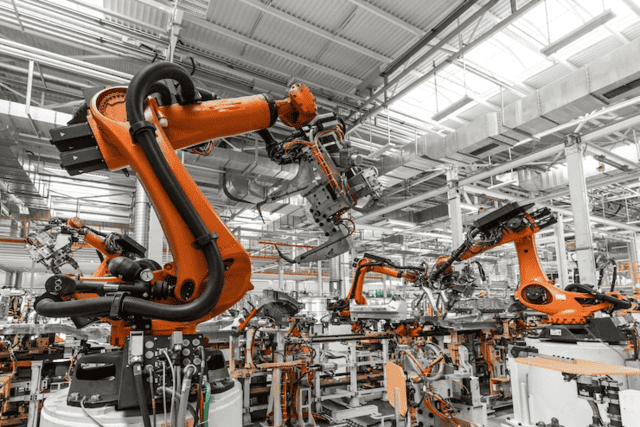
The Rise of Assembly Robots
Precision, speed, and flexibility for manufacturing leave assembly robots to the machines to perform the high-precision, repetitive movements required for simple tasks with pinpoint accuracy and blistering speed. Today, these kind of robotic systems are the staple workhorses of industry providing huge benefits over man power and are part of.Advantages of Assembly Robots1.Extraordinary PrecisionRobotic assemblers don't tire like human workers, nor do they make mistakes. The result is each piece is built to precise dimensions. This decreases defects and enhances product dependability which is crucial for applications like aerospace and medical device production. Also, robots can work 24/7, which is able to considerably increase productivity with lower cycle times.2.Cost-efficiencyWhile robots are expensive to buy and implement, the cost can be justified in terms of labor savings, waste savings and increased throughput. Furthermore, robots improve workplace safety by performing safety sensitive operations, thus reducing the number of accidents.Current ApplicationsThe assembly robot is a common feature in many different industries. Welding, bolting and attaching parts in the car industry, this job has to be done with perfect precision as millions on millions car are built within no time. Robotic machines are used by electronics manufacturers to position minuscule components on circuit boards with a precision of a micron, an assignment that is nearly impossible for human hands. In a food and beverage 3 industry, robotic arms are used to package and sort food and beverages safely while maintaining cleanliness and meeting stringent standards.There is big potential for assembly robots beyond factory production, like custom-furniture assembly and even 3D-printed construction. Collaborative robots, which are engineered to work alongside humans, are becoming more popular in shops where flexibility and usability are important.Selecting the Most Suitable Assembly RobotFirst, manufacturers need to consider the necessary payload and range of motion, smaller robots work well for delicate tasks such as electronics assembly, whereas larger robots are typically used for heavy-duty tasks. Both are also important and the faster robot is good for high-product production while a slower, more accurate robot is better for detailed work.Programming flexibility is another factor. Other robots follow pre-written commands, and some also rely on AI and machine learning to adjust to real-time variability. They should also check out possible integration with available machines and software. Finally, the budget and anticipated return-of-investment are also deciding factors.The Future of Assembly RobotsThe future for automation in assembly robotics is well on track for revolutionary trends. With the emergence of AI and IoT, the robotics will become smarter as they will be able to perform preventive maintenance and self-optimization. Improved gripper tech and tactile sensors will mean robots are dealing with delicate or asymmetrical objects better.One of the other exciting trends is the emergence of mobile assembly robotics that can move around the factory floor without human intervention, dynamically reconfiguring their jobs based on changing production requirements. Moreover, as robotics continue to decrease in cost, small and medium sized businesses will begin to implement automation, putting advanced manufacturing technologies in the hands of more and more people.Eventually, fully autonomous smart factories might be the standard and robots talk to each other, self-optimize production processes and are employed to the least degree possible. As sustainability becomes a key priority, energy-efficient robots running on renewable sources of energy will continue lowering the ecological impact of production.ConclusionAssembly robots are changing the face of modern manufacturing through the relentless pursuit of precision, throughput, and safety. They are used in various fields, from the automotive industry to computer electronics, and can do more and more since technical progress is made. Companies have to consider several important factors in order to find the robot that suits their application best. In the long term, AI-enabled adaptive robotics will open even more doors to a new industrial era both smarter and more automated. Those machines are not only going to grow production, they're going to completely recast the very definition of what work even means in the manufacturing sector.