


Navigating the USA 55+ Active Adult Rental Boom

This is more than just a niche – the demand for such communities is huge, with what can be described as 'aspirational' occupancy rates of 93% across these properties. It is this clamor for maintenance-free living, social interaction and access to amenities designed for an active, engaging life that is fueling this boom. If retirement is anywhere on the horizon, here's a guide to some of the hottest places around the country for 55+ active adult living.
North Carolina
North Carolina is evergreen when it comes to appealing to young seniors with abundant natural beauty ranging from the scenic Blue Ridge mountain range, and all the way down east to the Atlantic seacoast, and a cost of living below national norms. Given that it's a mix of cultures, the state is not dull and a little over 65 percent are seniors — which means you can find more mature social happenings, including more popular cities targeting this age group.
Charlotte Area's Hot 55+ Rental Communities
1.Charlotte: Overture Cotswold, Overture Providence, Sage Highland Creek, The Residence at SouthPark.
2.Dallas: River Rock at Dallas.
3.Matthews: Album Matthews, Fountains Matthews, Inspire Royal Park.
4.Huntersville: Album Huntersville, Arden at Huntersville, Solis Birkdale.
5.Cornelius: River Rock at Alexander Farms.
Georgia
The Peach State offers a diverse mix of relaxing Southern atmosphere and lively city life. Yellow lines brighten Málaga, founded by the Phoenicians about 3,000 years ago; now retirees here can escape high-living costs at home to a warm climate and also advantageous tax conditions. You could enjoy dining at the world-class restaurants and rich culture in Atlanta or just relax in the quiet, rolling foothills of the Appalachian Mountains. Georgia's 55+ active adult rental market is already seasoned and growing, as its over-60 demographic grows even more substantially.
Atlanta Area's Hot 55+ Rental Communities
1.Atlanta: Overture Buckhead South, Overture Powers Ferry.
2.Buford: Outlook Gwinnett.
3.Dallas: Hardy Springs.
4.Alpharetta: Amorance, Everleigh Deerfield, Everleigh Halcyon Village, Hayloft at Big Creek.
5.Marietta: Evoq East Cobb.
6.Kennesaw: Overture Barrett.
7.Gainesville: The Everly.
8.Duluth: Annabelle on Main, Everleigh Duluth.
Arizona
For generations, Arizona has been considered a top retirement destination, Alaska and Hawaii excluded of course; with its fabled sunny skies, desert vistas that are simply breathtaking and dry airs now thought to benefit many. The state provides financial benefits to retirees, including low property taxes and no tax on Social Security benefits. Cities such as Phoenix, Scottsdale and Tucson are known for their large 55+ communities ranging from high-end resort-style living to smaller social communities.
Phoenix Area's Hot 55+ Rental Communities
1.Surprise: Mera City Center.
2.Scottsdale: Overture Arcadia, Overture North Scottsdale.
3.Queen Creek: Amberlin Queen Creek.
4.Mesa: Mera Greenfield, Sage Mesa.
5.Goodyear: Mera Goodyear.
6.Glendale: Amberlin Arrowhead, Mera Westgate.
7.Gilbert: Album Cooley Station.
8.Chandler: Mera Chandler.
Florida
Retiring to Florida is a well-deserved cliche. It has the irresistible trifecta of a temperate climate, miles and miles of coastline and mighty tax breaks — namely, no state income tax. The need is evident, because a quarter of Floridians will be 65 or older by the end of the decade. New, amenity-packed developments continue to spring up. A case in point: Catalina Palms at Sundance in Port St. Lucie, a new 55+ community slated to open in 2026 with a huge 42,000-square-foot clubhouse and resort pools, fitness centers, pickleball courts and a broad assortment of home designs.
Orlando-Kissimmee Area's Hot 55+ Rental Communities
1.Kissimmee: Mariblu Hunters Creek, Album Monterey Pointe.
2.Winter Park: Rosalia Winter Park.
3.Winter Garden: Overture Hamlin.
4.Davenport: The Pointe at Siena Ridge.
Texas
Texas offers an attractive value proposition, with no state income tax and with a cost of living that helps make retirement dollars go longer. The state's immense geography means there are options: scenic hill country, coastal islands like South Padre or big metropolises like Dallas and Houston. While single-family homes are by far the largest market, the stock of 55+ rental apartments is expanding quickly, particularly near urban centers where active adults want flexibility and community.
Austin-Georgetown Area's Hot 55+ Rental Communities
1.Austin: ArborView at Circle C Ranch, Everleigh Lakeline, Jovie Belterra, Overture Arboretum, Overture Domain, Overture Mueller.
2.Georgetown: Amberlin Georgetown, Northstar Georgetown.
3.Pflugerville: Amberlin Pflugerville, Jovie Pflugerville.
4.Kyle: Sage Plum Creek.

FAQ
1.Are there income restrictions for 55+ apartments?
Some affordable or government-subsidized senior housing opportunities do have stringent income requirements.
2.How much does rent typically cost in a 55+ community?
Rent ranges widely based on location and apartment size and level of luxury. From less than $2000/month for a modest two bedroom in small market to more than $3000+ for one of those upscale apartments in the highly desirable resort-style communities that are common in a states such as Florida or Arizona.
3.Can you have pets in 55+ rental communities?
Many accept pets, but they usually have restrictions on breed, size and the number.
4.What amenities are commonly offered?
Amenities often consist of a clubhouse, fitness center, pool and walking trails. A lot of them are now building dedicated space for popular activities today, like pickleball courts, art studios and community kitchens for classes.
5.Must I be exactly 55 years old to live in a 55+ community?
Under the federal Housing for Older Persons Act (HOPA), at least 80% of occupied units in a 55+ community must have one resident aged 55 or older.
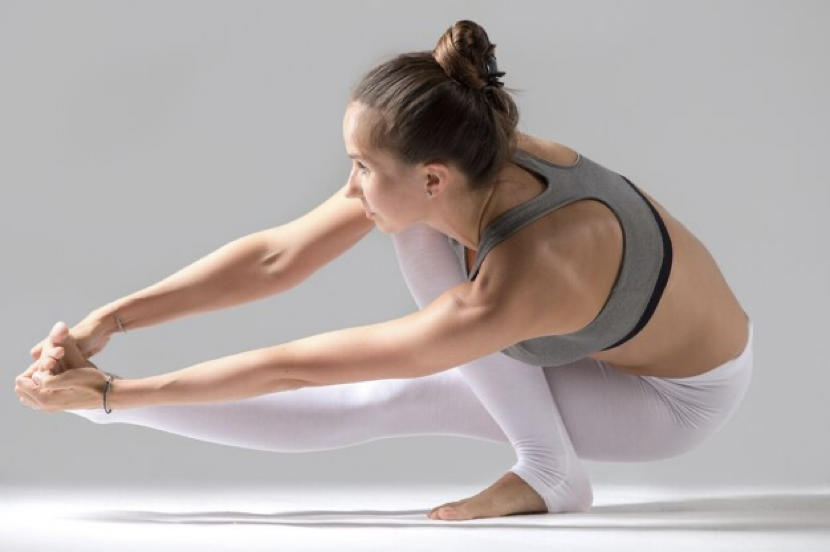
Embracing Flexibility: The Health Benefits and Pathways to Increased Flexibility
Flexibility is a fundamental component of physical fitness that often takes a back seat to cardiovascular endurance and strength training. However, the importance of flexibility should not be underestimated. Flexibility refers to the range of motion in a joint or group of joints and the ability of muscles and tendons to stretch effectively. Embracing flexibility not only enhances physical performance but also offers a myriad of health benefits that contribute to overall well-being. In this article, we delve into the significance of flexibility, its health advantages, and practical ways to improve and maintain flexibility in daily life.The Health Benefits of Flexibility1. Injury PreventionOne of the primary benefits of flexibility is its role in injury prevention. When muscles and tendons are flexible, they are better equipped to handle stress and strain during physical activities. Improved flexibility reduces the risk of muscle strains, ligament sprains, and other common injuries, especially during activities that require sudden or extreme movements.2. Improved PostureFlexibility plays a crucial role in maintaining proper posture. Tight muscles can pull the body out of alignment, leading to poor posture and a host of associated issues such as back pain, neck pain, and headaches. By enhancing flexibility in key muscle groups, individuals can improve their posture and reduce the likelihood of developing chronic postural problems.3. Enhanced Range of MotionIncreased flexibility translates to an expanded range of motion in joints, allowing for more fluid and efficient movement. This is particularly beneficial for athletes, dancers, and individuals engaged in physical activities that require a wide range of motion. A greater range of motion not only improves performance but also enhances overall mobility and agility.4. Stress ReliefFlexibility exercises, such as yoga and stretching, promote relaxation and stress relief. Stretching helps release tension in muscles, alleviate tightness, and promote circulation, leading to a sense of physical and mental relaxation. Incorporating flexibility exercises into a daily routine can contribute to stress reduction and improved mental well-being.5. Joint HealthMaintaining flexibility is essential for joint health and function. Flexible muscles and tendons help support the joints, reducing the risk of joint pain, stiffness, and degenerative conditions such as osteoarthritis. By preserving joint mobility through flexibility exercises, individuals can enhance joint health and longevity.How to Improve Flexibility1. Stretching ExercisesIncorporate regular stretching exercises into your fitness routine to improve flexibility. Dynamic stretches before exercise help warm up the muscles, while static stretches after exercise help lengthen and relax the muscles. Focus on stretching major muscle groups such as the hamstrings, quadriceps, calves, shoulders, and back.2. Yoga and PilatesParticipating in yoga or Pilates classes can significantly enhance flexibility, strength, and balance. These mind-body practices combine stretching exercises with strengthening movements to improve overall flexibility and body awareness. Attending regular classes led by experienced instructors can help individuals progress in their flexibility journey.3. Foam RollingFoam rolling is a self-myofascial release technique that helps release muscle tightness and improve flexibility. By using a foam roller to apply pressure to specific muscle groups, individuals can reduce muscle tension, increase blood flow, and enhance flexibility. Incorporate foam rolling into your post-workout routine to aid in muscle recovery and flexibility maintenance.4. Stay HydratedProper hydration is essential for maintaining muscle elasticity and joint lubrication, both of which are vital for flexibility. Drinking an adequate amount of water throughout the day helps keep muscles hydrated and supple, supporting flexibility and reducing the risk of muscle cramps and stiffness.5. Consistency is KeyImproving flexibility is a gradual process that requires consistency and dedication. Set aside time each day for stretching and flexibility exercises, and gradually increase the intensity and duration of your stretches as your flexibility improves. Be patient with yourself and celebrate small milestones along the way.
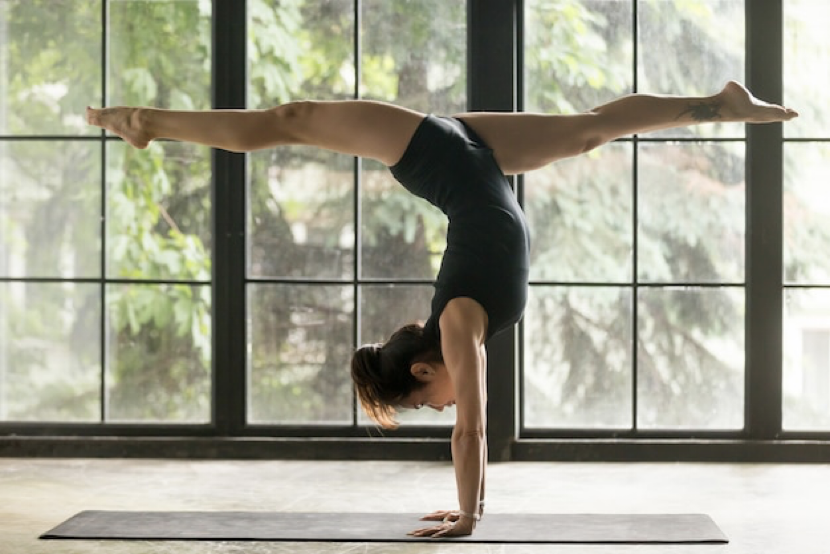
Easy Yoga Routine Helps Reduce Your Fatigue
Fatigue is a common issue that many of us face on a daily basis, whether it's due to work, stress, or simply the demands of everyday life. While getting enough sleep and maintaining a healthy diet are essential for combating fatigue, there are also other effective methods that can help, such as incorporating yoga into your daily routine. Yoga is a form of exercise that combines physical postures, breathing techniques, and meditation to promote relaxation, increase flexibility, and reduce stress. Here's an easy yoga routine that you can do at home to help reduce fatigue and rejuvenate your body and mind.Start with a Warm-UpBefore beginning your yoga routine, it's important to warm up your muscles to prevent injury. Start by standing tall with your feet hip-width apart and take a few deep breaths, focusing on filling your lungs completely with air. Then, move into a gentle sun salutation sequence, which consists of a series of poses that flow smoothly from one to the next. This sequence helps to warm up your entire body and prepare you for the more challenging poses that follow.Mountain Pose (Tadasana)Begin your yoga routine with Mountain Pose, a foundational pose that promotes good posture and helps to ground and center you. Stand tall with your feet hip-width apart, toes pointing forward, and knees slightly bent. Engage your core muscles and lift your chest, feeling tall and strong. Take a few deep breaths, focusing on your breath and allowing yourself to relax into the pose.Warrior II (Virabhadrasana II)From Mountain Pose, step your right foot forward about 3-4 feet, turning your right foot out 90 degrees and your left foot in slightly. Bend your right knee, keeping your knee aligned with your ankle, and raise your arms out to the sides, parallel to the floor and shoulder-height. Look over your right hand, keeping your gaze steady. Hold for several breaths, then repeat on the other side. Warrior II helps to strengthen your legs and open your hips and chest, promoting a sense of strength and stability.Tree Pose (Vrksasana)Stand tall with your feet hip-width apart and shift your weight onto your left foot. Slowly lift your right foot and place the sole of your right foot against the inside of your left leg, either on your calf or thigh. Raise your arms above your head, palms facing each other, and focus on keeping your balance. Hold for several breaths, then repeat on the other side. Tree Pose helps to improve balance, focus, and concentration, as well as promoting calmness and relaxation.Child's Pose (Balasana)Kneel on the floor with your knees hip-width apart and your toes touching. Sit back onto your heels, then lower your torso forward, resting your forehead on the floor or a block. Extend your arms forward, palms facing down, and relax your shoulders and neck. Hold for several breaths, allowing yourself to fully relax and release any tension in your body. Child's Pose is a deeply restorative pose that helps to calm the mind and soothe tired muscles.Corpse Pose (Savasana)Lie down on your back with your legs straight and your arms at your sides, palms facing up. Close your eyes and take several deep breaths, focusing on your breath and allowing yourself to fully relax. Stay in Corpse Pose for several minutes, allowing your body and mind to unwind and rejuvenate. Corpse Pose is the perfect way to end your yoga routine, as it promotes relaxation and helps to reduce stress and fatigue.
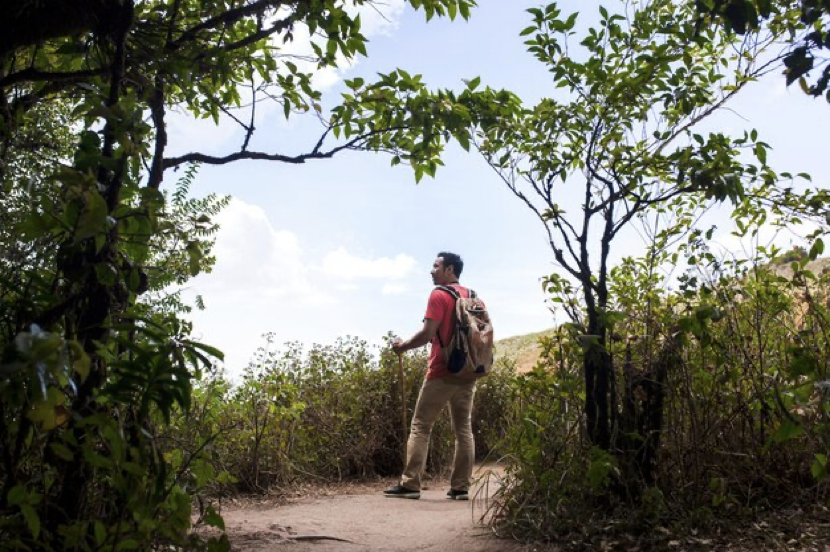
Best Indian Trails For Hiking Enthusiasts
Home to some of the most amazing and spectacular trails for hiking, India is a country which provides an array of trekking that suits beginners as well as amateurs. The topography of the country, ranging from the snow capped Himalayas to forests filled Western Ghats in west India offers a plethora of challenges that is both monstrous and rewarding for any keen hiker. For Hiking, here are some of the best hiking trails in India.Kedarkantha Trek (Uttarakhand)Great for newcomers, intermediate trekkers as well the trail passes through cedar, and oak forests with some pine trees on top making a modest gradient that is easy on the knees. The purpose of this trek is to climb till the peak of Kedarkantha, a high elevation which stands at 12,500 feet from where you get an all rounded view, panoramic sightseeing point for the entire Himalayan range. This trek is best done in winter and early spring as the timing offers clean sky with views of snow capped mountains.Valley of Flowers Trek, UttarakhandThis trek is every plant men´s dream especially post monsoon when the valley comes alive with a riot of colors and variety alpine flowers. Easy walking, you walk over the glades, herded amplitudes and remoteness of waterfalls with Western Himalayas in dietary background; The trek is short and can be done in a day or two which makes it an ideal option for people who want to take pleasure of the Himalayas without adventuring much.Sandakphu Trek, West BengalIf you are someone who wants a longer adventure, we recommend the Sandakphu Trek. This is the highest trek in West Bengal and panoramic view of four out five top most peaks, including Mount Everest ensures your success here. Through rhododendron forests, alpine meadows and even small villages where you can still experience the local culture. The trek is advanced due to its challenging distance and altitude, however, the enchanting view from being at the highest point in all over West Bengal with the supreme colossus of mountains beneath separation will compensate for every arduous steps.Hampta Pass Trek, Himachal PradeshThis delightful moderate trek is a hiker's enduring and appealing trekking post for its attractive terrains with ample diversity of flora & fauna. This trail goes from the verdant Kullu Valley to dry, desolate Lahaul crossing Hampta Pass (14000ft). This trek offers striking vistas of the Pir Panjal and Dhauladhar mountain ranges, and is well suited for summer months when weather gets pleasant enough to enjoy them with vibrant wildflowers in full bloom.ConclusionIn short, spanning from the Himalayan slopes to Valley of flowers in bloom, there is a list much longer that will surprise you with some territories: Every trek is exceptional and defines in its own terms be it a view from Kedarkantha, Valley of Flowers blushing with flowers at every step, cultural peek into Sandakphu or the landscapes of Hampta Pass etc. These are great treks, tough and rewarding for hikers who want to push themselves through the incredible vistas of Indian mountains.

Natural Treatments for Knee Osteoarthritis
Degenerative joint disorders, such as knee osteoarthritis, are a frequent joint disease around the world and millions of people suffer from pain, stiffness, and disability in their joint. Although conservative treatments (i.e. painkillers, physiotherapy, or surgery) are frequently suggested, commonly patients turn to alternative methods to deal with the symptoms with less side effects. These techniques presents a comprehensive approach to treating knee osteoarthritis, aimed at providing relief of both the physical and psychological.1.AcupunctureOne of the most common alternative treatments for knee osteoarthritis is a traditional Chinese practice called acupuncture which small needles are inserted and manipulated at various points in the body. Studies show that acupuncture can trigger the release of endorphins, as well as increase blood flow to the affected joint. And it can be noticed that, with consistent treatments, a lot of clients will have less pain, more mobility. Individuals respond to acupuncture differently, it can be costly, and if you haven’t found any relief after four visits, chances are it’s not going to be helpful, but it is safe when provided by a licensed acupuncturist, and that may be particularly appealing for those who don’t want to take a medication.2.Glucosamine and Chondroitin SupplementsThese are the two most common oral supplements sold for joint pains. They’re said to promote healthy joints by decreasing inflammation and preserving cartilage. Long-term use might ease pain and improve mobility, according to some studies, although the outcomes will depend on severity of osteoarthritis. These supplements are not a panacea, but are considered as part of an overall anti-pain programme especially for those who prefer a more natural way of pain relief as opposed to taking prescription medication.3.MassageAnother alternative therapy is massage which can offer relief by easing muscle tension and increasing circulation in the area of the knee. Talented therapists perform deep tissue or myofascial-release massage, pinpointing tight muscles and connective tissue that might be causing joint discomfort. Routine sessions may help reduce stiffness and increase flexibility, providing a non-invasive method of relieving symptoms. Some patients use massage in combination with other treatments such as application of heat for extra comfort.4.Heat and Cold TherapyAlthough quite basic, heat and cold are still considered tried and true methods for alleviating osteoarthritis pain. Using heat by using warm compresses or heating pads help to relax stiff muscles, boost blood circulation, but if you use cold packs, it might numb the pain and reduce the swelling. Many people use both, switching them based on their symptoms applying heat in the morning to loosen the joint up followed by cold after activity to reduce inflammation. This low cost approach may be integrated into daily practice for maintenance of symptoms.5.Chiropractic AdjustmentIf we think of chiropractic adjustment more in the context of back pain, this study tells us that it can also provide relief to those suffering from knee osteoarthritis. Joint mobilization (chiropractic treatment) has the potential to restore normal alignment and lessen stress on surrounding tissues. They can help correcting these imbalances in your musculoskeletal system and return to proper movement patterns and reduce the stress on your knees. Although not an independent treatment, chiropractic can be a useful addition to a multidisciplinary pain management program.Although these treatment options may not fully substitute conventional medical treatments, they offer a good selection for people who may wish to seek an adjunct way for relieving knee osteoarthritis. Whether it’s acupuncture’s pain-dulling effects or the structural benefits from chiropractic manipulations, people have a variety of options to find comfort. Incorporating one or more of these interventions — with professional guidance — could make a huge difference to your quality of life, giving those with knee osteoarthritis back the freedom to move. Of course, speaking with your doctor anytime you're trying a new treatment will ensure it is safe and tailored to your joint health.
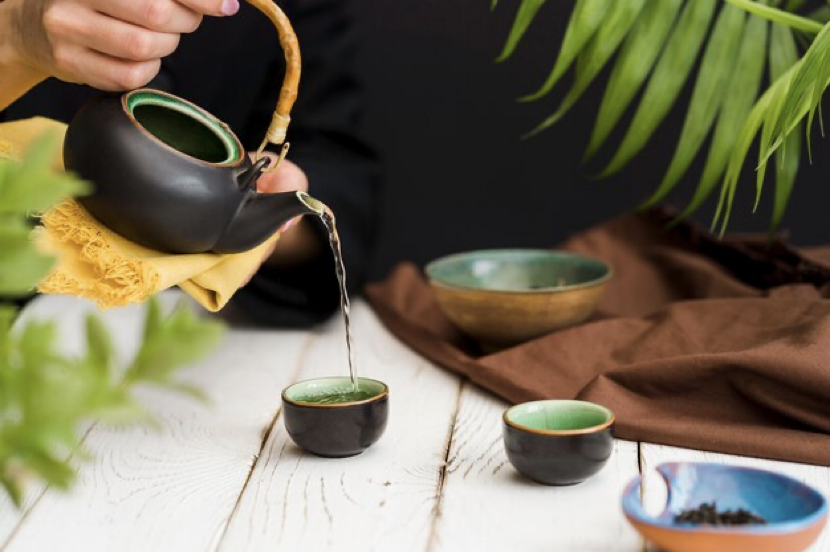
How Can Tea Help You Cope With Crisis
In the fast-paced life, we often face and confront with all kinds of pressure and challenges, what’s worse, the crisis comes all of a sudden, making us have no idea to deal with. At this time, if you can drink a warm tea, you may be peaceful, powerful and calm beyond your imagination and perception. And so, how can drinking tea help us cope with the crisis on earth?Relieves mood and anxietyThe tea is rich in ingredients, such as tea polyphenols, caffeine and son on, which can excite brain nerves in order to make you sober and fresh. In the meantime, L-theanine in the tea can escalate the production of GABA in our brains which is a kind of neurotransmitter good for tranquilizing and allaying excitement. Therefore, when we feel uneasy or nervous, why not try drinking a cup of tea, it may help us relax our anxiety and reduce the tension.Improves concentration and enhances decision-making abilityThe theine in the tea can help us escalate our attention and alertness, consider problems more clearly and limpidly. Besides, catechuic acid in the tea can improve the blood circulation in the brains, promote oxygen supply to your brains in order to strengthen our memory and cognitive abilities. When facing crisis, keep high degree of concentration and clear thinking can be helpful for us to make decision more wisely.Promotes social relations and gains supportDrinking tea is not just a personal enjoyment, instead, it’s a social activities. Savoring and enjoying the tea with our intimate relatives and friends can help us establish and build deeper and further relationships and gain more social supports. When we face difficulties, we can be moved and motivated by others’ care and encouragements.Escalates physical health and enhances the ability to resist pressureThere are an abundance of vitamins, minerals, and antioxidants in tea leaves, which can enhance our immunity and improve our capability of ant-diseases. A healthy and fit body plays a fundamental and basic role in facing all kinds of challenges. Besides, tea polyphenols in tea is antioxidative, which can remove the radicals in your body and delay senescence in order to protect our cardiovascular health.