


Ways to Help an Anxious Child with Bedtime
Bedtime can be a challenging time for many children, especially those who experience anxiety. The transition from the day's activities to a quiet, dark room can trigger fear and worry, making it difficult for them to settle down. As a parent or caregiver, understanding how to support an anxious child during bedtime is crucial for their emotional well-being and overall development. Here are some effective strategies to help ease your child's bedtime anxiety.
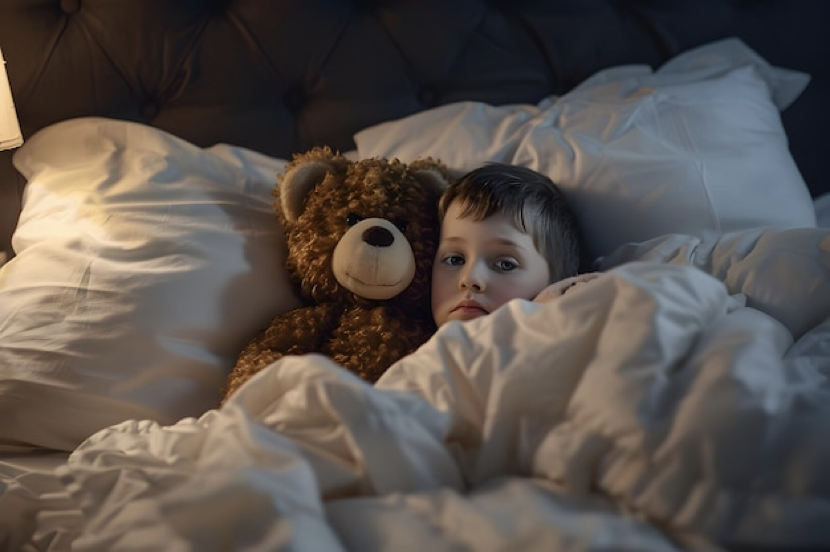
Create a Calming Bedtime Routine
Establishing a consistent, calming bedtime routine is one of the most effective ways to help an anxious child. Routines provide a sense of security and predictability, which can significantly reduce anxiety.
1. Set a Regular Schedule: Aim for the same bedtime each night, allowing your child to wind down at a consistent hour. This helps regulate their internal clock and makes falling asleep easier.
2. Incorporate Relaxation Activities: Include calming activities such as reading a story, listening to soft music, or practicing deep breathing exercises. These activities can help signal to your child that it’s time to relax.
3. Limit Screen Time: Reduce exposure to screens at least an hour before bed. The blue light emitted by devices can interfere with the production of melatonin, the hormone responsible for sleep. Instead, opt for low-light activities.

Address Fears and Concerns
Anxiety often stems from fears that children may not fully understand or articulate. Taking the time to talk to your child about their worries can help alleviate their anxiety.
1. Open Communication: Encourage your child to express their feelings. Create a safe space where they feel comfortable sharing their fears. Approach these conversations with empathy and without judgment.
2. Validate Their Feelings: Let your child know that it’s okay to feel scared or anxious. Validating their feelings helps them feel understood and less isolated in their experiences.
3. Problem-Solve Together: If your child expresses specific fears, work together to find solutions. For example, if they are afraid of the dark, consider using a nightlight or leaving the door slightly open.
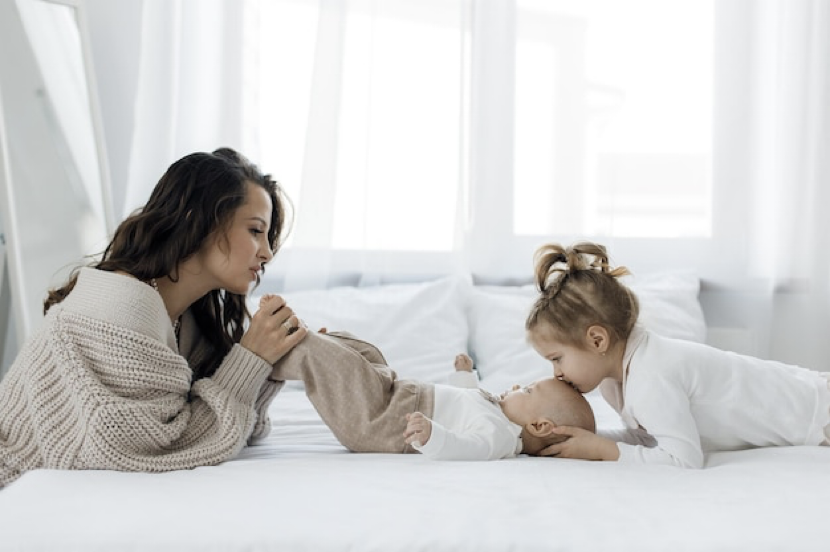
Use Comfort Objects
Many children find comfort in having a special object nearby during bedtime. This can provide a sense of security and help ease anxiety.
1. Stuffed Animals or Blankets: Encourage your child to choose a favorite stuffed animal or blanket to sleep with. These items can serve as emotional support and help them feel more secure.
2. Create a “Worry Box”: If your child has worries that keep them awake, create a worry box where they can write down their thoughts before bed. This physical act of putting their worries away can be therapeutic.

Encourage Independence
Fostering a sense of independence can help reduce anxiety around bedtime. Empowering your child to take control of their bedtime routine can increase their confidence.
1. Involve Them in Decisions: Let your child choose their pajamas, bedtime story, or even the order of their routine. This involvement fosters a sense of ownership and control.
2. Gradual Separation: If your child struggles with separation anxiety, try gradually reducing the time you spend in the room. Start by sitting with them until they fall asleep, then slowly move further away each night.
3. Positive Reinforcement: Celebrate small successes. If your child stays in bed for a certain period or falls asleep without calling for you, offer praise or a small reward to reinforce their progress.
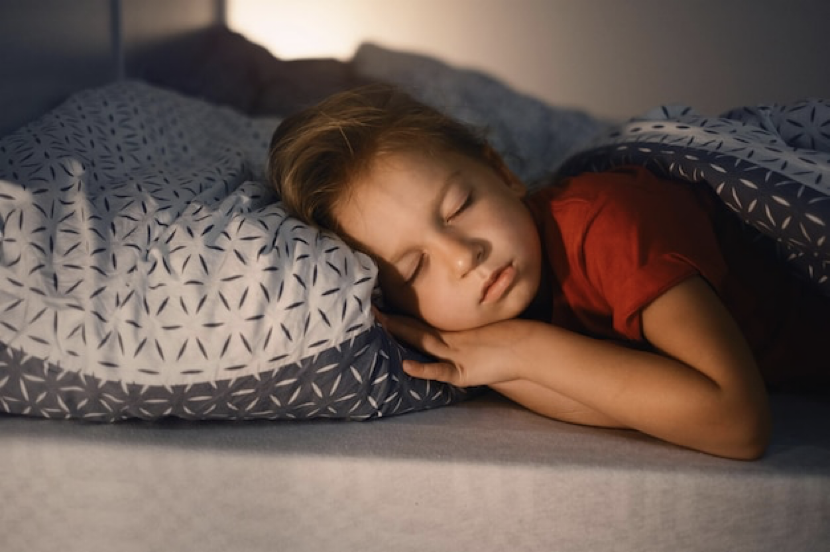
Be Patient and Consistent
Finally, patience and consistency are key when helping an anxious child with bedtime. Anxiety may not resolve overnight, and it’s important to remain supportive throughout the process.
1. Stay Calm and Reassuring: Your demeanor can influence how your child feels. Stay calm, reassuring, and consistent in your approach, even if they resist initially.
2. Reassess and Adjust: If certain strategies aren’t working, be open to reassessing your approach. Every child is different, and what works for one may not work for another.
3. Seek Professional Help if Needed: If your child’s anxiety is severe or persists despite your efforts, consider consulting a child psychologist or counselor. Professional support can provide additional strategies tailored to your child's needs.

To conclude, by implementing these strategies, you can help your anxious child navigate bedtime with greater ease and confidence, fostering a more restful environment for both of you.

How to Skillfully Use Textile Wall Hangings to Elevate Home Design?
Textile wall hangings have long been prized for their ability to infuse spaces with warmth, texture, and character.In modern home decor, these versatile pieces have found new ways to shine, adding a unique touch to various areas within the home. In this article, we will delve into the intricate details of how textile wall hangings can be creatively used to enhance different spaces in home design.Living Room:In the living room, a large, intricately woven textile wall hanging can serve as a captivating focal point, drawing the eye and adding depth to the space. Whether it's a handcrafted tapestry with a nature-inspired motif or a bohemian macramé wall art, the tactile and visual appeal of the piece can set the tone for the entire room. Additionally, smaller textile wall hangings can be layered with other forms of art to create a dynamic, multi-dimensional gallery wall.Bedroom:In the bedroom, a textile wall hanging can introduce a sense of serenity and style. A carefully chosen piece suspended above the bed can create a cozy, cocoon-like atmosphere, offering an alternative to a traditional headboard. Alternatively, a collection of smaller fabric wall hangings can be arranged in a cluster to inject a touch of color and personality into the room.Dining Area:When used in the dining area, a textile wall hanging can contribute to a warm and inviting ambiance. A hand-dyed fabric wall hanging or a woven tapestry can add an artisanal touch to the space, complementing the dining table and chairs. It can also serve as a unique conversation starter, offering a glimpse into the homeowner's individual style.
Decorating the Bathroom: Things to Consider
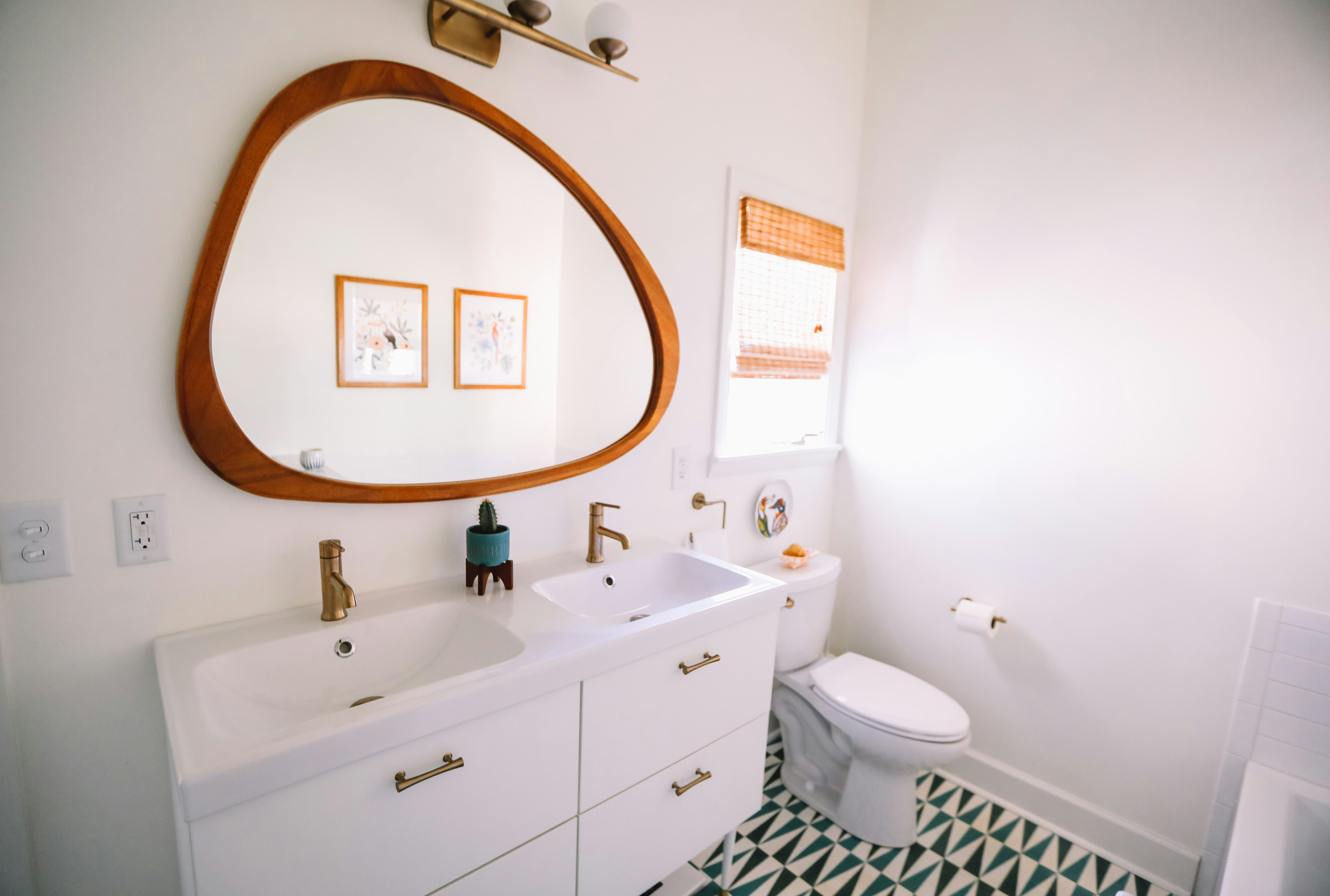
When it comes to decorating your home, the bathroom is often the most overlooked yet vital space. When it comes to decorating your home, the bathroom is often the most overlooked yet vital space. Therefore, when decorating the bathroom, we must pay attention to some key details to ensure that the bathroom is both beautiful and practical.1.Waterproof and non-slipAs a frequent contact with water space, waterproof and non-slip is the bathroom’s primary consideration. When selecting ground materials, priority should be given to tiles or stoneswith good waterproof performance, and ensure that the ground is laid smoothly to avoid water accumulation. In addition, the walls of the bathroom should also choose materials with good waterproof performance, such as ceramic tiles or waterproof paint, to protect the walls from moisture. In terms of anti-slip, anti-slip MATS can be placed in the shower area to reduce the risk of falling due to wet ground. At the same time, the floor design of the bathroom should also avoid excessive steps and gradients to ensure safe walking.2.Lighting and ventilationLighting and ventilation are important details in the bathroom. Proper lighting can make the bathroom brighter and more spacious, while also helping to lift the mood of the occupants. When choosing lamps, you can consider installing soft LED strips or downlights to provide even, comfortable lighting for the bathroom. In terms of ventilation, the bathroom should be equipped with exhaust fans or fresh air systems to ensure air circulation and reduce moisture and odor. In addition, regular window ventilation is also an effective way of ventilation, helping to keep the bathroom dry and fresh.3.Storage and placementThere are many items in the bathroom, including toiletries, cleaning supplies, etc. Therefore, reasonable storage and placementspace is an indispensable part of the bathroom design. When choosing a bathroom cabinet, consider installing cabinets with multiple layers of storage space to make the most of the space. At the same time, you can also install hooks and shelves on the wall to facilitate the placement of towels, bath towels and other items.

The Silent Echoes of a Planet Without People
A time where the human population has disappeared, and we see nature begin to take back what once belonged to her. This is not simply a visionary idea, it has already begun to take shape in some places on our world, where human impact weakens and we are left with the ghostly aftermath of previous times. From the ghost town of Kolmanskop in Namibia, an abandoned cinema house in Brussels and a rotten Tuscan villa to disused railway track overgrowing with grasses somewhere on post-Soviet land, all these are microcosms of this larger story.KolmanskopKolmanskop, which was a hub for diamond mining activity in the mesmerizing Namib Desert, is an abandoned result of human mettle today. The lavish buildings where European nobility once came to seek their fortune now degrade in the harsh sun and wind. The one glittering avenues lay hidden beneath tonnes of ever moving sand and now all that you could hear were the mumbled whispers on desert gusts too calling a far away claim to it wildlife.An Old Cinema in BrusselsAn old forgotten cinema in Brussels, with its marquee faded permanently locked doors. Faded posters of bygone eras hint at the glory days when colossal audiences packed in to see the latest screen spectacles. Now, stale air meets only cobwebs and dust as the building fades to ruin with all its memories entombed in lost minds that once wandered those halls.Rustic Tuscan EstateOnce grand, now desolate and empty; a "rustic Tuscan estate" atop a hill of vineyards stands as sudden testament to prosperity gone bye. Its stained walls and destroyed murals narrate about once& glorious riches, family legacies now forgotten in time. Farmhouse becomes the wooded shell of a mansion as creepers trail through shattered windows, moist night draught yawn in and rustle leaf litters across wooden floors; it is half pitfall for skunk or opossum making its travel to bed among broken columns mantled with ivy's clasp, the full haven now for life that lives within grasses off porch side amid ancient stalks.Disused Railway TrackDead Landscapes is the name of this one, from Ukraine, stretching fields on an abandoned narrow gauge railway line with its rusty tracks trying to surpass the horizon. Originally an important route linking towns and villages, supporting trade in goods as well telecommunication. But now, a solitary way that speaks of forsaken travels and deserted stops. Tall grasses line the tracks, with wildlife continuing to walk in between them completely indifferent toward whatever was left of human invention.ConclusionThey are not just ancient sites that have taken on the mantle of ruins; they lie beneath us, and in their decay, tell a story about what it means to be human. They show us that our accomplishments, no matter how great, are but passing blinks in the cosmic eye. Even as we mold the world to our fitting, let's perhaps halt and think about what legacy do we create in passing on these echoes that sound long after us. Here, in the quiet forgotten places of man nature tells us over and over again a story about survival and how aging is an inexorable march that keeps coming for each of us as it serves up hard lessons on time.

Why You May Eat to Bankrupt in Osaka
Osaka, a city which is regarded as the “City of Food”, has formerly been named as the “World Kitchen” in the Edo period. This title does not only originate from its rich food culture but also come form the pursuit and love for food of Osaka citizens, even it advocates the saying that “Eat till you’re bankrupt.” Every food in Osaka contains the emotion and memory of residents, seducing numbers of food lovers. Therefore, to figure out why you may eat to bankrupt in Osaka, you ought to read below.OkonomiyakiOkonomiyaki , one of the most iconic food in Osaka, is a must-eat for every travelers to Osaka. It is a pasta pancake which combines Korean yo, pork with seafood, and through frying the mixed batter and eggs until crisp outside and soft inside, pouring a thick sauce and a delicious treat, Okonomiyaki amazes both your noses and mouths. Sauce in every store has its own features in Osaka, sweet and salty tastes are the main kinds. No matter what kind of the sauce is, the flavour will not disappoint you. What’s more, cookers usually cook after your order and then the waiter will send it to your table, or cook in front of you, this kind of innovative cooking makes us feel the process of food producing perfectly. After seeing this, don’t you want to eat to bankrupt in Osaka?TakoyakiTakoyaki is also a notable snack can be seen all around the Osaka. It is a kind of paste, after adding flour, eggs, and Japanese stock, the octopus slices, pickled ginger and green onion are put together into it, thus finishing the maruko-like food called Takoyaki. It is crisp outside and soft inside, fresh and juicy, when mixed with certain sauce and wood fish slices, the soul in Takoyaki comes out! There are also lots of famous Takoyaki stores, for example, the Dotombori Akaoni, which catches customers’ stomachs by the authentic techniques. What’s more, a Takoyaki doesn’t cost you much, thereby, if you want to eat to bankrupt, you may eat up all the octopus in the sea.KushikatsuExcept for Okonomiyaki and Takoyaki, Kushikatsu is also a delicious one you can not miss. All kinds of food tied together by a prod covered by golden sauce is the original look of Kushikatsu. After taking from the frying pan, Kushitatsu permeates desirable smell which will fulfill your hunger. Further more, it is a good idea to take your friends here together, talk freely to each other with Kushitatsu in everyone’s hand.ConclusionAccording to what has been introduced above, you may understand why others name Osaka the city of food. You might still immerse in the smell and tastes of Okonomiyaki , Takoyaki and Kushikatsu like what I mentioned above, but compared with thinking and imagining the tastes, start to move and experience in person is more dependable. Here, you can taste the most authentic food, and you can feel the love and pursuit of food of Osaka people. And this love and pursuit are enough to let you forget the shackles of money in the process of tasting food and even spend a lot of money. Therefore, you may go bankrupt in Osaka, but your love and pursuit of food will make it all worth it. And wish you a good time in Osaka.

Choosing the Right Footwear: A Guide to Fall-Prevention Shoes for Seniors
Key Features of Senior-Friendly ShoesWhen buying shoes for elderly, consider non-skid rubber soles with deep tread patterns that provide the best grip on a variety of surfaces. Seek out low, wide heels (no more than an inch) that offer stabilizing support without hampering your equilibrium. Shoes must have good heel counters and proper arch supports to keep the feet in their natural position. Get the ones that adjust like Velcro or elastic laces so you can expand with foot swelling, but while still feeling secure on your feet. Lightweight construction minimizes fatigue when you wear all a day long just like padded collar prevents ankle discomfort.Shoes for Specific Health ConditionsSpecific foot health considerations should be used when selecting an appropriate athletic or walking shoe for older adults.1.Accessibility/ Balance: The elderly people often have balance difficulties; thus the shoes with wide soles and low heels can help them to improve their stability. Orthotic shoes with deep grip soles and enhanced ankle support are also a good choice for those who wish to prevent falls.2.Arthritis: For an elderly with arthritis, the more shock-absorbing and cushioning materials in the shoes, the better. Rocker-bottom shoes are designed to decrease joint pressure by encouraging a natural walking gait.3.Diabetes: Footwear that is designed to keep you safe from foot ulcers for older people with diabetes. Shoes with deeper depth, seamless insoles and soft cushioned materials may be beneficial to reduce friction on the foot and bony prominence.Footwear Types to AvoidSome shoes pose an enormous risk of falling and are not welcome additions to any senior's closet. High heel and platform shoes push the body weight forward, destabilizing the wearer.Backless slippers and loose flip-flops don't provide support to the heel, and they can slip off far too easily when on stairs. Worn-out athletic shoes with flat, polished soles for example lose all traction; at the other extreme, sneakers designed for very cushioned heels have specifically thickened sole zones that prevent feeling the ground.Footwear that doesn't fit well, whether too tight or too loose, can lead to pain, numbness or blisters that change the way a child walks.Recommended Shoes for the Elderly1.Propet Stability X: The Propet Stability X offers stability with cushioning and easy to adjust hook-and-loop closure systems. The adjustable strap makes this the perfect fit. They happen to be Medicare-approved shoes, so they are also an excellent value for seniors with certain health conditions.2.Skechers GOwalk 5: The Skechers GOwalk 5 slip-on is not only light, but comfortable, and it's an easy sneaker to put on for those seniors who have problems tying shoelaces. Thoughtful design with breathable material, cushioned foot bed and rubber outsole makes it the perfect everyday casual option.3.New Balance 928v3 walking shoes: The New Balance 928v3 is one of the most popular sneakers for those on their feet all day, or anyone who need additional arch support, cushioning and stability. With the anti-roll feature it controls the movement of rear foot for those who have trouble balancing.Essential Shoe Maintenance TipsShoe maintenance increases lifespan and protects safety properties. Check soles to monitor wear patterns monthly; uneven wearing is a sign of needing replacement. Scrub rubber soles regularly with a mild soap, as dirt is the number one killer of grip. Do keep shoes dry and don't leave them near direct heat sources, which break down materials. Treat leather shoes with conditioner every three months to avoid cracking. Arguably most importantly is to replace walking shoes every 6-12 months depending on how often you use them, no matter if they look okay.Rediscovering the joy of walking safely. The elderly can now enjoy a safe and sure way to walk indoors and outdoors. With the right footwear, and taking care of it, seniors can walk confidently and with less risk of falling.