


The Silent Echoes of a Planet Without People
A time where the human population has disappeared, and we see nature begin to take back what once belonged to her. This is not simply a visionary idea, it has already begun to take shape in some places on our world, where human impact weakens and we are left with the ghostly aftermath of previous times. From the ghost town of Kolmanskop in Namibia, an abandoned cinema house in Brussels and a rotten Tuscan villa to disused railway track overgrowing with grasses somewhere on post-Soviet land, all these are microcosms of this larger story.

Kolmanskop
Kolmanskop, which was a hub for diamond mining activity in the mesmerizing Namib Desert, is an abandoned result of human mettle today. The lavish buildings where European nobility once came to seek their fortune now degrade in the harsh sun and wind. The one glittering avenues lay hidden beneath tonnes of ever moving sand and now all that you could hear were the mumbled whispers on desert gusts too calling a far away claim to it wildlife.
An Old Cinema in Brussels
An old forgotten cinema in Brussels, with its marquee faded permanently locked doors. Faded posters of bygone eras hint at the glory days when colossal audiences packed in to see the latest screen spectacles. Now, stale air meets only cobwebs and dust as the building fades to ruin with all its memories entombed in lost minds that once wandered those halls.
Rustic Tuscan Estate
Once grand, now desolate and empty; a "rustic Tuscan estate" atop a hill of vineyards stands as sudden testament to prosperity gone bye. Its stained walls and destroyed murals narrate about once& glorious riches, family legacies now forgotten in time. Farmhouse becomes the wooded shell of a mansion as creepers trail through shattered windows, moist night draught yawn in and rustle leaf litters across wooden floors; it is half pitfall for skunk or opossum making its travel to bed among broken columns mantled with ivy's clasp, the full haven now for life that lives within grasses off porch side amid ancient stalks.
Disused Railway Track
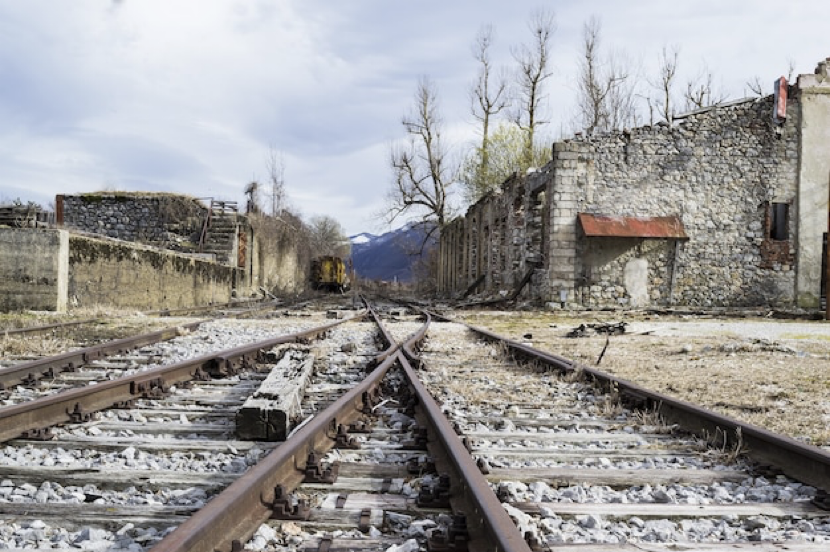
Dead Landscapes is the name of this one, from Ukraine, stretching fields on an abandoned narrow gauge railway line with its rusty tracks trying to surpass the horizon. Originally an important route linking towns and villages, supporting trade in goods as well telecommunication. But now, a solitary way that speaks of forsaken travels and deserted stops. Tall grasses line the tracks, with wildlife continuing to walk in between them completely indifferent toward whatever was left of human invention.
Conclusion
They are not just ancient sites that have taken on the mantle of ruins; they lie beneath us, and in their decay, tell a story about what it means to be human. They show us that our accomplishments, no matter how great, are but passing blinks in the cosmic eye. Even as we mold the world to our fitting, let's perhaps halt and think about what legacy do we create in passing on these echoes that sound long after us. Here, in the quiet forgotten places of man nature tells us over and over again a story about survival and how aging is an inexorable march that keeps coming for each of us as it serves up hard lessons on time.
A Guide to Choosing the Right Camping Gear
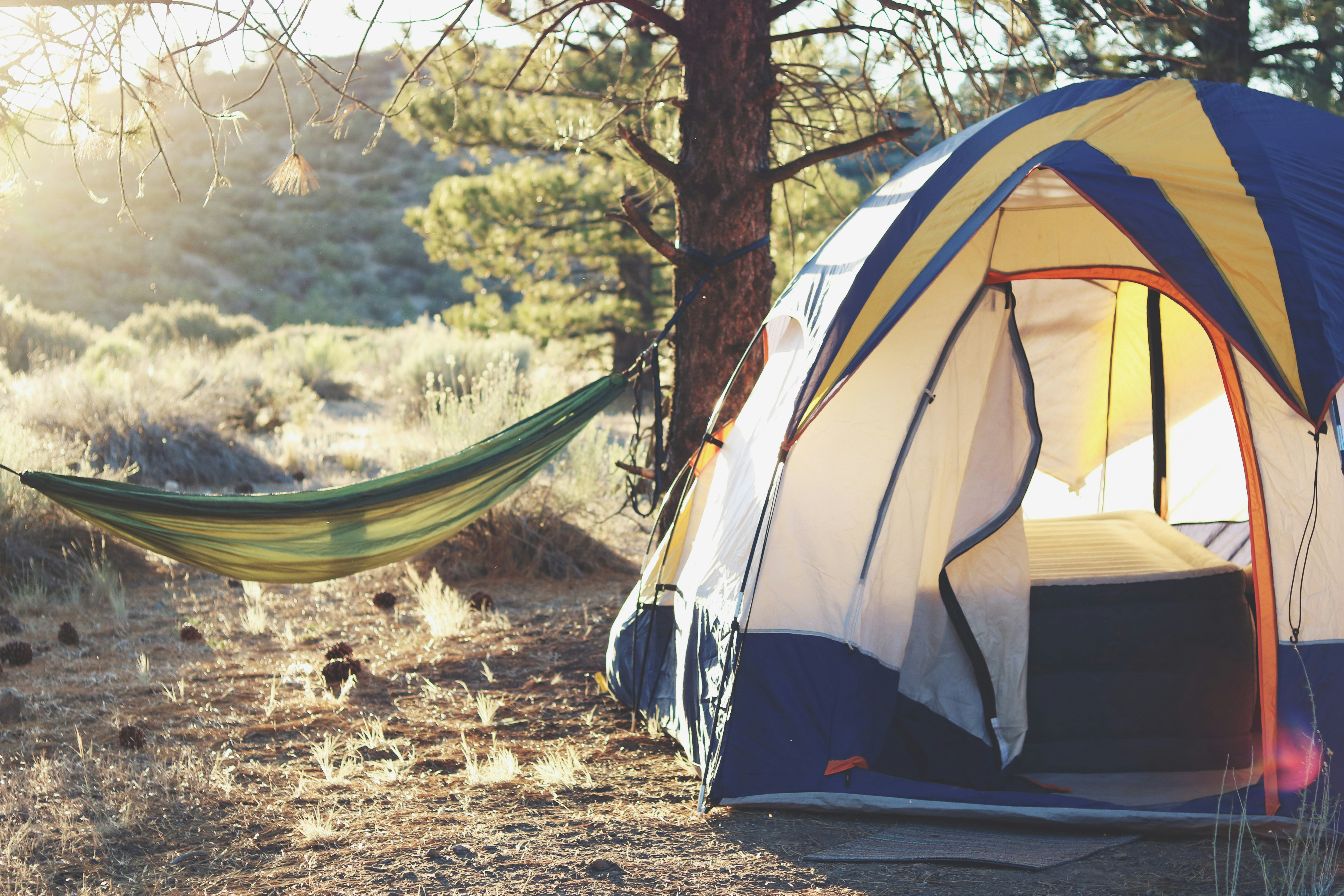
Camping is an exhilarating outdoor activity that allows individuals to reconnect with nature and escape the hustle and bustle of eve.However, selecting the right camping gear is crucial to ensuring a comfortable and enjoyable experience in the great outdoors. In this guide, we will explore the essential factors to consider when choosing camping gear, providing valuable insights to help readers make informed decisions and gear up for their next adventure.Functionality and Versatility: The Backbone of Camping GearWhen selecting camping gear, it is essential to prioritize functionality and versatility. Look for multi-purpose equipment that can serve various needs, such as a multi-tool with a knife, screwdriver, and can opener, or a versatile tent that can adapt to different weather conditions. Versatile gear not only saves space and weight but also enhances the overall camping experience by catering to diverse situations.Durability and Quality: Invest in Long-lasting GearInvesting in durable and high-quality camping gear is critical for a successful outdoor experience. Look for gear made from robust materials, reinforced seams, and sturdy construction to withstand the rigors of outdoor use. Quality gear not only ensures longevity but also provides peace of mind in challenging environments, allowing campers to focus on their adventures without worrying about gear malfunctions.Comfort and Ergonomics: Prioritize Personal Well-beingComfort plays a crucial role in determining the overall camping experience. When choosing camping gear, prioritize items that prioritize personal well-being, such as a comfortable sleeping pad, ergonomic backpack, or supportive hiking boots. Additionally, consider factors like adjustable straps, breathable fabrics, and padded support to enhance comfort during extended outdoor excursions.Portability and Weight: Pack Light, Pack RightEfficiently packing and transporting camping gear is essential for maximizing mobility and convenience. Opt for lightweight and compact gear that minimizes bulk and weight without compromising functionality. Additionally, consider collapsible or foldable options, such as portable cookware and compact chairs, to optimize space and ease of transport.
The Rise of Assembly Robots
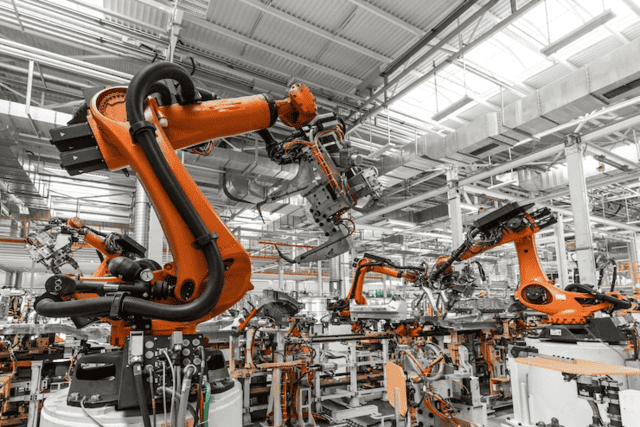
Precision, speed, and flexibility for manufacturing leave assembly robots to the machines to perform the high-precision, repetitive movements required for simple tasks with pinpoint accuracy and blistering speed. Today, these kind of robotic systems are the staple workhorses of industry providing huge benefits over man power and are part of.Advantages of Assembly Robots1.Extraordinary PrecisionRobotic assemblers don't tire like human workers, nor do they make mistakes. The result is each piece is built to precise dimensions. This decreases defects and enhances product dependability which is crucial for applications like aerospace and medical device production. Also, robots can work 24/7, which is able to considerably increase productivity with lower cycle times.2.Cost-efficiencyWhile robots are expensive to buy and implement, the cost can be justified in terms of labor savings, waste savings and increased throughput. Furthermore, robots improve workplace safety by performing safety sensitive operations, thus reducing the number of accidents.Current ApplicationsThe assembly robot is a common feature in many different industries. Welding, bolting and attaching parts in the car industry, this job has to be done with perfect precision as millions on millions car are built within no time. Robotic machines are used by electronics manufacturers to position minuscule components on circuit boards with a precision of a micron, an assignment that is nearly impossible for human hands. In a food and beverage 3 industry, robotic arms are used to package and sort food and beverages safely while maintaining cleanliness and meeting stringent standards.There is big potential for assembly robots beyond factory production, like custom-furniture assembly and even 3D-printed construction. Collaborative robots, which are engineered to work alongside humans, are becoming more popular in shops where flexibility and usability are important.Selecting the Most Suitable Assembly RobotFirst, manufacturers need to consider the necessary payload and range of motion, smaller robots work well for delicate tasks such as electronics assembly, whereas larger robots are typically used for heavy-duty tasks. Both are also important and the faster robot is good for high-product production while a slower, more accurate robot is better for detailed work.Programming flexibility is another factor. Other robots follow pre-written commands, and some also rely on AI and machine learning to adjust to real-time variability. They should also check out possible integration with available machines and software. Finally, the budget and anticipated return-of-investment are also deciding factors.The Future of Assembly RobotsThe future for automation in assembly robotics is well on track for revolutionary trends. With the emergence of AI and IoT, the robotics will become smarter as they will be able to perform preventive maintenance and self-optimization. Improved gripper tech and tactile sensors will mean robots are dealing with delicate or asymmetrical objects better.One of the other exciting trends is the emergence of mobile assembly robotics that can move around the factory floor without human intervention, dynamically reconfiguring their jobs based on changing production requirements. Moreover, as robotics continue to decrease in cost, small and medium sized businesses will begin to implement automation, putting advanced manufacturing technologies in the hands of more and more people.Eventually, fully autonomous smart factories might be the standard and robots talk to each other, self-optimize production processes and are employed to the least degree possible. As sustainability becomes a key priority, energy-efficient robots running on renewable sources of energy will continue lowering the ecological impact of production.ConclusionAssembly robots are changing the face of modern manufacturing through the relentless pursuit of precision, throughput, and safety. They are used in various fields, from the automotive industry to computer electronics, and can do more and more since technical progress is made. Companies have to consider several important factors in order to find the robot that suits their application best. In the long term, AI-enabled adaptive robotics will open even more doors to a new industrial era both smarter and more automated. Those machines are not only going to grow production, they're going to completely recast the very definition of what work even means in the manufacturing sector.

Ceuta: The Spanish Territory in North Africa
A small sliver of land on the north coast of Africa, Ceuta is one few remaining remnants (along with another Spanish enclave there and some islands off Morocco) from centuries when Europe's reach extended into Africa. A castle in the desert, Ceuta steeps itself not just in its geographical splendor but also a cacophony of cultural influences which all together had been woven through centuries into an autonomous city.Location of CeutaCeuta is on the Strait of Gibraltar, sharing a 6.4-mile border with Morocco to its south and east, while facing Spain across the sea to its north; it also lies near European transshipment routes for many sub-Saharan migrants that have climbed over or swum into Ceuta from May 2001 through August 2015. The enclave measures just 18.5 square kilometers, so it is one of the smallest territories in Spain. Ceuta, due to its location is rather small but that´s no less strategic which explains the many empires who wanted Ceuta.History of CeutaCeuta has a long and turbulent historical past. This city, which was founded by the Phoenicians and later became a Roman colony. Subsequently (and over the next 230 years), it was seized by vandals, who were then followed by the Byzantines before coming under control of Islamic Umayyad dynasts. It became an important center of trade and culture under the Moorish domination. The Portuguese gained official control over Ceuta in 1415, through the Reconquista, though it was taken by Spain from Portugal in 1580 and never again returned to its original owner.Ceuta became a Spanish territory after the signing of Treaty of Fez with Morocco in 1906. This makes Spain, the Spanish Government as an essential part of Western Europe convicted country Ceuteser colony. The outcome has been a specialization: Ceuta is not only Europe's doorstep, but also sparks controversy regarding international relations between Spain and Morocco.Culture of CeutaIn terms of culture, its aesthetic is an amalgamation of Spanish, Moroccan and Andalusie. Official languages are Spanish and Tarifit, which belongs to the Berber group of dialects indigenous in Rif. Similarly, the architecture of Ceuta shows this mix with an old town (the, in the typical Moroccan style) and new areas having European influences.Ceuta is an economic free port that no duties of any kind are performed, as well reflects business and trade from around the world. Given the unique position of Schengen, it is also an essential crossroads in Europe for imports and exports between both continents. A tourism hub, the city enjoys a popular seaside and offers historical locations while also serving as unique Spanish exclave in Africa.But Ceuta, which is a Spanish territory on the north coast of Africa, has faced its share of problems. Its border with Morocco has long been a source of tension, and frequently the focus of disputes over migration and smuggling. In modern times, Ceuta has presented a special challenge but it is also prove of an implicit policy in which Spain remains one finger on Africa with Tanger as nowadays the gateway to EuropeConclusionTo conclude, Ceuta is a unique example of the interplay between history, geography and culture in shaping an unusual territory. Eladio attests that hindsight is powerful: The fact that Ceuta remains a Spanish city in North Africa today upon reflecting shows the power of history, and, by default, it makes international politics so complex. Ceuta sits on a sprawling continent, where humanity and history are at large even within the rigid boundaries of territory — ever in flux as she made more so.

Why Polarized Sunglasses are Essential for Every Driver!
Polarized lenses are indispensable for driving, as they effectively eliminate glare and scattered light from reflective surfaces such as car windows and wet roads. By reducing these distractions, polarized sunglasses ensure clearer vision, especially in bright sunlight, thus minimizing the risk of accidents on the road. Additionally, polarized lenses are beneficial for individuals with myopia, as they provide enhanced visual comfort and clarity, allowing for a safer and more enjoyable driving experience for all.But beyond driving, there's a myriad of sunglasses types to consider, each with its own unique features and suitability for various occasions.Lens Material:The lens material of sunglasses is directly related to the visual experience and service life. Common lens materials currently on the market include glass, resin and PC (polycarbonate). Glass lenses have the advantages of high definition and strong wear resistance, but they are heavy and fragile; resin lenses are lightweight and not easily broken, but have relatively poor wear resistance; PC lenses are both lightweight and wear-resistant, making them ideal for sports The first choice for sunglasses.
How to Design a Warm and Inviting Modern Garden
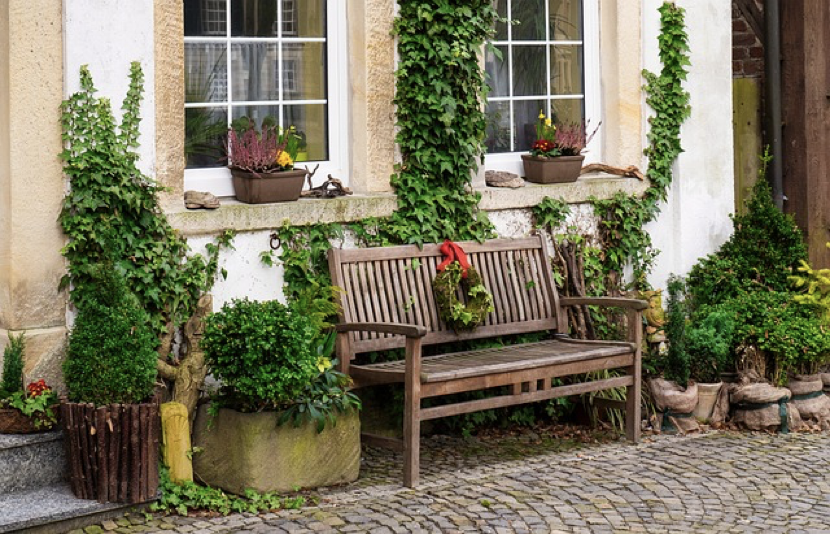
To design a modern garden with a warm and inviting atmosphere, you need to focus on the combination of beauty, utilities, and feelings. Give solace from your daily life in a well-designed garden. So, below I talk you through five major points to help you forge a modern garden you want to spend time in.1.Incorporate Natural Materials and TexturesUse natural materials such as wood, stone, and rattan to create a warm environment. The use of wood, terrazzo or concrete for examples brings texture and a sense of organic warmth to the space. “(Wooden decking or stone pathways would help ground the design, whereas rattan furniture or woven planters would infuse softness and charm.) Balance a modern minimalistic look with the coziness of natural tones by pairing these materials with plants and greenery rich in colors. If you want a rustic vibe that feels sustainable and welcoming, consider using reclaimed wood for benches or tables. Features such as a small rock garden or a pebble mosaic of one kind or another, for example, will not only provide texture and diversity of shapes but also provide a stratum that may encourage touching and interaction.2.Concentrate on Cozy Seating AreasA warm garden is a place that encourages people to sit, to relax and to linger. Incorporate lounging areas with soft cushions, weatherproof fabrics, and handpicked ergonomic furniture; Think about creating different zones, for example a cozy bench under a tree, a dining area for al fresco meals or a lounge area with a fire pit. Throws or outdoor rugs can add an extra layer of comfort and help make the garden feel like an extension of your home. Design with a curved seating orientation ideal for small gatherings. Furnishing with hammocks or swing chairs can bring an element of playfulness and relaxation as well.3.Incorporate Soft LightingMany ordinary lights can make a garden more attractive, including ambient lights like lanterns, string lights, or even lamps. As the sun goes down, use soft warm light for a welcoming atmosphere. String lights, lanterns and the new solar-powered path lights can create a magical glow. To add depth and interest, subtly spotlight elements of your space, such as trees, water features of sculptures. A beautifully illuminated garden can feel inviting but also safe. Try LED candles or fairy lights in glass jars for something quirky. For added drama, set up uplighting to illuminate the architectural shapes of plants or trees.4.Include Personal Touches and Sensory DetailsA warm garden should be your personality and stir the senses. Incorporate things like wind chimes, aromatic flowers, or even a wee water feature for a therapeutic auditory and olfactory experience. Personal touches like handmade pottery, family heirlooms or a collection of potted plants can give the space a distinctive feel. These details spark feelings and memories, turning the garden into a space of belonging and happiness. Use herbs that release perfume when brushed against, such as lavender, rosemary and mint. In the same way, including a bird feeder or birdbath is another way to not only attract wildlife, but to add more life and movement to the garden.5.Year-around DesignAnd for your garden to feel warm and welcoming all year long, plan for seasonal interest. Select a combination of evergreen plants, flowering shrubs and seasonal blooms to ensure that color and life can be had all year round. Add features such as a pergola or awning to block the sun during summer and a fire pit or heated-seating for cooler seasons. Watching the seasons change brings a sense of comfort and joy, and by designing a garden to work all year round, you have a garden that brings delight and happiness to your life, all year round. Plant deciduous trees or shrubs with vibrant autumn coloration like maple or dogwood for warmth on those crisp fall days.Overall, these spaces will both differ, but if and when we can return to large gatherings on the other side of this, hot meals will be served here and fellowships welcomed, what really is needed, in peace. Modern garden constructed from that foundation becomes much more than outside space, it becomes an enjoyable piece of your home and life.