


Figure Out Ways to Get Last-Minute Cruise Deals
After the turmoil and shutdowns in the cruise industry during the pandemic, cruising is resuming with a triumphant return. And cruise intent is higher now than it was pre-pandemic, according to the latest report. Some 85% of travelers who have taken a cruise, will cruise again, that figure is 6% higher than pre-pandemic. The report also reveals that passenger volume during 2025 is expected to exceed 35 million people, an unimaginable figure, and 106 percent of 2019 levels. Consumers have also reported that the cruise industry is witnessing higher numbers of solo travelers and those with mobility challenges, and an increase in Gen X and millennials booking cruise vacations. With increased demand for cruise travel, one of the world's hottest sectors of tourism, how can you find a last-minute cruise deal for 2025? Continue reading to learn how to stick the landing when booking your dream cruise vacation for less.
Be Open to Your Departure Dates and Places
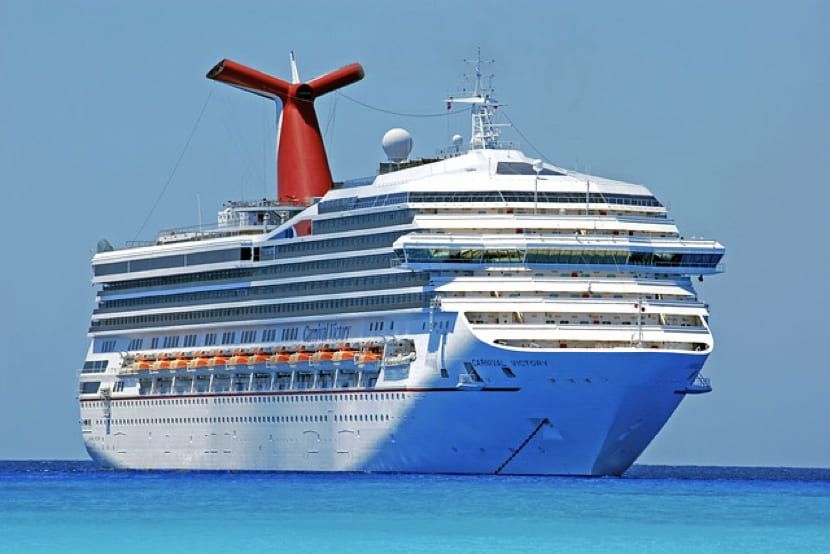
Having an open mind is critical when you are searching for last-minute cruise departures. Cruise lines frequently discount heavily to fill unsold cabins in the weeks leading up to the sail date. If you can be flexible with your travel dates or can take a trip on short notice, you'll find that you can score a great deal more often. Also, be flexible with your destination. Popular routes, like the Caribbean or the Mediterranean, may have greater availability, but lesser-known itineraries can also yield unique experiences at a fraction of the cost. In fact, the window for scoring last-minute cruise deals is within 90 days of a sailing. That three-month point is when final deposits are due on a cruise, and historically the last that you could cancel your cruise without being financially penalized.
Book Through OTAs or Travel Deal Sites
Online travel agencies (OTAs) such as Expedia, CruiseDirect and VacationsToGo specialize in aggregating cruise deals from different providers. These booking platforms usually feature sections for last-minute deals, allowing you to review prices and itineraries easily. Also, deal sites like CruiseCritic and LastMinuteCruises cater exclusively to cruise discounts, offering curated lists of the best deals available. So keep an eye on these sites as they add new offers frequently.
Book During Wave Season
Volume is, of course, how cruise lines keep you coming back: Wave season (which spans January through March) is the best time of year for cruise deals. Cruise lines tend to have some of the best prices and perks (free upgrades, drink packages, reduced deposits) during this time. Even if you're preparing for a last-minute getaway, booking during wave season can help get you a better deal.

Check for Group or Membership Discounts
Some cruise lines provide discounts for specific groups, including seniors, military members or if you belong to organizations like AAA or AARP. Cruising also has its own loyalty programs, which can offer access to exclusive deals and perks. Since anyone from one of these groups can potentially qualify for a discount, ask about any available discounts when booking your cruise.
Keep an Eye on Price Drops After You Book
If you have already booked a cruise and suspect that prices will drop, monitor the fare. Some cruise lines will give price protection or onboard credit if the price of your cabin drops after you have booked. That's not a guarantee, but it's something to keep an eye on, especially if you've booked as far in advance as possible.
Don't Underestimate the Benefits of Traveling Off-Peak
Cruising out of season can save you a lot of money. For instance, Caribbean cruises tend to be less expensive on hurricane season (late summer to early fall), whereas European cruises might be cheaper on shoulder seasons (spring and fall). If you travel to popular destinations during off-peak seasons, you benefit from lower prices and limited crowding.

To conclude, the best last-minute cruise rates come from the ability to be flexible, have performed your research and are prepared to take action very quickly. With the help of online resources, collaborating with cruise experts, and keeping an eye on deals, you can score amazing penny-saving offers for your upcoming cruise mission.

Find Your Freedom in These European Islands
In the modern life which is pushing in a faster pace than ever, finding a place that canget away from almost everyone and enjoy ourselves is a luxurious desire. However, the Europe offers us the opportunity. There are myriads of beautiful and wonderful islands in Europe, which can be an ideal travel resort and reach your goal of staying away from the noise of metropolises. Here are several peaceful islands in Europe worth visiting.Skye, ScotlandThe Skye Island which situates in Scotland is notable for its splendid natural views. Mysterious castles, rugged mountains and the glamorous coast lines seduce a myriad of travelers who are keen on hiking, adventure and photographing all over the world. Although this treasure island is known by more and more visitors, Skye island is still keeping its unique and precious quietness, especially in the summer night. A number of romantic and fantastic pictures and photos are made here, if you love sunrise or sunset, the beaches in Skye island will not let you down.Brač, CroatiaCroatia is well known by a group of people mainly because of Croatian Rhapsody, another terrific treasure should not be ignored as well, the Brač island. The island is a perfect wonderland help you get rid of the atmosphere of cities, the beaches gain their fame for the special shapes and fascinate multitudinous people who love aquatic sports. Although there are towns in the island, numerous peaceful and quite corners can still be found for you to enjoy sunlight, sea wave and warm hearts. Further more, the island is also a historic resort, which is also a heaven suitable for those visitors who love both cultural and natural environments.Åland Islands, FinlandAs the minority of countries that can see polar lights easily and considered to be one of the nations whose citizens have the happiest live standard, Finland become a dreamland for a multitude of people. One more marvelous thing is that an island in Finland can be so incredible. Åland Islands are little islands between Finland and Sweden, the original residents there live mainly for farming and fishing with a slow paced live. If you travel to Åland Islands, you get the chance to ride bicycles, walk alone and enjoy the peaceful beaches, which make you feel what is called the genuine, true and authentic liberal lifestyle. With affluent historic relics such as ancient castles and churches, Åland Islands are the places that always make people be reluctant to say good bye.Corfu, GreeceLocated in Greece, Corfu island is a beautiful wonderland prestigious for its clear sea and fascinating mountains. Although the island serves for a number of travelers ever summer, there are still remote beaches and villages remain to discover with primitive charm. In Corfu island, you can unlock the joy of exploring lanes, paying a visit to ancient churches and canteens that possess Greek traditions and savoring quiet atmosphere. Anyway, the incredible scenery and the friendliness of local people are the reasons that you must come here.ConclusionThese are the islands in Europe that offer us a choice to escape from the busy lives. No matter you want to feel the quietness of the nature or learn the local culture, they are all nice options for your next itinerary.
Cancun: From A Fishing Village to A Party Destination
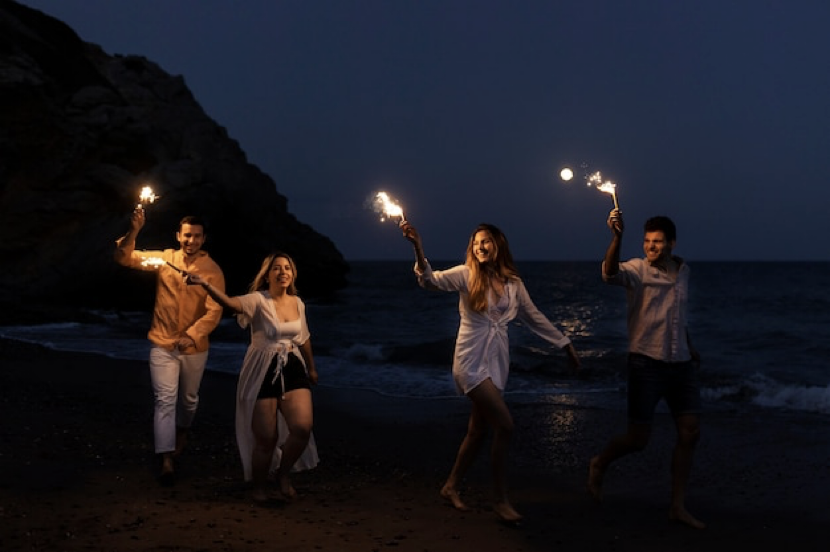
Located on the white-sand beaches of Mexico's Yucatán Peninsula, hailed as one of our planet's most breathtaking party spots, Cancun is a transformation from small fishing village to worldwide tourist hub. It used to be a sleepy, unknown spot in the Mexican corner of nothingness but Cancun is now one helluva bait, enticing millions every year with its sun-soaked beaches, pulsating nightlife and enough things to do.Former HistoryCancún's evolution adventure first started in the 1960s with a courageous move the Mexican government made. The government started what would become the "Cancun Project" in 1969, to take advantage of its natural beauty and potential unexploited sites, construction officially begun on 1970. What was designed to be a lavish plan, for the most part showed projections of an ideal modern city home that featured luxury hotels and resorts some with golf courses include in their portfolio along side international airports, well integrated residential areas associated all living within natural environs on many forward looking slides.Cancun has finally arrived on the world tourism map after decades of often creative master planning and more than relentless development. Nowadays the city offers pristine sandy beaches, luxurious hotels and resorts aplenty, a buzzing nightlife scene, and virtually every form of entertainment imaginable. Thousands of tourists from around the world come to Cancun every year, lured by its myriad beaches and all-night fun.Historic LandscapesAs well as their beautiful natural landscape and established tourist economy, Cancun offers a rich history which provides culture for its visitors. Guests are invited to explore the ancient Mayan ruins close by and venture into a mysterious world filled with magnificence. For instance, a short drive away from Cancun is the Mayan archaeological site of Chichén Itzá which shows off beautiful architecture and sculptures that speak to the greatness of this civilization.Diverse and electric, Cancun is as much about its nightlife as it is. Besides the usual bars and clubs, it is also home to more quirky nights out like Lucha Libre, Mexican wrestling. With this mesmerizing display of color as wrestlers wear beautiful masks and fight, tourists will walk away with an idea of what the culture is about from the other end.Natural LandscapesThere are also pristine natural environments, just like these surrounding Cancun. The city has some of the best beaches with powdery white sand and clear waters just down the coast, you will find dense tropical rainforest full of life alongside brilliant coral reefs and underwater cave systems perfect for discovery. These magical gifts of nature provide plenty to explore and see as well as enrich the local ecosystem, and biodiversity.Why It’s a SuccessCancun is not only that successful by mere happenstance. It came together by mountaintop threads of the Mexican vision and investment, woven with work that we have come to see in Tenango culture as so integral. The government has established aggressive tourism guidelines and master plans which have provided a solid platform for Cancun's evolution. At the same time, locals have played a significant part in the tourism industry and guests receive thorough care and vivid impressions.ConclusionIn short, the transformation of Cancun from a small fishing village to an international tourism mecca is indicative of both governmental protection and local ZIP. Initially, Cancun really only ever existed as an idea but it is a city rich with culture that has now become known throughout the world. Cancun will definitely face new obstacles and chances as the global tourism industry keeps on changing.

Choosing the Right Footwear: A Guide to Fall-Prevention Shoes for Seniors
Key Features of Senior-Friendly ShoesWhen buying shoes for elderly, consider non-skid rubber soles with deep tread patterns that provide the best grip on a variety of surfaces. Seek out low, wide heels (no more than an inch) that offer stabilizing support without hampering your equilibrium. Shoes must have good heel counters and proper arch supports to keep the feet in their natural position. Get the ones that adjust like Velcro or elastic laces so you can expand with foot swelling, but while still feeling secure on your feet. Lightweight construction minimizes fatigue when you wear all a day long just like padded collar prevents ankle discomfort.Shoes for Specific Health ConditionsSpecific foot health considerations should be used when selecting an appropriate athletic or walking shoe for older adults.1.Accessibility/ Balance: The elderly people often have balance difficulties; thus the shoes with wide soles and low heels can help them to improve their stability. Orthotic shoes with deep grip soles and enhanced ankle support are also a good choice for those who wish to prevent falls.2.Arthritis: For an elderly with arthritis, the more shock-absorbing and cushioning materials in the shoes, the better. Rocker-bottom shoes are designed to decrease joint pressure by encouraging a natural walking gait.3.Diabetes: Footwear that is designed to keep you safe from foot ulcers for older people with diabetes. Shoes with deeper depth, seamless insoles and soft cushioned materials may be beneficial to reduce friction on the foot and bony prominence.Footwear Types to AvoidSome shoes pose an enormous risk of falling and are not welcome additions to any senior's closet. High heel and platform shoes push the body weight forward, destabilizing the wearer.Backless slippers and loose flip-flops don't provide support to the heel, and they can slip off far too easily when on stairs. Worn-out athletic shoes with flat, polished soles for example lose all traction; at the other extreme, sneakers designed for very cushioned heels have specifically thickened sole zones that prevent feeling the ground.Footwear that doesn't fit well, whether too tight or too loose, can lead to pain, numbness or blisters that change the way a child walks.Recommended Shoes for the Elderly1.Propet Stability X: The Propet Stability X offers stability with cushioning and easy to adjust hook-and-loop closure systems. The adjustable strap makes this the perfect fit. They happen to be Medicare-approved shoes, so they are also an excellent value for seniors with certain health conditions.2.Skechers GOwalk 5: The Skechers GOwalk 5 slip-on is not only light, but comfortable, and it's an easy sneaker to put on for those seniors who have problems tying shoelaces. Thoughtful design with breathable material, cushioned foot bed and rubber outsole makes it the perfect everyday casual option.3.New Balance 928v3 walking shoes: The New Balance 928v3 is one of the most popular sneakers for those on their feet all day, or anyone who need additional arch support, cushioning and stability. With the anti-roll feature it controls the movement of rear foot for those who have trouble balancing.Essential Shoe Maintenance TipsShoe maintenance increases lifespan and protects safety properties. Check soles to monitor wear patterns monthly; uneven wearing is a sign of needing replacement. Scrub rubber soles regularly with a mild soap, as dirt is the number one killer of grip. Do keep shoes dry and don't leave them near direct heat sources, which break down materials. Treat leather shoes with conditioner every three months to avoid cracking. Arguably most importantly is to replace walking shoes every 6-12 months depending on how often you use them, no matter if they look okay.Rediscovering the joy of walking safely. The elderly can now enjoy a safe and sure way to walk indoors and outdoors. With the right footwear, and taking care of it, seniors can walk confidently and with less risk of falling.
Muğla: A Neglected Pearl in the Mediterranean
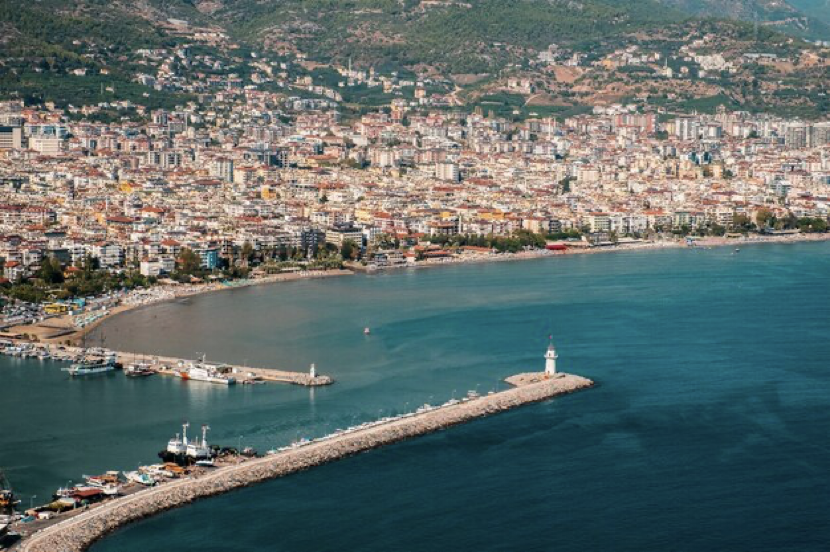
Muğla, a place which nestles in southwest Turkey, is not popular as those famous resorts around the Mediterranean sea, such as Izmir, Antalya, and Fetesier. However, a myriad of glamours and unique style in this land are waiting for the travelers who are willing to come and explore.Incomparable LocationThe geographical location is a stunning point, which situates the intersection of Aegean sea and Mediterranean sea and a million miles coast line belongs to it. The natural landscape here is colorful but majestic: from blue sea to lofty mountains, from golden beach to green olive park, everything the light touches is the kingdom of Muğla, a masterpiece from the grand natural. There are various beautiful scenes in Muğla, but one that amazes me the most is the coast line. The sea is so clear that I can almost see the bottom of it; The sand is so soft that just feel like touching silk, and the hidden bay is so romantic that I want to rendezvous a lover there, all these magnificent views make Muğla a perfect paradise for travel.Brilliant HistoryHowever, the above introduction is just an iceberg of it, the historic and cultural power will also astonish your eyes. Although the city is not that large, it’s still full of energies and enthusiasms. The archaic wall, narrow street and the traditional Turkey constructions remind me of the period hundreds years ago. The nearby villages are worth traveling, too, like Kayaköy near Fetesier, a forlorn Greek county which has been an open-air museum telling the vicissitudes of history.Spectacular CultureAnother highlight is its ample cultural relics. This is a place used to be the intersection ofAncient Greece, Rome, and the Byzantine Empire, which is full of historic relics. For example, the renown Miletus which used to be the heart of union of Ionian but remains ruins today, however, you can still feel its past glory when you see in person. Besides, a plenty of well-protected ancient theaters, temples and bathing beaches are witnessing the long history of this place.Amazing Natural SceneryThe natural views are also glorious. Lots of national parks and natural reserves like Dalyan Delta National Park make here lively and active. An abundance of rare birds and animals regard here as their habitats, if you are a bird-lover, you must come here. What’s more, here is also a heaven for those who loves hiking and adventure, for example, Büyük Menderes Delta has a grand view, it is a pity if you can not see in your lifetime.

Step by Step Instructions to Wear a Wig
Wigs, as a fashion and practical accessory, are increasingly being used by people.However, wearing a wig is not a simple matter and requires a certain amount of skill and patience. This article will detail the steps and precautions on how to wear a wig.1.Choose the right wigIt is pivotal to pick the right hairpiece. In the acquisition of hairpieces, you need to pick as per your head type, hair quality, hairdo and different variables. By and large, material of hairpieces can be isolated into two classes: fake hair and genuine hair. The upside of counterfeit hair is that it is not difficult to deal with and the cost is generally low; The benefit of genuine hair is that it is more normal and sensible, yet the cost is higher. While picking, you can make compromises in light of your requirements and financial plan.2.Prepare tools and hairBefore wearing a wig, you need to prepare some necessary tools and hair. Tools include combs, hair clips, small black clips and gloves; When it comes to hair, you need to make sure your hair is clean, dry and oil-free. If the hair is relatively long, it is recommended to cut it short first, so that it is easier to care and wear the wig.3.The steps of wearing a wigPut the wig on your headFirst, put the wig on your head, making sure it fits your own hair. Be careful not to pull the wig too hard, so as not to damage or cause discomfort to the scalp.Adjust the wig positionAfter putting on the wig, you need to adjust its position. Use a comb or your fingers to gently comb the wig so it blends in more with your own hair. At the same time, pay attention to adjusting the Angle and position of the wig to make it look more natural.Secure with bobby pinsIn order to prevent the wig from falling off or shifting, hair clips can be used to secure it. When fixing, be careful not to pull the hair excessively, so as not to cause pain or damage.Tidy up the detailsFinally, tidy up the details of the wig. Check if there are warped or uneven areas, and use a comb or fingers to gently comb it to make it look more natural and realistic.