


Find Your Freedom in These European Islands
In the modern life which is pushing in a faster pace than ever, finding a place that can get away from almost everyone and enjoy ourselves is a luxurious desire. However, the Europe offers us the opportunity. There are myriads of beautiful and wonderful islands in Europe, which can be an ideal travel resort and reach your goal of staying away from the noise of metropolises. Here are several peaceful islands in Europe worth visiting.

Skye, Scotland
The Skye Island which situates in Scotland is notable for its splendid natural views. Mysterious castles, rugged mountains and the glamorous coast lines seduce a myriad of travelers who are keen on hiking, adventure and photographing all over the world. Although this treasure island is known by more and more visitors, Skye island is still keeping its unique and precious quietness, especially in the summer night. A number of romantic and fantastic pictures and photos are made here, if you love sunrise or sunset, the beaches in Skye island will not let you down.

Brač, Croatia
Croatia is well known by a group of people mainly because of Croatian Rhapsody, another terrific treasure should not be ignored as well, the Brač island. The island is a perfect wonderland help you get rid of the atmosphere of cities, the beaches gain their fame for the special shapes and fascinate multitudinous people who love aquatic sports. Although there are towns in the island, numerous peaceful and quite corners can still be found for you to enjoy sunlight, sea wave and warm hearts. Further more, the island is also a historic resort, which is also a heaven suitable for those visitors who love both cultural and natural environments.
Åland Islands, Finland
As the minority of countries that can see polar lights easily and considered to be one of the nations whose citizens have the happiest live standard, Finland become a dreamland for a multitude of people. One more marvelous thing is that an island in Finland can be so incredible. Åland Islands are little islands between Finland and Sweden, the original residents there live mainly for farming and fishing with a slow paced live. If you travel to Åland Islands, you get the chance to ride bicycles, walk alone and enjoy the peaceful beaches, which make you feel what is called the genuine, true and authentic liberal lifestyle. With affluent historic relics such as ancient castles and churches, Åland Islands are the places that always make people be reluctant to say good bye.
Corfu, Greece
Located in Greece, Corfu island is a beautiful wonderland prestigious for its clear sea and fascinating mountains. Although the island serves for a number of travelers ever summer, there are still remote beaches and villages remain to discover with primitive charm. In Corfu island, you can unlock the joy of exploring lanes, paying a visit to ancient churches and canteens that possess Greek traditions and savoring quiet atmosphere. Anyway, the incredible scenery and the friendliness of local people are the reasons that you must come here.
Conclusion
These are the islands in Europe that offer us a choice to escape from the busy lives. No matter you want to feel the quietness of the nature or learn the local culture, they are all nice options for your next itinerary.

Flying Business Class Is Not a Dream
Flying business class is something that is a dream for a lot of travelers, given the added comfort, better service, and overall pleasurable experience associated with it. But the cost can feel out of reach. But with some strategy and smart tips, you can fly business class for less than you might think.1.Book Early or Last MinuteIt’s possible — booking your flight many months in advance can often net a better deal on business class tickets. Most airlines make available only a handful of discounted seats at first. On the flip side, last-minute deals can be gold. Airlines will occasionally discount prices on the few remaining business class seats close to departure. If you have flexibility with your travel dates, your chances of finding a bargain will be that much higher.2.Travel by Using Your Frequent Flyer Miles and PointsJoin the airline loyalty programs and utilize co-branded credit cards to rack up points when you spend on daily items. Many airlines offer substantial sign-up bonuses that can add up to a business class ticket fairly quickly. Also, if you have flexible reward points like Chase Ultimate Rewards or American Express Membership Rewards, find out whether transferring points to an airline partner would yield better value than redeeming them that way.3.Discover Error Fares and Special PromotionsSometimes airlines mess up when pricing tickets, and you end up with a steeply discounted business class fare. Specialist sites such as Secret Flying and Airfarewatchdog are set up for doing this kind of work on error fares. Also, look for special promotions and sales. Airlines frequently have sales, particularly during slower travel periods where the discounts on business class tickets can be significant.4.Look for Alternate Airports and RoutesSometimes, taking off or landing at alternative airports has cheaper business class prices. If you’re heading to Europe, for instance, you might fly into a major hub like London or Frankfurt and then hop on a budget airline to your final destination. Likewise, indirect flights with layovers tend to be cheaper than non-stop routes. It can take longer, but the savings can be significant.5.Upgrade with Cash or MilesIf an outright business class ticket is just too expensive, look at buying an economy ticket and upgrading. You can offer to pay for an upgrade, or use miles to book a better seat on many airlines. Follow upgrade offers as your departure date draws closer. Airlines may reduce the cash or miles necessary to fill leftover business class seats.6.Travel in Off-Peak TimesBusiness class seat demand also varies throughout the year. The off-peak travel seasons, like late in winter or early in fall, generally come with a lower price tag. Avoiding major holidays and school vacation periods is also a good way to find cheaper fares. In addition, flights in the mid-week, compared to the weekends, are much cheaper.7.Book Through Travel Agencies and ConsolidatorsTravel agencies and ticket consolidators sometimes have access to discounted business class fares not available to the general public. These companies buy tickets in bulk and can save you a ton of money. Do your homework, though, and comparison shop — the myriad of agencies you can find online vary widely in terms of cost and quality.8.Look for Budget AirlinesCertain airlines are notorious for having lower business class fares. Airlines like Turkish Airlines, Qatar Airways, and Etihad tend to offer superb value, for example. Inspire yourself and new destination ideas through your favourite airlines. Newer airlines or airlines that expand their route offerings may also provide introductory savings to reach new customers.9.Be Flexible and PersistentHow do you get a cheap business class ticket? Monitor airline websites, create fare alerts and be prepared to book when you see a good price. If you’re flexible, to be patient and make it work, you’ll get rewarded down the line.So there we have it, with frequent flyer miles, keeping an eye out for promotions, and being flexible with your travel plans, you can score business class seats without the business class price tag.

A House in Delhi, Reveals Indian History
In a corner of the Indian Delhi, a normal house hides, however, the house has been witnessing Indian history for hundreds of years. It is not only a building, but also a history observer, an inheritor of culture, an epitome of a era.Location of the houseThe house locates in the core area of Delhi’s old town, surrounded by ancient walls and narrow streets. Its exterior is not so attractive, the gray stonewall, wooden doors and windows and dappled walls seem to be talking about the vicissitudes of time. However, when you step into this house, you will feel just like going back to the time of hundreds of years ago. The interior decoration reveals the traditional Indian style. The high suspending exquisite chandelier in the ceiling, the ancient artworks and sculptures on the wall, the hand knitting blanket under your feet and every corner of this house is a display of the history and story.Uncanny historyThe house can be dated back to Mughal Dynasty when all the royal members live here. From the reign of Akbar the Great to the expansion of Aurangzeb, from the glory of empire to its decline, the house records every history moment silently. You can see the royal life at that time by the wall paintings, you can learn the ritual through the sculpture patterns and you can know the art style from the decoration on the furniture. As time went by, the house went through a collection of repair and refinement, but these did not change its key appearance. In 19th century, India was colonized by British men, which resulted this house to be the residency of British officials. Although the style changed a little, the historic and cultural marks still shows its a house of India. In the meantime, you can see the combined elements between India and Great Britain. After the independence of India in 20th century, the house became a part of cultural relic and was protected and repaired. At present, it is not more a history relic, but a cultural center which attracts travelers and learners all over the globe. Because this house provide them with the history of India and the diversity and richness of different culture. Furthermore, the house is not just a witness of the history but also an inheritor of culture. It carries the hundred years’ changes of India and records every print of era.Cultural relicYou can enjoy the colorful and diverse Indian culture here, no matter ritual, festival, daily life or art creation. The glamour of travelling lies in that you can not only see the beautiful scenery, but also find the history and culture of a city. A great deal of items can represent and show the history of a city, the construction or a house is just one part, when stepping into this house, you may see the shadow that who stepped into this house before and the atmosphere who leaved.ConclusionTo conclude, the house, which locates in the Delhi’s old town, is not just a construction, but also a witness of history, an inheritor of culture and an epitome of era. Undoubtedly, it’s a window to unlock the Indian culture and history and also a bridge connects past and present.

Embracing Flexibility: The Health Benefits and Pathways to Increased Flexibility
Flexibility is a fundamental component of physical fitness that often takes a back seat to cardiovascular endurance and strength training. However, the importance of flexibility should not be underestimated. Flexibility refers to the range of motion in a joint or group of joints and the ability of muscles and tendons to stretch effectively. Embracing flexibility not only enhances physical performance but also offers a myriad of health benefits that contribute to overall well-being. In this article, we delve into the significance of flexibility, its health advantages, and practical ways to improve and maintain flexibility in daily life.The Health Benefits of Flexibility1. Injury PreventionOne of the primary benefits of flexibility is its role in injury prevention. When muscles and tendons are flexible, they are better equipped to handle stress and strain during physical activities. Improved flexibility reduces the risk of muscle strains, ligament sprains, and other common injuries, especially during activities that require sudden or extreme movements.2. Improved PostureFlexibility plays a crucial role in maintaining proper posture. Tight muscles can pull the body out of alignment, leading to poor posture and a host of associated issues such as back pain, neck pain, and headaches. By enhancing flexibility in key muscle groups, individuals can improve their posture and reduce the likelihood of developing chronic postural problems.3. Enhanced Range of MotionIncreased flexibility translates to an expanded range of motion in joints, allowing for more fluid and efficient movement. This is particularly beneficial for athletes, dancers, and individuals engaged in physical activities that require a wide range of motion. A greater range of motion not only improves performance but also enhances overall mobility and agility.4. Stress ReliefFlexibility exercises, such as yoga and stretching, promote relaxation and stress relief. Stretching helps release tension in muscles, alleviate tightness, and promote circulation, leading to a sense of physical and mental relaxation. Incorporating flexibility exercises into a daily routine can contribute to stress reduction and improved mental well-being.5. Joint HealthMaintaining flexibility is essential for joint health and function. Flexible muscles and tendons help support the joints, reducing the risk of joint pain, stiffness, and degenerative conditions such as osteoarthritis. By preserving joint mobility through flexibility exercises, individuals can enhance joint health and longevity.How to Improve Flexibility1. Stretching ExercisesIncorporate regular stretching exercises into your fitness routine to improve flexibility. Dynamic stretches before exercise help warm up the muscles, while static stretches after exercise help lengthen and relax the muscles. Focus on stretching major muscle groups such as the hamstrings, quadriceps, calves, shoulders, and back.2. Yoga and PilatesParticipating in yoga or Pilates classes can significantly enhance flexibility, strength, and balance. These mind-body practices combine stretching exercises with strengthening movements to improve overall flexibility and body awareness. Attending regular classes led by experienced instructors can help individuals progress in their flexibility journey.3. Foam RollingFoam rolling is a self-myofascial release technique that helps release muscle tightness and improve flexibility. By using a foam roller to apply pressure to specific muscle groups, individuals can reduce muscle tension, increase blood flow, and enhance flexibility. Incorporate foam rolling into your post-workout routine to aid in muscle recovery and flexibility maintenance.4. Stay HydratedProper hydration is essential for maintaining muscle elasticity and joint lubrication, both of which are vital for flexibility. Drinking an adequate amount of water throughout the day helps keep muscles hydrated and supple, supporting flexibility and reducing the risk of muscle cramps and stiffness.5. Consistency is KeyImproving flexibility is a gradual process that requires consistency and dedication. Set aside time each day for stretching and flexibility exercises, and gradually increase the intensity and duration of your stretches as your flexibility improves. Be patient with yourself and celebrate small milestones along the way.
Furniture Trends of 2025: Design Meets Intelligence
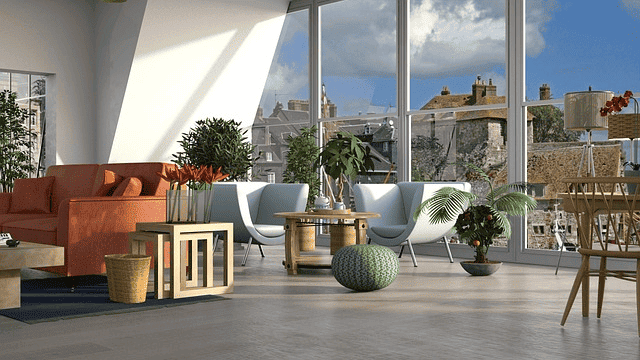
Furniture is no longer simply an object of functionality or en aesthetics, it has become an intelligent, adaptive, and sustainable extension of our living space. The directions influencing the furniture design of this year indicate a combination of pioneering technology, environmental responsibility, and a continued personalized approach. When self-adjusting ergonomic chairs and modular pieces that change as families do, 2025’s furniture is built to merge with our ever-evolving lifestyles.1.Smart, AI-poweredHere, the most striking change is towards smart, AI-powered furniture. Consider a sofa that changes its firmness to match the shape of your body, or a dining table that is also a wireless charging station and an interactive display. Several companies, including Ikea and Herman Miller, have already released AI-infused pieces that memorize human taste over time, fine-tuning both comfort and energy efficiency. Beds these days have sleep-tracking sensors, ones that regulate temperature and firmness during the night, while desks gently remind users to stand or stretch after too much time seated. The line between furniture and tech is beginning to know no bounds as furniture is not just lived in, but responsive to human life.2.SustainabilitySustainability is still at the heart of design, but in 2025 it extends beyond use of recycled materials. Now, circular design is the norm; brands emphasize furniture that can be broken down for recycling, repair or upcycling. Biodegradable options such as mycelium (mushroom-based foam) and algae-based plastics for example replacing the synthetic and giving the same durability without the guilt of damaging the environment. Even high-end designers are getting on board with “zero-waste” production, in which offcuts find new life as entirely new products. Consumers are more and more attracted to furniture with a clear lifecycle, knowing where the materials came from, how they were made and how they can be responsibly disposed of.3.Modular and MultifunctionalOther trends appeal to urban dwellers and small-space living, such as modular and multifunctional furniture. As the cost of real estate surges, these designs are compact, but flexible. There are guest beds that double as couches, coffee tables that hinge up toward a working height and storage units that mount to the wall and adjust to your needs. Companies such as Resource Furniture and Ori (a robotics and design company) are leading the way in minimizing space while maximizing style. The premise is the simple one on which we all fantasize but seldom deliver, that furniture should be as agile as life at its most inconstant, whether that is while working from home on a whim or hosting a surprise house guest for the night.4.MinimalismThe aesthetic in 2025 runs to warm minimalism and biophilic design. Neutral earthy palettes — think soft terracottas, warm beiges and deep greens — prevail, resulting in tranquil, nature-inspired interiors. Furniture silhouettes are more flowing, with rounded corners and natural textures that play on the idea of comfort and calm. Indoor-outdoor living is also on the rise, and weather-resistant materials are keeping pieces as comfortable on a sunlit patio as in a cozy living room.5.CustomizedThe customized experience up a notch. And the rise of 3D printing and on-demand manufacturing means the customer today can design his or her own furniture, picking everything from a fabric pattern to the style of legs. Brands provide digital configurators that enable people to see their creations in augmented reality before buying. This change not only limits overproduction, but allows each piece to narrate a personal story.We can’t predict the future, but in 2025, furniture will no longer be static — it’s intelligent, and a living part of our daily routine. From AI integration to sustainable innovation to adaptive design, the industry is rewriting the rule book for what it is to furnish a home. The future of furniture isn’t only about filling up space; it’s about improving the way we live, one smart, sustainable and beautifully designed object at a time.
The Rise of Assembly Robots
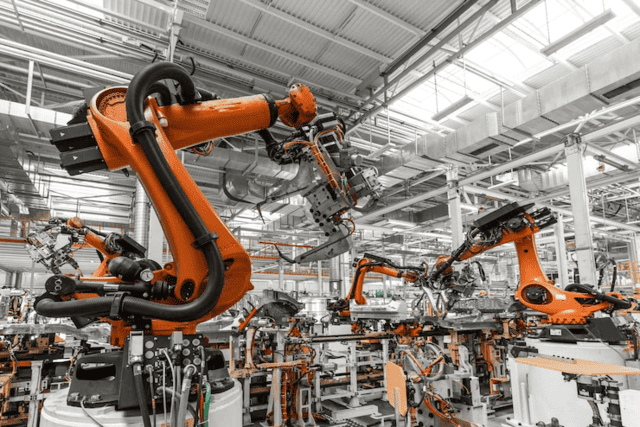
Precision, speed, and flexibility for manufacturing leave assembly robots to the machines to perform the high-precision, repetitive movements required for simple tasks with pinpoint accuracy and blistering speed. Today, these kind of robotic systems are the staple workhorses of industry providing huge benefits over man power and are part of.Advantages of Assembly Robots1.Extraordinary PrecisionRobotic assemblers don't tire like human workers, nor do they make mistakes. The result is each piece is built to precise dimensions. This decreases defects and enhances product dependability which is crucial for applications like aerospace and medical device production. Also, robots can work 24/7, which is able to considerably increase productivity with lower cycle times.2.Cost-efficiencyWhile robots are expensive to buy and implement, the cost can be justified in terms of labor savings, waste savings and increased throughput. Furthermore, robots improve workplace safety by performing safety sensitive operations, thus reducing the number of accidents.Current ApplicationsThe assembly robot is a common feature in many different industries. Welding, bolting and attaching parts in the car industry, this job has to be done with perfect precision as millions on millions car are built within no time. Robotic machines are used by electronics manufacturers to position minuscule components on circuit boards with a precision of a micron, an assignment that is nearly impossible for human hands. In a food and beverage 3 industry, robotic arms are used to package and sort food and beverages safely while maintaining cleanliness and meeting stringent standards.There is big potential for assembly robots beyond factory production, like custom-furniture assembly and even 3D-printed construction. Collaborative robots, which are engineered to work alongside humans, are becoming more popular in shops where flexibility and usability are important.Selecting the Most Suitable Assembly RobotFirst, manufacturers need to consider the necessary payload and range of motion, smaller robots work well for delicate tasks such as electronics assembly, whereas larger robots are typically used for heavy-duty tasks. Both are also important and the faster robot is good for high-product production while a slower, more accurate robot is better for detailed work.Programming flexibility is another factor. Other robots follow pre-written commands, and some also rely on AI and machine learning to adjust to real-time variability. They should also check out possible integration with available machines and software. Finally, the budget and anticipated return-of-investment are also deciding factors.The Future of Assembly RobotsThe future for automation in assembly robotics is well on track for revolutionary trends. With the emergence of AI and IoT, the robotics will become smarter as they will be able to perform preventive maintenance and self-optimization. Improved gripper tech and tactile sensors will mean robots are dealing with delicate or asymmetrical objects better.One of the other exciting trends is the emergence of mobile assembly robotics that can move around the factory floor without human intervention, dynamically reconfiguring their jobs based on changing production requirements. Moreover, as robotics continue to decrease in cost, small and medium sized businesses will begin to implement automation, putting advanced manufacturing technologies in the hands of more and more people.Eventually, fully autonomous smart factories might be the standard and robots talk to each other, self-optimize production processes and are employed to the least degree possible. As sustainability becomes a key priority, energy-efficient robots running on renewable sources of energy will continue lowering the ecological impact of production.ConclusionAssembly robots are changing the face of modern manufacturing through the relentless pursuit of precision, throughput, and safety. They are used in various fields, from the automotive industry to computer electronics, and can do more and more since technical progress is made. Companies have to consider several important factors in order to find the robot that suits their application best. In the long term, AI-enabled adaptive robotics will open even more doors to a new industrial era both smarter and more automated. Those machines are not only going to grow production, they're going to completely recast the very definition of what work even means in the manufacturing sector.