


Studies Indicate Nearly Two-thirds of Baby Food Tested Fail to Meet Basic Health Standards
In recent years, there has been growing concern over the nutritional quality of baby foods available in supermarkets. A significant number of studies have revealed that nearly two-thirds of these products are unhealthy, raising serious questions about the health and well-being of infants and toddlers. This article delves into the reasons behind this alarming statistic and examines the ingredients that make these baby foods unhealthy.
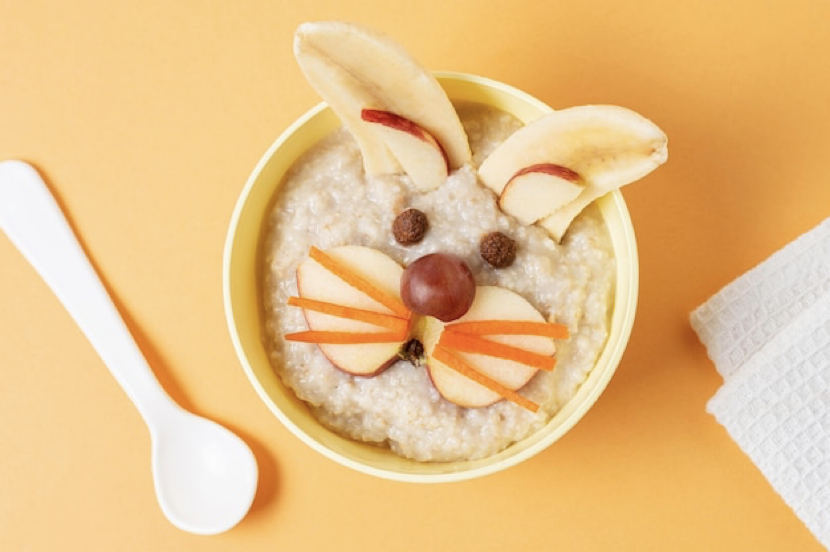
The Problem with Supermarket Baby Foods
The primary issue with supermarket baby foods is their nutritional composition. Many of these products are high in sugar, salt, and unhealthy fats, while being low in essential nutrients such as vitamins, minerals, and fiber. This imbalance can have detrimental effects on a child's developing body and brain, potentially leading to long-term health issues.

High Sugar Content
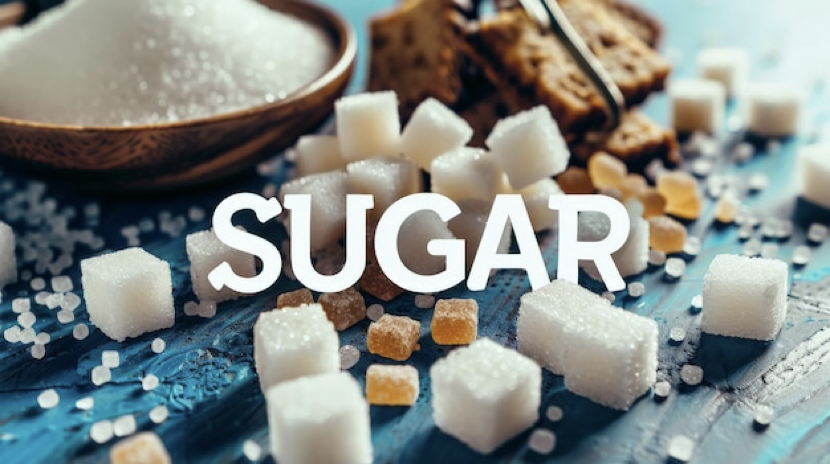
One of the most concerning aspects of supermarket baby foods is their high sugar content. Many products contain added sugars, which are not only unnecessary for infants but can also contribute to obesity, dental decay, and other health problems. According to a study by the World Health Organization (WHO), infants should consume no more than 5% of their daily calories from free sugars, yet many baby foods exceed this limit. The sugar content in these products often comes from sources such as fruit concentrates, syrups, and even hidden sugars in flavored yogurts and cereals. While natural sugars from fruits are generally acceptable, the added sugars in these products can lead to a preference for sweet foods later in life, making it harder for children to develop healthy eating habits.
Excessive Salt
Another major issue with supermarket baby foods is their high salt content. Infants have a much lower tolerance for salt than adults, and excessive salt intake can lead to high blood pressure, kidney damage, and other health problems. The American Academy of Pediatrics (AAP) recommends that infants consume no more than 1 gram of salt per day, but many baby foods contain significantly more. Salt is often added to baby foods to enhance flavor, but this practice can have serious consequences. In addition to the health risks associated with high salt intake, it can also mask the natural flavors of the ingredients, making it harder for children to develop a taste for healthy, whole foods.

Unhealthy Fats
Many supermarket baby foods also contain unhealthy fats, such as trans fats and saturated fats. These fats can increase the risk of heart disease, obesity, and other health problems. While some fat is essential for a child's growth and development, the type of fat is crucial. Healthy fats, such as those found in avocados, nuts, and olive oil, are important for brain development and overall health. Unfortunately, many baby foods contain unhealthy fats from sources such as palm oil, hydrogenated oils, and animal fats. These fats can contribute to inflammation, insulin resistance, and other metabolic issues, making it essential to choose baby foods that are low in unhealthy fats and high in healthy fats.

Lack of Essential Nutrients
In addition to the high sugar, salt, and unhealthy fat content, many supermarket baby foods are also lacking in essential nutrients. These products often contain low levels of vitamins, minerals, and fiber, which are crucial for a child's growth and development. For example, many baby cereals are fortified with iron, but they may be low in other essential nutrients such as calcium, vitamin D, and omega-3 fatty acids. The lack of essential nutrients in these products can lead to deficiencies that may affect a child's physical and cognitive development. It is important for parents to choose baby foods that are rich in a variety of nutrients to ensure that their child is getting the necessary building blocks for a healthy life.
Conclusion
The fact that nearly two-thirds of supermarket baby foods are unhealthy is a cause for concern. The high sugar, salt, and unhealthy fat content, combined with the lack of essential nutrients, can have serious consequences for a child's health. Parents should be vigilant when selecting baby foods, opting for products that are low in sugar, salt, and unhealthy fats, and high in essential nutrients.
Mediterranean Diet Could Safeguard Kids’ Heart Health
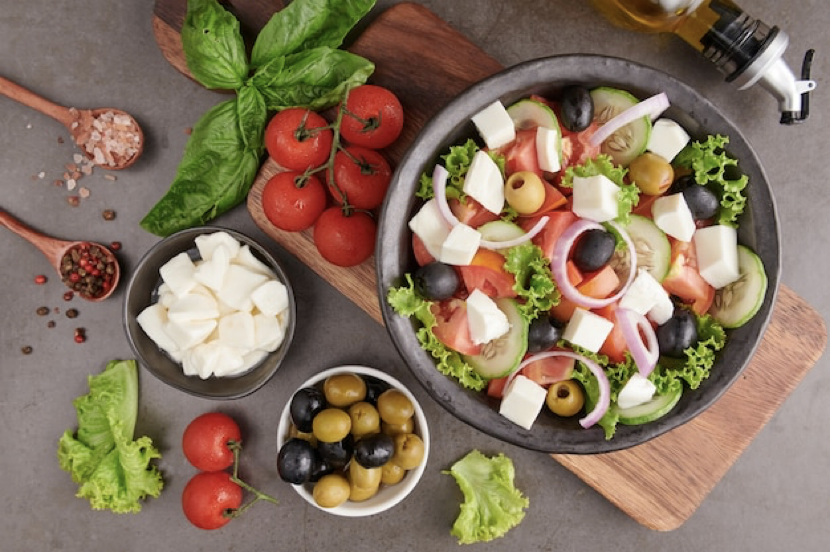
Mediterranean diet is famous for its adequacy in nutrition and health benefits, not only can it promote the heart health of adults, but also benefits the kids’ heart growth. Therefore, let’s dive into this article to figure out how parents can individualize a healthy Mediterranean diet for their kids.The glamour of Mediterranean dietThe Mediterranean diet originates from the countries locate around the Mediterranean Sea, whose basis is lots of plat food, including fresh vegetables and fruits, whole grains, legumes, nuts and seeds. In the meantime, it also contains a plenty of fish, poultry and olive oil and limits the red meat and fine processed food. This diet pattern not only offers plentiful vitamins, minerals and fibers, but also reduces the risk of blood fat, blood pressure and heart disease.Benefits of Mediterranean diet to kidsPromoting heart health: The unsaturated fatty acid can help lower the level of low density lipoprotein cholesterol, escalate the level of high density lipoprotein cholesterol in order to protect kids heart.Controlling weight: High fiber plant food can increase your sense of full, reduce extra eating, as a result, control your weight and prevent obesity.Increasing immunity: Ample vitamins and minerals can increase kids’ immunity, decrease the possibility of being infected. 4.Escalating the nurture of brains: The famous omega-3 fatty acids in fish is extremely significant to brains’ growth. Eating Mediterranean diet can promote children’s capability to study and memorize.Ways to individualize Mediterranean Diet 1.More vegetables: Make sure your children eat enough vegetables and fruits of different colors, because those food can offer all sorts of vitamins, mineral and antioxidant substances. 2.Whole grain: Whole grain food such as whole wheat bread, brown rice, oats and son on, which are filled with dietary fiber and can help intestinal peristalsis and prevent constipation. 3.Beans often: Beans are the resources of superior protein and dietary fiber, which can displace meat.Moderate nuts and seeds: There are plentiful unsaturated fatty acids and vitamin E in nuts and seeds, but one thing should not be ignored is that the moderation is key, don’t be greedy.Choose healthy oil: Olive oil is the main origin of the fat of Mediterranean diet which is full of unsaturated fatty acid and do good to health.Fish twice a week: There is no need to talk too much about the advantages of fish, omega-3 fatty acids, and more other nutrition are all beneficial for brains and hearts.Limit red meat and processed food: There are high level saturated fat and sodium in these food, which requires us to eat less.Cultivate good eating habits: Start to cultivate your children to eat a balanced diet when they are little, such as when to eat, how to eat, and what to eat. These are all bedrocks for their further health when growing up.

Five Surprisingly Affordable Yet Unique Vacation Ideas
Dreaming of an unforgettable escape, but concerned about getting away without breaking the bank? You don't have to go with a luxury budget to go someplace extraordinary. Leave it to us to round up some out-of-the ordinary vacation destinations that won't break the bank. Below, five out there and surprising vacation ideas that will give you marvelous memories but won't completely shock your bank account.1.Stay in a Tiny House or Off-Grid CabinSo if you've ever dreamed of tuning out the noise of daily life, one of the best escapes might be renting a tiny house, a small cabin or an off-grid dwelling. Both Airbnb and Hipcamp have charming, budget-friendly options in secluded forests, near lakes and even the desert. A number of these rentals are outfitted with solar power, composting toilets and outdoor showers, for a rustic but refreshing experience. Picture waking up to a chorus of birdsong, hiking secluded trails and stargazing by the fire, for just a fraction of the price of a typical resort stay.2.Discover an Off-the-Grid European CitySkip the overrated expense of Paris or Rome and go somewhere like Český Krumlov in the Czech Republic, Kotor in Montenegro, or Ronda in Spain. They all boast beautiful medieval buildings, rich history and stunning scenery at a fraction of the cost of better-known tourist destinations. You can eat the local cuisine in an authentic café, roam cobblestone streets without the tourists, and you might even be able to afford a boutique hotel. They are all inexpensive to get to and from on budget public transport, so if you are into slow travel, you might want to check them out.3.Volunteer Abroad for Room and BoardBudget travelers interested in immersing themselves in the local culture might sign up for a volunteer program, such as Workaway, WWOOF (World Wide Opportunities on Organic Farms) and HelpX, which provide free room and board in return for a few hours of work a day. You might end up teaching English in Thailand, working on a vineyard in Italy or volunteering at an eco-lodge in Costa Rica. This not only slashes travel costs, but also allows for authentic connections and an experience that's different to typical tourists.4.Go On a Road Trip to National Parks or Secret BeachesDriving adventures are the cheapest way to see the great outdoors. In the United States, it's all about big, bold outdoor landscapes, and the entrance fees at national parks like Great Smoky Mountains, Big Bend and North Cascades are shockingly low. Or skip the busy sands and find serene coastal treasures such as the Samuel H. Boardman Scenic Corridor in Oregon or Florida's Cedar Key. You can pack a tent or rent an inexpensive camper van to save on lodging, spending your days hiking, swimming and immersing yourself in nature.5.Try an Affordable Digital Nomad HubIf you can work remotely, spend a few weeks in a cheap digital nomad hot sport like Da Nang (Vietnam), Medellín (Colombia), or Tbilisi (Georgia). They have co-working spaces and Wi-Fi for those who need to work and minimal cost of living, so you can experience a new culture without hemorrhaging your money. Many have lively expat communities, where it's easy to meet other travelers. You'll also have the joys of local markets, street food, and day trips that cost a fraction of the typical vacation.Whether you're sleeping under the stars in a tiny cabin, spending a night in an obscure European village or volunteering in exchange for a place to stay, these concepts prove that indelible memories for a good cause can be made without the high price tag of traditional travel. Adventure is around every corner, however, which means it's time to pack a bag, think outside the box and plan a trip that's as budget-friendly as it is unforgettable.
How to Use a Smart Dishwasher to Bring Convenience to Family Life
Having a smart dishwasher in your home can be a game-changer when it comes to simplifying daily chores and bringing convenience to family.With its advanced features and automation, a smart dishwasher can save time, water, and energy while ensuring sparkling clean dishes. Here are some tips on how to make the most out of a smart dishwasher to benefit your family life:Convenient Scheduling: Many smart dishwashers offer the flexibility to schedule wash cycles according to your family's routine. Take advantage of this feature by setting the dishwasher to run during off-peak hours, such as late at night, to save on energy costs. This way, you can wake up to a load of clean dishes and start your day hassle-free.Connectivity and Control: Some smart dishwashers can be controlled remotely through a mobile app. You can start, pause, or adjust the wash cycle from your smartphone, allowing you to manage your dishwasher even when you're not at home. This feature is especially useful for busy parents who may need to multitask or manage household chores from a distance.Energy Efficiency: Smart dishwashers often come with energy-saving modes and sensors that optimize water and energy usage based on load size and soil levels. By using these features, you can reduce your home's overall energy consumption and save on utility bills, contributing to a more sustainable lifestyle for your family.

Choosing the Right Footwear: A Guide to Fall-Prevention Shoes for Seniors
Key Features of Senior-Friendly ShoesWhen buying shoes for elderly, consider non-skid rubber soles with deep tread patterns that provide the best grip on a variety of surfaces. Seek out low, wide heels (no more than an inch) that offer stabilizing support without hampering your equilibrium. Shoes must have good heel counters and proper arch supports to keep the feet in their natural position. Get the ones that adjust like Velcro or elastic laces so you can expand with foot swelling, but while still feeling secure on your feet. Lightweight construction minimizes fatigue when you wear all a day long just like padded collar prevents ankle discomfort.Shoes for Specific Health ConditionsSpecific foot health considerations should be used when selecting an appropriate athletic or walking shoe for older adults.1.Accessibility/ Balance: The elderly people often have balance difficulties; thus the shoes with wide soles and low heels can help them to improve their stability. Orthotic shoes with deep grip soles and enhanced ankle support are also a good choice for those who wish to prevent falls.2.Arthritis: For an elderly with arthritis, the more shock-absorbing and cushioning materials in the shoes, the better. Rocker-bottom shoes are designed to decrease joint pressure by encouraging a natural walking gait.3.Diabetes: Footwear that is designed to keep you safe from foot ulcers for older people with diabetes. Shoes with deeper depth, seamless insoles and soft cushioned materials may be beneficial to reduce friction on the foot and bony prominence.Footwear Types to AvoidSome shoes pose an enormous risk of falling and are not welcome additions to any senior's closet. High heel and platform shoes push the body weight forward, destabilizing the wearer.Backless slippers and loose flip-flops don't provide support to the heel, and they can slip off far too easily when on stairs. Worn-out athletic shoes with flat, polished soles for example lose all traction; at the other extreme, sneakers designed for very cushioned heels have specifically thickened sole zones that prevent feeling the ground.Footwear that doesn't fit well, whether too tight or too loose, can lead to pain, numbness or blisters that change the way a child walks.Recommended Shoes for the Elderly1.Propet Stability X: The Propet Stability X offers stability with cushioning and easy to adjust hook-and-loop closure systems. The adjustable strap makes this the perfect fit. They happen to be Medicare-approved shoes, so they are also an excellent value for seniors with certain health conditions.2.Skechers GOwalk 5: The Skechers GOwalk 5 slip-on is not only light, but comfortable, and it's an easy sneaker to put on for those seniors who have problems tying shoelaces. Thoughtful design with breathable material, cushioned foot bed and rubber outsole makes it the perfect everyday casual option.3.New Balance 928v3 walking shoes: The New Balance 928v3 is one of the most popular sneakers for those on their feet all day, or anyone who need additional arch support, cushioning and stability. With the anti-roll feature it controls the movement of rear foot for those who have trouble balancing.Essential Shoe Maintenance TipsShoe maintenance increases lifespan and protects safety properties. Check soles to monitor wear patterns monthly; uneven wearing is a sign of needing replacement. Scrub rubber soles regularly with a mild soap, as dirt is the number one killer of grip. Do keep shoes dry and don't leave them near direct heat sources, which break down materials. Treat leather shoes with conditioner every three months to avoid cracking. Arguably most importantly is to replace walking shoes every 6-12 months depending on how often you use them, no matter if they look okay.Rediscovering the joy of walking safely. The elderly can now enjoy a safe and sure way to walk indoors and outdoors. With the right footwear, and taking care of it, seniors can walk confidently and with less risk of falling.
Fish Oil Supplements: Potential Risk of Stroke
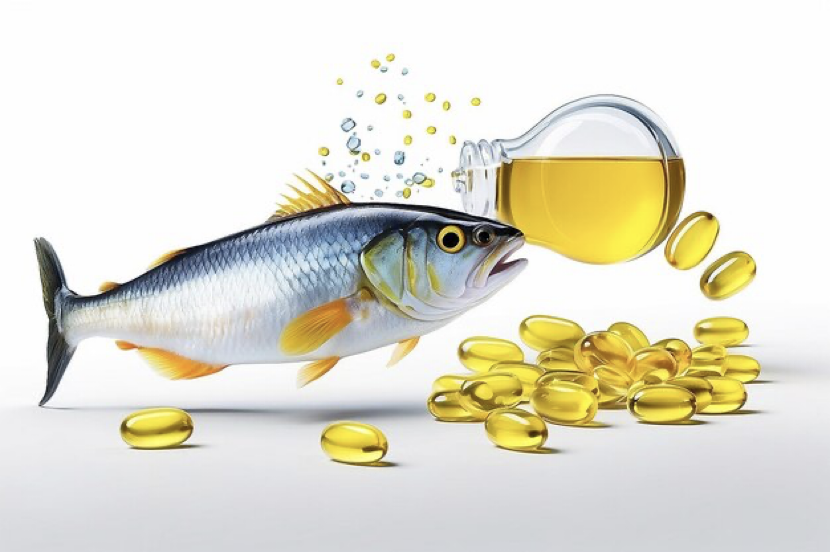
For quite a long time, fish oil supplements are popular among peoples because its rich omega-three fatty acids and considered to be beneficial for heart health, brain function and overall health. However, one paper published recently shows that fish oil supplements may increase the risk of stroke and heart issues.Overview of the StudyThe study guided by the researchers from Harvard University and Brigham and Women's Hospital, analyzed over 25,000 participants who have not gotten angiocardiopathy before the study began. The researchers followed their health conditions almost 12 years and recorded the fish oil supplements data they used. To our surprise, study found compared to the people not eat fish oil supplements, they showed extra 18% risks of getting stroke, and extra 8% risks of heart issues. These results are clear comparison with its benefits we think before.Why Fish Oil Supplements Cause This ProblemSo, why fish oil supplements have this uncontemplated side effects? The researchers proposed several possible explanations.Uncertain qualities of fish oil supplements: There are a variety of fish oil supplements in the market with different kinds of qualities. Some products of inferior quality may be filled with pollutants, such as heavy metals and polychlorinated biphenyl, which will be harmful to our health.Dose and type of omega-3 fatty acids: Not all omega-3 fatty acids are the same.Omega-3 fatty acids have two main ingredients, EPA and DHA, they have different effects in health. Besides, extra omega-3 fatty acids may result in hemodilution and increase the risk of hemorrhagic stroke.Individual difference: Everybody shows different reactions to omega-3 fatty acids. Some may be more sensitive to omega-3 fatty acids and more likely to have untoward effects.Suggestions We Should KnowThe study results reminds us that we should be cautious and careful before eating fish oil supplements, here are some suggestions:Consult a doctor: Before taking any supplements, please consult your doctor, especially when you have some potential health problems.Choose those with superior qualities: Purchase third party certified fish oil supplements to ensure their quality and purity.Care for the dose: Strictly follow the dose recommended on the tag, don’t take extra dose, moderation is the key.Consider other sources: If you worry about the risk of fish oil supplements, you can switch your methods, a lot of food is full of omega-3 fatty acids, such as Fat-rich fish, flaxseed, and chia seeds.