


Tailoring Fitness and Nutrition: Why Women Need a Different Way
When it comes to health and wellness, the adage "one size fits all" simply doesn't apply. Men and women have different physiological makeups, hormonal balances, and health needs, which means that their approaches to exercise and nutrition should be distinct. Understanding these differences is crucial for optimizing health outcomes and achieving fitness goals.
The differences between men and women extend beyond the obvious physical characteristics. Women tend to have higher body fat percentages, different muscle distributions, and unique nutritional needs due to their menstrual cycles, childbearing capabilities, and hormonal fluctuations. This article delves into why women need to exercise and eat differently than men and provides guidance on how to do so effectively.

Energy Requirements and Macronutrient Balance
Women generally have lower energy requirements than men due to differences in size and muscle mass. However, the quality of calories consumed is just as important, if not more so. Women should focus on a balanced diet that includes:
Protein: Essential for muscle repair and maintenance, but also crucial for hormone production and bone health.
Fiber: Supports digestion, heart health, and blood sugar control.
Healthy Fats: Necessary for hormone production and can help regulate appetite.
Hormonal Considerations
Women's hormonal cycles can significantly impact their energy levels, mood, and body composition. Consuming a diet rich in complex carbohydrates, lean proteins, and healthy fats can help stabilize blood sugar levels and minimize mood swings associated with hormonal fluctuations.
Bone Health
Women are at a higher risk of developing osteoporosis due to lower bone density. Weight-bearing exercises such as walking, jogging, and resistance training can help strengthen bones. Additionally, a diet rich in calcium and vitamin D is essential for maintaining bone health.
Cardiovascular Health
While both men and women can benefit from cardiovascular exercise, women may need to focus more on low-impact activities to protect against joint injuries. Swimming, cycling, and elliptical training are excellent options that provide heart-healthy benefits without excessive stress on the joints.
Strength Training
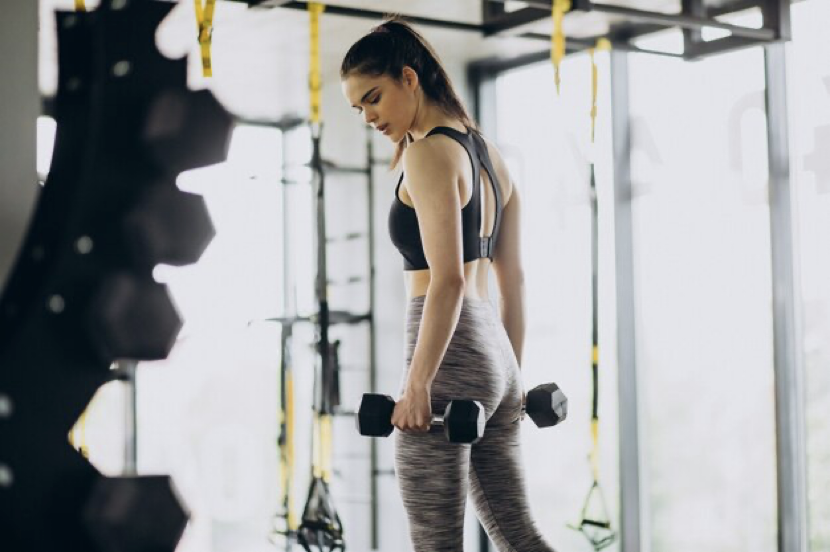
Strength training is essential for women to combat age-related muscle loss and improve overall metabolism. However, women may benefit from a higher focus on full-body, compound exercises that target multiple muscle groups at once, such as squats, lunges, and deadlifts.
Flexibility and Balance
As women age, maintaining flexibility and balance becomes increasingly important to prevent injuries and improve overall quality of life. Incorporating yoga, Pilates, or regular stretching into a fitness routine can significantly improve flexibility and core strength.
Nutritional Timing
Women may need to pay closer attention to nutritional timing, especially if they are engaging in intense workouts or sports. Replenishing glycogen stores post-workout and consuming protein to aid muscle recovery is crucial.
Prenatal and Postnatal Care
For women who are pregnant or nursing, nutritional needs change dramatically. It's vital to consume adequate calories, protein, and essential nutrients like folic acid, iron, and calcium to support both maternal and fetal health.

Conclusion
The path to optimal health and fitness is not the same for everyone, and women's unique physiological and hormonal needs demand a tailored approach. By focusing on a balanced diet, engaging in activities that support bone health and cardiovascular fitness, and incorporating strength training and flexibility exercises, women can achieve their health goals more effectively. Understanding these differences and adjusting exercise and nutrition plans accordingly can lead to better performance, improved health outcomes, and a more satisfying fitness journey.

Women May Benefit From Exercise in Reducing Risk of Cardiovascular Issues
Cardiovascular disease (CVD) is a leading cause of morbidity and mortality worldwide, affecting millions of people, particularly as they age. While both men and women are at risk, recent research suggests that women may significantly benefit from exercise in reducing their risk of developing cardiovascular issues—potentially lowering their risk by twice the amount as men. Understanding the implications of this finding can empower women to prioritize physical activity as a vital component of their health regimen.The Importance of ExerciseExercise is widely recognized as a cornerstone of cardiovascular health. Regular physical activity strengthens the heart muscle, improves circulation, and helps maintain a healthy weight—factors that are crucial in preventing CVD. While the benefits of exercise are well-documented for both genders, emerging evidence indicates that women may experience a more pronounced protective effect against heart disease.Hormonal InfluencesOne potential reason for the differential impact of exercise on cardiovascular health between men and women lies in hormonal differences. Estrogen, which is more prevalent in women, has protective cardiovascular effects. It helps maintain healthy blood vessels and reduces cholesterol levels. However, as women age and estrogen levels decline, particularly during and after menopause, their risk for heart disease increases. Engaging in regular exercise can help mitigate some of these risks, potentially leading to more significant reductions in CVD risk compared to men.Research FindingsRecent studies have highlighted that women who engage in regular physical activity may cut their risk of developing heart disease by an impressive amount. For instance, a study published in the Journal of the American College of Cardiology found that women who exercised regularly were able to lower their cardiovascular risk significantly more than their male counterparts. The mechanisms behind this may include better weight management, improved blood pressure regulation, and enhanced lipid profiles among women who exercise consistently.Types of Beneficial ExerciseNot all forms of exercise are created equal when it comes to cardiovascular health. Both aerobic and strength-training activities play a crucial role, but aerobic exercises—such as walking, running, cycling, and swimming—are particularly effective in improving cardiovascular fitness.1. Aerobic Exercise: Engaging in at least 150 minutes of moderate-intensity aerobic exercise each week can lead to substantial cardiovascular benefits. This could include brisk walking, jogging, or group fitness classes.2. Strength Training: Incorporating strength-training exercises at least twice a week can also enhance cardiovascular health. Building muscle helps improve metabolism and supports better insulin sensitivity, contributing to overall heart health.3. Flexibility and Balance: Activities like yoga and Pilates, while not traditionally regarded as cardiovascular exercises, can improve overall physical function and reduce stress, which is also beneficial for heart health.Making Exercise a PriorityFor women looking to lower their cardiovascular risk, making exercise a priority is essential. Here are some practical tips to integrate physical activity into daily routines:1. Set Realistic Goals: Start with achievable goals, such as walking 10 minutes a day, and gradually increase duration and intensity.2. Find Enjoyable Activities: Whether it’s dancing, hiking, swimming, or joining a sports team, engaging in activities you love makes it easier to stick with an exercise routine.3. Incorporate Movement into Daily Life: Simple changes, like taking the stairs instead of the elevator or walking during lunch breaks, can significantly increase daily activity levels.4. Social Support: Exercising with friends or family can boost motivation and make workouts more enjoyable. Consider joining group classes or community sports leagues.5. Listen to Your Body: It’s essential to pay attention to your body’s signals. Start slow, especially if you’re new to exercise, and consult a healthcare provider if you have existing health concerns.

Amazing All-Inclusive Mediterranean Cruises in 2026
The profound concept of floating city attains in 2026 its fullest expression of all time. There is no doubt that the Mediterranean, with its blessed climate and timeless culture, has always been the apogee of ocean liners. But this year marks a new sort of development in how it is seen. Nursing an environmental headache, a neurotic civilization sharpens its focus on an ideal of wellness, in which the modern cruise becomes morally as therapeutic for soul and body, as it breaks so many records. Travelers today are provided with not merely schedules, but rationally thought out trips: Farm-to-sea organic food programs which celebrate indigenous produce, extended port stays that are in harmony with local customs and not raced through like duty calls for so many souvenirs to be bought; ships designed to feel more like an island resort than any superstructure at sea with its own set of laws defining good society as practicality. With the pound holding strong against other currencies, some much-needed breathing space has finally emerged for British holidaymakers. In Britain regionally based offerings by Mediterranean cruise lines are highly attractive and it will be available to more customers than ever before through these fly-cruise tours that take people straight from downtown hubs such as Manchester and Glasgow, directly into the action. Sustainability, luxury, ease of travel should all be rolled into one ball and tossed back to the public in 2026 to rediscover the Mediterranean, not as a tourist, but taking on some understanding of its people and their various ways.Why Choose Mediterranean CruisesThe cruise industry has moved forward considerably in 2026. The advocacy of sustainability and health is seeing new launches this year that 263 accord entirely with my own values. Passengers now have organic food and first-class facilities to look forward to; and itineraries that get passengers off the boat for a longer time on shore help to dispel the rushed rhythm that has pertained generally in old-fashioned cruising.In today's travel market, the British pound remains strong, encouraging Mediterranean cruise companies to compete fiercely. Many now offer packaged deals including flights out of various UK airports – which is a game-changer for the rest of us. What is a fly-cruise package? The vacation begins the moment you arrive at Manchester, Birmingham or Glasgow airport.Typical RoutesThe Mediterranean has a rich itinerary, usually divided into Western and Eastern routes.1.Eastern Mediterranean: The focus of the Eastern Mediterranean itineraries is the Adriatic Sea and the Aegean Sea. From Venice (Marghera) or Athens, you can visit Dubrovnik with its ancient city walls; Santorini and the famous blue dome churches; the extraordinary ruins of Ephesus in Turkey. This route is a must for history-lovers and everyone keen on breathtaking coastal scenery.2.Western Mediterranean: Still the classic choice, the Western Mediterranean. From Southampton, Barcelona, or Civitavecchia (near Rome), visitors set out on this path, kissing the glamorous French Riviera, ashoring in historic treasure trove Florence and sojourning at lively beach camp Ibiza. It is suited for new voyagers after a mix of culture and sun.All-Inclusive Package Levels1.Value-Driven All-Inclusive: It's important to understand that "all-inclusive" means different things to different cruise lines as far as the UK market is concerned. There are three quite distinct tiers. In terms of value-driven all-inclusive, lines such as Marella Cruises (part of TUI) stand in a category of their own. Flights, transfers and meals–even soft drinks (not all alcoholic ones) and smart nibbles as well are provided up front. There are no quibbles at the end of the week.2.Premium All-Inclusive: With cruise lines like Celebrity Cruises or MSC Cruises, you can find everything on board: premium all-inclusive. Their enhanced packages often include things that are not part of the standard itinerary such as premium Wi-Fi and shore excursion credits. They also provide a value exchange: higher-end spirits to make your life more exciting without carrying the five-star tag for price.3.Ultra-Luxury All-Inclusive: The ultimate in luxury spent leave the all-inclusive principle far behind. Take Silversea or Regent Seven Seas among mother companies; enjoy a thousand-dollar bottle of vintage champagne in your villa; ask for private tours just about anywhere round the world and have it arranged; The initial outlay is high, but personalized service is unmatched and on your special occasion cruises nothing less will do.Price ComparisonConclusionIn 2026, you can find all-inclusive Mediterranean cruises that are much more than vacations. They bring not only rest but real value for money, and a chance to restore your soul yet again— one horizon at a time. And this is simply the perfect time for booking your cruise. I firmly believe it.
The Rise of Assembly Robots
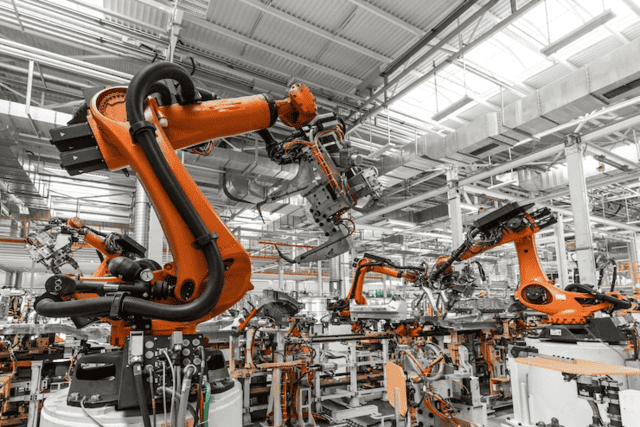
Precision, speed, and flexibility for manufacturing leave assembly robots to the machines to perform the high-precision, repetitive movements required for simple tasks with pinpoint accuracy and blistering speed. Today, these kind of robotic systems are the staple workhorses of industry providing huge benefits over man power and are part of.Advantages of Assembly Robots1.Extraordinary PrecisionRobotic assemblers don't tire like human workers, nor do they make mistakes. The result is each piece is built to precise dimensions. This decreases defects and enhances product dependability which is crucial for applications like aerospace and medical device production. Also, robots can work 24/7, which is able to considerably increase productivity with lower cycle times.2.Cost-efficiencyWhile robots are expensive to buy and implement, the cost can be justified in terms of labor savings, waste savings and increased throughput. Furthermore, robots improve workplace safety by performing safety sensitive operations, thus reducing the number of accidents.Current ApplicationsThe assembly robot is a common feature in many different industries. Welding, bolting and attaching parts in the car industry, this job has to be done with perfect precision as millions on millions car are built within no time. Robotic machines are used by electronics manufacturers to position minuscule components on circuit boards with a precision of a micron, an assignment that is nearly impossible for human hands. In a food and beverage 3 industry, robotic arms are used to package and sort food and beverages safely while maintaining cleanliness and meeting stringent standards.There is big potential for assembly robots beyond factory production, like custom-furniture assembly and even 3D-printed construction. Collaborative robots, which are engineered to work alongside humans, are becoming more popular in shops where flexibility and usability are important.Selecting the Most Suitable Assembly RobotFirst, manufacturers need to consider the necessary payload and range of motion, smaller robots work well for delicate tasks such as electronics assembly, whereas larger robots are typically used for heavy-duty tasks. Both are also important and the faster robot is good for high-product production while a slower, more accurate robot is better for detailed work.Programming flexibility is another factor. Other robots follow pre-written commands, and some also rely on AI and machine learning to adjust to real-time variability. They should also check out possible integration with available machines and software. Finally, the budget and anticipated return-of-investment are also deciding factors.The Future of Assembly RobotsThe future for automation in assembly robotics is well on track for revolutionary trends. With the emergence of AI and IoT, the robotics will become smarter as they will be able to perform preventive maintenance and self-optimization. Improved gripper tech and tactile sensors will mean robots are dealing with delicate or asymmetrical objects better.One of the other exciting trends is the emergence of mobile assembly robotics that can move around the factory floor without human intervention, dynamically reconfiguring their jobs based on changing production requirements. Moreover, as robotics continue to decrease in cost, small and medium sized businesses will begin to implement automation, putting advanced manufacturing technologies in the hands of more and more people.Eventually, fully autonomous smart factories might be the standard and robots talk to each other, self-optimize production processes and are employed to the least degree possible. As sustainability becomes a key priority, energy-efficient robots running on renewable sources of energy will continue lowering the ecological impact of production.ConclusionAssembly robots are changing the face of modern manufacturing through the relentless pursuit of precision, throughput, and safety. They are used in various fields, from the automotive industry to computer electronics, and can do more and more since technical progress is made. Companies have to consider several important factors in order to find the robot that suits their application best. In the long term, AI-enabled adaptive robotics will open even more doors to a new industrial era both smarter and more automated. Those machines are not only going to grow production, they're going to completely recast the very definition of what work even means in the manufacturing sector.
Used Electric Vehicles for Seniors in 2026: A Practical Guide
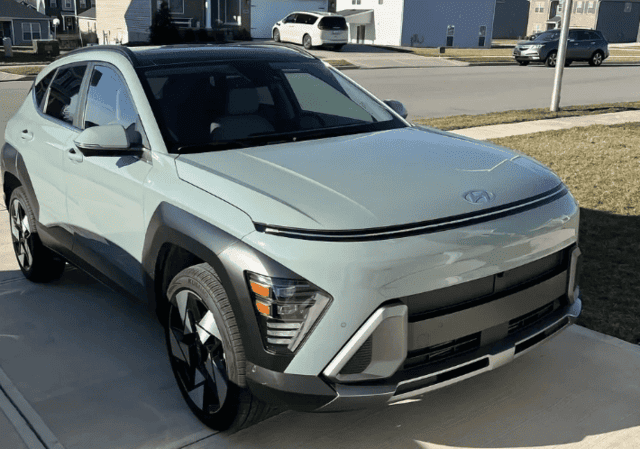
The best used electric car for seniors is not the one that steals all of the attention from a nearby saloon, hatchback or SUV and shows off its speed; it's got to be more like an appliance that quietly fades into the background noise of day-to-day life. For some, it will be a Chevrolet Bolt EUV that pampers nicely in the garage and shrugs off errands each week. For some, it could be a Kia Niro EV (which still feels very much like an SUV that's just friends with smaller SUVs) or the Nissan Leaf that seems to make driving around town in little hops pretty easy. Learn the basics: visibility, comfort in your seat and controls, an ideal variety of safety tech. Stack on top of that real-world range requirements, and total cost of ownership.Why Elderly Drivers Are Reconsidering Electric Vehicles in 2026By 2026, many senior drivers are re-examining electrical motor vehicles (EVs). Seniors have long been a reluctant demographic for EV adoption, but after changes in recent years to this story. Concerns around rising gasoline prices and lower running costs for EVs are the two main reasons why, with surveys suggesting a clear majority of drivers aged over 55 would switch to electric primarily as money savers.Moreover, range anxiety has been alleviated by the improvement of charging infrastructure as well as battery lifespans. For retirees relying on fixed incomes, Oil changes nothing? Also less need for maintenance!Lower fuel costs make the EV a logical financial option.Why Electric Cars Are a Great Choice for Elderly DriversElectric cars come equipped with certain unique benefits which suit senior drivers naturally. One, electric vehicles are quiet and smooth and vibration-free, thereby guarding against driving fatigue while conversing or listening to navigation instructions. There is no gear changing or clutch fiddling with a single-speed transmission, so this makes driving extremely simple.Regenerative braking systems permit so-called "one-pedal driving," meaning there's less need to constantly move back and forth between brake pedal and accelerator—an alleviation, especially for those with stiff knees or arthritis. EVs also tend to have a lower center of gravity, and crossover models often provide higher seating positions for easier access.Most modern EVs also include an ADAS (advance driver-assistance systems) package that includes features such as blind-spot monitoring, automatic emergency braking and lane keeping assist—which might be the safety net some drivers sorely need if their reaction times have been affected.A Quick Shortlist of Suitable Electric Cars for SeniorsChevrolet Bolt EV & EUVThe Chevy Bolt EV and its slightly bigger sibling the EUV remain available in 2026, and also represent best buys for seniors on the used market. Both models have great handling, spacious interiors for their size as well as a high roof line (especially with the EUV) which gives you plenty of headroom and visibility. The Bolt family is also known for an infotainment system that uses gauges that are easy to read, along with simple physical controls instead of overly complex touchscreens commonly found in some new luxury EVs.When new, the Bolt has a real-world range of roughly 238 to 259 miles depending on configuration and pricing in the used market proved aggressive due to previous revisions that reduced prices across multiple trims, making it an excellent value for seniors who mainly use their car for local driving errands or social visits.Hyundai Kona ElectricThe Hyundai Kona Electric is a compact crossover that finds just the right compromise for older drivers desiring an SUV's higher seat but not its greater size. Easy to access and offers a commanding view of the road ahead. The Kona Electric keeps physical knobs for climate control and volume, which lots of older buyers like compared to touchscreens-based controls.The car has good safety scores and rides comfortably, soaking up bumps well. The Kona Electric's driving dynamic will be familiar to seniors moving down from a larger gas SUV, but the running costs are far cheaper and it has enough range for most typical muck at regional trips.Kia Niro EVThe Kia Niro EV is one of the most popular picks for seniors who like to stay busy running errands, engaging in grandkid duties and taking on weekend adventures without feeling overly-large. As a result, the Model 3 has an easy-to-open hatchback style with a low load floor to make loading groceries, medical equipment or luggage simple.Visibility from the cabin is also excellent with large windows and a beltline that's low enough to help you see almost all around you when parking or judging traffic. Along with a nice ride and user-friendly controls, the Niro EV also has plenty of safety equipment. It acts out of the box, considering its small exterior dimensions in tight areas and parking as well so that passengers could sit with ease inside.Nissan LeafThe Nissan Leaf has been a mainstay for older drivers that want to go electric, and it's still one of the best options in 2026—especially if you're shopping used. It is noted for its ease of use with familiar controls, soft ride and good visibility. The Leaf's upright seating and traditional dashboard layout make it the perfect "first EV" for seniors trading in their gas-powered vehicles.Older models had relatively short ranges but you will now find newer used examples (2018+) fitted with either the 40 kWh or 62 kWh battery packs that, based on usage and other factors, can provide sufficient range (up to around 212 miles) for driving in town do appointments at places of interest.Buyers should also be careful with older models, especially in hotter climates where the leaf batteries seem reluctant to retain their initial capacity over time but for those buyers who can home charge and mainly do low mileage local runs then the Leaf represents great value coupled with excellent usability on a day-to-day basis.Tesla Model 3For the tech-savvy senior citizen, it's probably best suited as an advanced offering: The Tesla Model 3. It boasts impressive crash safety ratings, a very efficient powertrain and it will even allow your family to travel knowing that the extensive Tesla Supercharger network is there for stress-free road trips. Many of the available Autopilot and advanced driver-assist features also cut down on highway fatigue over long drives.However, there are some disadvantages of the Model 3 for these older drivers: it has a significantly lower seating position and precision from knee or hip problems can be difficult to get into if things go wrong, he points out, while virtually all controls on the vehicle are housed withing controls in a central screen.The interface is manageable for seniors who are already familiar with smartphones and tablets, but it also might not be ideal for older people who prefer physical buttons and dials because the learning curve could be steep. Best for active seniors who want modern safety technology and access to the network more than a classic dashboard layout.How to Help Older Drivers Test Drive Used Electric VehiclesSo when helping an elderly driver doing a shakedown of EV, comfortableness over acceleration and kind features is predominant. Assessment begins in the parking lot: can they slide right into or out of their vehicle, or do you see them grasping for the door frame? Make sure they can set themselves and the mirrors without fighting their way through an elaborate touchscreen menu.Focus on visibility while driving, look for big blind spots and also the readability of fonts used in steering wheel or dashboard. Try the parking assists, backup camera and blind-spot monitoring because these also can be vital help for senior drivers.Finally, simulate a "charging stop" by articulating the need for it to open and then speaking about how easy at home charging really is in grandeur fashion that reinforces you can fill me up overnight like your smart phone. The aim is to make the driver feel in control and safe, that car makes their life easier not more difficult.SummaryThere is no one perfect answer but most older drivers really appreciate the comfort, visibility, range and value of the Chevrolet Bolt EUV, Kia Niro EV or Hyundai Kona Electric best. They ride a bit higher than other sedans, easy to park and offer useful driver assists such as blind spot monitoring and automatic emergency braking on the correct trims.

How Can Tea Help You Cope With Crisis
In the fast-paced life, we often face and confront with all kinds of pressure and challenges, what’s worse, the crisis comes all of a sudden, making us have no idea to deal with. At this time, if you can drink a warm tea, you may be peaceful, powerful and calm beyond your imagination and perception. And so, how can drinking tea help us cope with the crisis on earth?Relieves mood and anxietyThe tea is rich in ingredients, such as tea polyphenols, caffeine and son on, which can excite brain nerves in order to make you sober and fresh. In the meantime, L-theanine in the tea can escalate the production of GABA in our brains which is a kind of neurotransmitter good for tranquilizing and allaying excitement. Therefore, when we feel uneasy or nervous, why not try drinking a cup of tea, it may help us relax our anxiety and reduce the tension.Improves concentration and enhances decision-making abilityThe theine in the tea can help us escalate our attention and alertness, consider problems more clearly and limpidly. Besides, catechuic acid in the tea can improve the blood circulation in the brains, promote oxygen supply to your brains in order to strengthen our memory and cognitive abilities. When facing crisis, keep high degree of concentration and clear thinking can be helpful for us to make decision more wisely.Promotes social relations and gains supportDrinking tea is not just a personal enjoyment, instead, it’s a social activities. Savoring and enjoying the tea with our intimate relatives and friends can help us establish and build deeper and further relationships and gain more social supports. When we face difficulties, we can be moved and motivated by others’ care and encouragements.Escalates physical health and enhances the ability to resist pressureThere are an abundance of vitamins, minerals, and antioxidants in tea leaves, which can enhance our immunity and improve our capability of ant-diseases. A healthy and fit body plays a fundamental and basic role in facing all kinds of challenges. Besides, tea polyphenols in tea is antioxidative, which can remove the radicals in your body and delay senescence in order to protect our cardiovascular health.