


Women May Benefit From Exercise in Reducing Risk of Cardiovascular Issues
Cardiovascular disease (CVD) is a leading cause of morbidity and mortality worldwide, affecting millions of people, particularly as they age. While both men and women are at risk, recent research suggests that women may significantly benefit from exercise in reducing their risk of developing cardiovascular issues—potentially lowering their risk by twice the amount as men. Understanding the implications of this finding can empower women to prioritize physical activity as a vital component of their health regimen.
The Importance of Exercise
Exercise is widely recognized as a cornerstone of cardiovascular health. Regular physical activity strengthens the heart muscle, improves circulation, and helps maintain a healthy weight—factors that are crucial in preventing CVD. While the benefits of exercise are well-documented for both genders, emerging evidence indicates that women may experience a more pronounced protective effect against heart disease.
Hormonal Influences
One potential reason for the differential impact of exercise on cardiovascular health between men and women lies in hormonal differences. Estrogen, which is more prevalent in women, has protective cardiovascular effects. It helps maintain healthy blood vessels and reduces cholesterol levels. However, as women age and estrogen levels decline, particularly during and after menopause, their risk for heart disease increases. Engaging in regular exercise can help mitigate some of these risks, potentially leading to more significant reductions in CVD risk compared to men.
Research Findings
Recent studies have highlighted that women who engage in regular physical activity may cut their risk of developing heart disease by an impressive amount. For instance, a study published in the Journal of the American College of Cardiology found that women who exercised regularly were able to lower their cardiovascular risk significantly more than their male counterparts. The mechanisms behind this may include better weight management, improved blood pressure regulation, and enhanced lipid profiles among women who exercise consistently.

Types of Beneficial Exercise
Not all forms of exercise are created equal when it comes to cardiovascular health. Both aerobic and strength-training activities play a crucial role, but aerobic exercises—such as walking, running, cycling, and swimming—are particularly effective in improving cardiovascular fitness.
1. Aerobic Exercise: Engaging in at least 150 minutes of moderate-intensity aerobic exercise each week can lead to substantial cardiovascular benefits. This could include brisk walking, jogging, or group fitness classes.
2. Strength Training: Incorporating strength-training exercises at least twice a week can also enhance cardiovascular health. Building muscle helps improve metabolism and supports better insulin sensitivity, contributing to overall heart health.
3. Flexibility and Balance: Activities like yoga and Pilates, while not traditionally regarded as cardiovascular exercises, can improve overall physical function and reduce stress, which is also beneficial for heart health.
Making Exercise a Priority
For women looking to lower their cardiovascular risk, making exercise a priority is essential. Here are some practical tips to integrate physical activity into daily routines:
1. Set Realistic Goals: Start with achievable goals, such as walking 10 minutes a day, and gradually increase duration and intensity.
2. Find Enjoyable Activities: Whether it’s dancing, hiking, swimming, or joining a sports team, engaging in activities you love makes it easier to stick with an exercise routine.
3. Incorporate Movement into Daily Life: Simple changes, like taking the stairs instead of the elevator or walking during lunch breaks, can significantly increase daily activity levels.
4. Social Support: Exercising with friends or family can boost motivation and make workouts more enjoyable. Consider joining group classes or community sports leagues.
5. Listen to Your Body: It’s essential to pay attention to your body’s signals. Start slow, especially if you’re new to exercise, and consult a healthcare provider if you have existing health concerns.
Conclusion
The evidence suggests that women can significantly reduce their risk of cardiovascular disease through regular exercise—potentially doubling the protective benefits compared to men. Embracing a physically active lifestyle not only enhances heart health but also improves overall well-being, including mental health and quality of life. By prioritizing physical activity, women can take crucial steps toward safeguarding their cardiovascular health and leading healthier, more active lives.

Furniture Trends of 2025: Design Meets Intelligence
Furniture is no longer simply an object of functionality or en aesthetics, it has become an intelligent, adaptive, and sustainable extension of our living space. The directions influencing the furniture design of this year indicate a combination of pioneering technology, environmental responsibility, and a continued personalized approach. When self-adjusting ergonomic chairs and modular pieces that change as families do, 2025’s furniture is built to merge with our ever-evolving lifestyles.1.Smart, AI-poweredHere, the most striking change is towards smart, AI-powered furniture. Consider a sofa that changes its firmness to match the shape of your body, or a dining table that is also a wireless charging station and an interactive display. Several companies, including Ikea and Herman Miller, have already released AI-infused pieces that memorize human taste over time, fine-tuning both comfort and energy efficiency. Beds these days have sleep-tracking sensors, ones that regulate temperature and firmness during the night, while desks gently remind users to stand or stretch after too much time seated. The line between furniture and tech is beginning to know no bounds as furniture is not just lived in, but responsive to human life.2.SustainabilitySustainability is still at the heart of design, but in 2025 it extends beyond use of recycled materials. Now, circular design is the norm; brands emphasize furniture that can be broken down for recycling, repair or upcycling. Biodegradable options such as mycelium (mushroom-based foam) and algae-based plastics for example replacing the synthetic and giving the same durability without the guilt of damaging the environment. Even high-end designers are getting on board with “zero-waste” production, in which offcuts find new life as entirely new products. Consumers are more and more attracted to furniture with a clear lifecycle, knowing where the materials came from, how they were made and how they can be responsibly disposed of.3.Modular and MultifunctionalOther trends appeal to urban dwellers and small-space living, such as modular and multifunctional furniture. As the cost of real estate surges, these designs are compact, but flexible. There are guest beds that double as couches, coffee tables that hinge up toward a working height and storage units that mount to the wall and adjust to your needs. Companies such as Resource Furniture and Ori (a robotics and design company) are leading the way in minimizing space while maximizing style. The premise is the simple one on which we all fantasize but seldom deliver, that furniture should be as agile as life at its most inconstant, whether that is while working from home on a whim or hosting a surprise house guest for the night.4.MinimalismThe aesthetic in 2025 runs to warm minimalism and biophilic design. Neutral earthy palettes — think soft terracottas, warm beiges and deep greens — prevail, resulting in tranquil, nature-inspired interiors. Furniture silhouettes are more flowing, with rounded corners and natural textures that play on the idea of comfort and calm. Indoor-outdoor living is also on the rise, and weather-resistant materials are keeping pieces as comfortable on a sunlit patio as in a cozy living room.5.CustomizedThe customized experience up a notch. And the rise of 3D printing and on-demand manufacturing means the customer today can design his or her own furniture, picking everything from a fabric pattern to the style of legs. Brands provide digital configurators that enable people to see their creations in augmented reality before buying. This change not only limits overproduction, but allows each piece to narrate a personal story.We can’t predict the future, but in 2025, furniture will no longer be static — it’s intelligent, and a living part of our daily routine. From AI integration to sustainable innovation to adaptive design, the industry is rewriting the rule book for what it is to furnish a home. The future of furniture isn’t only about filling up space; it’s about improving the way we live, one smart, sustainable and beautifully designed object at a time.
Tips for Providing Complete Home Furnishing Advice to Users
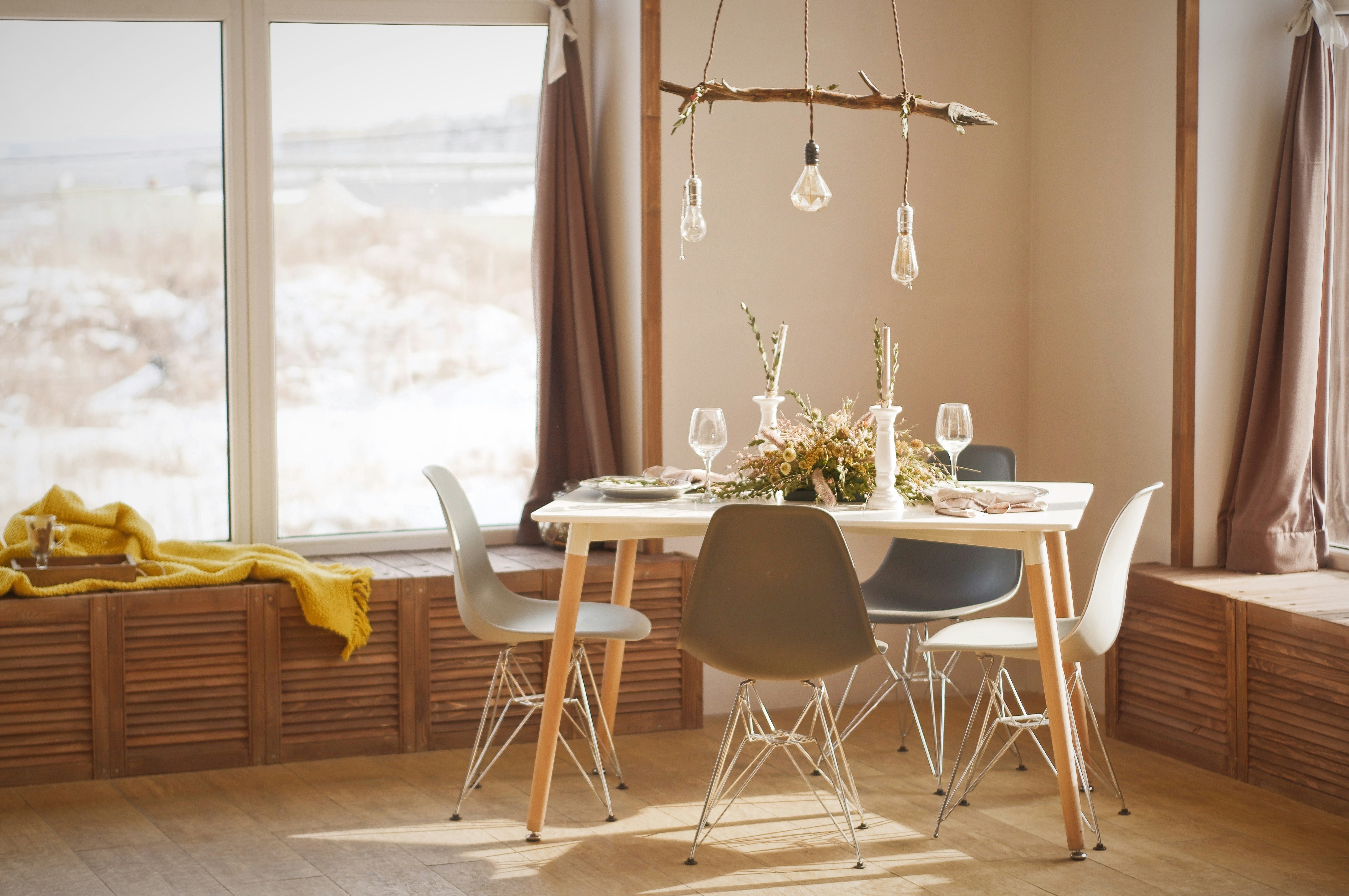
When it comes to furnishing a home, it's not just about filling the space with furniture and decor pieces; it's abouTo provide users with comprehensive advice on home furnishing, it's essential to consider various aspects that go beyond just aesthetics. Here are some innovative tips to help you guide users in transforming their houses into dream homes:Understand User Needs: Before offering advice on home furnishing, take the time to understand the user's lifestyle, preferences, budget, and space constraints. Tailoring recommendations to their specific requirements will ensure a more personalized and impactful furnishing plan.Embrace Versatility: Suggest furniture and decor pieces that are versatile and multifunctional. Opt for items that can serve multiple purposes or be easily reconfigured to adapt to changing needs. This approach not only maximizes space but also promotes sustainability and practicality.Mix and Match: Encourage users to combine different styles, textures, and colors to create a visually interesting and dynamic space. Mixing old and new elements, blending contrasting patterns, and experimenting with bold accents can add depth and character to their home decor.

A House in Delhi, Reveals Indian History
In a corner of the Indian Delhi, a normal house hides, however, the house has been witnessing Indian history for hundreds of years. It is not only a building, but also a history observer, an inheritor of culture, an epitome of a era.Location of the houseThe house locates in the core area of Delhi’s old town, surrounded by ancient walls and narrow streets. Its exterior is not so attractive, the gray stonewall, wooden doors and windows and dappled walls seem to be talking about the vicissitudes of time. However, when you step into this house, you will feel just like going back to the time of hundreds of years ago. The interior decoration reveals the traditional Indian style. The high suspending exquisite chandelier in the ceiling, the ancient artworks and sculptures on the wall, the hand knitting blanket under your feet and every corner of this house is a display of the history and story.Uncanny historyThe house can be dated back to Mughal Dynasty when all the royal members live here. From the reign of Akbar the Great to the expansion of Aurangzeb, from the glory of empire to its decline, the house records every history moment silently. You can see the royal life at that time by the wall paintings, you can learn the ritual through the sculpture patterns and you can know the art style from the decoration on the furniture. As time went by, the house went through a collection of repair and refinement, but these did not change its key appearance. In 19th century, India was colonized by British men, which resulted this house to be the residency of British officials. Although the style changed a little, the historic and cultural marks still shows its a house of India. In the meantime, you can see the combined elements between India and Great Britain. After the independence of India in 20th century, the house became a part of cultural relic and was protected and repaired. At present, it is not more a history relic, but a cultural center which attracts travelers and learners all over the globe. Because this house provide them with the history of India and the diversity and richness of different culture. Furthermore, the house is not just a witness of the history but also an inheritor of culture. It carries the hundred years’ changes of India and records every print of era.Cultural relicYou can enjoy the colorful and diverse Indian culture here, no matter ritual, festival, daily life or art creation. The glamour of travelling lies in that you can not only see the beautiful scenery, but also find the history and culture of a city. A great deal of items can represent and show the history of a city, the construction or a house is just one part, when stepping into this house, you may see the shadow that who stepped into this house before and the atmosphere who leaved.ConclusionTo conclude, the house, which locates in the Delhi’s old town, is not just a construction, but also a witness of history, an inheritor of culture and an epitome of era. Undoubtedly, it’s a window to unlock the Indian culture and history and also a bridge connects past and present.

Wig Basics
This article will introduce the basic knowledge of wigs, including the types of wigs, materials, selection and care.The type of wig1. Full Wig: A full wig is a wig product that covers the entire head, similar to a hat, and can completely change the hairstyle and hair color. Full wigs are usually made of synthetic or human hair and come with an adjustable cap to accommodate different head sizes.2. Hair Piece: A hair piece is a small piece of wig, usually used to increase the volume of hair or cover certain areas of baldness. Hair pieces can be fixed to natural hair to make the hairstyle more full and natural.3. Hair Extensions: A wig is a long, thin piece of hair that is usually used to extend the length of natural hair. They can be attached to natural hair by means of clips, adhesives, or braiding.4. Hair Toppers: Hair toppers are a type of wig product similar to hair pieces, but larger and thicker, usually used to cover bald or sparse areas on the top of the head.Choose the right wig1. Color and style: Choosing the right wig color and style is very important to ensure that it matches natural hair and meets personal preferences. You can choose a color that is similar to your natural hair, or try new hair colors to add variety.2. Head circumference and size: The wig needs to match the head circumference size to ensure comfort and stability. You can choose the right wig size based on your head circumference, or choose a wig with an adjustable cap.3. Material and quality: Choose the right wig material according to your personal needs and budget. Synthetic wigs are suitable for short-term use and low cost needs, while human hair wigs are suitable for long-term use and higher quality requirements.

Why Strength Training Is Essential for Maintaining a Healthy Lifestyle
In recent years, the fitness landscape has evolved, with strength training gaining recognition as a crucial component of overall health and well-being. While many individuals prioritize cardiovascular exercises like running and cycling, strength training offers unique benefits that can significantly impact long-term health. Here’s why incorporating strength training into your routine is essential for maintaining a healthy lifestyle.Improved Muscle Mass and MetabolismAs we age, we naturally lose muscle mass—a condition known as sarcopenia. This gradual decline can start as early as our 30s and continues throughout our lives. Strength training is one of the most effective ways to combat this loss. By engaging in resistance exercises, you stimulate muscle growth, which not only preserves existing muscle but also builds new muscle tissue. Increased muscle mass leads to a higher resting metabolic rate, meaning your body burns more calories at rest. This can be particularly beneficial for weight management, as it allows for greater flexibility in diet while still maintaining a healthy weight.Enhanced Bone DensityBone density naturally decreases with age, raising the risk of fractures and osteoporosis, particularly in women after menopause. Strength training plays a pivotal role in increasing bone density. When you lift weights, the stress placed on bones stimulates the production of bone-forming cells, enhancing bone strength and reducing the likelihood of osteoporosis. Incorporating strength training exercises, especially weight-bearing activities, can lead to healthier bones and a lower risk of injury as you age.Better Joint HealthStrength training not only strengthens muscles but also helps stabilize joints. Strong muscles support and protect joints, reducing the risk of injuries and chronic pain conditions such as arthritis. By improving joint strength and stability, regular strength training enables individuals to maintain mobility and perform daily activities with ease. Moreover, resistance training can help alleviate symptoms of existing joint pain, making it an excellent choice for those looking to manage conditions like osteoarthritis.Enhanced Functional FitnessFunctional fitness refers to the ability to perform daily activities with ease and efficiency. Strength training enhances functional fitness by improving balance, coordination, and endurance. This is particularly important as we age, as falls are a leading cause of injury among older adults. By focusing on exercises that mimic everyday movements—such as squats, lunges, and push-ups—you can improve your overall performance in daily tasks, from lifting groceries to climbing stairs. This functional strength contributes to a better quality of life and greater independence as you age.Mental Health BenefitsThe mental health benefits of strength training are often overlooked, but they are significant. Regular strength training has been linked to reduced symptoms of anxiety and depression. The endorphins released during exercise can elevate mood and promote a sense of well-being. Moreover, achieving strength training goals—whether it’s lifting a heavier weight or completing more repetitions—can boost self-esteem and confidence. This positive feedback loop encourages a more active lifestyle and fosters a sense of accomplishment.Chronic Disease ManagementStrength training plays a vital role in managing chronic conditions such as diabetes, heart disease, and obesity. Regular resistance training can improve insulin sensitivity, lower blood pressure, and enhance cardiovascular health. For individuals with diabetes, strength training can help regulate blood sugar levels, making it a valuable addition to their exercise regimen. By addressing these health concerns, strength training can reduce reliance on medications and improve overall quality of life.