


How to Choose Sunglasses for Travel
Sunglasses are not only a fashion accessory, but also an essential item for protecting your eyes from harmful UV rays when traveling
Choosing the right sunglasses for your travels involves considering various factors to ensure they provide adequate protection and suit your style. Here are some tips for choosing sunglasses for travel:
UV Protection: Look for sunglasses that provide 100% UV protection. This is crucial for shielding your eyes from the sun's harmful radiation. When purchasing sunglasses, check for labels or stickers indicating UV 400 or 100% UV protection.
Lens Quality: Consider the quality of the lenses. Opt for sunglasses with polarized lenses to reduce glare and improve visibility, especially during outdoor activities. Also, ensure the lenses are impact-resistant and provide a clear, distortion-free view.

Frame Fit: Choose sunglasses that fit your face shape and size. The frames should snugly sit on your nose and ears without causing discomfort or slipping. Different face shapes suit different frame styles, so consider what best complements your features.
Lens Color: The color of the lenses affects your contrast and color perception. Gray lenses provide minimal color distortion, while brown/amber lenses enhance contrast. Consider the activities you'll engage in while wearing the sunglasses to determine the most suitable lens color.
Durability: Invest in sunglasses made from durable materials. Look for sturdy and flexible frames, such as nylon or acetate frames. Additionally, consider sunglasses with scratch-resistant coatings to prolong their lifespan.
Style and Fashion: While functionality is crucial, style also plays a significant role in choosing travel sunglasses. Find a pair that complements your personal style and matches your wardrobe. Whether you prefer classic aviators, trendy wayfarers, or sporty wrap-around styles, choose sunglasses that make you feel confident and fashionable.

Comfort and Coverage: Comfort is paramount when selecting sunglasses for travel. Ensure the sunglasses provide adequate coverage to protect your eyes from all angles and can be worn comfortably for extended periods. Adjustable nose pads and lightweight frames can enhance comfort.
Brand and Warranty: Consider purchasing sunglasses from reputable brands known for their quality and commitment to eye protection. Additionally, check the warranty information to ensure you're covered in case of any defects or damage.
By considering these factors, you can choose sunglasses that not only look great but also provide the necessary protection for your eyes during your travels. Finding the right sunglasses will not only enhance your style but also contribute to maintaining long-term eye health.
How to Design a Warm and Inviting Modern Garden
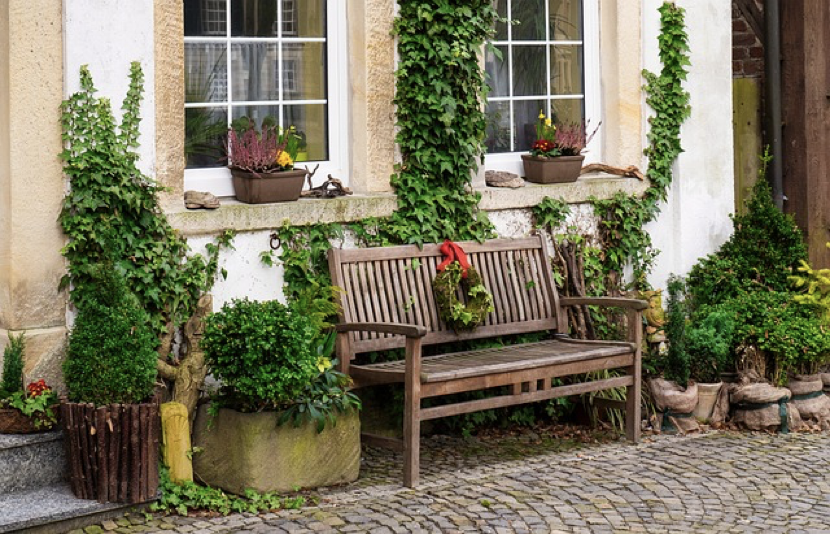
To design a modern garden with a warm and inviting atmosphere, you need to focus on the combination of beauty, utilities, and feelings. Give solace from your daily life in a well-designed garden. So, below I talk you through five major points to help you forge a modern garden you want to spend time in.1.Incorporate Natural Materials and TexturesUse natural materials such as wood, stone, and rattan to create a warm environment. The use of wood, terrazzo or concrete for examples brings texture and a sense of organic warmth to the space. “(Wooden decking or stone pathways would help ground the design, whereas rattan furniture or woven planters would infuse softness and charm.) Balance a modern minimalistic look with the coziness of natural tones by pairing these materials with plants and greenery rich in colors. If you want a rustic vibe that feels sustainable and welcoming, consider using reclaimed wood for benches or tables. Features such as a small rock garden or a pebble mosaic of one kind or another, for example, will not only provide texture and diversity of shapes but also provide a stratum that may encourage touching and interaction.2.Concentrate on Cozy Seating AreasA warm garden is a place that encourages people to sit, to relax and to linger. Incorporate lounging areas with soft cushions, weatherproof fabrics, and handpicked ergonomic furniture; Think about creating different zones, for example a cozy bench under a tree, a dining area for al fresco meals or a lounge area with a fire pit. Throws or outdoor rugs can add an extra layer of comfort and help make the garden feel like an extension of your home. Design with a curved seating orientation ideal for small gatherings. Furnishing with hammocks or swing chairs can bring an element of playfulness and relaxation as well.3.Incorporate Soft LightingMany ordinary lights can make a garden more attractive, including ambient lights like lanterns, string lights, or even lamps. As the sun goes down, use soft warm light for a welcoming atmosphere. String lights, lanterns and the new solar-powered path lights can create a magical glow. To add depth and interest, subtly spotlight elements of your space, such as trees, water features of sculptures. A beautifully illuminated garden can feel inviting but also safe. Try LED candles or fairy lights in glass jars for something quirky. For added drama, set up uplighting to illuminate the architectural shapes of plants or trees.4.Include Personal Touches and Sensory DetailsA warm garden should be your personality and stir the senses. Incorporate things like wind chimes, aromatic flowers, or even a wee water feature for a therapeutic auditory and olfactory experience. Personal touches like handmade pottery, family heirlooms or a collection of potted plants can give the space a distinctive feel. These details spark feelings and memories, turning the garden into a space of belonging and happiness. Use herbs that release perfume when brushed against, such as lavender, rosemary and mint. In the same way, including a bird feeder or birdbath is another way to not only attract wildlife, but to add more life and movement to the garden.5.Year-around DesignAnd for your garden to feel warm and welcoming all year long, plan for seasonal interest. Select a combination of evergreen plants, flowering shrubs and seasonal blooms to ensure that color and life can be had all year round. Add features such as a pergola or awning to block the sun during summer and a fire pit or heated-seating for cooler seasons. Watching the seasons change brings a sense of comfort and joy, and by designing a garden to work all year round, you have a garden that brings delight and happiness to your life, all year round. Plant deciduous trees or shrubs with vibrant autumn coloration like maple or dogwood for warmth on those crisp fall days.Overall, these spaces will both differ, but if and when we can return to large gatherings on the other side of this, hot meals will be served here and fellowships welcomed, what really is needed, in peace. Modern garden constructed from that foundation becomes much more than outside space, it becomes an enjoyable piece of your home and life.

Effective Ways to Relieve Joint Pain Naturally
Joint pain is an ubiquitous condition that can afflict humans of all ages, but is more common as we age or after an injury. Whether the result of arthritis, overuse or other conditions, recurrent joint pain can interfere greatly with daily life. Here are some helpful tips that can help reduce joint pain and get you moving.1.Low-impact and Regular ExerciseExercise may help keep your body active and agile, increasing the flow of blood thus decreasing the pain. Swimming, walking, yoga and riding are ideal exercises. In the meantime, you need to stay away from vigorous exercises.2.Maintain a Healthy WeightAnother important factor when it comes to managing aches and pains in your joints is keeping your weight healthy. Excess pounds put extra pressure on your knees and ankles, which can make them painful. Hence, the weight reduction can ease the joint pain. Seafood and vegetables can deliver, while processed food, added sugar and refined carbohydrates should be avoided. For some, seasonings like turmeric and ginger — both known as having anti-inflammatory properties — can save your life.3.Heat and Cold TherapyHeat and cold therapy are an efficient and instant way to momentary relief for the pain of rigid joints. Applying a warm compress, soaking in a warm bath, or using a heating pad are all helpful ways to relax stiff joints and increase blood circulation, which can make it easier to move. This works particularly well for chronic stiffness, such as that associated with arthritis morning pain. Cold therapy (ice packs wrapped in a towel) helps numb sharp pain and reduce swelling, particularly after physical activity or injuries. For some types of joint pain, switching between heat and cold can be helpful.4.Proper PostureA proper posture, coupled with reasonable ergonomic adjustments, matters a lot in easing and preventing joint strain. Sitting hunched over a computer, standing for hours at a time or lifting heavy objects can place significant strain on various joints in the back, neck, knees and wrists. Sitting in supportive chairs, positioning screens at eye level and wearing cushioned shoes can help disperse weight more evenly. And for anyone with pain in their hands or wrists, ergonomic keyboards or braces may alleviate torment during repetitive movements.5.Natural SupplementsCertain natural supplements, such give glucosamine, chondroitin, and omega-3 fatty acids, have so much promise in speedy joint fitness for a few humans. While research findings vary, many people experience less pain and greater mobility following regular use. Be sure to talk to a health care provider before starting any new supplements, especially if you are taking other medications.6.HydrationHydration, a neglected factor yet critical for joint function. Cartilage, which protects joints, is made up of a high percentage of water. This increases friction, and can cause discomfort if dehydrated. Staying hydrated throughout the day, which helps maintaining lubrication and may relieve stiffness.7.MassageMassage therapy is useful, too. No matter you massage yourself or you get massaged by others, both work well. It can relive the intense muscle, improve the circulation of blood. You can use a ball to apply gentle pressure to tight spots.Although these techniques can assist with mild to moderate joint discomfort, a healthcare provider should evaluate persistent or severe pain. Some conditions may require physical therapy, acupuncture or medical treatments. But many people can prevent real pain and joint function improvement when these natural strategies are applied to their daily routine, resulting in better quality of life and health. Joint pain doesn't have to rule your life, as long as you stay active, eat right, and make simple lifestyle changes. Little adjustments over time can lead to big shifts in how well you stay flexible and comfortable for as long as possible.

Container Homes: A Modern Housing Revolution
There are smart homes and then there are shipping containers that have been converted into homes, and this installation brings both of these concepts into one sexy green package. But as with any housing option, they present their own host of issues and challenges.Advantages1.Eco-friendlinessThese out-of-the-box abodes use retired shipping containers, sparing the need for conventional building materials such as bricks and wood which would otherwise be used to build homes, and thus having a positive effect on the environment. And because containers are modular, you can create some very fun and space-saving designs, all made to your specifications.2.Cost-effectivenessContainer homes tend to cost you less financially than traditional houses, and that's very much due to the cost of materials. The steel construction of shipping containers is strong and able to hold up to harsh weather and these structures require less maintenance over the years. What’s more, construction is often speedier due to the fact that the basic framework is there already, containers just need modifying and stacking on top of each other.3.Mobility and FlexibilityThese homes will appeal to anyone looking for a minimalist or nomadic lifestyle, but will also be suitable to become remodeled to be portable so the owner can move, but not have to leave their dwelling. This is especially attractive to Digital Nomads, Adventurers, and people needing temporary housing.Things to Consider Before Building a Container Home1.Local Codes and PermitsContainer homes are not code in every place. In some jurisdictions limitations on building or lot size, zoned uses, and changes to structure or insulation are also permitted. Before breaking ground, it’s also important to check with local authorities for any necessary permits.2.Insulation and Temperature RegulationSteel is also a good conductor, so in the summer your containers could easily overheat and in the winter they can feel like freezers. For comfort and energy efficiency, it is crucial that your garage is properly insulated. There are also options to use spray foam, panel insulation, or even eco-friendly materials like sheep’s wool.3.Structural ModificationsIt is necessary to cut the doors and windows when cut into the door and window or more than three products are combined with welding and strengthening to keep the good energy saving effect and the overall firmness of the product. Better not call these professionals. the life of the home may be in danger.4.Space LimitationsNormal freight containers are quite narrow, usually only 8 feet wide. Space can be well-utilized with creative designs, although the compact layout may feel too confining for some accustomed to larger homes. Multi-container setups or vertical scaling can be used to overcome this challenge.5.Rust and CorrosionBecause containers are typically for maritime use, if exposed to moisture for extended periods of time, they can develop rust. Even the latest protective coatings must be applied to ensure protection from deterioration.6.Short Supply of Grade ContainersThere are so many used containers that are not in good conditions. Some may have been exposed to chemicals or excessive use during shipment. Container condition and potential hazardous substances inspection is paramount and should be done prior to acquisition.The FutureAs sustainable living becomes more popular, container homes continue to be popular. Advanced modular design, energy-saving retrofitting, and smart home technology will make prefabs even more attractive. Authorities and urban planners may also mimic container architecture in affordable housing such as solving the world housing shortage.ConclusionContainer homes are a great alternative to traditional living spaces and have provided homes to thousands of people looking to own their own little slice of life. But, they take some careful planning to deal with issues like insulation and structural changes and regulations. Where others find these macabre, the option to live a self-sufficient and off-the-grid mountain dream is worth considering. These homes may become a very viable option for those concerned about the environment, and those who are budget-conscious, as technology and design continue to improve.

Filtered Coffee: A Brew for a Longer Life
Coffee is a drink that is loved by people all over the world, and has been the principal food in many countries for centuries. The strong flavor and the function of pick-you-up make it the first product touched by millions of people in the morning all around the world. However, not all coffee are the same, a recent study finds that filter coffee might be healthier and more helpful for us, even in expanding your life span.The Chemistry of CoffeeCoffee is filled with complex chemical compound, including caffeine, antioxidant and all kinds of acids. The way you make them can have distinctive influence on the density of these chemicals. Filtered coffee needs to make hot water go through the grid coffee beans, catch liquid and make coffee grounds stay in the meantime. Compared to other methods like espresso or French-pressed coffee, this process may lead to the relatively low level of some certain chemical compounds.The Compounds in Filtered Coffee Are HealthierOne of the most distinctive differences of filtered coffee is the diterpene content is low, especially coffee alcohol and coffee bean alcohol. These compounds are high in unfiltered coffee, such as French pressed coffee. According to the study, coffee alcohol and coffee bean alcohol will escalate the cholesterol level of LDL, which is likely to cause heart disease. By filtering these compounds, filtered coffee become the optimal choice for those who pay attention to heart health.Antioxidants and Disease PreventionFiltered coffee is also rich in antioxidants which is a compound that protects cells from being hurt by radicals. The radicals are unstable molecules and can causes chronic diseases such as oxidative stress, cancer and diabetes. The antioxidants in coffee, including prochlorogenic acid and polyphenols can help neutralize free radicals, thus reduces the risk of this disease.Caffeine and the Cognitive BenefitsThere is no need to introduce more about the caffeine, a most famous ingredients in coffee, is a kind of central nervous system stimulant and can enhance alertness and cognitive function. Moderately taking caffeine has positive relations with memory improvement, nimble reaction and problem-solving skills enhancement. Although every coffee contains caffeine, the difference of filtered coffee is that it can control the volume you take, thereby, you can easily make the coffe you like with suitable density.Relations with LongevityA number of studies have shown that coffee do have some relations with longevity. Drinking moderate coffee can reduce the rate of die of all kinds of diseases, including heart disease, nervous system disease and suicide. Although it needs more studies to confirm this relation, these findings are still inspirational for those who like drinking a cup of coffee everyday.
The Art of Caring for Solid Wood Furniture

Proper care and maintenance are crucial to preserve its beauty and ensure its longevity. In this article, we will explore the art of caring for solid wood furniture, offering unique tips and insights to help readers keep their cherished pieces in pristine condition.Understanding the Nature of WoodBefore delving into specific care techniques, it's essential to understand the nature of wood itself. Wood is a natural material that responds to its environment. It can expand and contract with changes in temperature and humidity, and it can be susceptible to scratches, stains, and fading if not properly cared for. With this understanding, we can approach the care of solid wood furniture with the respect it deserves.Dust Regularly with CareOne of the simplest yet most important care practices for solid wood furniture is regular dusting. Use a soft, lint-free cloth or a microfiber duster to gently remove dust from the surface. Dust can accumulate and scratch the wood over time, so consistent cleaning is crucial.Protect from Sunlight and HeatDirect sunlight can cause wood to fade and lose its luster over time. To preserve the natural color and beauty of solid wood furniture, it's important to shield it from direct sunlight. Utilize curtains or blinds to minimize exposure, and consider rearranging furniture to reduce prolonged sun exposure.Use Coasters and Protective PadsTo prevent water rings, scratches, and heat damage, always use coasters or protective pads when placing glasses, hot items, or other objects on solid wood surfaces. This simple practice can go a long way in preserving the integrity of the wood.Immediate CleanupAccidents happen, and spills are inevitable. It's essential to clean up any spills or stains immediately to prevent them from seeping into the wood and causing damage. Use a dry or slightly damp cloth to blot and clean up any spills promptly.