


The Rise of Assembly Robots
Assembly robots are transforming product manufacturing, testing, and shipping—spanning automotive factories to electronics. Learn about their booming rise and industry-changing role here.
ADVERTISEMENT
Precision, speed, and flexibility for manufacturing leave assembly robots to the machines to perform the high-precision, repetitive movements required for simple tasks with pinpoint accuracy and blistering speed. Today, these kind of robotic systems are the staple workhorses of industry providing huge benefits over man power and are part of.
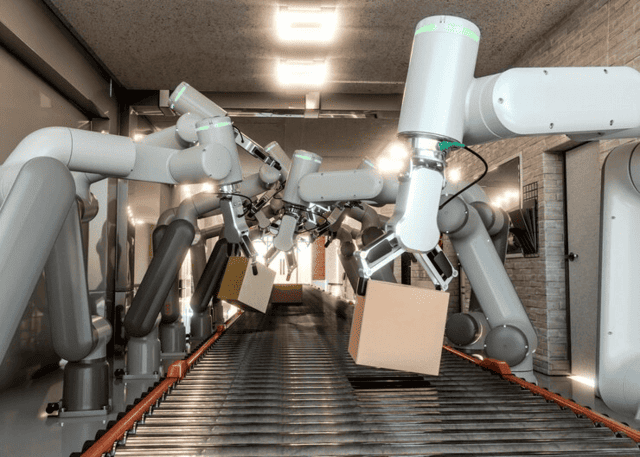
Advantages of Assembly Robots
1.Extraordinary Precision
Robotic assemblers don't tire like human workers, nor do they make mistakes. The result is each piece is built to precise dimensions. This decreases defects and enhances product dependability which is crucial for applications like aerospace and medical device production. Also, robots can work 24/7, which is able to considerably increase productivity with lower cycle times.
2.Cost-efficiency
While robots are expensive to buy and implement, the cost can be justified in terms of labor savings, waste savings and increased throughput. Furthermore, robots improve workplace safety by performing safety sensitive operations, thus reducing the number of accidents.
Current Applications
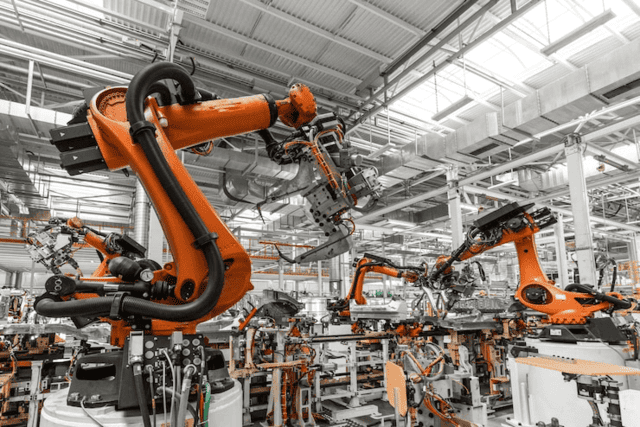
The assembly robot is a common feature in many different industries. Welding, bolting and attaching parts in the car industry, this job has to be done with perfect precision as millions on millions car are built within no time. Robotic machines are used by electronics manufacturers to position minuscule components on circuit boards with a precision of a micron, an assignment that is nearly impossible for human hands. In a food and beverage 3 industry, robotic arms are used to package and sort food and beverages safely while maintaining cleanliness and meeting stringent standards.
There is big potential for assembly robots beyond factory production, like custom-furniture assembly and even 3D-printed construction. Collaborative robots, which are engineered to work alongside humans, are becoming more popular in shops where flexibility and usability are important.
Selecting the Most Suitable Assembly Robot
First, manufacturers need to consider the necessary payload and range of motion, smaller robots work well for delicate tasks such as electronics assembly, whereas larger robots are typically used for heavy-duty tasks. Both are also important and the faster robot is good for high-product production while a slower, more accurate robot is better for detailed work.
Programming flexibility is another factor. Other robots follow pre-written commands, and some also rely on AI and machine learning to adjust to real-time variability. They should also check out possible integration with available machines and software. Finally, the budget and anticipated return-of-investment are also deciding factors.
The Future of Assembly Robots
The future for automation in assembly robotics is well on track for revolutionary trends. With the emergence of AI and IoT, the robotics will become smarter as they will be able to perform preventive maintenance and self-optimization. Improved gripper tech and tactile sensors will mean robots are dealing with delicate or asymmetrical objects better.
One of the other exciting trends is the emergence of mobile assembly robotics that can move around the factory floor without human intervention, dynamically reconfiguring their jobs based on changing production requirements. Moreover, as robotics continue to decrease in cost, small and medium sized businesses will begin to implement automation, putting advanced manufacturing technologies in the hands of more and more people.
Eventually, fully autonomous smart factories might be the standard and robots talk to each other, self-optimize production processes and are employed to the least degree possible. As sustainability becomes a key priority, energy-efficient robots running on renewable sources of energy will continue lowering the ecological impact of production.
Conclusion
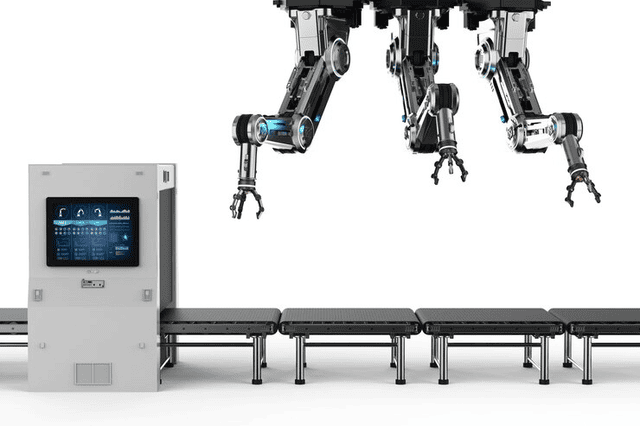
Assembly robots are changing the face of modern manufacturing through the relentless pursuit of precision, throughput, and safety. They are used in various fields, from the automotive industry to computer electronics, and can do more and more since technical progress is made. Companies have to consider several important factors in order to find the robot that suits their application best. In the long term, AI-enabled adaptive robotics will open even more doors to a new industrial era both smarter and more automated. Those machines are not only going to grow production, they're going to completely recast the very definition of what work even means in the manufacturing sector.
ADVERTISEMENT
Hot News
-

7 SUVs That Dominate the Market in 2026
David Clark -

7 Key Nutrients Everyone Needs to Ensure Daily Intake
Ava Walker -

Tips for Providing Complete Home Furnishing Advice to Users
Andy -

The Art of Caring for Solid Wood Furniture
Evan -

Best Indian Trails For Hiking Enthusiasts
Olivia Smith -

The Amazing Legacies Rome Left to Us
Ava Walker -

Decorating the Bathroom: Things to Consider
-

Impact of Snow Shortage on Gulmarg's Ski Resort Village
Michael Green -

Practical Tips for Indoor Wall Decoration: A Guide for Clients
Aldrich -

Ways to Help an Anxious Child with Bedtime
David Clark -

Cairo’s Evolving Under the Egyptian Mysteries
John Scott -

Furniture Trends of 2025: Design Meets Intelligence
Sophia Miller -

Mastering the Road: A Comprehensive Guide for Road Bike Beginners
Zoe -

Mediterranean Diet Could Safeguard Kids’ Heart Health
Olivia Smith -

Vegetable Oil May Lower Risk of Dementia
Ava Walker -

Smartwatches Make Our Life More Convenient
John -

How Different Tea Cups Affect the Taste of Tea and Their Practical Uses in Daily Life
Hugo -

Some Best Image Hosting Sites of the Era
John Scott -

Best SUVs Under $30,000: Top Picks for 2025
William Moore -

How to Design a Warm and Inviting Modern Garden
Ava Walker -

Coffee Could Have More Health Benefits
John Scott -

Drinking Black Tea Lowers Risk of Death
Sophia Miller -

The Physical Benefits of Several Types of Exercise
-

Unlock the Secrets of Tesla Dog Mode: A New Experience for People and Pets
-

Ways to Arrange an Individualized Luxury Wedding
David Clark -

Whether Individuals Who Help Pay for a Wedding Should Have a Say in Its Planning?
John Scott -

Tailoring Fitness and Nutrition: Why Women Need a Different Way
William Moore -

5 of the Most Long-lasting Latex Paint Colors
Terry -

Zanzibar: The Scented Paradise Islands of Africa
Emily Brown -

Constant Use of Phones by Parents Can Have Awful Effects on Their Children
William Moore -

A Guide to Choosing the Right Camping Gear
Clark -

What Should You Do for Your Car in Winter
John -

Tesla Dog Mode: A Safe and Comfortable Canine Mobility Solution
-

Wedding Entertainment Hire FAQs
Isabella Hall -

Find Your Freedom in These European Islands
Isabella Hall -

How to Use a Smart Dishwasher to Bring Convenience to Family Life
Shawn -

A Guide to Choosing the Perfect Used Car for Seniors
William Moore -

Winter Car Care: Essential Maintenance Tips for Keeping Your Vehicle Safe and Reliable
Jeff -

Why You May Eat to Bankrupt in Osaka
John Scott -

Greek Hydra Island Makes You Free
Sophia Miller -

Elevate Your Workout Experience: How to Choose the Perfect Pair of Sports Earphones
Bobby -

How to Skillfully Arrange Soft Furniture in a Limited Space
Victor -

Wig Basics
Owen -

A Fresh Guide to Essential Gear for Outdoor Hiking
Lisa -

Ceuta: The Spanish Territory in North Africa
William Moore -

The Multifaceted Benefits of Various Types of Exercise for Your Body
-

10 Most Romantic Getaways for Couples
Emily Brown -

All You Need to Know for Choosing the Right Pillow
-

Studies Indicate Nearly Two-thirds of Baby Food Tested Fail to Meet Basic Health Standards
Olivia Smith -

A House in Delhi, Reveals Indian History
Olivia Smith -

How Can Tea Help You Cope With Crisis
Sophia Miller -

Figure Out Ways to Get Last-Minute Cruise Deals
William Moore -

Evening Exercise Breaks Unlock Restful Sleep
John Scott -

Getting a Personal Loan: Tips and Steps
James Garcia -

The Silent Echoes of a Planet Without People
David Clark -

Chair Yoga: Why It’s a Beneficial Routine for the Desk-bound
William Moore -

Muğla: A Neglected Pearl in the Mediterranean
Michael Green -

How to Maintain a Bike
Zero -

Chronic Insomnia: Exploring Solutions for a Restful Sleep
-
Natural Treatments for Knee Osteoarthritis
Emily Brown -

Turmeric May Cure Your Indigestion
John Scott -

Choosing the Right Footwear: A Guide to Fall-Prevention Shoes for Seniors
James Garcia -

Filtered Coffee: A Brew for a Longer Life
Emily Brown -

Top Luxury Subcompact SUVs in 2025
James Garcia -

Enhancing Wardrobe Storage Space with Hanging Rods for Improved Quality of Life
Annie -

Five Surprisingly Affordable Yet Unique Vacation Ideas
Ava Walker -

Women at Work: Gains in Leadership Roles, But Catching Up to Men Could Take Decades
Olivia Smith -

How to Choose Sunglasses for Travel
Marry -

Effective Ways to Relieve Joint Pain
John Scott -

Enigma of Loch Ness
Olivia Smith -

How Do We Cope Chronic Insomnia
Emily Brown -

Cancun: From A Fishing Village to A Party Destination
David Clark -
Used Electric Vehicles for Seniors in 2026: A Practical Guide
Sophia Miller -

Instructions to Buying Yoga Clothes
Tom Riddle -

Fish Oil Supplements: Potential Risk of Stroke
Michael Green -

Aspects to Focus on When Buying a Home Security Camera
Emily Brown -

Women May Benefit From Exercise in Reducing Risk of Cardiovascular Issues
James Garcia -

Top 10 Shoes for Seniors: Comfort, Safety, and Style
Olivia Smith -

Easy Yoga Routine Helps Reduce Your Fatigue
Eric -

Fluoride in Water: Preventing Cavities or Posing Health Risks?
William Moore -

Is It Illegal to Post a "For Sale" Sign in a Car?
-

A Comprehensive Guide to Snowboarding Gear for Beginners
Jack -

Why Polarized Sunglasses are Essential for Every Driver!
-

Tokyo Lion Cafe: Away From Hustle and Bustle
Olivia Smith -

An Impressive Valentine’s Day: Choose Right Gifts and Date Ideas
Michael Green -

Tips to Effectively Enhance the Aesthetics and Practicality of Your Bathroom
-

Protecting Your Digital Assets in the Modern Age
John Scott -

Effective Ways to Relieve Joint Pain Naturally
David Clark -

Navigating College Life: Some Mental Health Tips for Students
Sophia Miller -

What Is the Best Material for Framing Restored Old Photos
Jacob -

Senior Housing Choices: Finding CCRCs, Villages and Cohousing
Olivia Smith -

An Overall Summary of Machine Learning's Roles
Isabella Hall -

Why Strength Training Is Essential for Maintaining a Healthy Lifestyle
James Garcia -

Embracing Flexibility: The Health Benefits and Pathways to Increased Flexibility
David Clark -

Step by Step Instructions to Wear a Wig
Nick -

Top 10 SUVs as Affordable and Practical Choices in 2025
Emily Brown -

Five Must-Have Gym Apparatuses for Beginners at Home
William Moore -

How to Skillfully Use Textile Wall Hangings to Elevate Home Design?
Emmie -

Does Your Coffee Cup Affect the Taste of Your Coffee
Richard -

A Comprehensive Guide to Choosing Athletic Apparel
Cary -

Container Homes: A Modern Housing Revolution
John Scott -

Cote d’ Azur in France: The Best Coastline
David Clark -

What Is an All-Inclusive Vacation? A Complete Guide
Sophia Miller -

MIND Diet is a Promising Approach to Mitigate Cognitive Decline
Isabella Hall -

Mysterious “Ghost Ships” in the Baltic Sea
Isabella Hall -

Navigating the USA 55+ Active Adult Rental Boom
Emily Brown -

Flying Business Class Is Not a Dream
Olivia Smith -

5 Ways Lead to Increase Happiness and Improve Mood Through Exercise
Emily Brown -

The Curious Case: The Illegality of Putting a 'For Sale' Sign in Your Vehicle
-

Amazing All-Inclusive Mediterranean Cruises in 2026
Isabella Hall -

Ho Chi Minh City: Fun of Motorcycles
William Moore -

Skills for Car Paint Upkeep
Hank -

Why 90% of Households Choose the Wrong Pillow
-

Paris Olympics: Global Event and Romantic Capita
David Clark -

A Step in the Right Direction: Choosing Comfortable Outdoor Sports Shoes
Jeff -

Vegetables and Fruits Reduce Heart Disease Risk
John Scott -

Strategies to Effectively Manage and Win the Battle with Kids Over Phone Use
John Scott -

Can Spare Tires Be Used as Regular Tires ?
Tom