


7 Key Nutrients Everyone Needs to Ensure Daily Intake
Discover the seven critical nutrients essential for optimal health, learn practical tips to boost your intake and enhance your well-being, ensuring a vibrant and active life.
ADVERTISEMENT
In a world where food is abundant, surprisingly, many people still struggle to consume adequate amounts of essential nutrients. According to recent studies, billions of individuals worldwide are deficient in at least seven critical nutrients, which can lead to serious health issues. Understanding these nutrients and how to incorporate them into your diet can significantly enhance your well-being. Here’s a look at these essential nutrients and practical tips for ensuring you get enough of them.
Iron
Iron is crucial for producing hemoglobin, which carries oxygen in the blood. Deficiencies can lead to anemia, fatigue, and weakened immune function.
Sources:
1. Animal Sources: Red meat, poultry, and fish contain heme iron, which is easily absorbed.
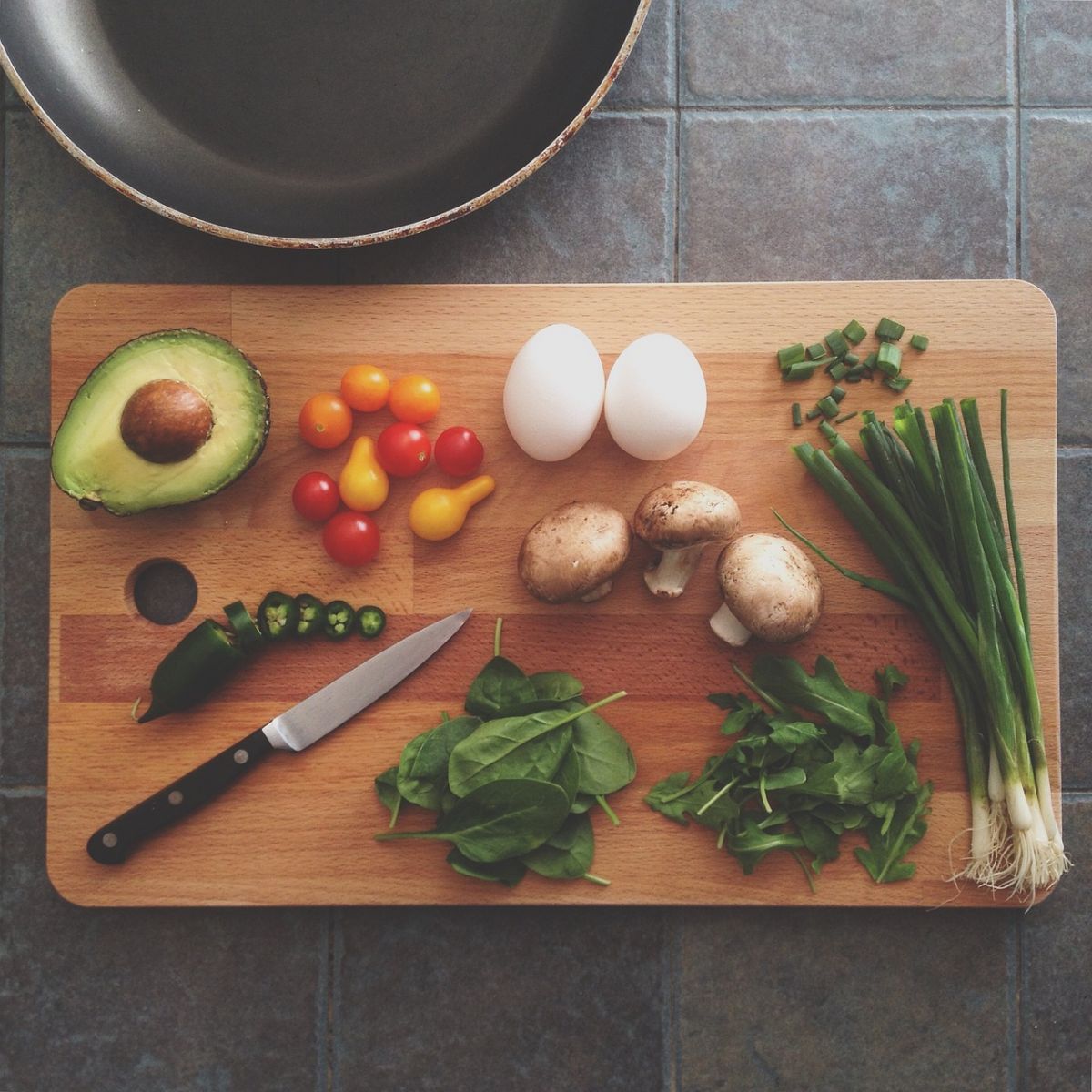
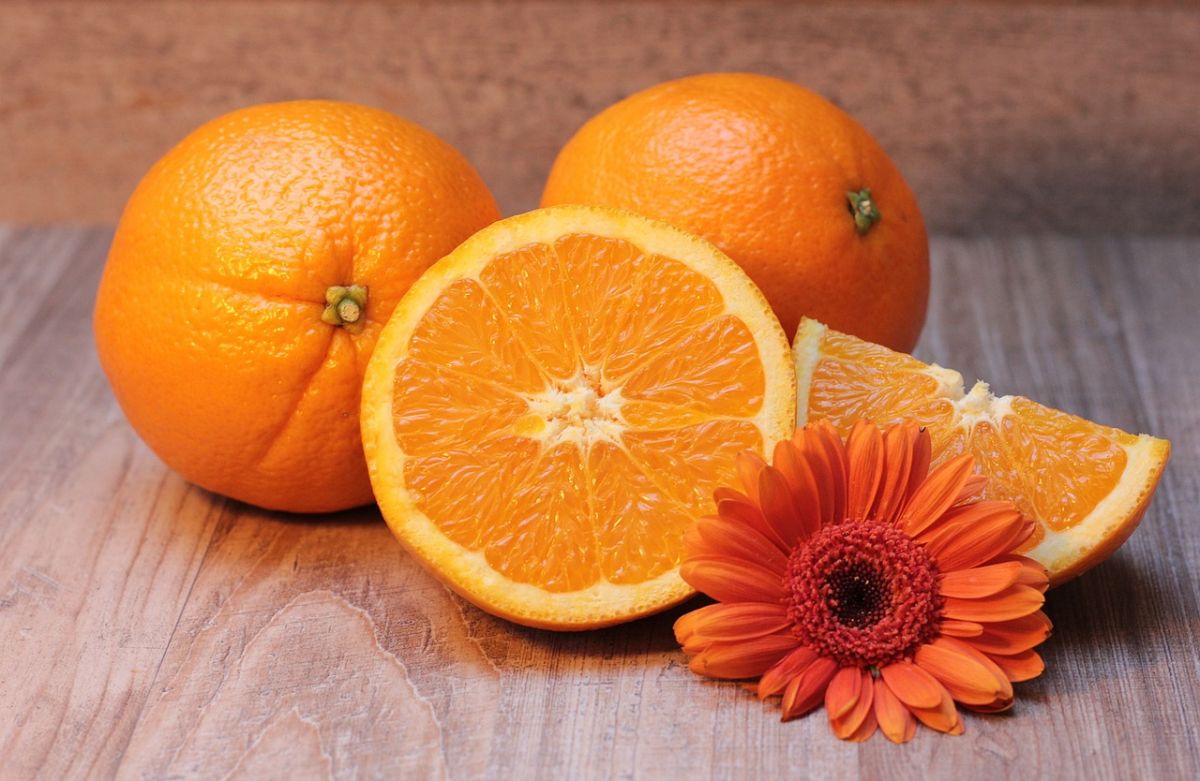
2. Plant Sources: Lentils, beans, tofu, spinach, and fortified cereals provide non-heme iron. Pair these with vitamin C-rich foods (like citrus fruits) to enhance absorption.
Vitamin D
Vitamin D is essential for bone health, immune function, and mood regulation. A deficiency can result in weakened bones and increased risk of chronic diseases.
Sources:
1. Sunlight: Spending 10-30 minutes in the sun several times a week can help your body produce enough vitamin D.
2. Dietary Sources: Fatty fish (like salmon and mackerel), fortified dairy products, and egg yolks are excellent sources. If you live in a region with limited sunlight, consider a vitamin D supplement.
Calcium
Calcium is vital for strong bones and teeth, muscle function, and nerve signaling. Insufficient calcium intake can lead to osteoporosis and other health issues.
Sources:
1. Dairy Products: Milk, yogurt, and cheese are rich in calcium.
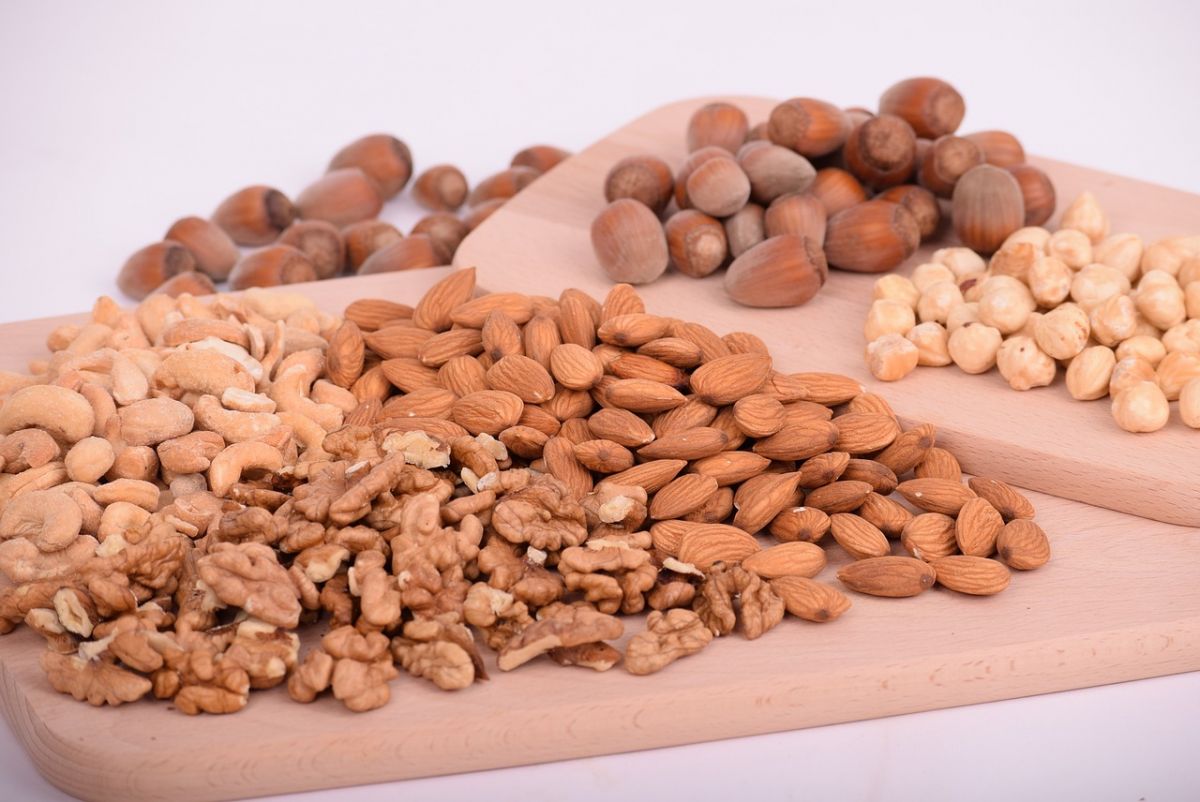
2. Plant Sources: Leafy greens (such as kale and bok choy), almonds, and fortified plant-based milks are good alternatives for those who are lactose intolerant.
Potassium
Potassium helps regulate fluid balance, muscle contractions, and nerve signals. Low potassium levels can lead to high blood pressure and increased risk of stroke.
Sources:
1. Fruits and Vegetables: Bananas, oranges, potatoes, spinach, and avocados are excellent sources of potassium.
2. Legumes: Beans and lentils also contribute to your potassium intake.
Magnesium
Magnesium is involved in over 300 biochemical reactions in the body, including energy production, protein synthesis, and muscle function. A deficiency can lead to muscle cramps, fatigue, and anxiety.
Sources:
1. Nuts and Seeds: Almonds, cashews, and pumpkin seeds are rich in magnesium.
2. Whole Grains: Brown rice, quinoa, and whole wheat products provide significant amounts of this mineral.
Vitamin B12
Vitamin B12 is crucial for nerve function, red blood cell formation, and DNA synthesis. Deficiency can lead to anemia and neurological issues.
Sources:
1. Animal Sources: Meat, fish, poultry, eggs, and dairy products are primary sources of B12.
2. Fortified Foods: For vegetarians and vegans, fortified cereals and plant-based milks can help meet B12 needs. Supplements are also an option.
Omega-3 Fatty Acids
Omega-3 fatty acids are essential for heart health, brain function, and reducing inflammation. A lack of omega-3s can lead to increased risk of chronic diseases.
Sources:
1. Fatty Fish: Salmon, mackerel, and sardines are rich in omega-3s.
2. Plant Sources: Flaxseeds, chia seeds, and walnuts provide alpha-linolenic acid (ALA), a type of omega-3.
Conclusion
Addressing nutrient deficiencies is crucial for maintaining optimal health. By incorporating a variety of foods rich in these seven essential nutrients, you can significantly improve your overall well-being. Focus on a balanced diet that includes fruits, vegetables, whole grains, lean proteins, and healthy fats. For those with dietary restrictions or specific health concerns, consulting a healthcare provider or registered dietitian can provide personalized guidance. By prioritizing these critical nutrients, you can enhance your health and longevity, ensuring a vibrant, active life for years to come.
ADVERTISEMENT
Hot News
-

Is It Illegal to Post a "For Sale" Sign in a Car?
-

Ways to Help an Anxious Child with Bedtime
David Clark -

Chronic Insomnia: Exploring Solutions for a Restful Sleep
-

Women at Work: Gains in Leadership Roles, But Catching Up to Men Could Take Decades
Olivia Smith -

Ways to Arrange an Individualized Luxury Wedding
David Clark -

All You Need to Know for Choosing the Right Pillow
-

Getting a Personal Loan: Tips and Steps
James Garcia -

Cancun: From A Fishing Village to A Party Destination
David Clark -

Step by Step Instructions to Wear a Wig
Nick -

What Is the Best Material for Framing Restored Old Photos
Jacob -

Greek Hydra Island Makes You Free
Sophia Miller -

A Comprehensive Guide to Snowboarding Gear for Beginners
Jack -

5 of the Most Long-lasting Latex Paint Colors
Terry -

Drinking Black Tea Lowers Risk of Death
Sophia Miller -

Easy Yoga Routine Helps Reduce Your Fatigue
Eric -

Find Your Freedom in These European Islands
Isabella Hall -

Smartwatches Make Our Life More Convenient
John -

Aspects to Focus on When Buying a Home Security Camera
Emily Brown -

Tips for Providing Complete Home Furnishing Advice to Users
Andy -

The Curious Case: The Illegality of Putting a 'For Sale' Sign in Your Vehicle
-

Zanzibar: The Scented Paradise Islands of Africa
Emily Brown -

Used Electric Vehicles for Seniors in 2026: A Practical Guide
Sophia Miller -

Cote d’ Azur in France: The Best Coastline
David Clark -

Paris Olympics: Global Event and Romantic Capita
David Clark -

Best SUVs Under $30,000: Top Picks for 2025
William Moore -

Mysterious “Ghost Ships” in the Baltic Sea
Isabella Hall -

Top 10 SUVs as Affordable and Practical Choices in 2025
Emily Brown -

Top 10 Shoes for Seniors: Comfort, Safety, and Style
Olivia Smith -

An Impressive Valentine’s Day: Choose Right Gifts and Date Ideas
Michael Green -

Navigating College Life: Some Mental Health Tips for Students
Sophia Miller -

Studies Indicate Nearly Two-thirds of Baby Food Tested Fail to Meet Basic Health Standards
Olivia Smith -

5 Ways Lead to Increase Happiness and Improve Mood Through Exercise
Emily Brown -

How Can Tea Help You Cope With Crisis
Sophia Miller -

Amazing All-Inclusive Mediterranean Cruises in 2026
Isabella Hall -

How to Maintain a Bike
Zero -

Natural Treatments for Knee Osteoarthritis
Emily Brown -

Elevate Your Workout Experience: How to Choose the Perfect Pair of Sports Earphones
Bobby -

Can Spare Tires Be Used as Regular Tires ?
Tom -

How to Skillfully Use Textile Wall Hangings to Elevate Home Design?
Emmie -

Fish Oil Supplements: Potential Risk of Stroke
Michael Green -

Senior Housing Choices: Finding CCRCs, Villages and Cohousing
Olivia Smith -

How to Use a Smart Dishwasher to Bring Convenience to Family Life
Shawn -

Whether Individuals Who Help Pay for a Wedding Should Have a Say in Its Planning?
John Scott -

Winter Car Care: Essential Maintenance Tips for Keeping Your Vehicle Safe and Reliable
Jeff -

Skills for Car Paint Upkeep
Hank -

Evening Exercise Breaks Unlock Restful Sleep
John Scott -

Tailoring Fitness and Nutrition: Why Women Need a Different Way
William Moore -

Unlock the Secrets of Tesla Dog Mode: A New Experience for People and Pets
-

Some Best Image Hosting Sites of the Era
John Scott -

What Is an All-Inclusive Vacation? A Complete Guide
Sophia Miller -

Enigma of Loch Ness
Olivia Smith -

A Comprehensive Guide to Choosing Athletic Apparel
Cary -

Effective Ways to Relieve Joint Pain
John Scott -

The Rise of Assembly Robots
Emily Brown -

Mastering the Road: A Comprehensive Guide for Road Bike Beginners
Zoe -

Why 90% of Households Choose the Wrong Pillow
-

How Do We Cope Chronic Insomnia
Emily Brown -

Ho Chi Minh City: Fun of Motorcycles
William Moore -

The Art of Caring for Solid Wood Furniture
Evan -

Choosing the Right Footwear: A Guide to Fall-Prevention Shoes for Seniors
James Garcia -

The Physical Benefits of Several Types of Exercise
-

What Should You Do for Your Car in Winter
John -

Impact of Snow Shortage on Gulmarg's Ski Resort Village
Michael Green -

Best Indian Trails For Hiking Enthusiasts
Olivia Smith -

Container Homes: A Modern Housing Revolution
John Scott -

Constant Use of Phones by Parents Can Have Awful Effects on Their Children
William Moore -

Does Your Coffee Cup Affect the Taste of Your Coffee
Richard -

Mediterranean Diet Could Safeguard Kids’ Heart Health
Olivia Smith -

Cairo’s Evolving Under the Egyptian Mysteries
John Scott -

A Fresh Guide to Essential Gear for Outdoor Hiking
Lisa -

MIND Diet is a Promising Approach to Mitigate Cognitive Decline
Isabella Hall -

The Multifaceted Benefits of Various Types of Exercise for Your Body
-

Top Luxury Subcompact SUVs in 2025
James Garcia -

Strategies to Effectively Manage and Win the Battle with Kids Over Phone Use
John Scott -

How to Design a Warm and Inviting Modern Garden
Ava Walker -

Furniture Trends of 2025: Design Meets Intelligence
Sophia Miller -

Fluoride in Water: Preventing Cavities or Posing Health Risks?
William Moore -

A Step in the Right Direction: Choosing Comfortable Outdoor Sports Shoes
Jeff -

Vegetables and Fruits Reduce Heart Disease Risk
John Scott -

Filtered Coffee: A Brew for a Longer Life
Emily Brown -

Enhancing Wardrobe Storage Space with Hanging Rods for Improved Quality of Life
Annie -

How to Choose Sunglasses for Travel
Marry -

A House in Delhi, Reveals Indian History
Olivia Smith -

Flying Business Class Is Not a Dream
Olivia Smith -

Embracing Flexibility: The Health Benefits and Pathways to Increased Flexibility
David Clark -

Women May Benefit From Exercise in Reducing Risk of Cardiovascular Issues
James Garcia -

Why Polarized Sunglasses are Essential for Every Driver!
-

Wig Basics
Owen -

Protecting Your Digital Assets in the Modern Age
John Scott -

Effective Ways to Relieve Joint Pain Naturally
David Clark -

Chair Yoga: Why It’s a Beneficial Routine for the Desk-bound
William Moore -

Five Surprisingly Affordable Yet Unique Vacation Ideas
Ava Walker -

The Amazing Legacies Rome Left to Us
Ava Walker -

10 Most Romantic Getaways for Couples
Emily Brown -

Why Strength Training Is Essential for Maintaining a Healthy Lifestyle
James Garcia -

Ceuta: The Spanish Territory in North Africa
William Moore -

Tesla Dog Mode: A Safe and Comfortable Canine Mobility Solution
-

An Overall Summary of Machine Learning's Roles
Isabella Hall -

Instructions to Buying Yoga Clothes
Tom Riddle -

Vegetable Oil May Lower Risk of Dementia
Ava Walker -

Turmeric May Cure Your Indigestion
John Scott -

Decorating the Bathroom: Things to Consider
-

Wedding Entertainment Hire FAQs
Isabella Hall -

Practical Tips for Indoor Wall Decoration: A Guide for Clients
Aldrich -

Five Must-Have Gym Apparatuses for Beginners at Home
William Moore -

Tokyo Lion Cafe: Away From Hustle and Bustle
Olivia Smith -

A Guide to Choosing the Right Camping Gear
Clark -

The Silent Echoes of a Planet Without People
David Clark -

A Guide to Choosing the Perfect Used Car for Seniors
William Moore -

Navigating the USA 55+ Active Adult Rental Boom
Emily Brown -

How Different Tea Cups Affect the Taste of Tea and Their Practical Uses in Daily Life
Hugo -

Tips to Effectively Enhance the Aesthetics and Practicality of Your Bathroom
-

How to Skillfully Arrange Soft Furniture in a Limited Space
Victor -

Coffee Could Have More Health Benefits
John Scott -

Muğla: A Neglected Pearl in the Mediterranean
Michael Green -

7 SUVs That Dominate the Market in 2026
David Clark -

Why You May Eat to Bankrupt in Osaka
John Scott -

Figure Out Ways to Get Last-Minute Cruise Deals
William Moore