


Embracing Flexibility: The Health Benefits and Pathways to Increased Flexibility
Flexibility is a fundamental component of physical fitness that often takes a back seat to cardiovascular endurance and strength training. However, the importance of flexibility should not be underestimated. Flexibility refers to the range of motion in a joint or group of joints and the ability of muscles and tendons to stretch effectively. Embracing flexibility not only enhances physical performance but also offers a myriad of health benefits that contribute to overall well-being. In this article, we delve into the significance of flexibility, its health advantages, and practical ways to improve and maintain flexibility in daily life.
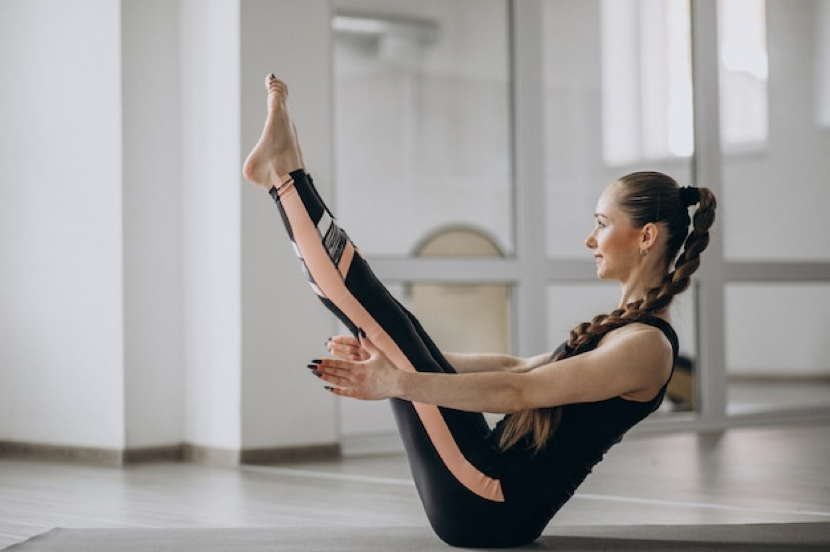
The Health Benefits of Flexibility
1. Injury Prevention
One of the primary benefits of flexibility is its role in injury prevention. When muscles and tendons are flexible, they are better equipped to handle stress and strain during physical activities. Improved flexibility reduces the risk of muscle strains, ligament sprains, and other common injuries, especially during activities that require sudden or extreme movements.
2. Improved Posture
Flexibility plays a crucial role in maintaining proper posture. Tight muscles can pull the body out of alignment, leading to poor posture and a host of associated issues such as back pain, neck pain, and headaches. By enhancing flexibility in key muscle groups, individuals can improve their posture and reduce the likelihood of developing chronic postural problems.
3. Enhanced Range of Motion
Increased flexibility translates to an expanded range of motion in joints, allowing for more fluid and efficient movement. This is particularly beneficial for athletes, dancers, and individuals engaged in physical activities that require a wide range of motion. A greater range of motion not only improves performance but also enhances overall mobility and agility.
4. Stress Relief
Flexibility exercises, such as yoga and stretching, promote relaxation and stress relief. Stretching helps release tension in muscles, alleviate tightness, and promote circulation, leading to a sense of physical and mental relaxation. Incorporating flexibility exercises into a daily routine can contribute to stress reduction and improved mental well-being.
5. Joint Health
Maintaining flexibility is essential for joint health and function. Flexible muscles and tendons help support the joints, reducing the risk of joint pain, stiffness, and degenerative conditions such as osteoarthritis. By preserving joint mobility through flexibility exercises, individuals can enhance joint health and longevity.
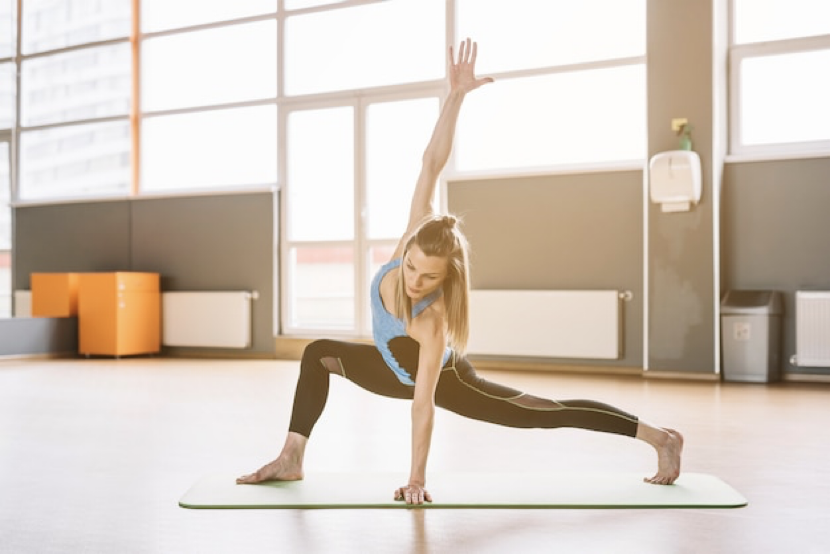
How to Improve Flexibility
1. Stretching Exercises
Incorporate regular stretching exercises into your fitness routine to improve flexibility. Dynamic stretches before exercise help warm up the muscles, while static stretches after exercise help lengthen and relax the muscles. Focus on stretching major muscle groups such as the hamstrings, quadriceps, calves, shoulders, and back.
2. Yoga and Pilates
Participating in yoga or Pilates classes can significantly enhance flexibility, strength, and balance. These mind-body practices combine stretching exercises with strengthening movements to improve overall flexibility and body awareness. Attending regular classes led by experienced instructors can help individuals progress in their flexibility journey.
3. Foam Rolling
Foam rolling is a self-myofascial release technique that helps release muscle tightness and improve flexibility. By using a foam roller to apply pressure to specific muscle groups, individuals can reduce muscle tension, increase blood flow, and enhance flexibility. Incorporate foam rolling into your post-workout routine to aid in muscle recovery and flexibility maintenance.
4. Stay Hydrated
Proper hydration is essential for maintaining muscle elasticity and joint lubrication, both of which are vital for flexibility. Drinking an adequate amount of water throughout the day helps keep muscles hydrated and supple, supporting flexibility and reducing the risk of muscle cramps and stiffness.
5. Consistency is Key
Improving flexibility is a gradual process that requires consistency and dedication. Set aside time each day for stretching and flexibility exercises, and gradually increase the intensity and duration of your stretches as your flexibility improves. Be patient with yourself and celebrate small milestones along the way.
Conclusion
In conclusion, flexibility is a cornerstone of physical health and well-being, offering a host of benefits that extend beyond mere physical performance. By prioritizing flexibility through regular stretching, yoga, Pilates, and other flexibility-enhancing practices, individuals can improve their posture, prevent injuries, enhance range of motion, alleviate stress, and promote joint health. Embrace flexibility as an integral component of your fitness routine and enjoy the numerous advantages it brings to your overall health and quality of life.

Cote d’ Azur in France: The Best Coastline
The Cote d’ Azur in France, a luminous and brilliant pearl of Mediterranean area, winds its way from Marseilles to the Italy boundary which is regarded and considered as one of the best coast lines in the world for its fascinating natural scenery, enriched cultural relic and fancy lifestyles. No matter the sun-kissed beached, old towns with long history, or the world-class arts and cultures, the Cote d’ Azur seduces and attracts visitors all over the world through its uniqueness and speciality.Natural SceneryTo begin with, the most outstanding glamour of Cote d’ Azur lies in the natural views with no doubt. One hundred and fifteen miles’ coastline, sandy but soft beach and azure but clear sea all belong to the one and only Cote d’ Azur. One famous beach is Promenade des Anglais which is the must-go resort among visitors. A seven-miles revenue near the sea and palm trees provides travelers a romantic chance to walk, enjoy the breeze and the scene. Besides, famous towns like Saint-Tropez and Cannes are also tourists attraction worth visiting. Therefore, Cote d’ Azur is an enjoyable wonderland for sunshine, beaches and sea.Cultural RelicsDespite natural scenes, Cote d’ Azur also shine in rich cultural relics. Vieux Nice offers us the chance to see constructions and buildings which were established three hundred years ago. You can learn from the old streets, colorful houses which witnessed a myriad of historic stories. As is known to all, Cannes is popular and famous with the film festival. Every May, movie stars and celebrities all over the world come here to celebrate the film’s biggest event. If you are lucky enough, you may see Oscar winners, Golden Globe winners, British Academy Film Awards winners, Screen Actors Guild Awards winners and more. Famous directors, producers, actors and actresses will greet with you face to face. Thereby, visiting Cote d’ Azur is not just for a trip, but also make you encounter the stars you like. In addition, Monaco is also a town can not be ignored because the famous Monte Carlo Casino is a place you can not miss.Arts and CultureNow let’s see how Cote d’ Azur attracts travelers in arts and culture. Picasso and Matisse are renown artists, one of the common points of them is that they both created works in Cote d’ Azur. Cote d’ Azur inspires hundreds of great men, a great quantity of art works are still reserved in the art gallery and museums in Nice. From ancient masterpieces to modern creations, you can see whatever you can imagine and can’t imagine. What’s more, numberless music and art festivals enrich the spirit of this town, for example, Nice carnival. Hope you can catch this great moment when you arrive there.ConclusionIn short, Cote d’ Azur in France is a place deserve your visit which can fulfill and reach your expectation and gratification. Don’t make heartbeat just beat all the time, move on, you can fly there just with a ticket.

What Should You Do for Your Car in Winter
With the arrival of winter, the temperature is gradually decreasing, and higher requirements are also put forward for the maintenance of vehicles.In this season,owners should carry out a series of necessary checks. Let's take a look at what you should check for your car in the winter.1.Engine oilFirst, you need to check whether the engine oil is clean and whether it needs to be replaced. In winter, the viscosity of engine oil will increase, if the oil is not clean or has deteriorated, it may affect the normal operation of the engine. Therefore, before the arrival of winter, clean oil should be replaced to ensure the normal operation of the engine.2.Cooling systemThe cooling system is an important part of keeping the engine running properly. In the winter, the cleanliness and concentration of the coolant should be checked, and if the coolant is insufficient or of poor quality, it should be replaced in time. At the same time, it is also necessary to check whether the various components of the cooling system are leaking or damaged, and if there is a problem, it should be repaired in time.3.The batteryIn winter, the temperature is low, the power of the battery will be affected, and it is easy to lose power. Therefore, before the arrival of winter, you should check whether the battery is sufficient, if the power is insufficient, you should charge it in time. At the same time, it is also necessary to check whether the connection of the battery is tight to prevent the loss of electricity due to loose connection.4.TireThe tire is the part of the vehicle in contact with the ground, and its condition is directly related to the safe driving of the vehicle. In winter, because the temperature is lower, the road may become slippery or icy, so it is necessary to check the depth of the tire pattern and air pressure to meet the standard. If the tire is seriously worn or the air pressure is insufficient, it will affect the grip and driving stability of the tire, and increase the risk of accidents.
Embracing Flexibility: The Health Benefits and Pathways to Increased Flexibility
Flexibility is a fundamental component of physical fitness that often takes a back seat to cardiovascular endurance and strength training. However, the importance of flexibility should not be underestimated. Flexibility refers to the range of motion in a joint or group of joints and the ability of muscles and tendons to stretch effectively. Embracing flexibility not only enhances physical performance but also offers a myriad of health benefits that contribute to overall well-being. In this article, we delve into the significance of flexibility, its health advantages, and practical ways to improve and maintain flexibility in daily life.The Health Benefits of Flexibility1. Injury PreventionOne of the primary benefits of flexibility is its role in injury prevention. When muscles and tendons are flexible, they are better equipped to handle stress and strain during physical activities. Improved flexibility reduces the risk of muscle strains, ligament sprains, and other common injuries, especially during activities that require sudden or extreme movements.2. Improved PostureFlexibility plays a crucial role in maintaining proper posture. Tight muscles can pull the body out of alignment, leading to poor posture and a host of associated issues such as back pain, neck pain, and headaches. By enhancing flexibility in key muscle groups, individuals can improve their posture and reduce the likelihood of developing chronic postural problems.3. Enhanced Range of MotionIncreased flexibility translates to an expanded range of motion in joints, allowing for more fluid and efficient movement. This is particularly beneficial for athletes, dancers, and individuals engaged in physical activities that require a wide range of motion. A greater range of motion not only improves performance but also enhances overall mobility and agility.4. Stress ReliefFlexibility exercises, such as yoga and stretching, promote relaxation and stress relief. Stretching helps release tension in muscles, alleviate tightness, and promote circulation, leading to a sense of physical and mental relaxation. Incorporating flexibility exercises into a daily routine can contribute to stress reduction and improved mental well-being.5. Joint HealthMaintaining flexibility is essential for joint health and function. Flexible muscles and tendons help support the joints, reducing the risk of joint pain, stiffness, and degenerative conditions such as osteoarthritis. By preserving joint mobility through flexibility exercises, individuals can enhance joint health and longevity.How to Improve Flexibility1. Stretching ExercisesIncorporate regular stretching exercises into your fitness routine to improve flexibility. Dynamic stretches before exercise help warm up the muscles, while static stretches after exercise help lengthen and relax the muscles. Focus on stretching major muscle groups such as the hamstrings, quadriceps, calves, shoulders, and back.2. Yoga and PilatesParticipating in yoga or Pilates classes can significantly enhance flexibility, strength, and balance. These mind-body practices combine stretching exercises with strengthening movements to improve overall flexibility and body awareness. Attending regular classes led by experienced instructors can help individuals progress in their flexibility journey.3. Foam RollingFoam rolling is a self-myofascial release technique that helps release muscle tightness and improve flexibility. By using a foam roller to apply pressure to specific muscle groups, individuals can reduce muscle tension, increase blood flow, and enhance flexibility. Incorporate foam rolling into your post-workout routine to aid in muscle recovery and flexibility maintenance.4. Stay HydratedProper hydration is essential for maintaining muscle elasticity and joint lubrication, both of which are vital for flexibility. Drinking an adequate amount of water throughout the day helps keep muscles hydrated and supple, supporting flexibility and reducing the risk of muscle cramps and stiffness.5. Consistency is KeyImproving flexibility is a gradual process that requires consistency and dedication. Set aside time each day for stretching and flexibility exercises, and gradually increase the intensity and duration of your stretches as your flexibility improves. Be patient with yourself and celebrate small milestones along the way.

How to Skillfully Arrange Soft Furniture in a Limited Space
In modern life, especially in cities, space is often a precious resource.For many families, how to skillfully arrange soft furniture in a limited space is an important challenge. This article will discuss how to maximize the use of space through reasonable design and layout.First of all, the proper planning and layout of the room is crucial. Before placing soft furniture, it is necessary to clarify the function and needs of the room. For example, if the room is mainly used for rest and relaxation, it may need some comfortable sofas, chairs and beds; If the room is mainly used for work and study, it may need some practical desks, chairs and bookshelves.2.Choose the right sizeIn a limited space, choosing the right furniture size is key. Oversized furniture can take up too much space and make people feel depressed; And too small furniture will appear incongruous, affecting the overall beauty. Therefore, it is necessary to choose the right furniture size according to the size and shape of the room. At the same time, you can also choose some multi-functional, adjustable furniture, such as foldable, movable sofas and beds, as well as detachable, assemblable wardrobes and shelves.3.The use of space heightWhen placing soft furniture, you can use the height of the space to maximize the use of space. For example, the bed frame can be designed with a storage function, and the bed can be used to store clothes, books and other items; Or design the height of the sofa slightly higher than the general level, and set up lockers or drawers under the sofa to store items such as clutter or books.4. Keep the space transparentWhen placing soft furniture, it is necessary to maintain the permeability of the space and avoid the feeling of repression and cramped. Therefore, the placement and direction of the furniture need to be reasonably planned to avoid blocking the passage and Windows, and to maintain the smooth and open sense of the space. At the same time, you can also enhance the sense of space by choosing transparent or light-colored furniture.

A Guide to Choosing the Right Camping Gear
Camping is an exhilarating outdoor activity that allows individuals to reconnect with nature and escape the hustle and bustle of eve.However, selecting the right camping gear is crucial to ensuring a comfortable and enjoyable experience in the great outdoors. In this guide, we will explore the essential factors to consider when choosing camping gear, providing valuable insights to help readers make informed decisions and gear up for their next adventure.Functionality and Versatility: The Backbone of Camping GearWhen selecting camping gear, it is essential to prioritize functionality and versatility. Look for multi-purpose equipment that can serve various needs, such as a multi-tool with a knife, screwdriver, and can opener, or a versatile tent that can adapt to different weather conditions. Versatile gear not only saves space and weight but also enhances the overall camping experience by catering to diverse situations.Durability and Quality: Invest in Long-lasting GearInvesting in durable and high-quality camping gear is critical for a successful outdoor experience. Look for gear made from robust materials, reinforced seams, and sturdy construction to withstand the rigors of outdoor use. Quality gear not only ensures longevity but also provides peace of mind in challenging environments, allowing campers to focus on their adventures without worrying about gear malfunctions.Comfort and Ergonomics: Prioritize Personal Well-beingComfort plays a crucial role in determining the overall camping experience. When choosing camping gear, prioritize items that prioritize personal well-being, such as a comfortable sleeping pad, ergonomic backpack, or supportive hiking boots. Additionally, consider factors like adjustable straps, breathable fabrics, and padded support to enhance comfort during extended outdoor excursions.Portability and Weight: Pack Light, Pack RightEfficiently packing and transporting camping gear is essential for maximizing mobility and convenience. Opt for lightweight and compact gear that minimizes bulk and weight without compromising functionality. Additionally, consider collapsible or foldable options, such as portable cookware and compact chairs, to optimize space and ease of transport.